Properties of matter shows up in nearly every elementary science scope and sequence, from kindergarten sorting trays to grade 5 particle models. This guide maps worksheets to the right grade level, sequences them in an order that works, and shows how to turn a printable page into small-group instruction and real assessment evidence.
What "Propperties of Matter" Worksheets Really Teach
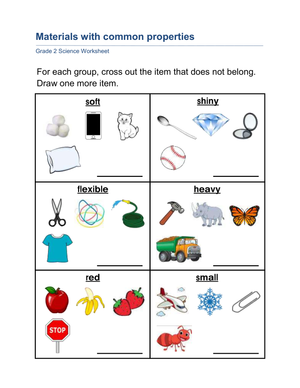
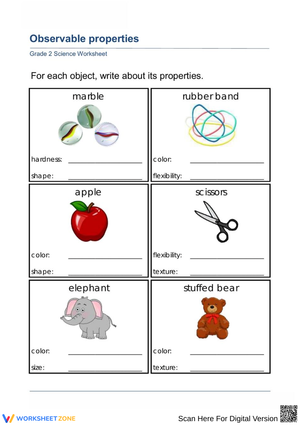
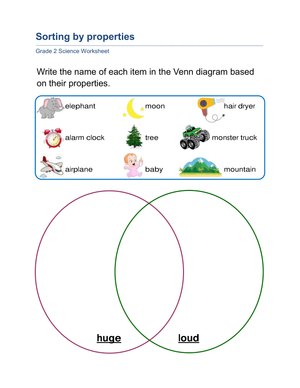
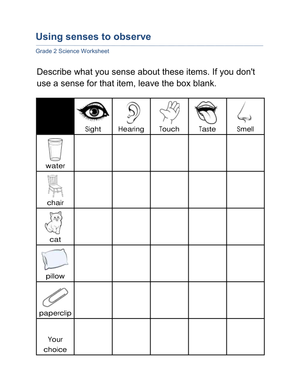
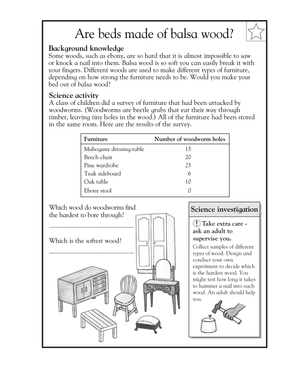
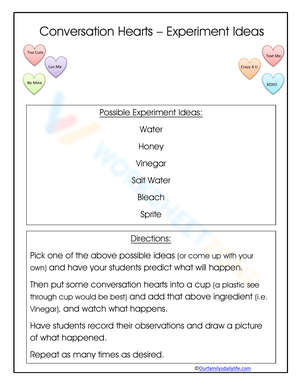
If you searched for propperties of matter worksheets and worried you typed it wrong, you're in the right place. The topic is properties of matter, and the misspelling is one of the most common science search slips teachers make. These worksheets ask students to observe, describe, sort, and measure materials by their traits: color, texture, shape, hardness, flexibility, weight, volume, and temperature. They also cover the three states of matter, solids, liquids, and gases, that anchor most elementary science units.
Because the topic spans several grade bands, a single worksheet set rarely fits every student. A kindergarten sorting page and a grade 5 particle model page both live under properties of matter, but they demand very different thinking. Knowing which page matches which standard saves you planning time and keeps your science block tightly aligned.
Matching Worksheets to Grade 2 and Grade 5 Standards
Two grade levels carry most of the weight for this topic. Grade 2 focuses on observable classification, while grade 5 pushes into particle models, measurement, and conservation of weight. Sorting your worksheet library by these expectations up front means you never hand a class a page that's a year ahead or behind.
Here's a distinction many pacing guides blur: grade 2 students describe and classify by observable properties, but grade 5 students must measure and quantify them. A worksheet that only asks "is it hard or soft?" tops out at second-grade rigor. To reach grade 5, the same material needs columns for grams, milliliters, and degrees, plus a prompt to graph the data. Swapping qualitative boxes for quantitative ones is the fastest way to raise a worksheet's grade level.
According to the Next Generation Science Standards, performance expectation 2-PS1-1 asks second graders to "plan and conduct an investigation to describe and classify different kinds of materials by their observable properties." That standard, published by NGSS in 2013, frames nearly every K-2 sorting and labeling worksheet you will use this year.
Sequence Observable Properties Before Measurable Ones
Students who jump straight to measuring volume before they can reliably describe texture tend to stall. A clean sequence keeps the cognitive load manageable and gives every student a shared vocabulary before the math shows up. Start with worksheets that name observable properties, the ones students can see and feel without tools: color, shape, texture, and whether a material is a solid, liquid, or gas. Only after that vocabulary is solid should you introduce measurable properties that require rulers, balances, and graduated cylinders.
- Week 1: Observable properties and states of matter sorting pages.
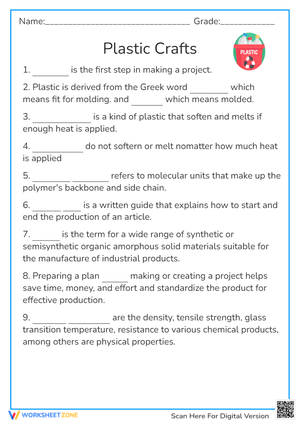
- Week 2: Labeling and describing worksheets that build precise vocabulary.
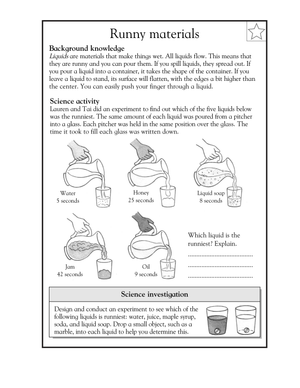
- Week 3: Measurable properties with weight, volume, and temperature columns.
- Week 4: Mixed practice that asks students to choose the right property to compare.
Classroom Implementation
Properties of matter worksheets shine in small-group rotations. Set up a four-station block: one hands-on sorting tray, one worksheet station, one teacher-led table for measurement coaching, and one technology or reading station. The worksheet station gives students independent practice while you pull a small group for targeted feedback. Rotate every 12 to 15 minutes so no station drags.
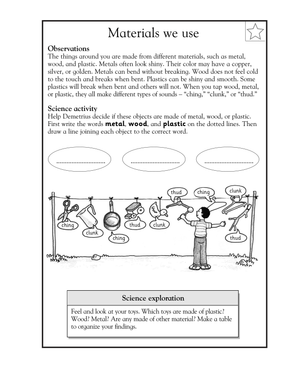
Use the worksheet station for accountable, visible thinking. Ask students to justify each sort in writing, not just circle an answer. A prompt like "explain why you grouped these three items together" turns a low-level sorting page into evidence you can grade against a standard. Keep a small bin of real objects nearby so students can check their answers against physical materials.
Timing matters as much as tasks. Give each student a clear must-do and a may-do so fast finishers stay productive: the must-do is the graded worksheet, and the may-do is a challenge card that asks them to find three classroom objects that share a property. This keeps the room calm while you focus on the small group without interruptions.
Pair Worksheets With a Conservation-of-Weight Investigation
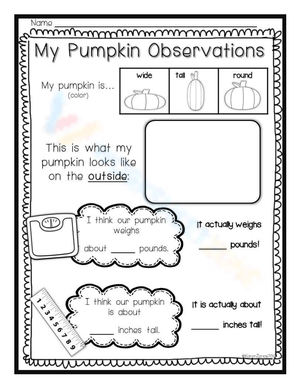
Grade 5 students need more than paper practice to grasp that weight is conserved when substances are heated, cooled, or mixed. Pair a data-collection worksheet with a simple balance investigation: weigh materials before and after mixing, record the numbers, and graph the result. The worksheet becomes the lab record, and the hands-on step makes the concept stick.
NGSS performance expectation 5-PS1-2 calls for students to measure and graph quantities showing that total weight stays the same. A worksheet with a before-and-after data table and a blank grid for graphing turns that abstract standard into a concrete task students can finish in one class period. Collect the pages afterward and you have an instant formative check on who understands conservation and who needs another pass.
Frequently Asked Questions
1. What grade level are properties of matter worksheets appropriate for?
They fit K-5, with the heaviest use in grade 2 and grade 5. Grade 2 pages focus on observing and classifying materials, while grade 5 pages add measurement, particle models, and conservation of weight.
2. What is the difference between observable and measurable properties?
Observable properties, like color, shape, and texture, can be described with the senses alone. Measurable properties, like weight, volume, and temperature, require tools such as a balance, graduated cylinder, or thermometer and produce a number.
3. How do these worksheets align with NGSS standards?
Grade 2 worksheets support 2-PS1-1, which asks students to classify materials by observable properties. Grade 5 worksheets support 5-PS1-1, 5-PS1-2, and 5-PS1-3, which cover particle models, conservation of weight, and identifying materials by their properties.
4. How can I use these worksheets for small-group or intervention instruction?
Place them in a rotation station for independent practice while you coach a small group at the teacher table. For intervention, choose vocabulary-first sorting pages with word banks and fewer items so students build language before measurement, and add sentence frames so everyone can explain their thinking in writing.
5. What hands-on activities pair well with these worksheets?
A solids, liquids, and gases sorting tray with real objects works well for younger students. For grade 5, pair a data worksheet with a balance investigation that weighs substances before and after mixing to show weight is conserved, then have students graph the results.