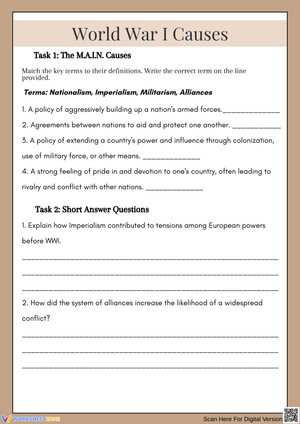
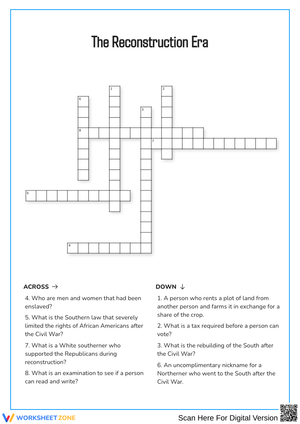
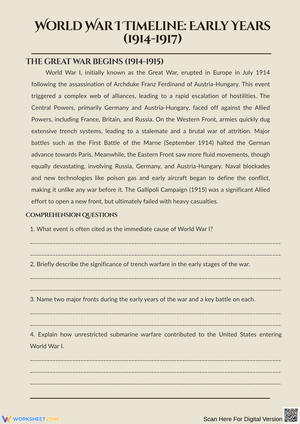
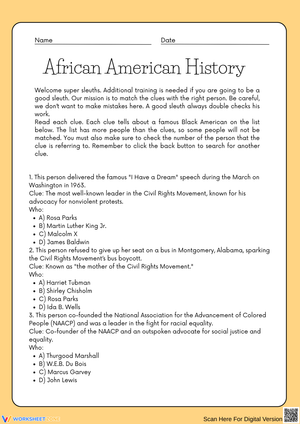
Finding the right social studies worksheets can quietly reclaim hours of planning time. Whether you teach a self-contained elementary class or a single high school subject, the four content areas—civics, economics, geography, and history—show up all year, and ready-made pages let you review, reteach, or extend without redesigning a lesson from scratch. Here is how to choose and use them well across grade bands.
What Social Studies Worksheets Actually Cover
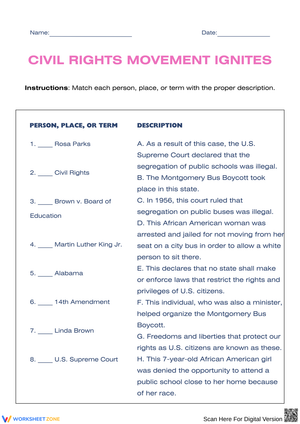
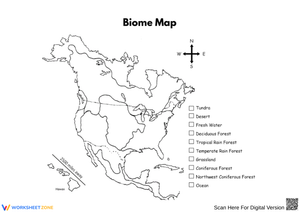
Social studies worksheets pull from four connected content areas: civics, economics, geography, and history. A single set of resources might ask fourth graders to label a regional map one week and trace how a local government makes decisions the next. For teachers, that range is the point. You rarely teach these strands in isolation, so worksheets that move between them let you reinforce a full unit instead of one narrow skill.
The four strands also give you a fast way to audit your materials. If most of your printables sit in history and geography, you can pull economics and civics tasks to balance the year. Grouping worksheets by strand rather than by random topic makes it easier to see what students have already practiced and what is still missing before a benchmark or state test.
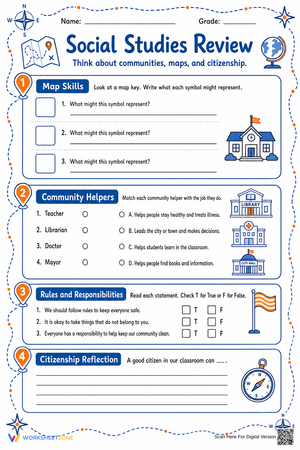
Good social studies worksheets are also flexible. The same map-skills page can anchor a whole-class warm-up, a small-group station, or an independent review packet, depending on how you frame the task and how much support you build in.
Matching Worksheets to Inquiry Skills
Strong social studies instruction is about more than recall. It moves students through a predictable arc: asking a real question, applying discipline-specific concepts, weighing and evaluating sources, and then communicating a conclusion they can defend. The best worksheets carry each stage of that arc, not just the memorization step.
A geography page, for instance, can start with a question about why cities grow near rivers, ask students to read a map and a short data set, and end with a written claim backed by evidence. When you choose worksheets, look for tasks that ask students to explain their thinking, not only fill a blank. That single shift turns a routine handout into evidence of reasoning you can actually assess. Even a single well-chosen prompt can reveal whether students grasp a concept or are simply repeating a definition.
The National Council for the Social Studies notes that today's social studies standards were built collaboratively by state teams and 15 professional organizations spanning civics, economics, geography, and history, which is why quality worksheets so often blend all four strands rather than treating each subject as a separate silo.
Covering All Four Strands in One Unit
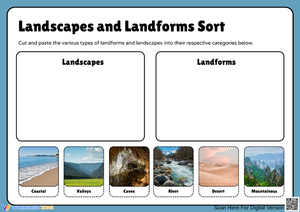
One of the most efficient uses of social studies worksheets is building a single unit that touches all four strands instead of teaching them as separate chapters. A unit on your local region, for example, can open with a geography worksheet on landforms and maps, move to a history page on how the community was settled, add a civics task on how local decisions get made, and close with an economics activity on the jobs and resources that keep the area running.
Students see how the strands connect, and you cover more standards in fewer instructional days. It also mirrors how these subjects show up on many state assessments, where a single reading passage or map can pull questions from history, geography, and civics at once. When you plan the unit around one anchoring theme, each worksheet reinforces the others instead of competing for attention.
Differentiating Across Grade Bands
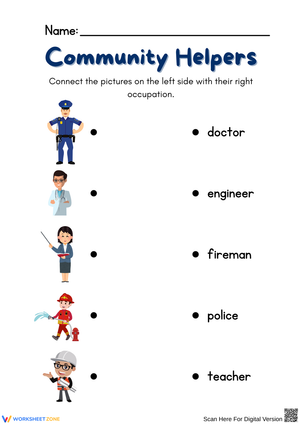
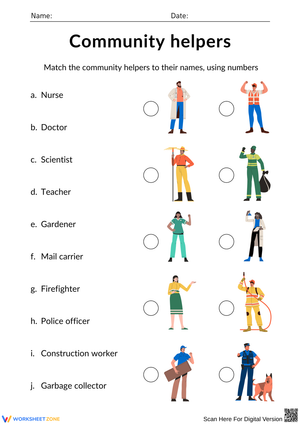
The same subject looks very different in a first-grade room and an eighth-grade room, and worksheet complexity should reflect that. In the primary grades, social studies worksheets tend to focus on community helpers, classroom and school rules, simple neighborhood maps, calendars, and the difference between needs and wants. The goal is concrete vocabulary and everyday connections.
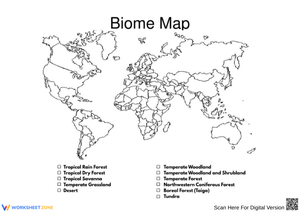
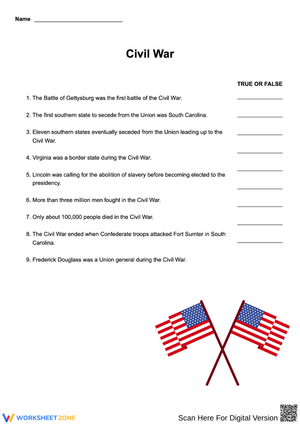
By upper elementary, students can handle regional and U.S. maps, the basic branches of government, timelines, and introductory supply-and-demand ideas. Middle and high school worksheets shift toward government structures, economic systems, primary-source document analysis, and world and U.S. history in more depth. Matching that progression keeps students challenged without leaving gaps.
Here is what many worksheet catalogs gloss over: because the United States has no single mandated national social studies curriculum, the same topic can land in different grades from one state to the next. A worksheet labeled "Grade 5" in one collection may target standards a full grade higher or lower where you teach. The practical move is to match each worksheet to your own state's scope and sequence, then adjust the grade label to fit. Content alignment matters far more than the number printed at the top of the page.
Building Literacy Through Primary Sources
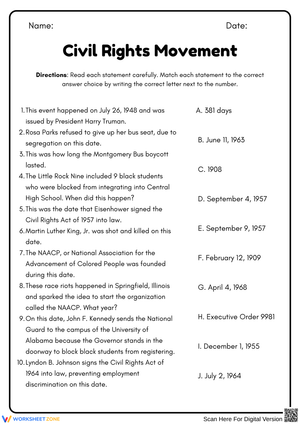
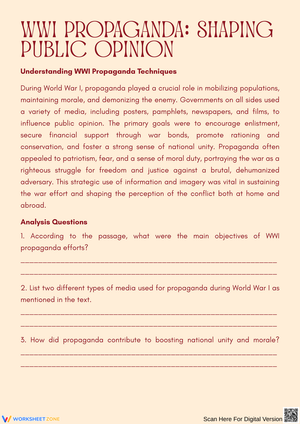
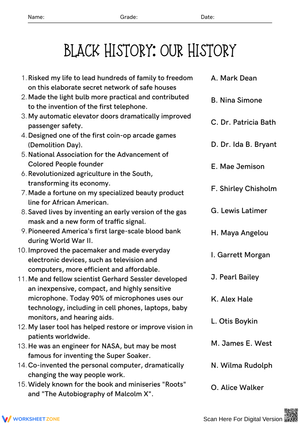
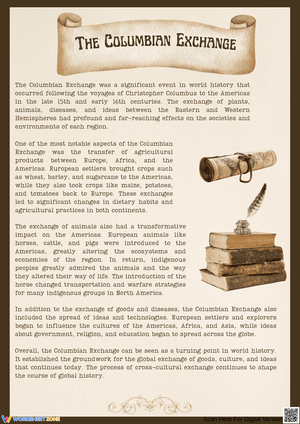
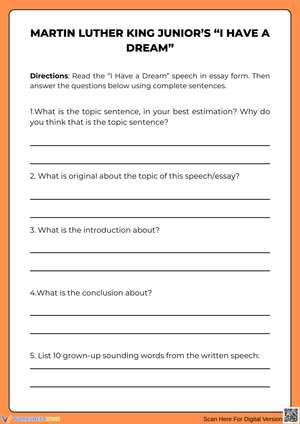
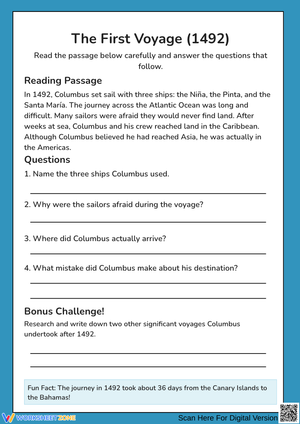
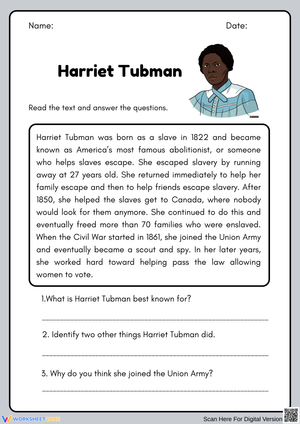
Many social studies worksheets double as reading and writing practice, and that overlap is worth using on purpose. When a worksheet asks students to read a short excerpt from a speech, study a historical photograph, or interpret a chart, they are practicing the same close-reading and evidence skills your literacy block rewards.
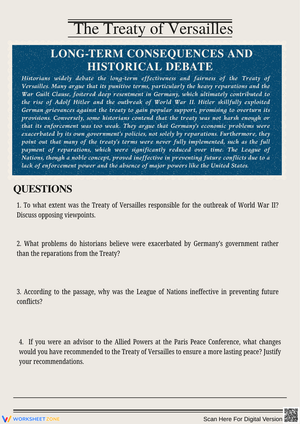
Primary-source tasks are especially useful here. A well-built page gives students a document, a couple of guiding questions, and space to write a short evidence-based response. That structure builds content knowledge and academic writing at the same time, which helps when instructional minutes are tight and social studies has to share time with reading and math.
For English learners and striving readers, pair the document with a word bank, sentence starters, or a labeled visual. The content stays grade-level while the reading load stays reachable. Small supports like these let every student work with the same historical document rather than a watered-down version.
Classroom Implementation
Once you have strong materials, the question is how to slot them into a real week without adding prep. Social studies worksheets are flexible enough to fill several roles, and a few reliable uses stand out:
- Review before assessments. Assign a mixed worksheet covering civics, geography, economics, and history so students revisit an entire unit rather than one lesson.
- Substitute-ready plans. Keep a folder of self-explanatory worksheets with clear directions so any guest teacher can run a productive social studies block.
- Small-group intervention. Use shorter, scaffolded pages to reteach a specific skill—reading a map key, identifying cause and effect—without redoing the whole lesson.
- Formative checks. A quick exit-style worksheet tells you who has the concept and who needs another pass before you move on.
- Stations and centers. Rotate students through short, strand-specific tasks so one worksheet set covers several skills in a single period.
The common thread is intention. When you know why a worksheet is in the lesson—review, reteach, assess, or extend—it earns its place instead of filling time.
Frequently Asked Questions
1. What grade levels do social studies worksheets cover?
Social studies worksheets span the full K-12 range. Primary-grade pages focus on community, rules, and simple maps, while middle and high school sets move into government structures, economic systems, and document-based history. Choose by your state's scope and sequence rather than the printed grade alone.
2. How do social studies worksheets support inquiry skills?
The strongest worksheets walk students from a question, through applying concepts and evaluating sources, to a written conclusion. Look for pages that ask students to explain their reasoning with evidence, not just recall facts, so the task shows genuine thinking you can assess.
3. Which topics do social studies worksheets include?
Most sets draw from four core areas: civics, economics, geography, and history. Many combine strands in a single unit—mapping a region, then examining its government or economy—so you can reinforce connected ideas instead of teaching each subject in isolation.
4. How can teachers use social studies worksheets for review or substitute plans?
Keep a folder of clearly labeled, self-explanatory worksheets. Use mixed-topic pages for pre-assessment review and self-contained ones for sub days, so students stay productive and a guest teacher can run the lesson without extra prep.
5. Do social studies worksheets build literacy skills too?
Yes. Pages built around primary sources, short readings, and evidence-based writing double as reading and writing practice. Adding word banks or sentence starters keeps the content grade-level while making the reading load reachable for English learners and striving readers.