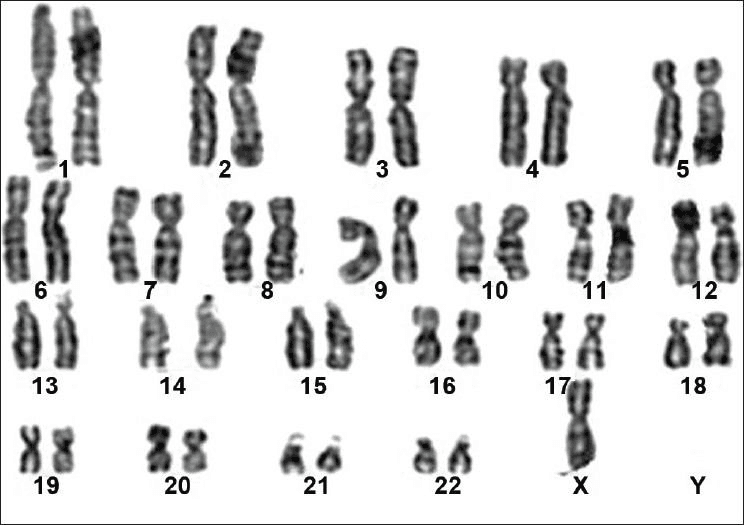
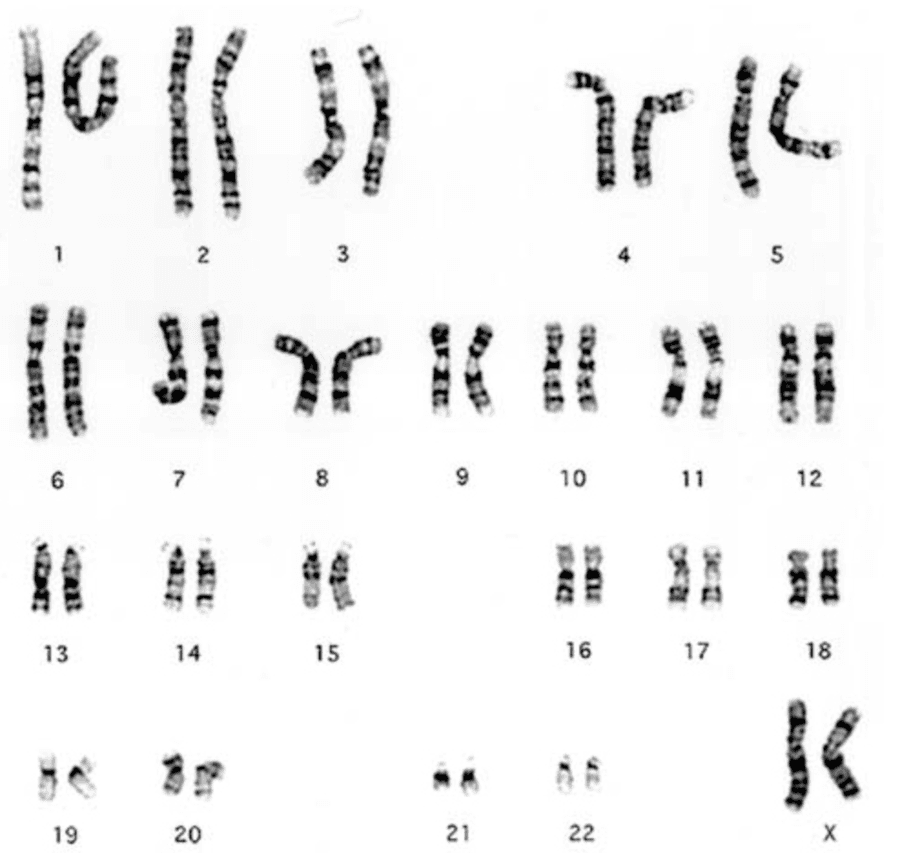
Most karyotype worksheets present students with a scrambled image or cut-out set of chromosomes copied from a single cell. The task is to arrange them by size, centromere position, and banding pattern into 23 matched pairs, then use the completed layout to answer analysis questions. Students typically identify 22 autosome pairs plus one sex chromosome pair, and use that final pair to determine whether the karyotype belongs to a biological male or female.
Why the Cut-and-Sort Format Works for Genetics
Cutting, sorting, and pasting chromosomes turns an abstract concept into a tactile sorting task, which helps kinesthetic learners and students who struggle with dense text-based genetics content. Because the activity has a clear physical end state, a correctly paired karyotype, students get immediate visual feedback on whether their pairing logic was right, without waiting for a teacher to grade written answers. This format also works well as a partner activity, since two students can divide the sorting and cross-check each others matching.
A standard human somatic cell karyotype contains 46 chromosomes total, arranged as 23 homologous pairs: 22 autosome pairs plus one sex chromosome pair. When a worksheet asks students to justify their pairing, the strongest student answers cite two or three matching criteria at once (size, centromere location, and band pattern) rather than relying on size alone, since several chromosome pairs are close in length and only separate cleanly once banding is considered.
Connecting Karyotype Practice to NGSS Genetics Standards
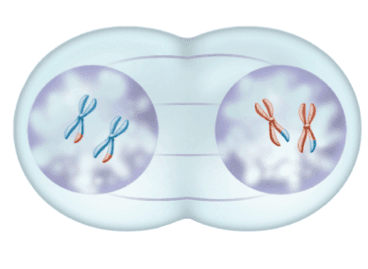
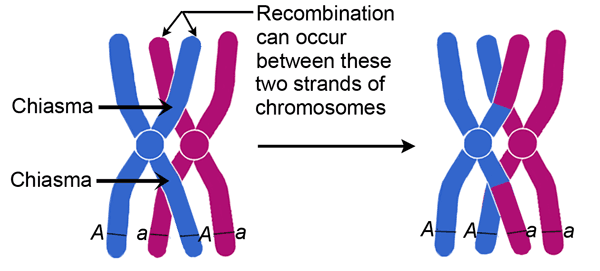
Karyotype activities commonly align with NGSS HS-LS3-1 and HS-LS3-2, which address how genes and chromosomes contribute to variation of traits and how meiosis leads to somatic and reproductive variation. A karyotype worksheet gives students a visual anchor for these standards: instead of only stating that abnormal chromosome numbers can affect traits, students can point to an actual trisomy or monosomy pattern in the image and connect it to the genetic outcome. Pairing this activity with a short written reflection on how nondisjunction produces an extra or missing chromosome strengthens the standards alignment even further.
Common Chromosomal Disorders Featured in Classroom Activities
Karyotype worksheets frequently include sample karyotypes representing well-known chromosomal disorders so students practice applying their pairing skills to diagnostic reasoning. Common examples include Down syndrome, caused by trisomy 21, Edward syndrome, caused by trisomy 18, Turner syndrome, represented as 45,X, and Klinefelter syndrome, represented as 47,XXY. Asking students to identify which pair is affected and describe the deviation from the typical 23-pair pattern reinforces both counting accuracy and the connection between chromosome number and phenotype.
Classroom Implementation
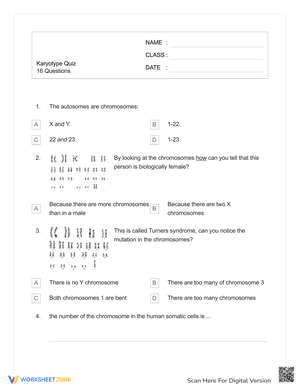
To run a karyotype worksheet as a full-period activity, start with a five-minute review of homologous pairs and centromere position, then distribute the chromosome cut-outs or digital image sets. Give students 20 to 25 minutes to sort and paste, circulating to check pairing logic rather than only the final count. Reserve the last 10 to 15 minutes for the analysis questions, which typically ask students to state the total chromosome count, identify the sex chromosome pair, and note whether the karyotype shows a typical or atypical pattern. For a shorter formative check, a single unlabeled karyotype image with five multiple-choice questions can confirm readiness for a unit test in about 10 minutes.
Frequently Asked Questions
1. What grade level typically uses karyotype worksheets?
Karyotype worksheets are most common in high school biology, generally grades 9 through 12, though some middle school life science classes introduce a simplified version during an intro-level genetics or cell unit.
2. How many chromosome pairs should students identify in a standard karyotype activity?
A typical human somatic cell karyotype includes 23 pairs: 22 autosome pairs and 1 sex chromosome pair, for a total of 46 chromosomes.
3. Which standards do karyotype worksheets support?
These activities commonly support NGSS HS-LS3-1 and HS-LS3-2, which cover variation of traits and the role of meiosis in genetic variation.
4. How can teachers discuss chromosomal disorders sensitively in class?
Frame conditions like Down syndrome, Turner syndrome, and Klinefelter syndrome as examples of natural chromosomal variation and focus the discussion on the biological mechanism, nondisjunction, rather than on outcomes or severity.
5. What materials pair well with a karyotype worksheet in a genetics unit?
A meiosis review worksheet works well right before karyotype sorting, since it reinforces how chromosome number is normally maintained and why nondisjunction produces the abnormal counts students see in disorder-based karyotypes.