Third grade is a turning point in most US elementary schools. Students move from addition and subtraction fluency into multiplication and division, and reading tasks shift from decoding practice toward analyzing story structure and nonfiction text features. Worksheets that worked well in second grade will not stretch students the way this year requires. A strong set of 3rd grade worksheets should track directly to what students are expected to master by June: multiplication and division facts, fractions as numbers, area and perimeter, elapsed time, central message in literature, and main idea in informational text.
For classroom teachers, curriculum leads, and interventionists, the practical question is not whether worksheets have value, but which skills deserve repeated practice time each week. Grade-level pacing calendars move quickly, so worksheets used for review, small-group intervention, or formative checks need to target the specific standard a student is working on rather than general grade-level busywork.
Building a Math Worksheet Rotation for Operations, Place Value, and Fractions
Multiplication and division anchor most of the 3rd grade math year. By the end of 3rd grade, students are expected to fluently multiply and divide within 100 and know all one-digit multiplication products from memory, which means worksheet practice needs to continue as spaced review through the spring rather than stopping after a single fall unit. A rotation that revisits facts weekly, even for five minutes, supports long-term recall better than one concentrated week of drills.
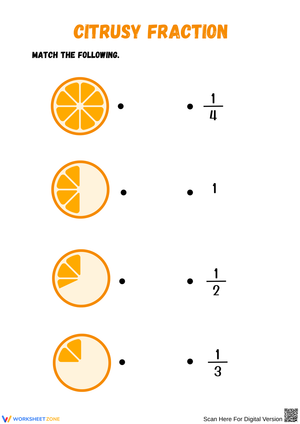
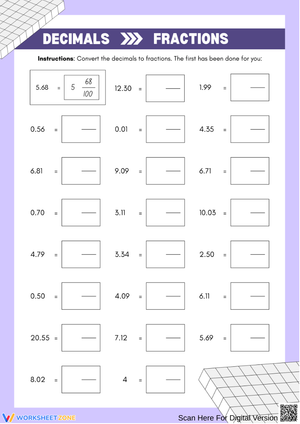
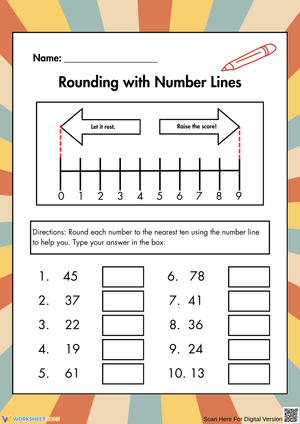
Fractions are also new territory this year. Students learn to think of a fraction as a number on a number line, compare fraction size, and represent whole numbers as fractions. Worksheets that pair a number-line model with a written comparison question help students build the mental image before reasoning abstractly. Mixing a short fraction problem set into the same rotation as fact practice keeps both skills active instead of letting fractions fade while multiplication takes priority.
According to the Common Core State Standards Initiative's Grade 3 Operations and Algebraic Thinking standards, students are expected to represent and solve problems involving multiplication and division, and to fluently multiply and divide within 100 by the end of the year.
Practicing Area, Perimeter, and Elapsed Time
Area and perimeter appear for the first time as formal math content in 3rd grade, and many students confuse the two concepts at first. Worksheets that ask students to find area by counting unit squares before moving to a multiplication formula give a clearer bridge than jumping straight to length times width. Perimeter worksheets that use the same shapes reinforce that area and perimeter answer different questions about one figure.
Telling and writing time to the nearest minute, along with solving elapsed time word problems, benefits from short, frequent worksheet practice rather than a single unit. Clock-reading worksheets paired with elapsed time story problems let students apply the skill in context instead of only reading static clock faces. A five-minute time worksheet at the start of math block, used two or three times a week, keeps the skill fresh for students who do not use analog clocks outside school.
Reading Literature Worksheets for Central Message and Story Structure
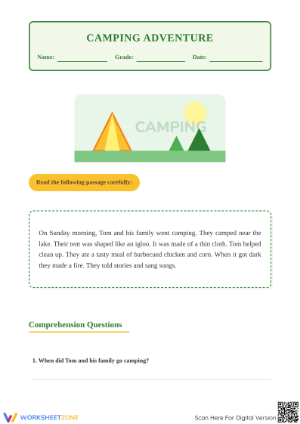
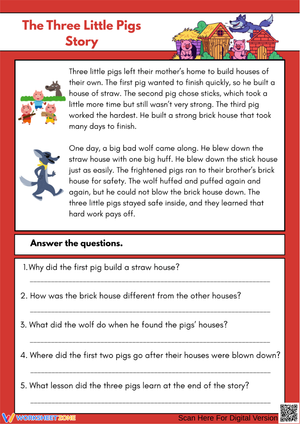
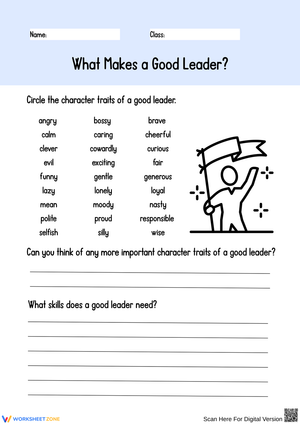
Reading standards in 3rd grade ask students to determine the central message, lesson, or moral of a story and explain how key details in the text convey it. Fables, folktales, and myths are common vehicles for this standard because their morals are usually stated directly or strongly implied, giving students a concrete target before they move to more subtle themes in longer fiction. Worksheets built around a short fable followed by a central-message question, with space to cite two or three supporting details, mirror the actual demand of the standard more closely than a generic comprehension quiz.
Because the standard calls out how the message is conveyed, worksheets should ask students to point to the moment in the story where the lesson becomes clear, not just state the moral in their own words. This distinction matters for students who can identify a moral but struggle to explain textual evidence, often the harder half of the skill.
Informational Text and Foundational Skills Worksheets
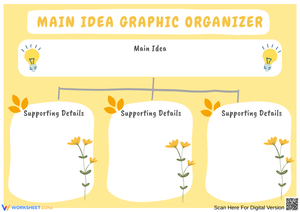
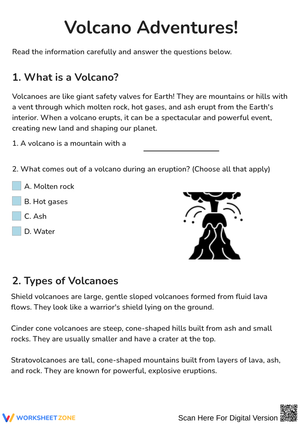
On the nonfiction side, 3rd grade standards require students to determine the main idea of a text, recount the key details that support it, and compare and contrast the most important points across two texts on the same topic. Worksheets that pair two short nonfiction passages on one topic, such as two articles about a habitat or a historical event, give students practice with the comparison skill that a single-passage worksheet cannot provide.
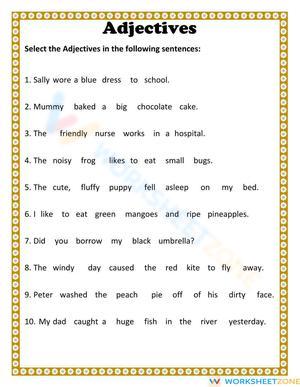
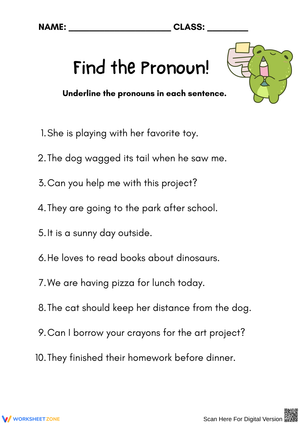
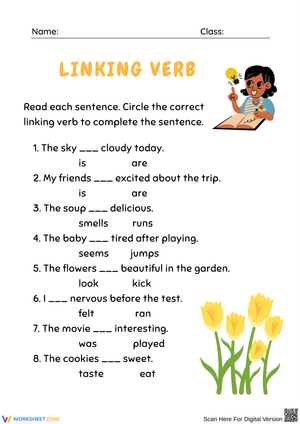
Foundational skills worksheets still matter in 3rd grade, even as the class shifts toward comprehension-heavy work. Students are expected to identify common prefixes and derivational suffixes and to decode multisyllable words, so a short weekly worksheet on word parts supports both reading fluency and the vocabulary demands of grade-level science and social studies texts.
Classroom Implementation
A practical way to organize 3rd grade worksheets is by weekly rotation rather than a random pull from a folder. Pair one multiplication or division worksheet, one fraction or measurement worksheet, one literature worksheet, and one informational text or word-parts worksheet each week, so every core standard family is touched on a repeating cycle instead of disappearing after its initial unit.
For whole-class use, worksheets work well as a warm-up or exit ticket that takes five to ten minutes, keeping the main math or reading block focused on new instruction. For small groups, the same worksheet can become the basis for a guided discussion, with the teacher reading the first item aloud and having students explain their reasoning before finishing the rest independently.
Keep a simple tracking sheet next to the worksheet folder noting which standard each worksheet targets and the date it was used with a group. This makes it easy to see whether area and perimeter or fraction comparison has been neglected for a few weeks, turning worksheet use into an informal progress-monitoring tool rather than a stack of loose papers.
Frequently Asked Questions
1. What subjects and skills should 3rd grade worksheets cover to align with grade-level standards?
They should cover multiplication and division within 100, fractions as numbers, area, perimeter, elapsed time, central message in literature, main idea in informational text, and prefixes, suffixes, and multisyllable decoding.
2. How can teachers use 3rd grade worksheets for intervention versus enrichment?
For intervention, isolate one skill or fact family with visual supports; for enrichment, apply the same skill inside a word problem or a comparison task across two texts.
3. What math skills are new to 3rd grade that need extra worksheet practice?
Multiplication and division fluency, fractions as numbers on a number line, area and perimeter, and telling time to the nearest minute with elapsed time problems are all new this year.
4. How often should 3rd grade worksheets be used for formative assessment versus independent practice?
Use a short worksheet as a formative checkpoint right before a conceptual shift, and reserve longer independent practice sets for skills students have already been introduced to in class.
5. How do 3rd grade reading worksheets support both literature and informational text standards?
Literature worksheets built around fables and folktales target central message and supporting details, while informational text worksheets pair two passages on one topic to build main idea and comparison skills.












 Interactive Worksheet Maker
 Quiz Maker
 Word Search Maker
 Crossword Puzzle Maker
 Word Scramble Generator
 Sentence Scramble Generator
 Handwriting Worksheet Generator
 Name Tracing Generator
 Fill In The Blank Generator