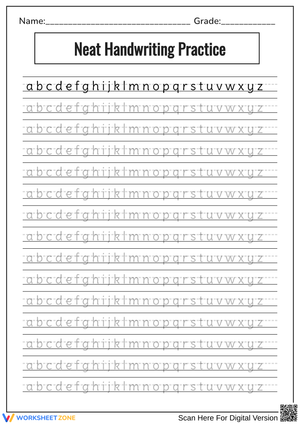
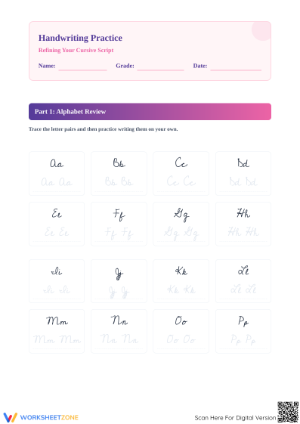
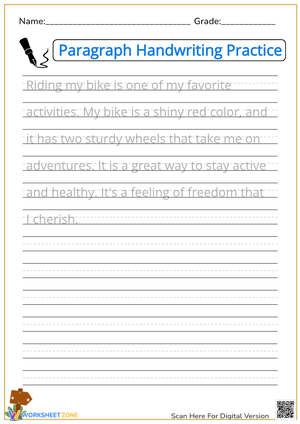
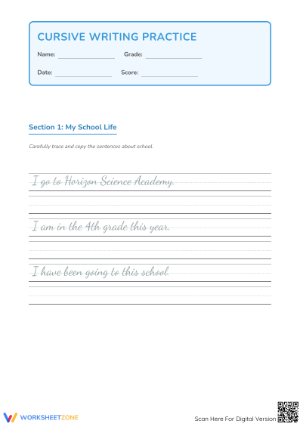
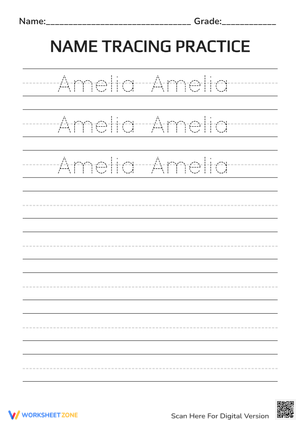
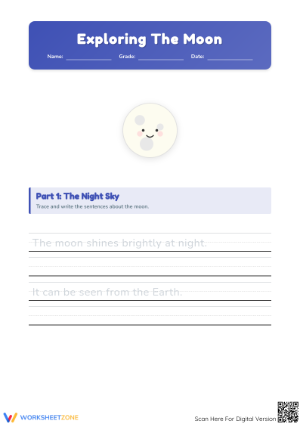
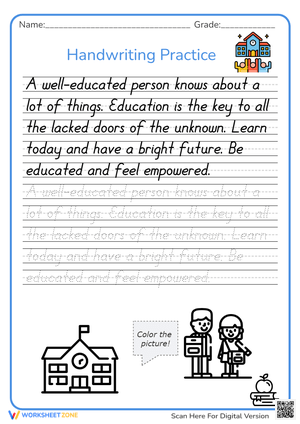
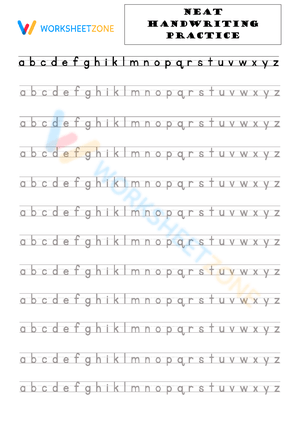
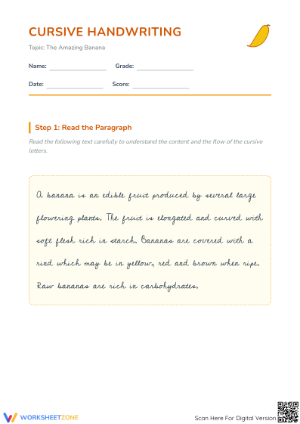
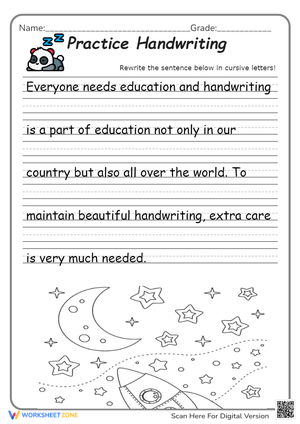
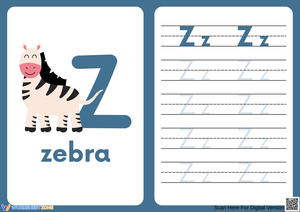
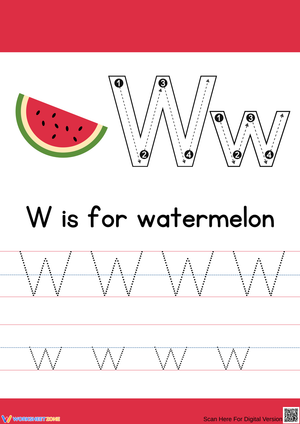
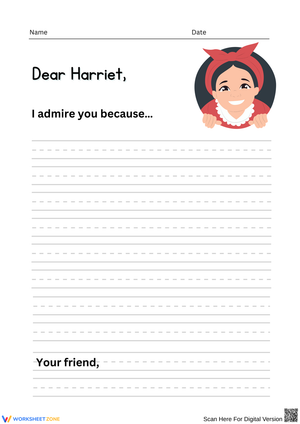
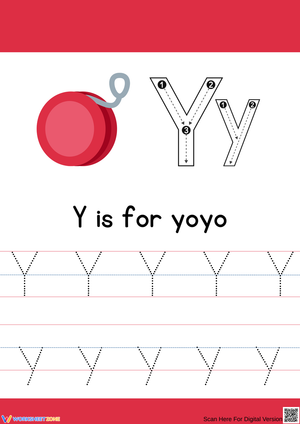
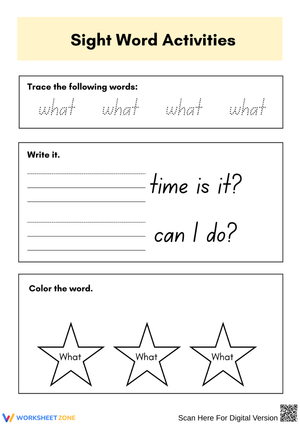
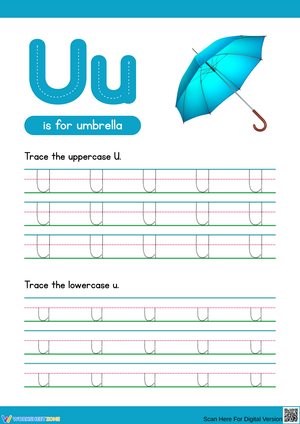
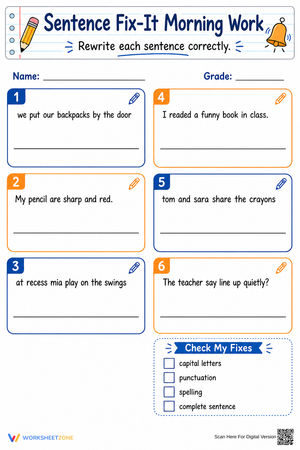
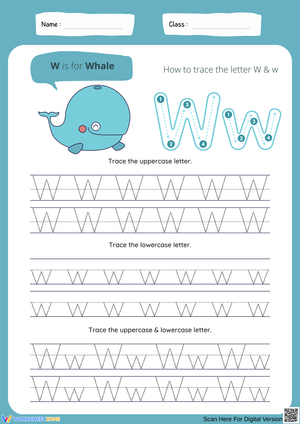
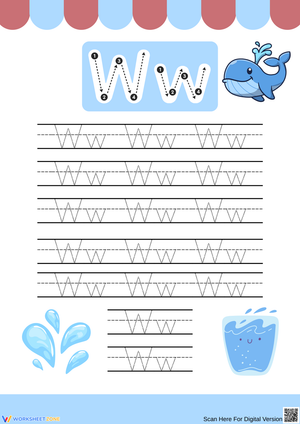
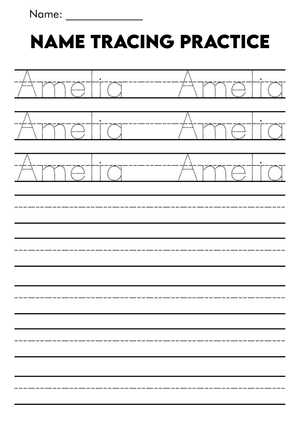
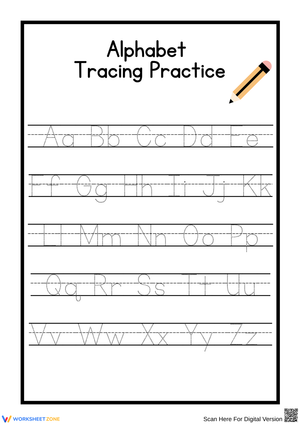
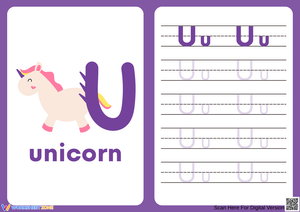
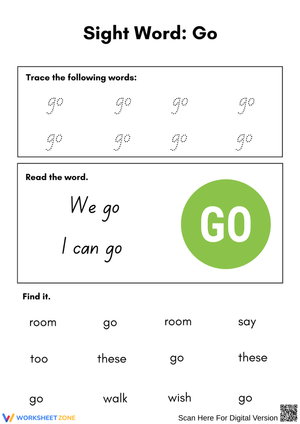
Handwriting worksheets aren't busywork when they're built around correct letter formation and used in short, repeatable blocks. In many elementary classrooms, handwriting instruction gets one hour or less of dedicated time each week, which means every printed practice page has to do real work. A well-designed worksheet gives students a clear model, guided tracing, and independent space to write, so you can see exactly where letter formation breaks down.
The goal isn't neat pages for their own sake. Legible, automatic handwriting frees up working memory so young writers can think about spelling, sentences, and ideas instead of how to shape each letter. When the motor task fades into the background, students write more, revise more, and stay in the flow of composing. That's why handwriting worksheets belong in your literacy rotation, not just in a spare five minutes at the end of the day.
Handwriting Is a Bridge to Reading and Spelling
Handwriting practice pays off well beyond penmanship. According to the Iowa Reading Research Center, kindergarten handwriting instruction is linked to gains in letter name and sound knowledge, spelling, and word reading. When a child forms a letter by hand, they build a motor memory that reinforces how that letter looks and sounds, which supports decoding later. Research comparing handwriting to typing in five-year-olds found that tracing and copying letters by hand builds faster letter recognition than keyboarding does.
That connection changes how you frame worksheet time for families and administrators. Handwriting isn't competing with your reading block; it's feeding it. A student who can write a letter fluently has an easier path to reading and spelling that same letter in a decodable text.
This is also a useful message for skeptical stakeholders. When a parent asks why their second grader is still tracing letters, you can point to the reading and spelling payoff rather than framing it as neatness. Handwriting worksheets earn their place in the schedule because they strengthen the same letter-sound connections your phonics instruction depends on.
Classroom Implementation
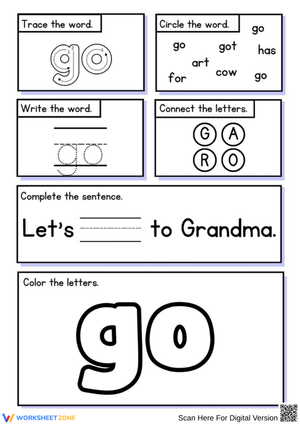
You don't need a 45-minute lesson. Ten to fifteen minutes of focused daily practice fits inside morning work, a literacy station, or the transition after recess. Model one target letter, have students trace and write it, then check three or four papers up close while the rest keep writing. Rotate which students you check so you gather a running read on the whole class across the week.
Keep a small stack of leveled worksheets ready: one for warm-up tracing, one for independent writing, and one challenge page for students who finish early. Store completed pages in a folder so you and families can see growth month to month.
Consistency beats intensity. A predictable routine, same time, same signal, same three-step sequence, means students spend their energy on the writing itself instead of figuring out what to do. Once the routine is automatic, you can layer in copying from the board or writing a short sentence without adding new minutes to the day.
Differentiate for Fine Motor and IEP Support
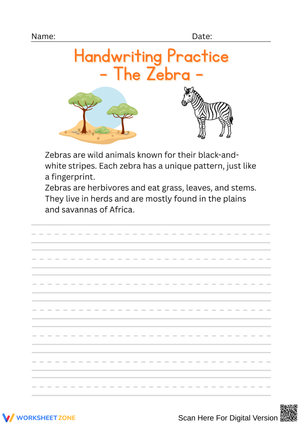
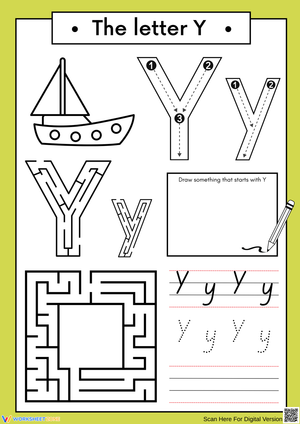
For learners with fine motor delays or IEP and 504 goals, use worksheets with wider lanes, larger letters, and fewer repetitions per line so the task stays achievable. Add a start dot and directional arrows, and pair the page with a pencil grip or slant board when needed. For students who are ready for more, shrink the guide lines and add copying tasks from a model sentence.
A meta-analysis and meta-synthesis of handwriting fluency research from 2000 to 2020, published in PMC, found that structured, explicit practice measurably improves both legibility and writing speed for preschool and elementary students, confirming that deliberate letter-formation work outperforms incidental exposure and casual copying.
Track progress with the same worksheet format over time so you're comparing like with like. A short baseline page in September, repeated every few weeks, shows whether a student's letter size, spacing, and formation are trending in the right direction, which is useful evidence for IEP meetings and progress reports.
Sequence Print and Cursive Across Grade Levels
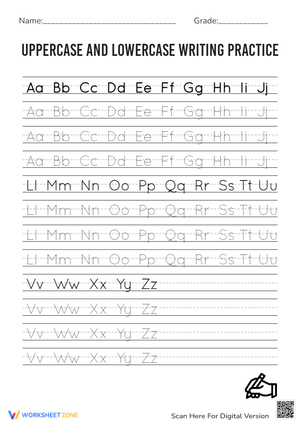
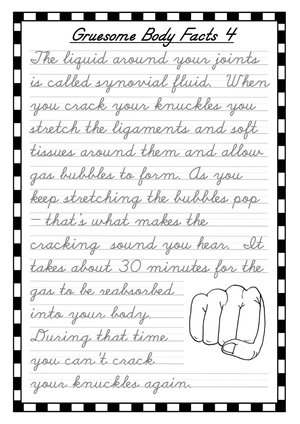
Kindergarten and first grade should anchor on manuscript print: uppercase and lowercase formation, consistent size, and letters that sit on the baseline. Second grade is where many students firm up spacing between words and start writing full sentences from a model. If your school introduces cursive, third grade is a common entry point, and worksheets should sequence connected letters by stroke similarity rather than alphabetically.
Whatever the grade, keep the progression visible. Move students from tracing to guided writing to independent writing on the same letter family before adding the next one, so no one is rushed past a skill they haven't secured. A visible progression also helps substitutes and paraprofessionals pick up exactly where the class left off.
Frequently Asked Questions
1. How much class time should teachers dedicate to handwriting practice per week?
Aim for short daily sessions rather than one long block. Ten to fifteen minutes a day, four or five days a week, builds motor memory better than a single weekly lesson. Many elementary teachers currently spend one hour or less per week on handwriting, so even a modest, consistent daily routine can be a meaningful upgrade for young writers.
2. What grade levels benefit most from structured handwriting worksheets?
Kindergarten through second grade see the biggest gains, since that's when letter formation, size, and spacing are still forming and habits are easy to shape. Older students who reverse letters, write illegibly, or fatigue quickly also benefit from targeted worksheets during intervention or small-group time.
3. Do handwriting worksheets help with reading and spelling, not just penmanship?
Yes. The Iowa Reading Research Center links kindergarten handwriting instruction to gains in letter name and sound knowledge, spelling, and word reading. Forming letters by hand builds the motor memory that supports decoding and spelling, so handwriting practice reinforces your literacy block rather than competing with it.
4. How can teachers use handwriting worksheets to support students with fine motor delays?
Choose pages with wider lanes, larger letters, start dots, and fewer repetitions per line so the task stays achievable. Pair them with pencil grips or a slant board, shorten sessions so students build success before stamina, and check in often to keep frustration low and effort high.












 Interactive Worksheet Maker
 Quiz Maker
 Word Search Maker
 Crossword Puzzle Maker
 Word Scramble Generator
 Sentence Scramble Generator
 Handwriting Worksheet Generator
 Name Tracing Generator
 Fill In The Blank Generator