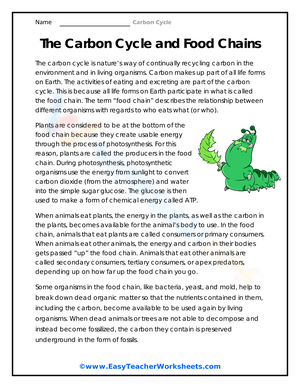
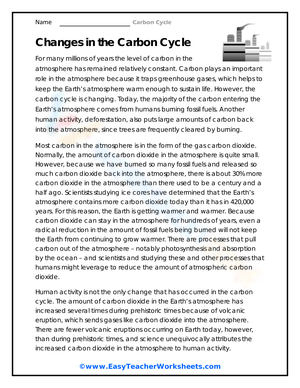
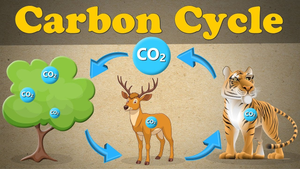
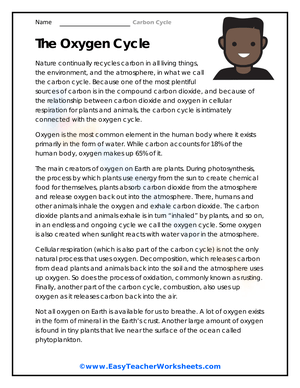
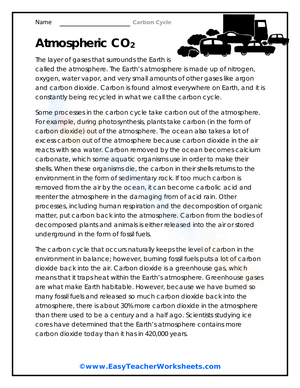
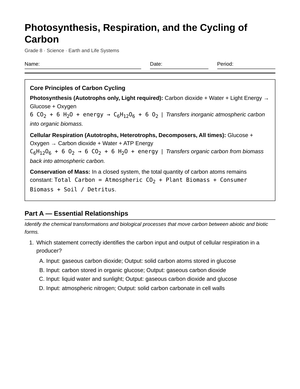
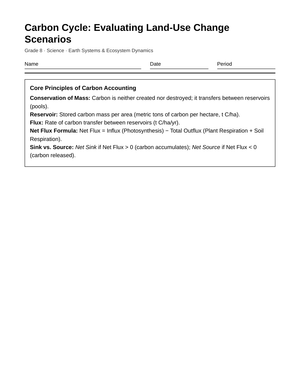
When you plan an ecosystems or Earth systems unit, the carbon cycle is usually the topic that pulls everything else together. Students already know that plants use carbon dioxide and that animals breathe it out, but few can trace carbon through soil, oceans, decomposition, and fossil fuels in one coherent model. Carbon cycle worksheets give you a low-prep way to build that shared vocabulary before students attempt open-ended modeling tasks.
For middle school teachers, this work maps directly onto NGSS standard MS-LS2-3, which asks students to develop a model describing the cycling of matter and flow of energy among living and nonliving parts of an ecosystem. A worksheet sequence that moves from labeling to explaining to modeling gives students the scaffolded practice they need to meet that expectation without skipping straight to an assessment they are not ready for.
What a Strong Carbon Cycle Worksheet Should Cover
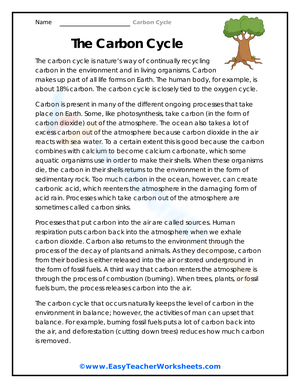
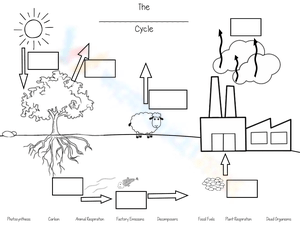
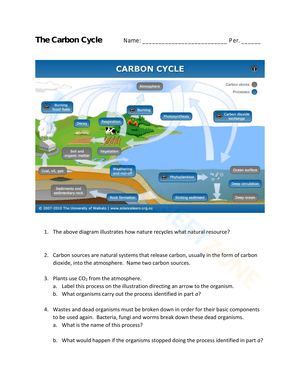
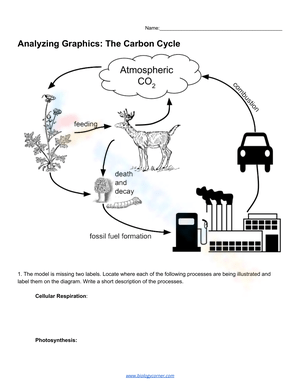
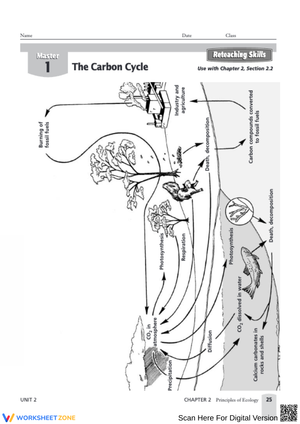
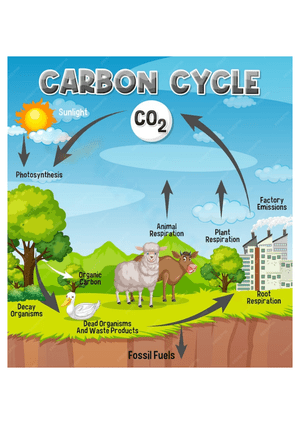
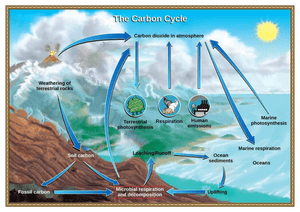
Look for resources that require students to do more than color arrows. A well-built set should ask students to identify the major reservoirs, such as the atmosphere, oceans, soil, and living organisms, and then explain the specific process that moves carbon between each pair, like photosynthesis, respiration, decomposition, and combustion.
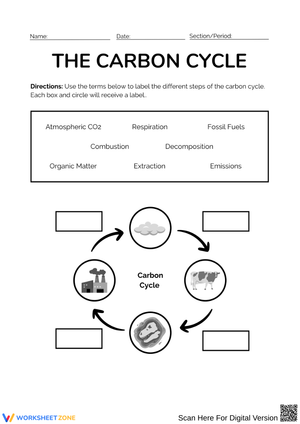
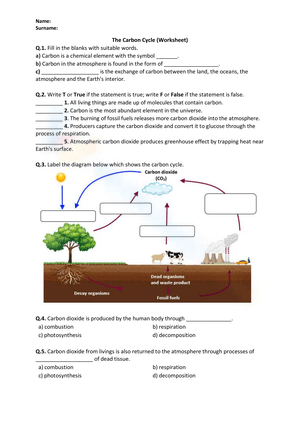
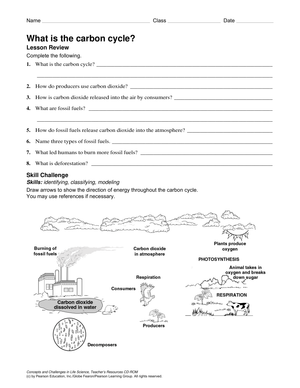
- Diagram-labeling pages that name each reservoir and process arrow
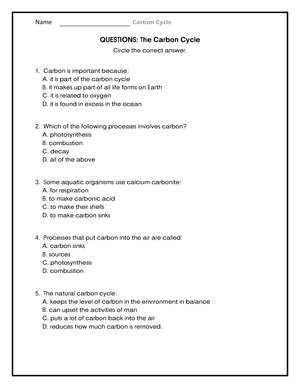
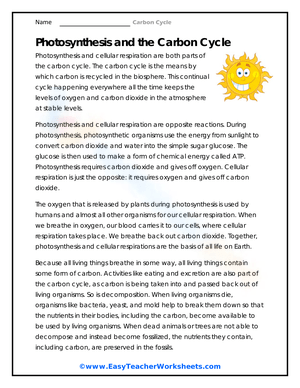
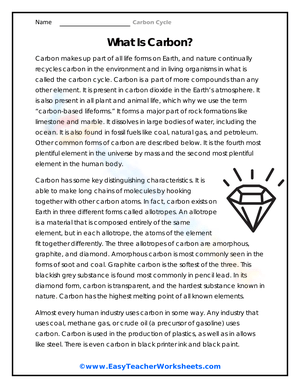
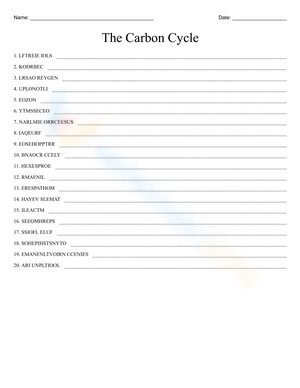
- Fill-in-the-blank passages that use correct vocabulary in context
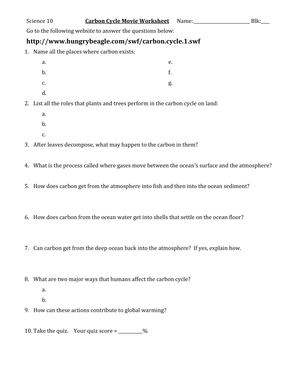
- Short-response prompts asking students to trace one carbon atom through the cycle
- A blank template students can use to build their own model later in the unit
Sequencing worksheets this way keeps the cognitive load manageable. Students are not trying to memorize vocabulary and build an original model in the same class period.
Running a Carbon Cycle Jigsaw With Worksheet Support
A jigsaw structure is a commonly recommended way to build full-process understanding of the carbon cycle without lecturing through every stage yourself. Divide the class into small groups and assign each group one stage, such as photosynthesis and plant storage, ocean absorption, decomposition and soil carbon, or fossil fuel combustion.
Give each group a worksheet focused only on their assigned stage, including a short reading passage, key vocabulary, and a diagram section they must be able to explain to peers. After research time, reshuffle groups so each new group has one expert from every original stage. Students then teach each other using their worksheets as reference notes, and the class reassembles a complete cycle from four or five smaller pieces.
This structure works well because it forces every student to become responsible for one piece of content well enough to teach it, which tends to produce deeper retention than a single whole-class reading.
Connecting Carbon Cycle Worksheets to Current CO2 Data
Static diagrams teach the cycle, but current data makes the stakes visible.
According to NOAAs Global Monitoring Laboratory, global average atmospheric carbon dioxide reached 422.8 parts per million in 2024, the largest single-year increase on record at 3.75 ppm, a trend classroom carbon cycle worksheets can help students connect directly to human fossil fuel emissions.
You can extend this further with the seasonal peak recorded at NOAAs Mauna Loa Observatory, which averaged above 430 ppm for the first time in May 2025. Pairing this figure with a worksheet question like Why does atmospheric CO2 peak in May each year before falling through the summer gives students a chance to reason about plant growth cycles in the Northern Hemisphere rather than just memorizing a number.
Using recent data alongside a worksheet also opens a natural bridge into a climate change unit, since the disciplinary core ideas behind MS-LS2-3 explicitly connect human activity, rising atmospheric CO2, and downstream ecosystem effects.
Teacher Tips
A few practical habits make carbon cycle worksheets more effective in a real classroom schedule.
- Use a diagram-labeling worksheet as bell work before introducing new vocabulary aloud
- Save one open-ended modeling worksheet for the end of the unit as a summative check
- Pair worksheets with physical movement, such as a classroom carbon atom simulation, so kinesthetic learners get a second entry point into the same content
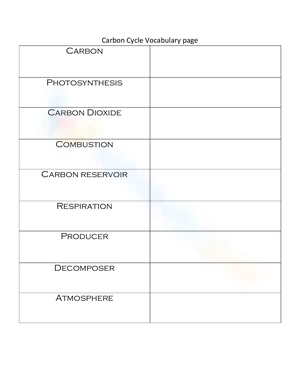
- Keep a running word wall built from worksheet vocabulary so students see the same terms across several days
- Revisit an early worksheet near the end of the unit and ask students to correct anything they would now change, which doubles as a quick growth check
These small structural choices tend to matter more than finding a perfect single worksheet, since retention comes from repeated, varied practice with the same core vocabulary.
Frequently Asked Questions
1. What grade levels are carbon cycle worksheets appropriate for
Carbon cycle worksheets work from upper elementary through high school. Elementary versions should focus on the basic stages, while middle and high school versions can add feedback loops, reservoir comparisons, and human impact data.
2. How do carbon cycle worksheets align with NGSS ecosystem standards
Middle school worksheet sequences typically build toward MS-LS2-3, which requires students to model the cycling of matter and flow of energy among living and nonliving parts of an ecosystem. Diagram labeling and short-response worksheets prepare students for that modeling task.
3. How can teachers use carbon cycle worksheets alongside a jigsaw or group activity
Assign each small group a single stage of the cycle with its own worksheet, then regroup so every new group includes one expert from each original stage. Students teach each other using their worksheets as reference notes.
4. What is the best way to introduce rising CO2 data using these worksheets
Add a short data-reading section to an existing worksheet that asks students to interpret the 2024 global average of 422.8 parts per million or the 2025 seasonal peak above 430 ppm, then connect that figure to a cause students already understand, such as fossil fuel combustion.
5. How should teachers assess student understanding after completing a carbon cycle worksheet
Use an early diagram-labeling worksheet as a formative check, then finish the unit with an open-ended modeling task where students build their own carbon cycle diagram from memory and explain each process in their own words.