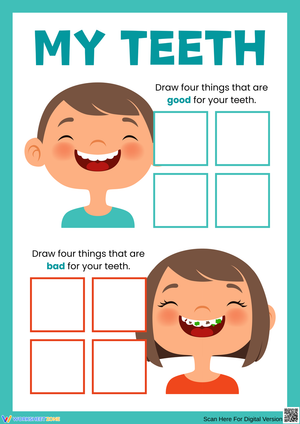
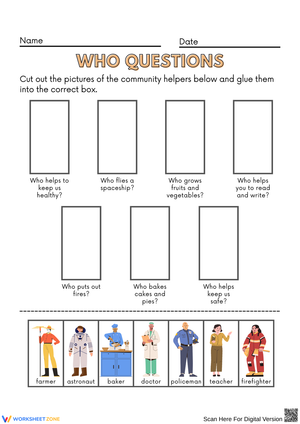
A first grade classroom moves through math, phonics, reading comprehension, writing, and often science or social studies content in a single day. Teachers searching for Grade 1 Worksheets are rarely looking for a single-subject packet. They need a library that can supply a quick counting drill before math workshop, a phonics page during a literacy center rotation, and a short writing prompt to close out the afternoon. Building that kind of collection means organizing sheets by subject and skill first, then by standard, so the resource stays useful across the whole school day rather than one narrow slice of it.
Building Number Sense and Place Value Through Targeted Practice Sheets
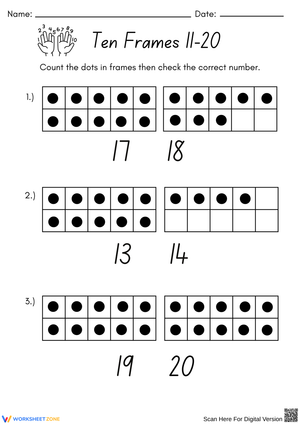
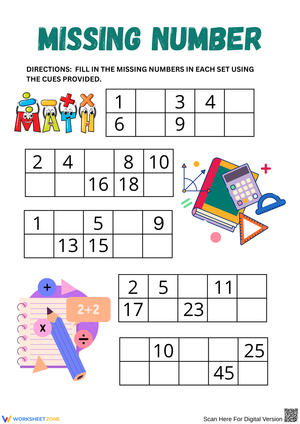
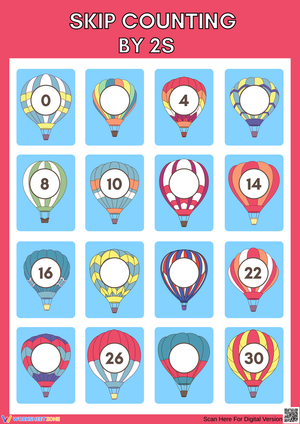
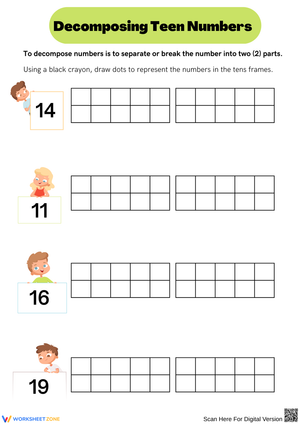
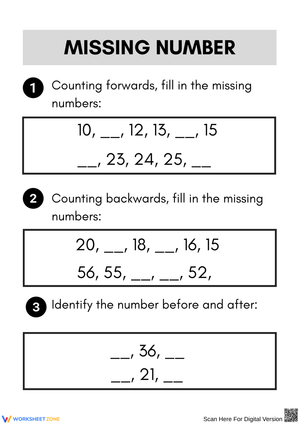
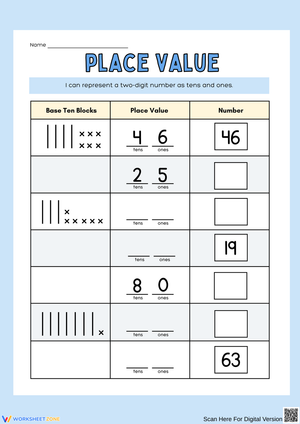
Early in first grade, most students are still solidifying how numbers work past 20. Worksheets that ask students to count forward from a given number, fill in missing numbers on a chart, or group objects into tens and ones give teachers a fast way to see who has that understanding and who does not.
Grade 1 math expectations include counting to 120 starting at any number less than 120, and reading and writing the numerals that go with that range. A worksheet set that practices starting points other than 1, such as counting on from 47 or 83, catches gaps that a simple 1-to-100 chart drill would miss, because students who have only memorized a fixed sequence often stumble when the starting point changes.
Strengthening Addition and Subtraction Fluency Within 10 and 20
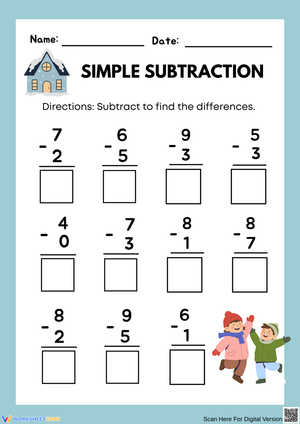
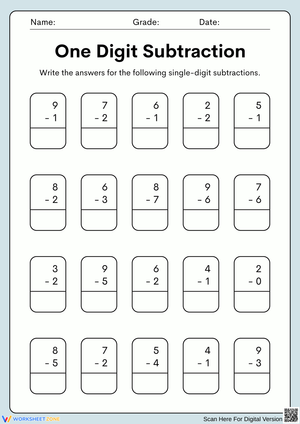
Fluency work is where a lot of first grade worksheet time goes, and for good reason. Students are expected to add and subtract within 10 with automaticity and to solve word problems involving addition and subtraction within 20. Worksheets that mix bare number facts with short word problems help students practice both the mechanical skill and the reasoning needed to decide which operation a story problem calls for.
According to the Common Core State Standards Initiative, Grade 1 math includes solving word problems that call for addition of three whole numbers whose sum is less than or equal to 20, using objects, drawings, and equations with a symbol for the unknown number (Grade 1, Operations and Algebraic Thinking, thecorestandards.org). That expectation is a useful anchor for choosing worksheet difficulty: sheets should regularly include three-addend problems, not just two-addend ones, once students are ready.
Layering Phonics and Early Literacy Worksheets Into the Daily Schedule
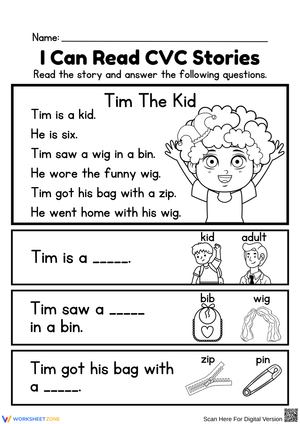
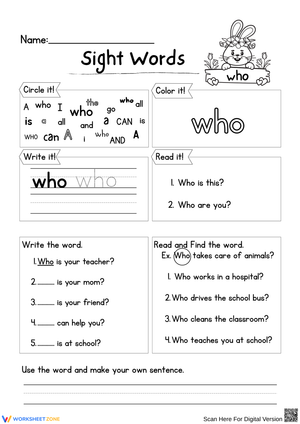
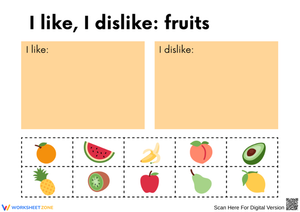
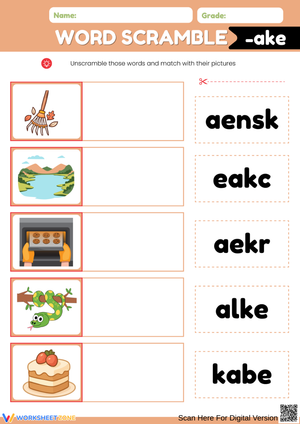
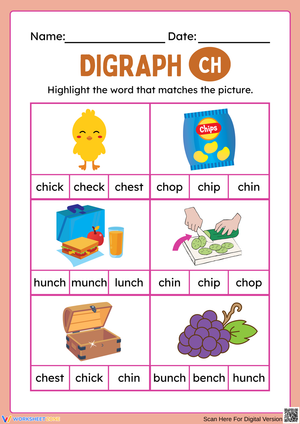
While the math side of a Grade 1 worksheet library tends to map cleanly onto strands like counting and place value, the literacy side covers a wider range: letter-sound review, blending short vowel words, sight word practice, and simple sentence writing. These worksheets are not aligned to the same math standards referenced above; they belong to a separate literacy scope and should be filed and searched separately so teachers are not hunting through math-labeled folders for a phonics page.
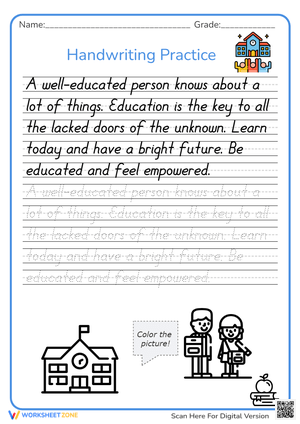
A strong first grade literacy rotation often pairs a short decodable passage with a worksheet that asks students to circle the words that follow a specific phonics pattern, then write one sentence using a word from the list. That combination keeps decoding practice connected to actual sentence-level reading rather than isolated drills.
Classroom Implementation
In practice, most first grade teachers rotate worksheets across three uses: a warm-up at the start of math block, a center activity during small-group rotations, and a quick check before moving to a new unit. Keeping that rotation predictable helps students know what to expect and reduces the time spent explaining directions.
- Use a single skill-focused worksheet as the opening warm-up, tied to the previous day's lesson.
- Rotate a mixed-review sheet into centers so students revisit older skills while the teacher works with a small group.
- Give a short, ungraded check-in sheet before starting a new unit to see who needs a pre-teach.
- Pair one literacy worksheet with one math worksheet each day rather than stacking several of the same subject.
This kind of rotation keeps worksheet use purposeful. It also makes it easier to spot, over a couple of weeks, which students consistently struggle with the same type of problem, since the pattern shows up across several quick checks instead of one isolated bad day.
Organizing Your Worksheet Library by Strand and Subject
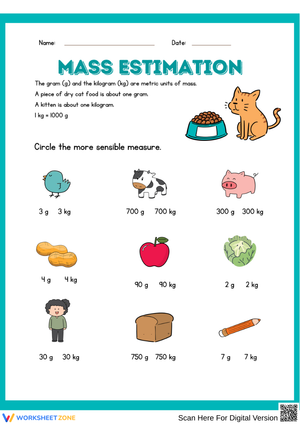
Because first grade instruction covers several distinct areas, from counting and place value to measurement, geometry, and separately, phonics and writing, a worksheet library is most useful when it is sorted by strand first and grade level second. A folder structure built around Operations and Algebraic Thinking, Number and Operations in Base Ten, Measurement and Data, and Geometry on the math side, with a parallel structure for phonics, sight words, and writing on the literacy side, lets a teacher find the exact type of sheet needed in seconds.
Labeling each worksheet with the specific skill it targets, rather than a vague grade-level tag, also makes it far easier to build a week of differentiated practice for a class where students are working at several different levels at once.
Frequently Asked Questions
1. What skills should Grade 1 math worksheets cover to align with Common Core expectations?
They should cover counting to 120 from any starting point, addition and subtraction fluency within 10, word problems within 20, and early place value work with tens and ones, matching the strands described by the Common Core State Standards Initiative for Grade 1 math.
2. How many worksheets per week are appropriate for first grade practice?
Most classrooms do well with a short daily math worksheet and a short daily literacy worksheet rather than long packets, since first graders have limited independent stamina and shorter, focused sheets are easier to use as accurate progress checks.
3. How can teachers use Grade 1 worksheets for both whole-class instruction and small-group intervention?
The same skill-focused worksheet can serve as a whole-class warm-up and, later, as a targeted intervention sheet for the small group of students who still need more practice on that specific skill.
4. What is the difference between counting worksheets and word-problem worksheets in Grade 1?
Counting and number-sense worksheets check whether students understand sequence, place value, and numeral writing, while word-problem worksheets check whether students can apply addition and subtraction reasoning to a short story context.
5. How should teachers use worksheet results to plan next steps?
A quick review of common errors across a stack of worksheets points directly to the next small-group focus, whether that is re-teaching a specific fact family, reviewing place value, or slowing down on a phonics pattern before moving forward.












 Interactive Worksheet Maker
 Quiz Maker
 Word Search Maker
 Crossword Puzzle Maker
 Word Scramble Generator
 Sentence Scramble Generator
 Handwriting Worksheet Generator
 Name Tracing Generator
 Fill In The Blank Generator