What Photosynthesis Worksheets Actually Teach
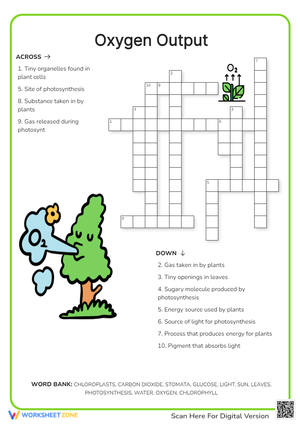
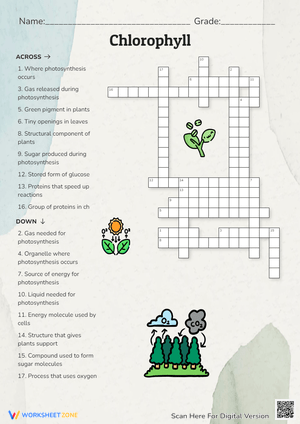
Photosynthesis is one of the first big energy-and-matter ideas your students meet in life science, and it's also one of the easiest to memorize without really understanding. A strong set of photosynthesis worksheets does more than ask kids to fill in carbon dioxide and oxygen on a diagram. It builds the vocabulary, the input-output logic, and the reasoning students need before they model energy flow or move into cellular respiration. Whether you teach a fifth-grade class or a high school biology block, the right worksheet meets students where they are and nudges them one step further. This guide walks through how to pick, sequence, and use these pages so they carry real instructional weight instead of filling time.
Match the Worksheet to the Grade Band
The single most useful move is choosing worksheets that match the depth your standards expect. Photosynthesis shows up across the grade bands, but the thinking shifts sharply as students get older.
- Elementary (grade 5): Focus on plant needs. Worksheets should help students argue that plants get materials for growth mostly from air and water, not from soil.
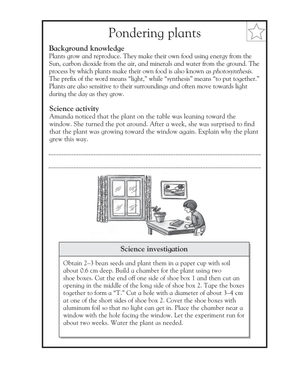
- Middle school (grades 6-8): Shift to matter and energy. Students should trace how photosynthesis rearranges molecules and moves energy to support growth.
- High school (grades 9-12): Move to models. Worksheets should support illustrating how light energy becomes stored chemical energy.
Handing a grade-5 class a worksheet built for high school modeling usually backfires, and so does giving eighth graders a coloring page when they're expected to explain chemical change. Read the standard first, then pick the page. That one habit keeps your worksheet choices aligned with what students are actually accountable for on assessments.
Front-Load Vocabulary With Labeling Diagrams
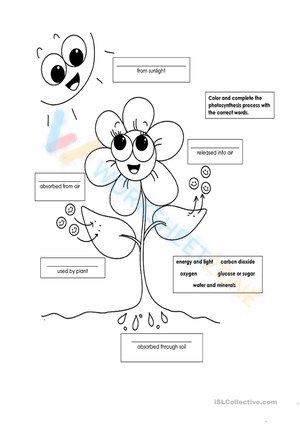
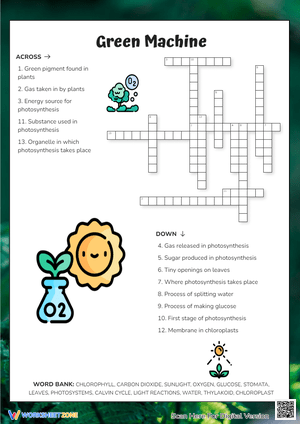
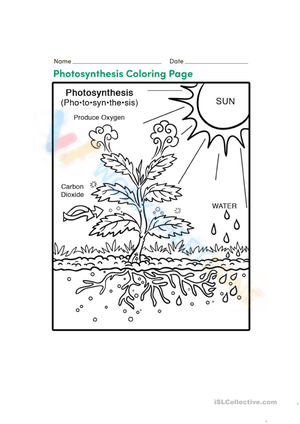
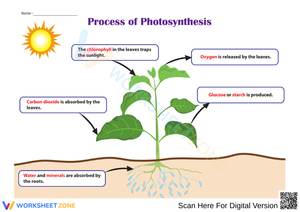
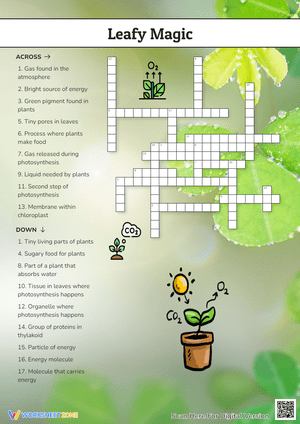
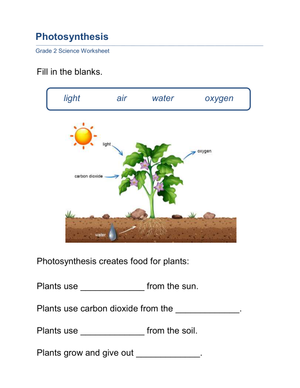
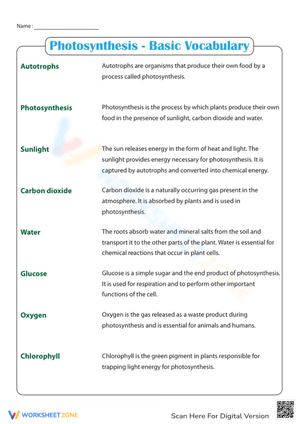
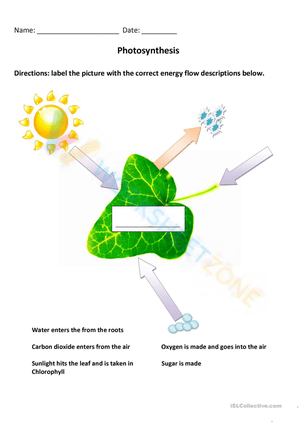
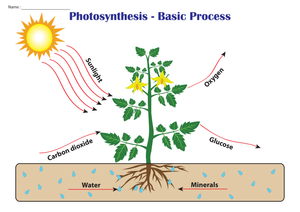
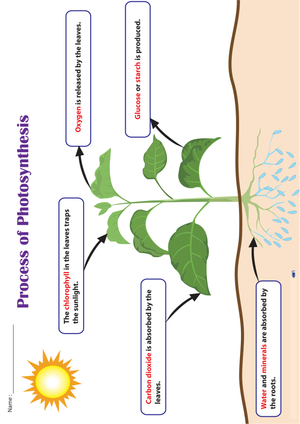
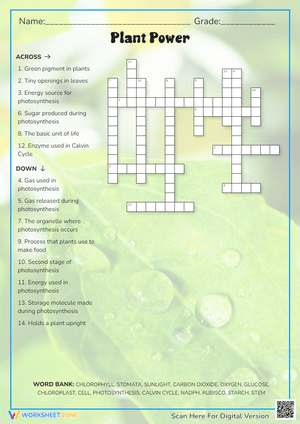
Before students can explain photosynthesis, they need the words for its parts. Diagram-labeling worksheets are the fastest way to front-load that vocabulary. Ask students to label the chloroplast, stomata, sunlight, carbon dioxide, water, glucose, and oxygen on a single plant or leaf diagram. Seven terms on one page gives you a compact reference students can return to all unit long.
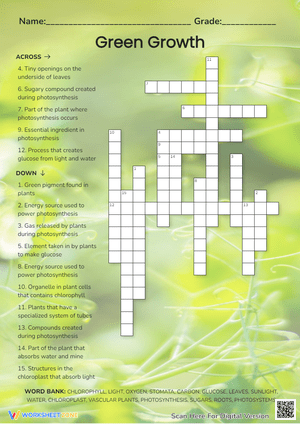
Labeling tasks also double as quick review. Blank a diagram at the start of class as a warm-up, or use it as an exit ticket to see who still confuses inputs with outputs. Pair the labels with a short word bank for scaffolding, then remove the bank later in the unit to raise the challenge. For English learners and students reading below grade level, a labeled reference sheet kept in a folder pays off every time the vocabulary resurfaces.
Sequence the Inputs and Outputs
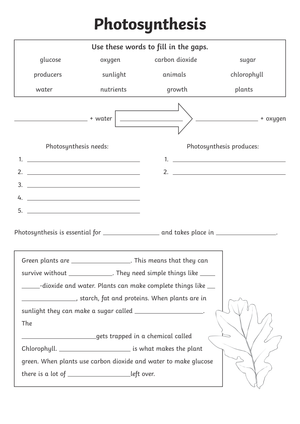
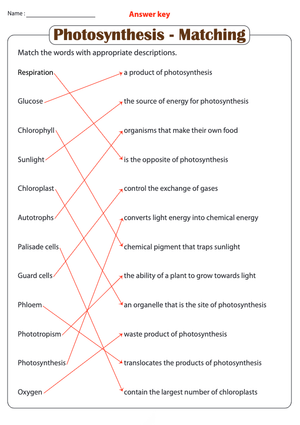
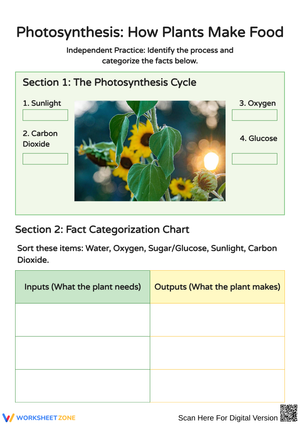
Once vocabulary is in place, sequencing worksheets help students see photosynthesis as a process, not a list. Have them order the steps from sunlight striking the leaf to glucose being produced, and ask them to sort the three inputs, light, water, and carbon dioxide, from the two outputs, glucose and oxygen. This input-output framing is the scaffold that carries students into the matter-and-energy standards.
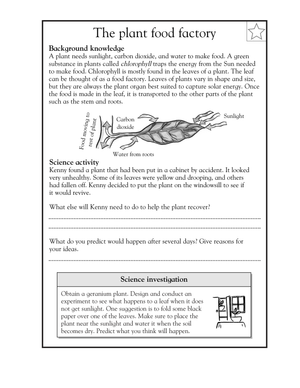
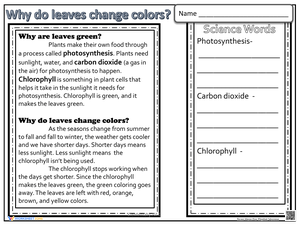
Here's the pattern that trips up most classes: students can recite the equation but still can't explain where a tree's added mass comes from. Because carbon dioxide is invisible, learners default to soil as the source of plant food. A sequencing worksheet that explicitly tags carbon dioxide as an input and glucose as the stored product turns that abstract gas into a traceable ingredient, which is exactly the reasoning that middle school standards ask students to construct. This direct naming of carbon dioxide as food-building material, rather than vague references to air, shifts how students think about plant growth at a fundamental level.
Classroom Implementation
Worksheets earn their place when they sit inside a clear routine instead of a stack of busywork. A simple three-day arc works well. On day one, run a labeling diagram to build vocabulary and surface prior knowledge. On day two, use a sequencing worksheet so students order inputs and outputs and start explaining the process in their own words. On day three, move to a short application or modeling page where students connect photosynthesis to the energy stored in food.
For small-group intervention, pull the labeling and sequencing pages back out. Students who struggle with cellular respiration later often never locked in the photosynthesis inputs and outputs, so a ten-minute review with a familiar worksheet closes that gap without reteaching the whole unit. Keep a folder of blank and word-bank versions so you can dial difficulty up or down for each group, and let students self-check against a completed key to build independence.
Frequently Asked Questions
1. What grade level typically covers photosynthesis worksheets?
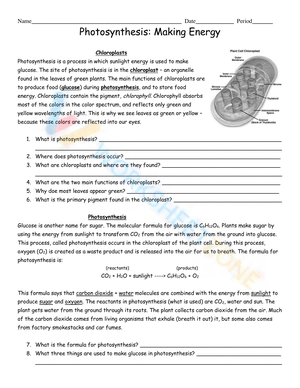
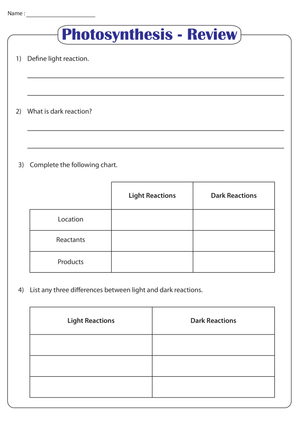
Photosynthesis appears as early as grade 5, where students argue that plants get growth materials from air and water. It deepens in grades 6-8 around matter and energy, and reaches modeling of stored chemical energy in grades 9-12. Worksheets exist for every band.
2. How do elementary and middle school photosynthesis worksheets differ?
Elementary worksheets center on plant needs and simple inputs like sunlight and water. Middle school worksheets push students to trace how matter and energy move and rearrange during the process, asking for explanations rather than labels alone. The vocabulary overlaps, but the reasoning demand rises.
3. What misconceptions do photosynthesis worksheets help correct?
The most common is that plants get their food from soil. Well-built worksheets make carbon dioxide and light visible as inputs and glucose as the stored product, which counters that idea. They also fix mix-ups between oxygen and carbon dioxide and clarify that plants both make and use energy.
4. How can teachers use photosynthesis worksheets for formative assessment?
Use a short labeling diagram or input-output sort as a warm-up or exit ticket. Scan for the soil misconception and reversed gases, then group students by what you see. This gives you quick, low-stakes data to guide small-group intervention before moving into a lab or a cellular respiration unit.