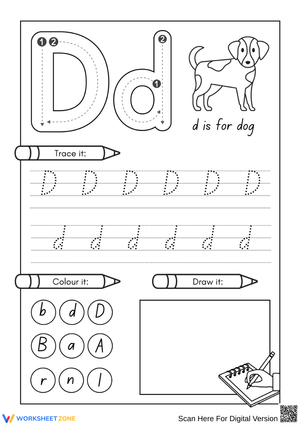
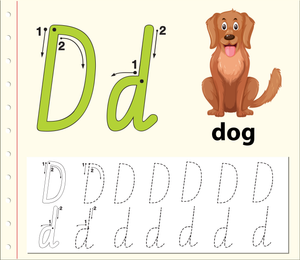
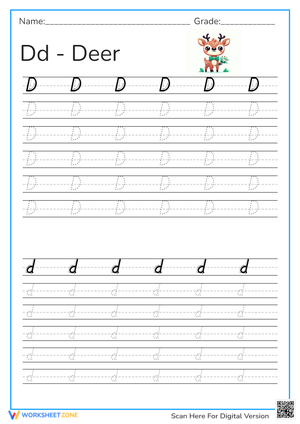
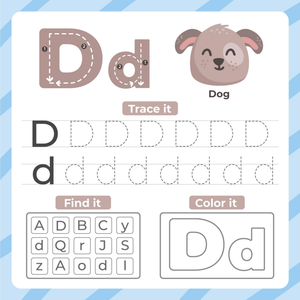
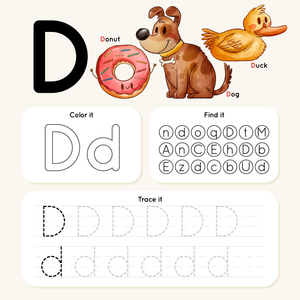
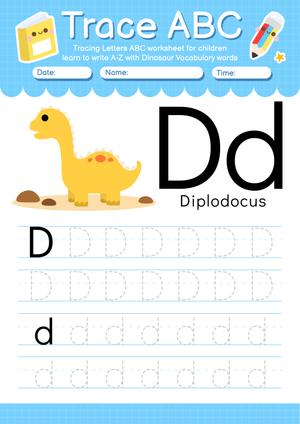
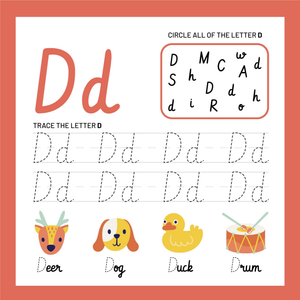
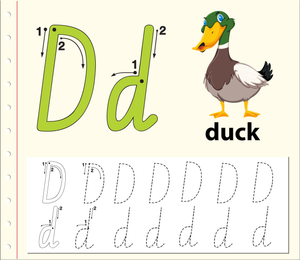
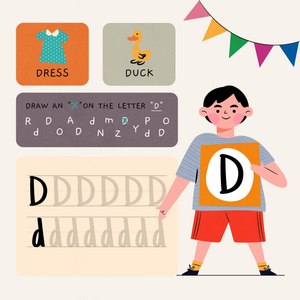
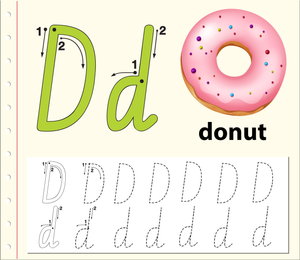
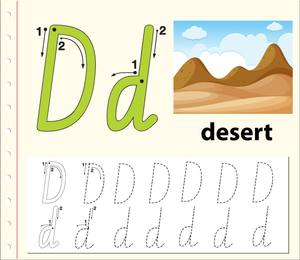
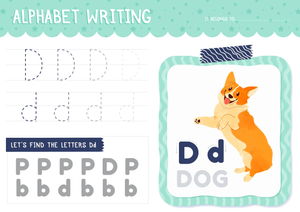
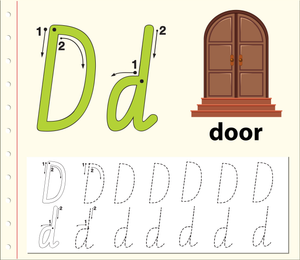
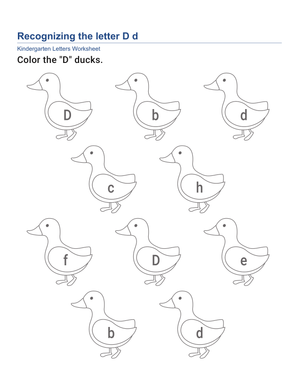
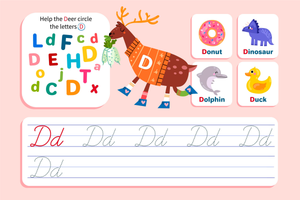
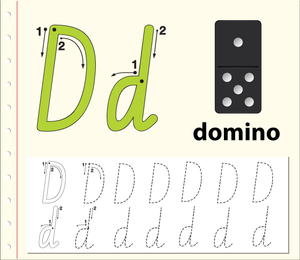
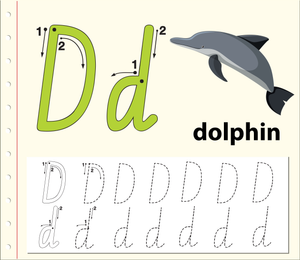
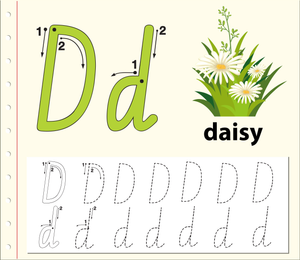
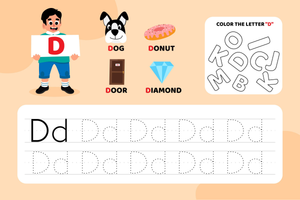
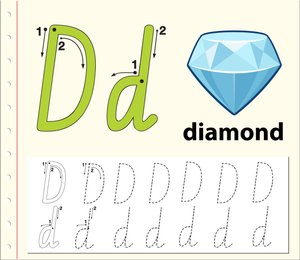
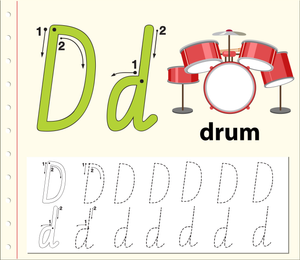
Kindergarten teachers know that letter D can trip up early writers more than it looks like it should. The straight line, the curve, and the switch between uppercase and lowercase all ask young hands to coordinate several motions at once. Letter D handwriting worksheets for kindergarten give teachers a repeatable way to isolate that formation, watch for reversals, and build the muscle memory that carries into independent writing later in the year.
These pages work best when they are not just busywork slipped into a folder. When a teacher treats a letter D worksheet as the anchor for a short, deliberate practice block, students get the repetition they need without losing engagement. That means pairing the printed page with verbal instruction, a model on the board, and a chance to talk about words that start with D.
Sequencing Instruction Before Independent Tracing
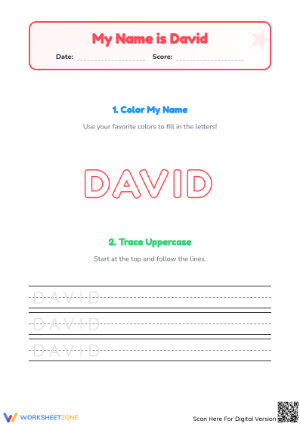
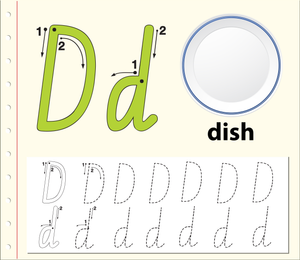
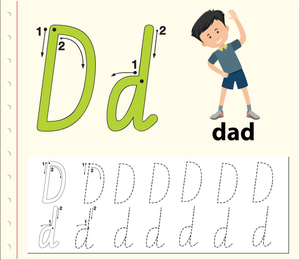
Handing a student a blank letter D worksheet without instruction skips the most important step. Kindergarten teachers get better results when they narrate the stroke order out loud first: start at the top, pull the straight line down, then curve out and back to meet it. Saying the motion while modeling it on chart paper or a whiteboard gives students a verbal anchor they can repeat quietly to themselves while tracing.
Once the whole group has watched and echoed the stroke language, move to guided tracing on the worksheet with the teacher circulating. Only after a few guided reps should students move to the independent boxes on the page. This sequence, verbal cue first, guided practice second, independent tracing last, keeps the worksheet from being the sole teacher and instead makes it the practice tool it is meant to be.
Building Uppercase and Lowercase D Together
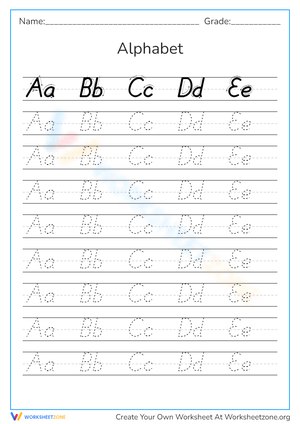
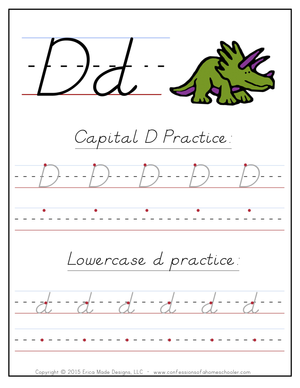
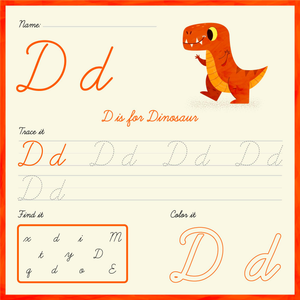
One common issue kindergarten teachers see is students treating uppercase D and lowercase d as unrelated shapes, which can lead to mixing them up in later writing. Worksheets that place the uppercase and lowercase forms side by side, tracing them in the same session, help students notice the relationship: same curve, different height and starting point.
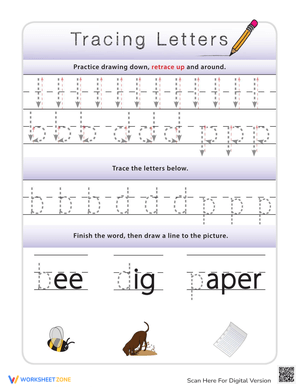
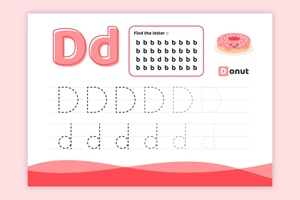
When students practice both forms together rather than uppercase one week and lowercase weeks later, they build a mental model of letter D as one flexible symbol rather than two disconnected shapes. This also reduces the classic reversal error where a student writes b instead of d, since the side-by-side practice draws attention to which direction the curve faces.
Classroom Implementation
Getting the most out of letter D worksheets comes down to a few practical habits. Keep each practice session short, five to eight minutes is often enough for kindergarten attention spans. Model the stroke out loud every single time, even after students seem to know it, since the verbal cue keeps reinforcing correct habits. Watch pencil grip as closely as letter shape, since an awkward grip will undercut clean formation no matter how good the worksheet is.
For students who are struggling, add a multisensory step before the worksheet: tracing a large letter D in a sand tray, writing it in the air with a finger, or forming it out of playdough. These extra steps take a minute or two but often make the printed tracing page click for a student who was stuck. Keep a few finished worksheets in a portfolio so families and specialists can see growth over the semester rather than relying on memory alone.
A national handwriting resource notes that between 30 and 60 percent of elementary classroom time involves fine motor or writing activities, with writing consistently ranking as the most frequent task observed across early grades, according to the Zaner-Bloser handwriting research summary cited by early childhood educators. That range underscores why efficient, well-sequenced letter practice matters for classroom time management.
Frequently Asked Questions
1. How should kindergarten teachers introduce letter D formation for the first time?
Start with a verbal stroke-by-stroke description while modeling the letter on a large surface, then move to guided tracing with the teacher present before letting students try the worksheet independently.
2. How many practice sessions are typically needed before a kindergartner forms letter D independently?
Most students need several short sessions across a week or two, with progress varying by fine motor readiness, so plan for repeated exposure rather than a single lesson.
3. What common reversal or formation errors happen with letter D and how can worksheets help correct them?
Students often confuse the direction of the curve, leading to b and d mix-ups; worksheets that place uppercase and lowercase D side by side and use consistent starting-point arrows help reduce this error.
4. How can letter D worksheets be used for quick formative assessment during a lesson?
Teachers can circulate during independent tracing and note stroke order, curve closure, and consistency, using a simple tally system to flag students who need another guided round.
5. How do letter D worksheets fit into a broader kindergarten handwriting curriculum?
They serve as one letter-specific step within a sequence that moves from fine motor warm-ups to guided tracing to independent practice, eventually connecting to phonics and simple word writing.