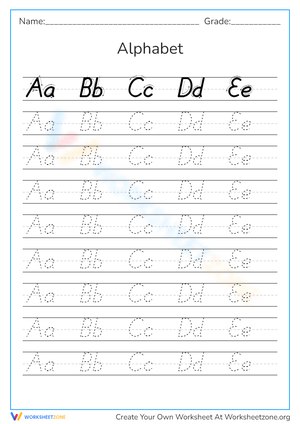
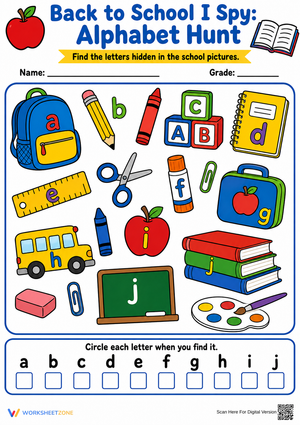
By the end of kindergarten, students are expected to recognize and name every upper- and lowercase letter and to print many of them without a model. That's a lot of ground for one school year, and it's why alphabet worksheets for kindergarten stay in heavy rotation from the first week of school through spring conferences. A strong worksheet set gives you a structured way to move a five-year-old from 'I've seen that letter somewhere' to 'I can name it, hear its sound, and write it on my own.'
Worksheets aren't the entire reading block, but they make explicit letter practice repeatable and easy to target. When you're teaching 26 letters, each with an uppercase and a lowercase form, you need practice that's systematic rather than random. Printable pages let you control the sequence, zero in on the letters a specific group still confuses, and send home extra repetitions for the students who need more at-bats before a skill sticks. Because the pages stay consistent from letter to letter, students learn the format once and then spend their energy on the letters themselves rather than on figuring out what to do.
Two kindergarten standards, two different skills
Teachers sometimes treat 'knowing the alphabet' as one goal, but the Common Core splits it into two distinct expectations. RF.K.1.d asks kindergartners to recognize and name all upper- and lowercase letters, a reading and identification skill. L.K.1.a asks them to print many upper- and lowercase letters, a production and fine-motor skill. A child can ace a letter-naming flash card and still freeze when asked to form that same letter with a pencil.
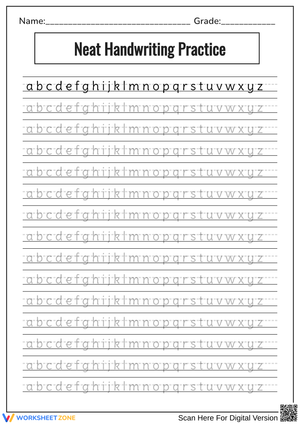
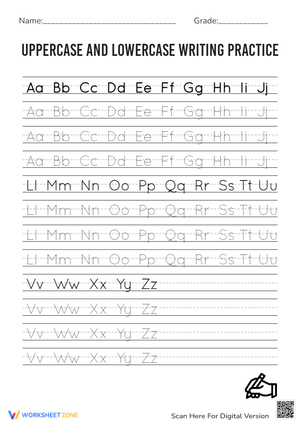
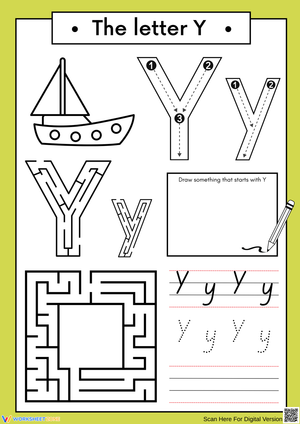
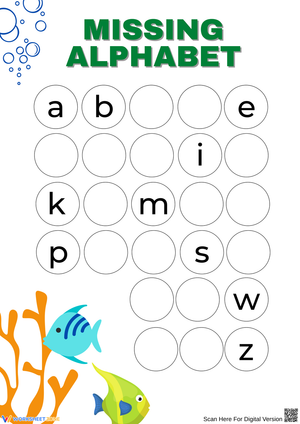
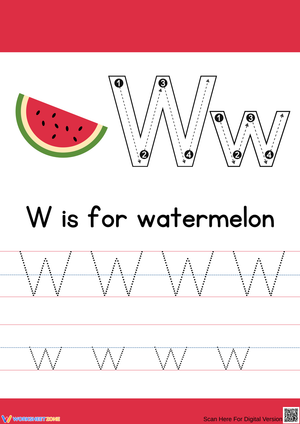
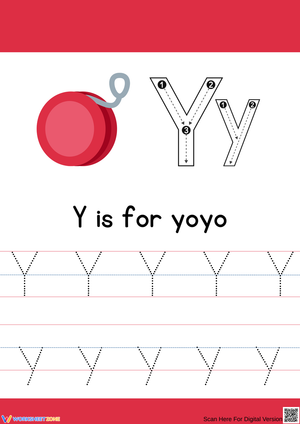
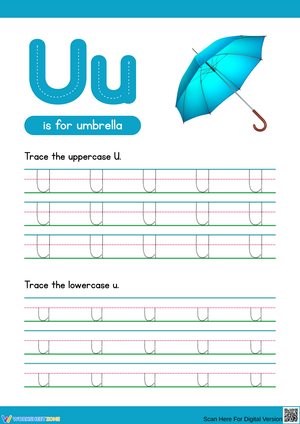
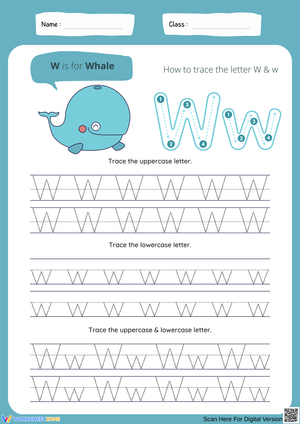
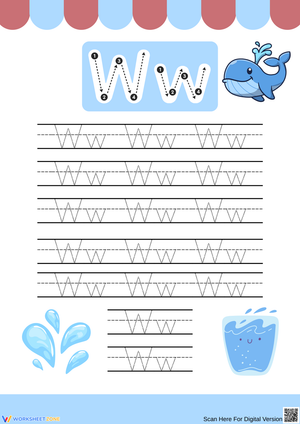
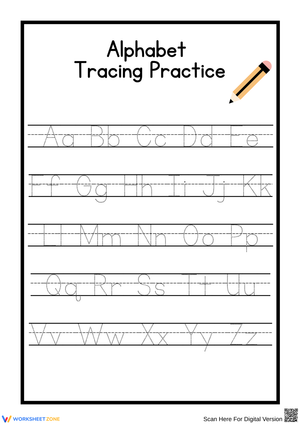
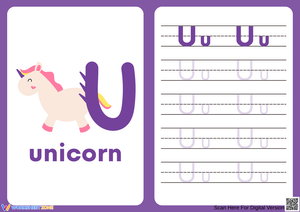
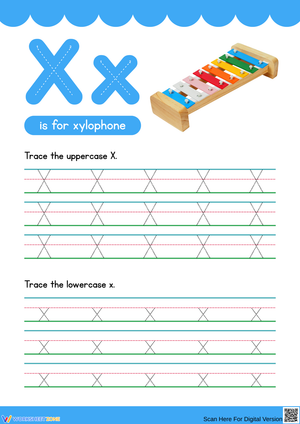
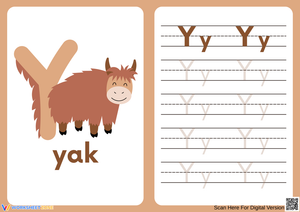
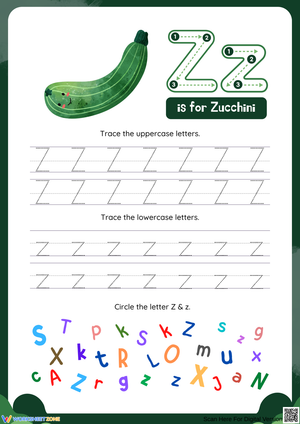
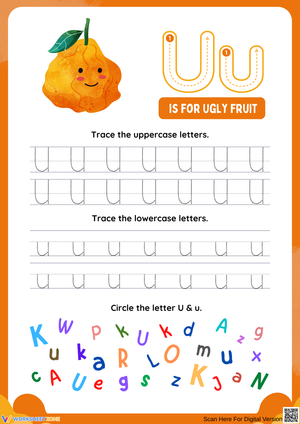
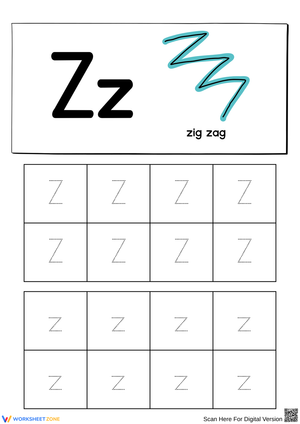
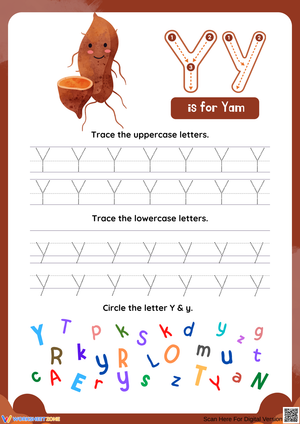
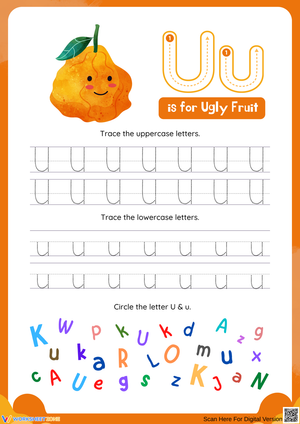
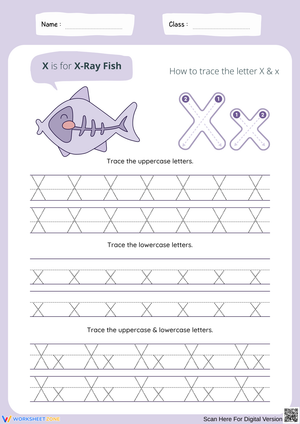
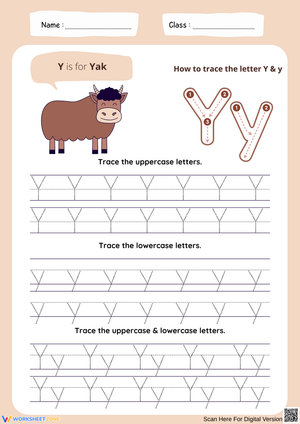
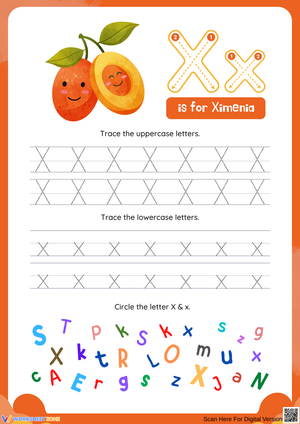
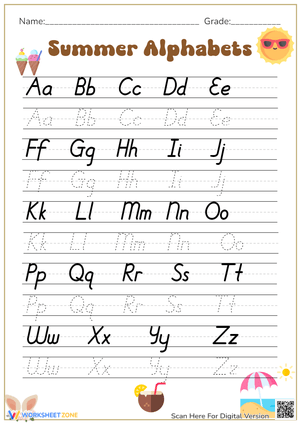
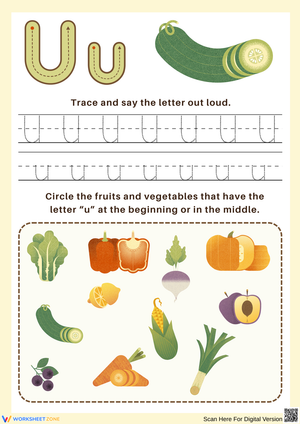
That gap shapes how you should choose worksheets. Letter-recognition pages lean on circling, matching, and sorting uppercase to lowercase. Printing pages lean on tracing, guided strokes, and independent formation. The strongest alphabet packs pair the two so students connect the letter they see with the letter they write, and they often introduce the uppercase and lowercase form of a letter together instead of teaching all 26 shapes in isolation. Knowing which skill a page targets keeps you from assigning more recognition practice to a student whose real gap is formation.
Sequencing practice from tracing to independent writing
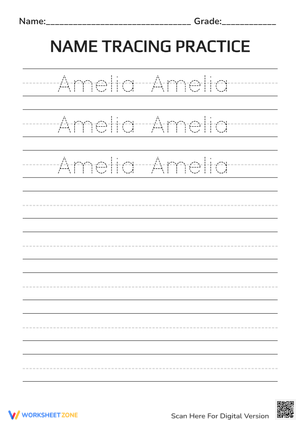
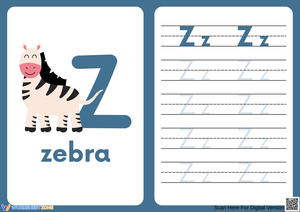
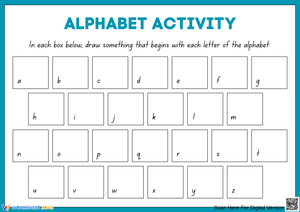
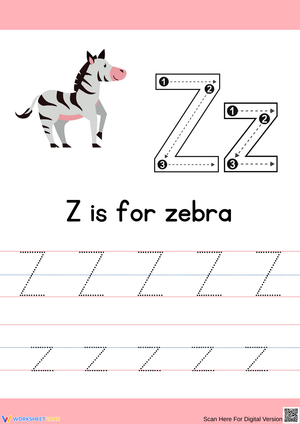
Effective alphabet instruction is explicit, systematic, and frequent. A worksheet sequence that mirrors that research usually moves through four stages: name the letter, link it to its sound, trace it with directional cues, then write it independently in an empty box. Pairing uppercase and lowercase forms as you go keeps the two versions of each letter connected instead of taught weeks or months apart. Skipping straight to the empty box before a student can trace confidently usually produces reversals and frustration, so protect the tracing stage for anyone who still needs it.
A meta-analysis of early literacy interventions, Developing Early Literacy Skills hosted on PMC, found that explicit alphabet instruction produces moderate-to-large effects on both letter-name and letter-sound knowledge for preschool and kindergarten learners, clear evidence that structured letter practice pays off well beyond neat handwriting.
Classroom Implementation
Fit alphabet worksheets into the routines you already run:
- Morning work: one tracing-and-writing page as students unpack sets a calm, independent start and buys you a few minutes for attendance.
- Literacy centers: a recognition sort at one station and a formation page at another let students hit both standards on a single rotation.
- Small group: reserve teacher-led time for the students flagged by your letter checks, using guided tracing before independent boxes.
- Take-home practice: send the current letter pair home so families can reinforce the exact letters you taught that day.
Differentiate by where students sit on the alphabet continuum. Early-year kindergartners often need heavy tracing and uppercase-first practice, while by spring many are ready for independent lowercase writing and simple word-building with the letters they already own. It's the same skill on a different rung of the ladder.
Keep sessions short and frequent rather than long and occasional. Five focused minutes of letter formation on most days beats one long handwriting block a week, especially given the fine-motor stamina a kindergartner is still building this year. Post the letter of the day where students can see it, and reuse the same formation language, like 'top, down, around,' across morning work, centers, and small group so the verbal cues transfer.
Frequently Asked Questions
1. What is the difference between letter recognition and letter printing standards?
Recognition (RF.K.1.d) is naming upper- and lowercase letters when you see them. Printing (L.K.1.a) is forming those letters with a pencil. They develop on different timelines, so a student can often name more letters than they can currently write.
2. How many letters should a kindergartner know by the end of the year?
The Common Core expectation is all 26 letters in both upper- and lowercase, naming them for recognition and printing many of them independently. Most curricula check progress toward that full-alphabet goal several times across the year.
3. How often should teachers use alphabet worksheets for handwriting?
Short, frequent practice wins. Aim for a few minutes on most days rather than one long weekly block, and raise the frequency for students who need to close letter-formation gaps.
4. Can alphabet worksheets help students who are behind in letter-name knowledge?
Yes. Targeted tracing-and-writing routines have helped at-risk kindergartners close gaps in fine-motor and pre-writing skills, and handwriting practice also strengthens letter-name and letter-sound knowledge, not just penmanship.
5. What worksheet formats support both uppercase and lowercase mastery?
Look for pages that pair each uppercase letter with its lowercase partner, matching and sorting for recognition plus directional tracing and independent boxes for formation, so students connect both forms of every letter.