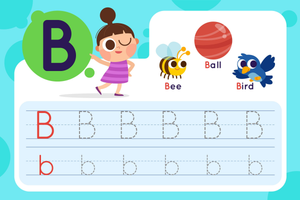
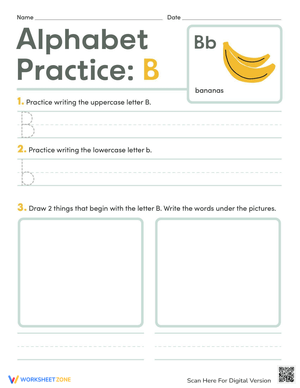
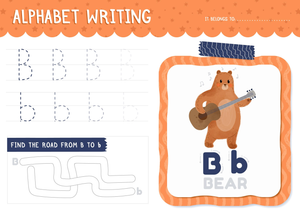
Letter B often shows up early in an alphabet sequence because it pairs a distinctive shape with a single, consistent sound. That combination makes it a good anchor point for building confidence during whole-group alphabet time. When you introduce uppercase B and lowercase b together, you give students a clear visual target and a predictable sound to practice, which matters most for kindergartners who are just starting to connect print to speech.
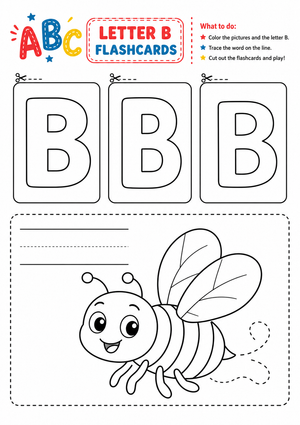
Letter B worksheets for kindergarten work best when they are not treated as a single isolated activity. Instead, plan a short sequence: recognition first, then formation, then sound isolation. This mirrors how young children actually build alphabet knowledge, moving from simply spotting the letter to producing it correctly and finally linking it to spoken language.
Step One: Building Letter B Recognition
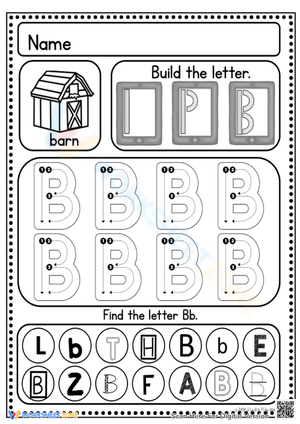
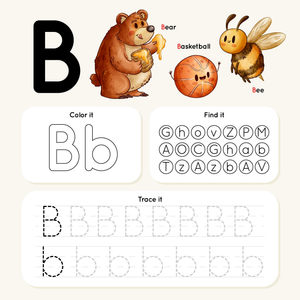
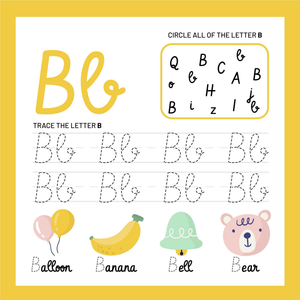
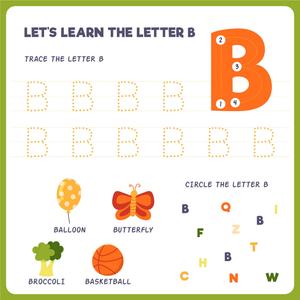
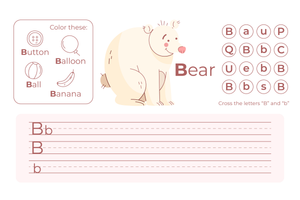
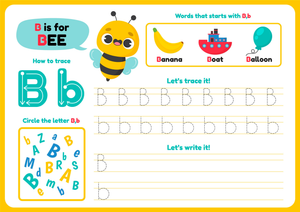
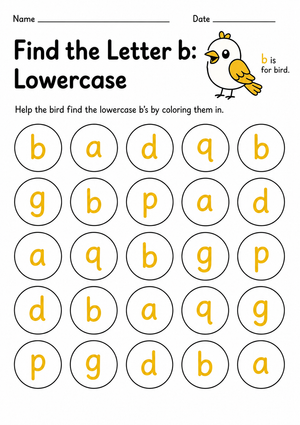
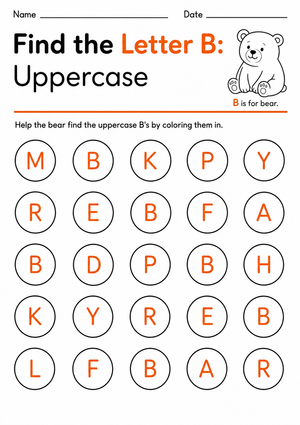
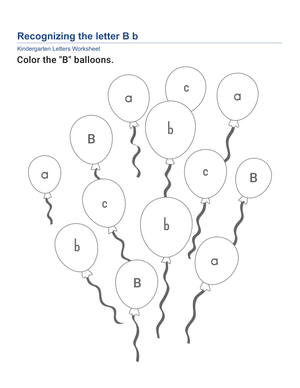
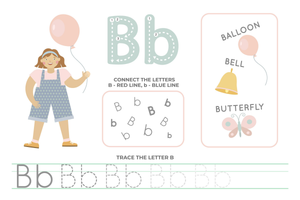
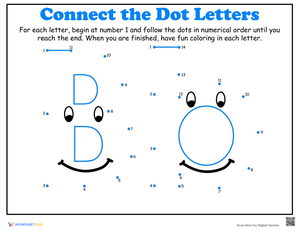
Recognition worksheets ask students to find, circle, or color the letter B among a field of similar shapes. According to Letter Recognition Milestones by Age, letter-name knowledge in kindergarten predicts later reading achievement more strongly than nearly any other early literacy skill, with effects still visible in comprehension scores well into elementary school reading assessments. Before you move to formation practice, confirm students can visually distinguish B from letters with similar curves, like D or P.
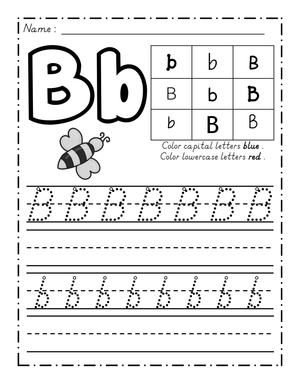
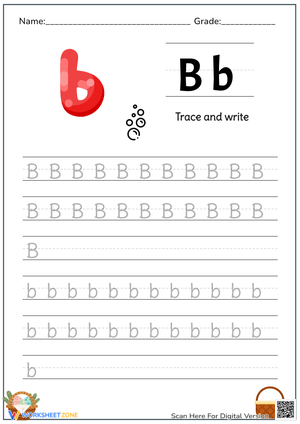
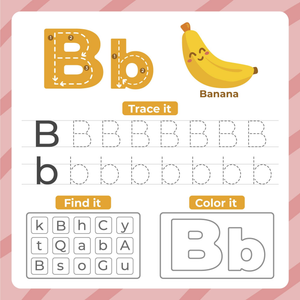
By age 4, roughly 60% of children already know more than half of their uppercase letters, but only about 5 to 10 lowercase letters. That gap means a letter B worksheet that only shows the uppercase form is missing half the instructional opportunity. Pair every uppercase B activity with a matching lowercase b task so students build both forms at the same time instead of catching up on lowercase letters later.
Step Two: Practicing Writing Correct Letter Formation
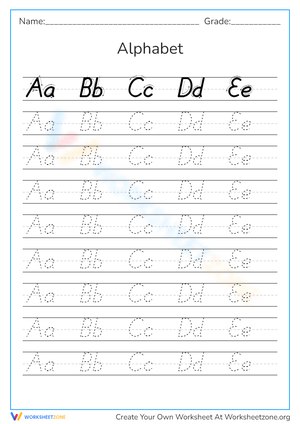
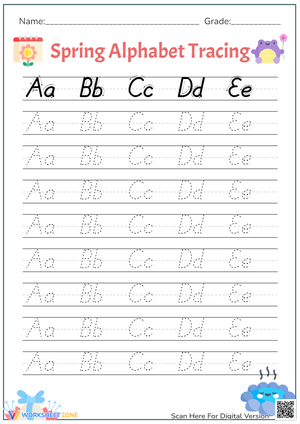
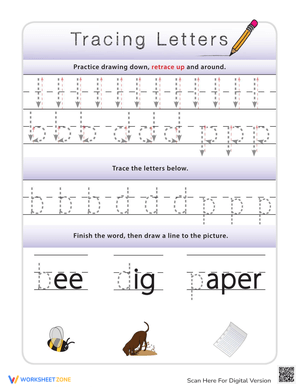
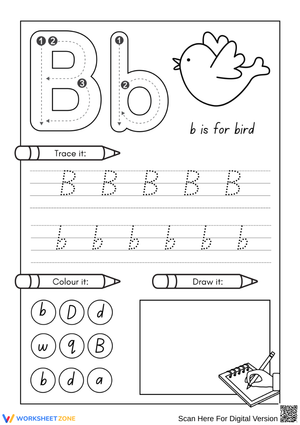
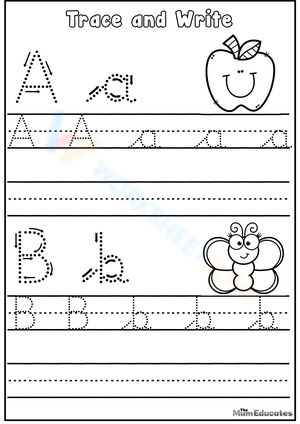
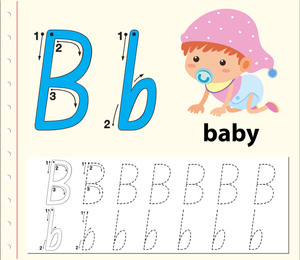
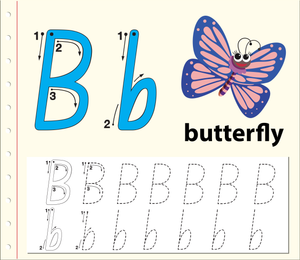
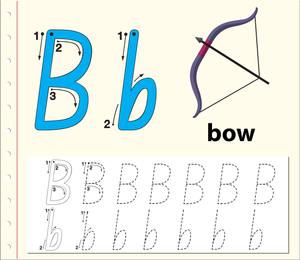
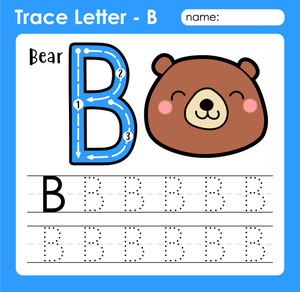
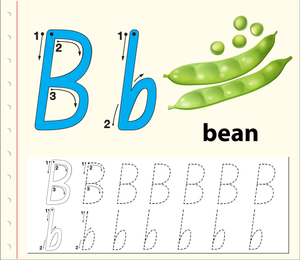
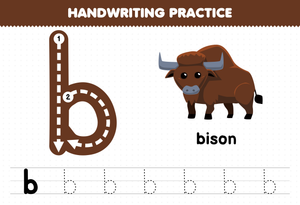
Once students can identify letter B reliably, tracing and formation worksheets teach the physical skill of writing it. Look for pages that show directional arrows and a consistent starting point, since inconsistent stroke order at this stage tends to create habits that are harder to correct in first grade. Dotted-line tracing followed by independent writing on the same page gives you a quick before-and-after view of a student's control.
Keep formation practice short and frequent rather than long and occasional. Five minutes of focused tracing during morning work, repeated across several days, builds muscle memory more reliably than one long worksheet completed a single time.
Classroom Implementation
Build letter B into your existing literacy block rather than treating it as an add-on. A practical weekly rhythm looks like this: introduce recognition on day one, add formation practice on day two, layer in the /b/ sound on day three, and use a mixed review worksheet by day four that combines all three skills. Day five works well as an informal check, using a quick worksheet to see which students need another round of small-group support.
Morning work bins are another reliable spot for repeated, low-prep letter B practice. Rotate a small stack of worksheets so students see the letter across several contexts, tracing, matching, and sound-picture sorts, without you needing to plan new materials every day.
Frequently Asked Questions
1. How many letters should a kindergartner know before starting formal letter B instruction?
Kindergarten readiness benchmarks typically expect children to recognize at least 10 letters by kindergarten entry, but letter B instruction does not need to wait for that threshold. Many classrooms introduce individual letters like B within the first weeks of school regardless of a student's starting point, then use small-group support for students who are behind that 10-letter benchmark.
2. What is the best way to teach the /b/ sound alongside letter B formation?
Pair sound work directly with formation practice rather than teaching them separately. As a student traces or writes the letter, have them say the /b/ sound aloud, and follow with a picture sort of /b/ words like ball or bus. This reflects the finding that combining letter-name and letter-sound instruction produces stronger reading gains than recognition practice alone.
3. How often should teachers reuse letter B worksheets for review vs. new instruction?
Plan for at least one review pass after the initial teaching sequence, ideally a week or two later, since kindergartners often need repeated exposure before a letter is fully secure. Reusing a simplified version of the same worksheet format, rather than introducing a new layout, helps students focus on the letter itself instead of relearning task directions.
4. How can teachers use letter B worksheets for small-group intervention or RTI support?
In small-group settings, slow the sequence down and add multisensory steps, such as tactile tracing, before moving to the printed worksheet. Use the same recognition-formation-sound structure as whole-group instruction, but spend more sessions on each step and check progress against the kindergarten benchmark of at least 10 known letters to decide when a student is ready to move on.