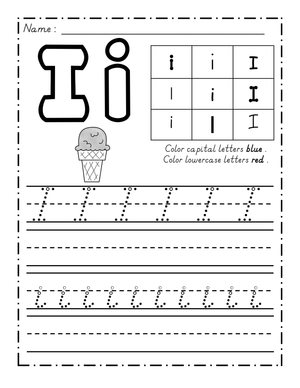
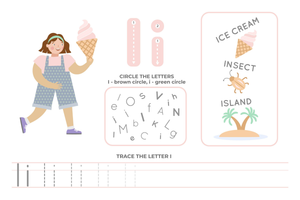
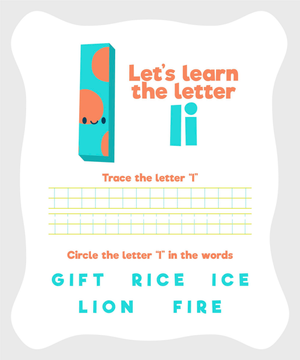
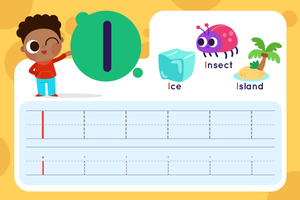
Letter I looks simple, which is exactly why it gets rushed. A single vertical line for the uppercase and a straight stroke with a dot for the lowercase seem easy enough that some kindergarten teachers skip past it in favor of trickier letters. But letter I is often one of the first letters children attempt to write on their own, since it appears in their names, in the word I, and in daily sentence starters. Getting the stroke order and proportions right early sets a pattern that carries into every other vertical-stroke letter a student will learn this year, including L, T, and H.
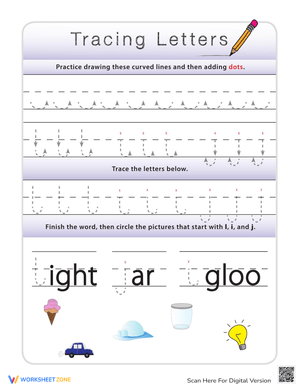
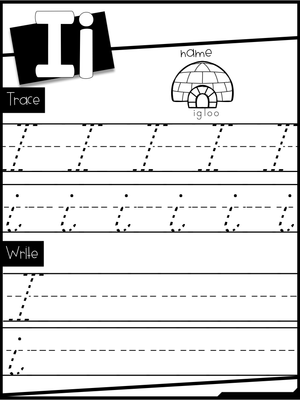
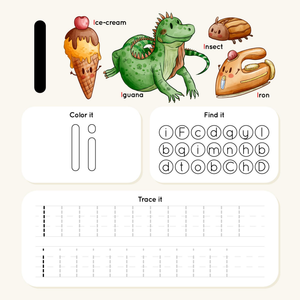
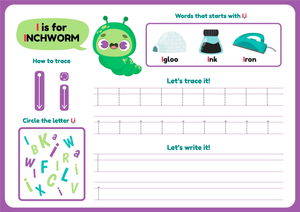
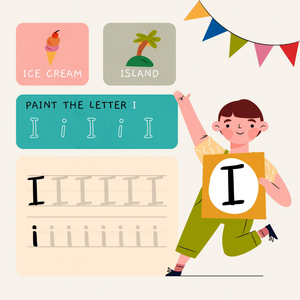
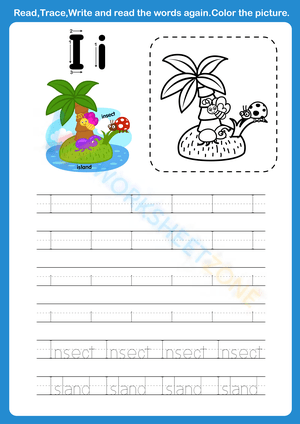
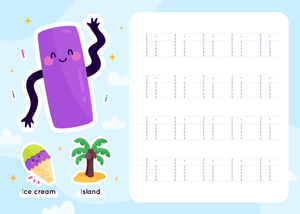
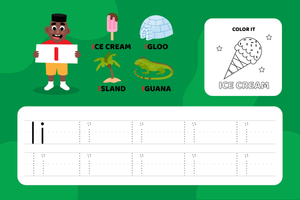
Letter I handwriting worksheets for kindergarten give teachers a low-prep way to build that foundation. A good worksheet sequence moves from heavily guided tracing to partial prompts to independent formation, so students practice the motor pattern enough times that it becomes automatic rather than something they have to think through each time.
What Kindergarten Fine Motor Development Looks Like
Handwriting instruction typically begins in pre-kindergarten or kindergarten, around ages four and five, which lines up with when children are building the fine motor control and visual-motor integration needed to guide a pencil with intention. At this stage, many students are still developing the finger strength and in-hand manipulation skills that let them hold a pencil with a stable, comfortable grip rather than a fisted or thumb-wrapped one.
This matters for how you plan letter I practice. A student who cannot yet isolate their fingers from their palm will struggle to control a straight vertical line, even if they understand exactly where the line should start and stop. Building in short fine motor warm-ups, like squeezing therapy putty, using tweezers to sort small objects, or practicing pincer-grip activities, before a handwriting worksheet can make the difference between a shaky line and a controlled one.
Sequencing Uppercase and Lowercase Practice
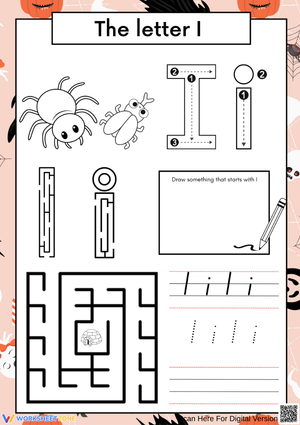
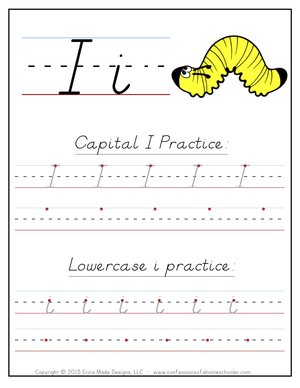
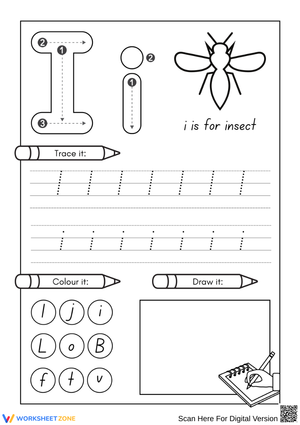
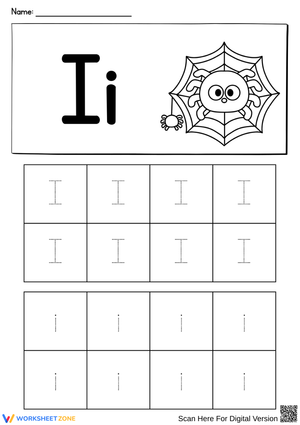
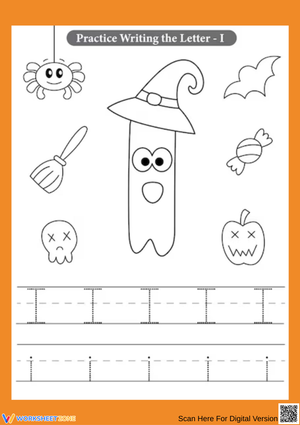
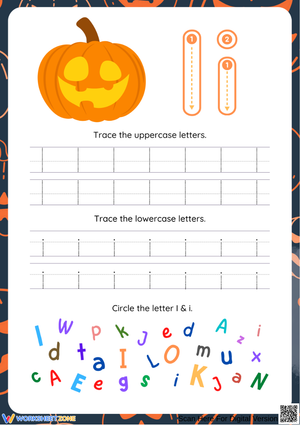
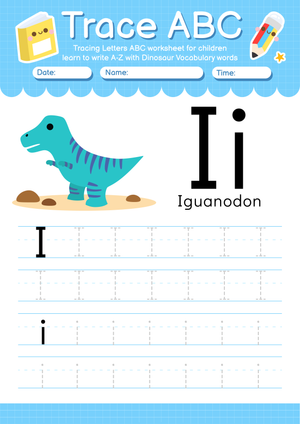
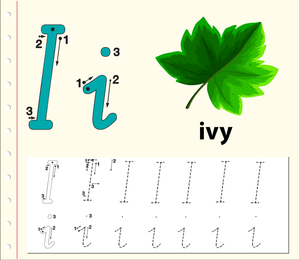
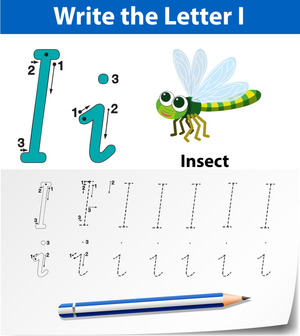
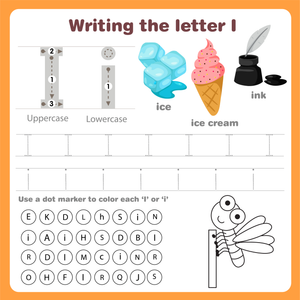
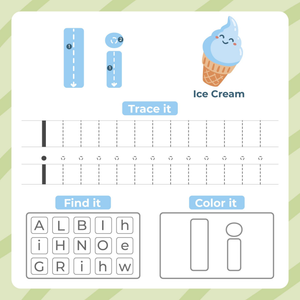
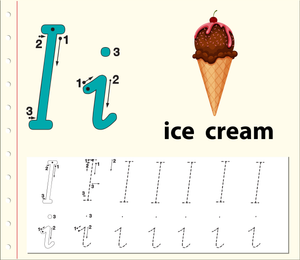
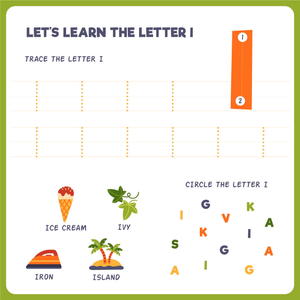
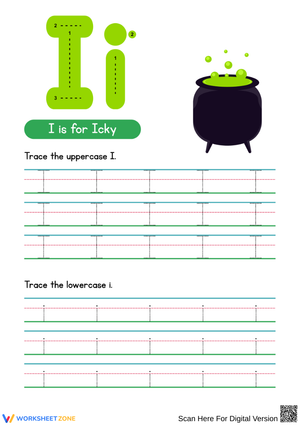
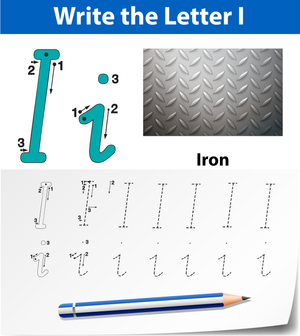
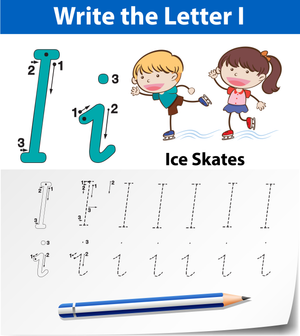
Most kindergarten alphabet units introduce the uppercase letter first, since it involves fewer strokes and less spatial judgment. For letter I, that means starting with a single top-to-bottom vertical line, then adding the top and bottom serifs or caps depending on the font style your worksheets use. Once students can form the uppercase I with reasonable consistency, move to the lowercase, which typically adds a dot above the line, a new spatial concept many students have not yet practiced.
A practical sequence over a week might look like this:
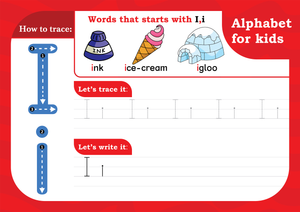
- Day 1 to 2: Guided uppercase I tracing with verbal stroke-order cues (top to bottom, straight down)
- Day 3: Independent uppercase I formation on lined paper
- Day 4: Guided lowercase i tracing, emphasizing the separate dot
- Day 5: Mixed uppercase and lowercase I practice in short words or the student's own name if applicable
This kind of staged release keeps the cognitive load manageable while still giving students enough repetitions to build a stable motor memory for the letter.
Classroom Implementation
Letter I worksheets fit naturally into several parts of a kindergarten day. During morning work, a single tracing sheet can serve as a quiet, low-stakes warm-up while you take attendance or check in with individual students. In literacy centers, pair the worksheet with a tactile letter I activity, like building the letter with wikki stix or forming it with playdough ropes, so students get repeated exposure in more than one modality during the same rotation block.
For whole-group instruction, use a large-format version of the worksheet on chart paper or a whiteboard so you can model the stroke order while students trace their own copies at their desks. This keeps the group together on stroke direction before they move to independent work. If you have students who need more repetition, a few extra practice sheets folded into a small-group warm-up can reinforce the pattern without turning it into a separate pull-out lesson built around ability grouping.
Keep each practice session short, five to eight minutes is usually enough for kindergarten attention spans, and rotate letter I practice with review of previously taught letters so the skill stays fresh rather than fading once the unit moves on.
Frequently Asked Questions
1. When should kindergartners start practicing letter I formation?
Most kindergarten classrooms introduce individual letter formation, including letter I, within the first few months of the school year, once students have had some exposure to basic fine motor and pre-writing activities. There is no need to wait until a student has mastered every pre-writing skill before starting simple tracing practice.
2. How can teachers tell if a student is ready for independent letter tracing versus guided practice?
A student who can hold a pencil with reasonable control and complete a guided stroke-order demonstration without significant hand-over-hand support is usually ready to try independent tracing. If a student still needs physical guidance to complete the stroke, stick with guided practice a bit longer before moving to solo worksheets.
3. What common mistakes do kindergartners make when writing the letter I, and how can worksheets help correct them?
The most common issues are starting the vertical stroke from the bottom instead of the top and placing the lowercase dot too close to or touching the line. Worksheets with directional arrows and dotted starting points give students a visual cue to self-correct these habits during independent practice.
4. How often should letter I handwriting worksheets be used each week?
Two to three short sessions per week, each around five to eight minutes, are usually enough to build consistency without overloading instructional time that also needs to cover other letters and literacy skills.
5. What activities pair well with letter I worksheets to reinforce fine motor development?
Sand or salt tray tracing, playdough letter building, tweezers-and-bead sorting, and air writing all reinforce the same stroke pattern through a different sensory channel, which helps the motor memory stick beyond just the paper practice.