Kindergarten teachers introducing the alphabet almost always start with letter A, and for good reason. Its simple stroke pattern and high frequency in early texts make it a natural first stop in a K classroom letter sequence. Letter A worksheets give teachers a low-prep way to build handwriting skill, recognition, formation, and beginning-sound awareness all in one sitting, whether during whole-group instruction, a literacy center, or a quick small-group pull.
Aligning Letter A Practice with CCSS.ELA-LITERACY.RF.K.1
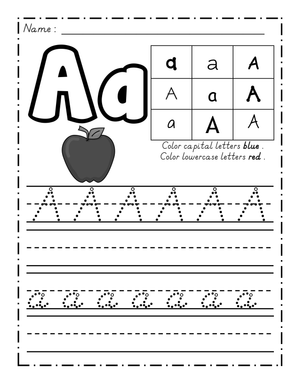
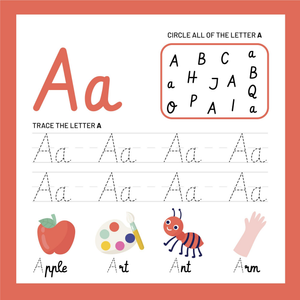
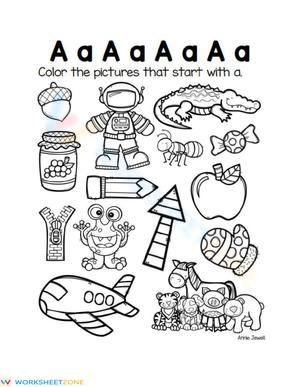
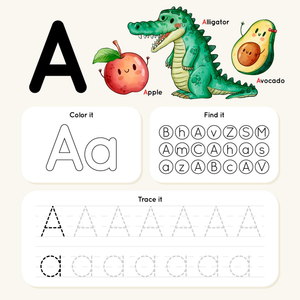
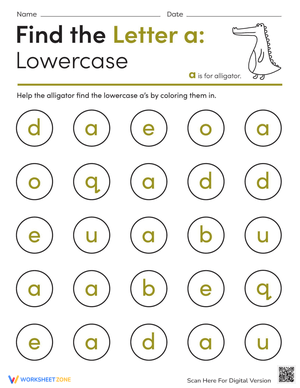
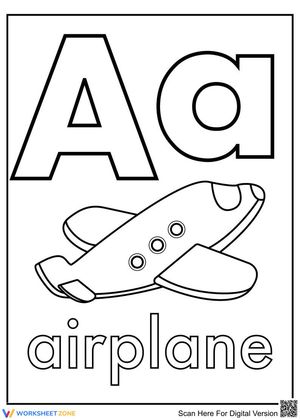
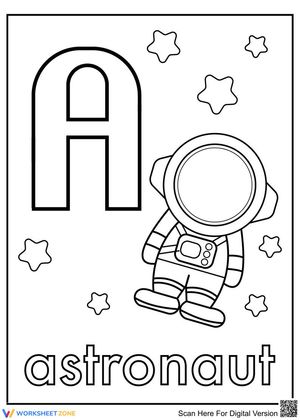
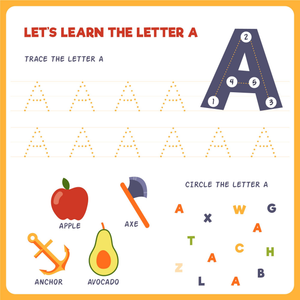
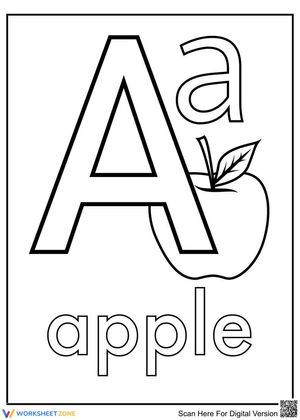
CCSS.ELA-LITERACY.RF.K.1 requires kindergartners to recognize and name all upper- and lowercase letters of the alphabet by the end of the year, and letter A worksheets are one of the most direct tools for building toward that goal one letter at a time. Worksheets that ask students to circle every uppercase A in a row of mixed letters, or match uppercase A to lowercase a, target this recognition standard without requiring any extra materials beyond a pencil.
CCSS.ELA-LITERACY.RF.K.1.D sets a specific end-of-year expectation: kindergartners should recognize and name all upper- and lowercase letters of the alphabet by June. Because letter A is usually taught in the first weeks of school, it functions as an early checkpoint. If a student cannot reliably identify uppercase and lowercase A by early October, that is a signal worth flagging well before later benchmark windows.
Letter A Tracing and Handwriting Readiness
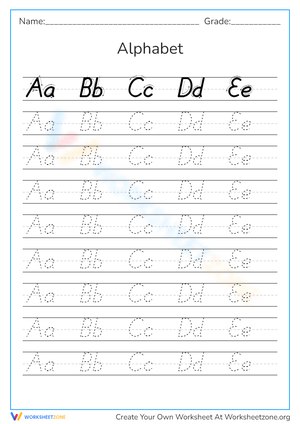
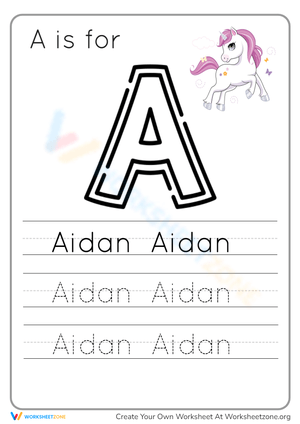
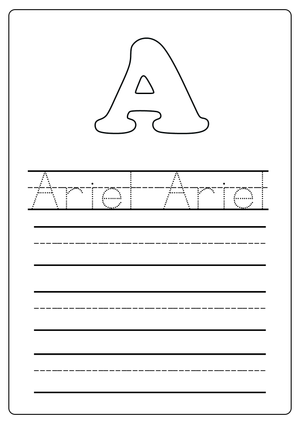
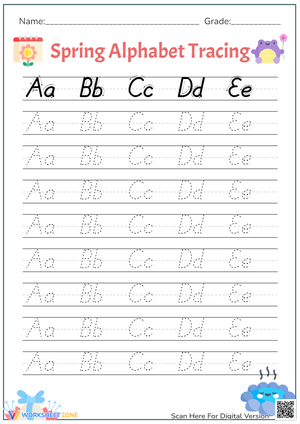
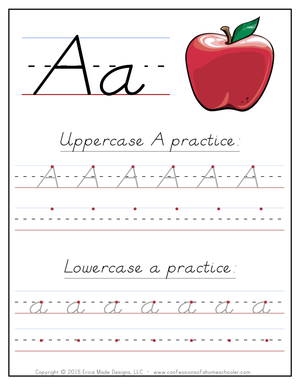
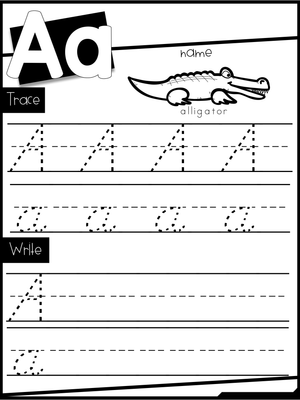
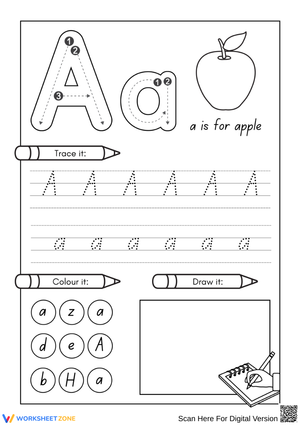
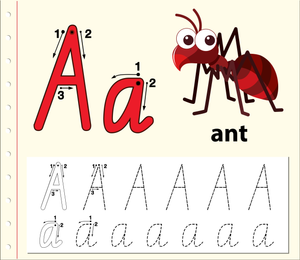
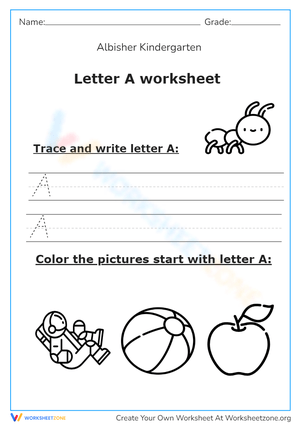
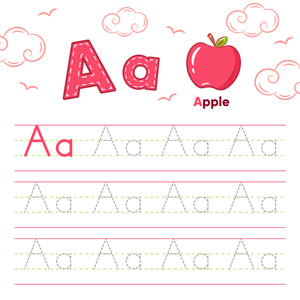
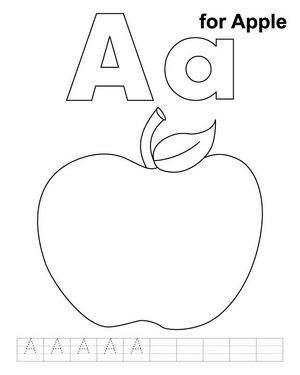
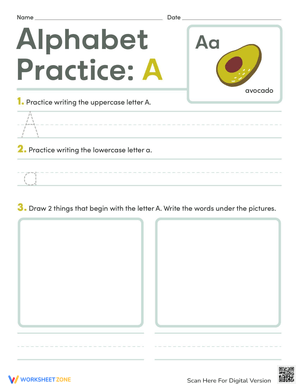
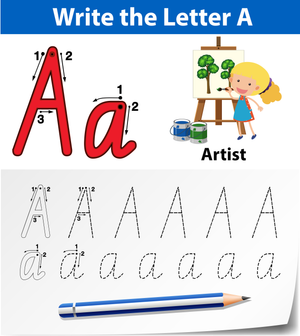
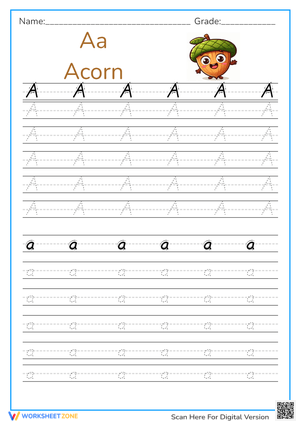
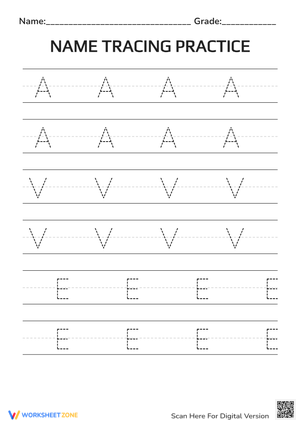
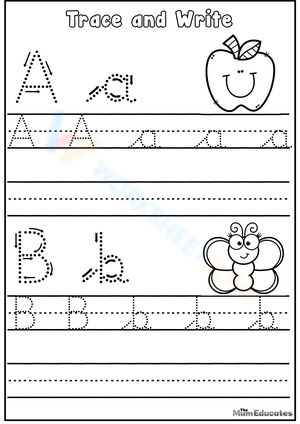
Tracing worksheets do double duty in a kindergarten classroom. They build letter formation habits, like starting at the top and using consistent stroke direction, while also reinforcing visual recognition through repeated exposure. Dotted-line tracing pages that gradually fade the guide lines are especially useful for tracking a student's progress from full support to independent writing over a few weeks.
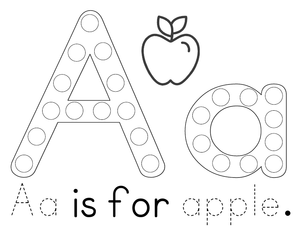
Multisensory practice, such as tracing letter A in sand, forming it with pipe cleaners, or writing it in the air while saying the sound aloud, is commonly recommended alongside worksheets to reinforce formation for early writers. Pairing a tactile activity with a worksheet in the same lesson gives students a physical memory of the letter shape before they are asked to reproduce it independently on paper.
Teacher Tips for Getting the Most from Letter A Worksheets
- Start with uppercase and lowercase matching before layering in beginning-sound tasks, so recognition is solid before adding phonemic demands.
- Use letter A worksheets in short, repeated bursts across a week rather than one long single session, since young learners retain letter formation better with spaced practice.
- Pair every worksheet with a verbal check: ask the student to say the letter name and the short /a/ sound as they point to it, not just complete the page silently.
- Keep a simple tracker of which students still confuse uppercase A with other tall letters, since this is a common early error worth flagging for a quick reteach.
- Send a tracing worksheet home as optional practice paired with a note asking families to have the student say the sound aloud, extending the multisensory piece beyond the classroom.
Frequently Asked Questions
1. When should kindergarten teachers introduce letter A in the alphabet sequence?
Letter A is typically one of the first letters introduced in kindergarten because of its high frequency in early texts and its simple, consistent stroke pattern, which makes it an accessible starting point for new writers.
2. How many letter A worksheets does a kindergartner need for mastery?
There is no fixed number, but repeated, varied practice across several days, tracing, matching, and sound-sorting tasks, tends to build more durable recognition than a single worksheet completed once and not revisited.
3. How do letter A worksheets align with CCSS RF.K.1 and RF.K.3?
RF.K.1 covers letter name recognition in both uppercase and lowercase forms, while RF.K.3 addresses letter-sound correspondence, so worksheets combining matching, tracing, and beginning-sound tasks touch both standards in a single practice session.
4. What is a typical benchmark for letter naming fluency by the end of kindergarten?
The DIBELS 8th Edition sets the end-of-year Letter Naming Fluency goal at 42 or more letters correctly named per minute, with lower ranges flagged for strategic or intensive support.
5. How can teachers combine letter A worksheets with multisensory instruction?
Pairing a worksheet with a tactile activity, such as tracing the letter in sand or forming it with a pipe cleaner while saying the sound aloud, reinforces the same formation and sound skills the worksheet targets through a different sensory channel.












 Interactive Worksheet Maker
 Quiz Maker
 Word Search Maker
 Crossword Puzzle Maker
 Word Scramble Generator
 Sentence Scramble Generator
 Handwriting Worksheet Generator
 Name Tracing Generator
 Fill In The Blank Generator