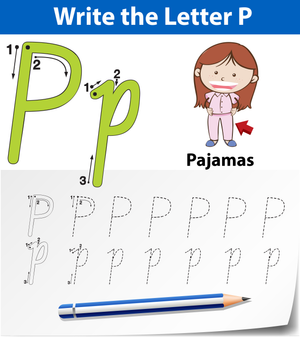
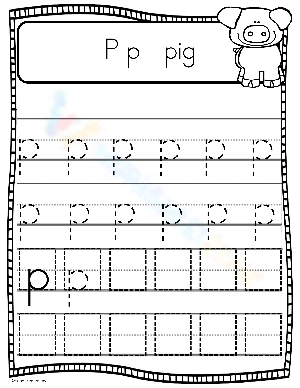
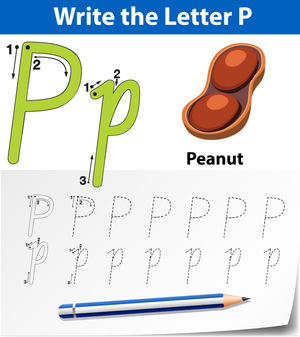
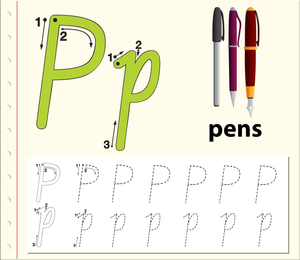
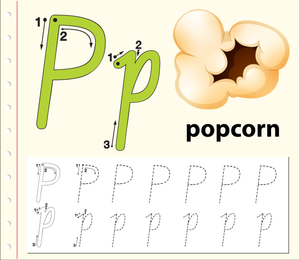
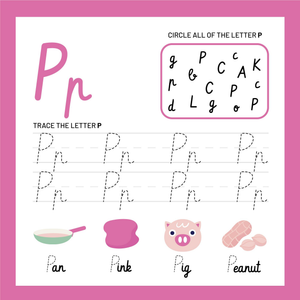
Letter Z usually lands at the end of an alphabet-of-the-week sequence, which makes it a natural moment to check how far a class has come with pencil control and letter recognition. Preschool and pre-K teachers searching for letter Z handwriting worksheets are typically looking for more than a single tracing page. They want a resource that reinforces uppercase and lowercase formation, connects the letter to its initial sound, and gives every child in the room a version of the task they can actually complete.
What a Complete Letter Z Worksheet Set Should Include
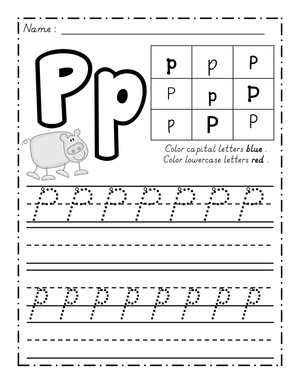
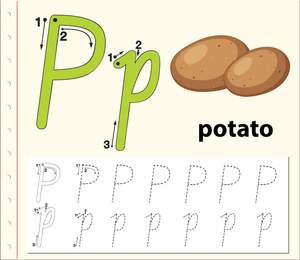
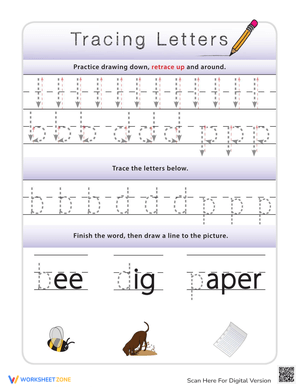
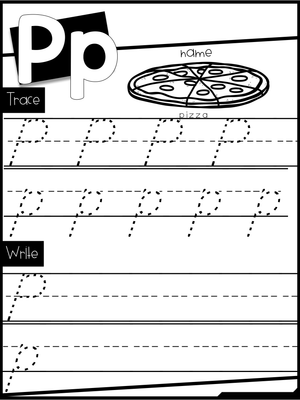
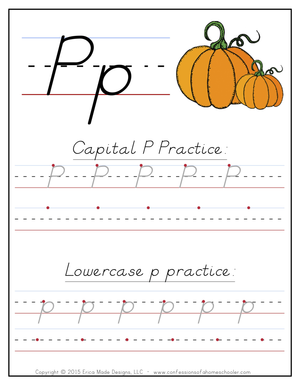
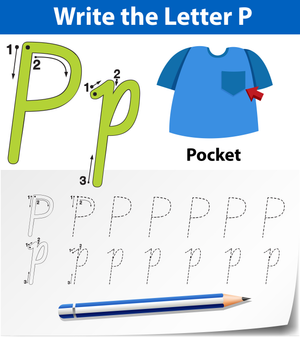
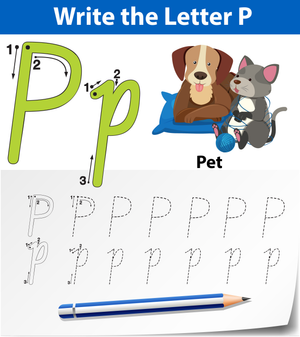
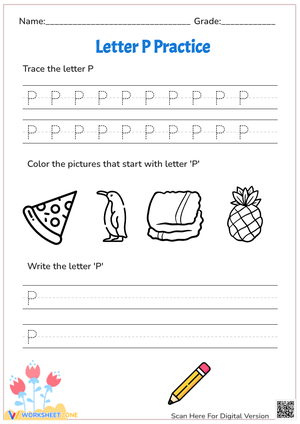
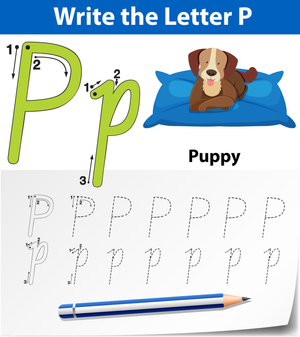
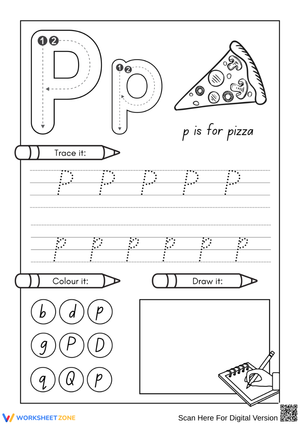
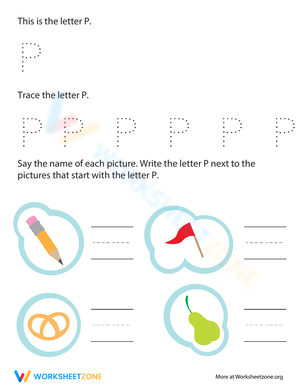
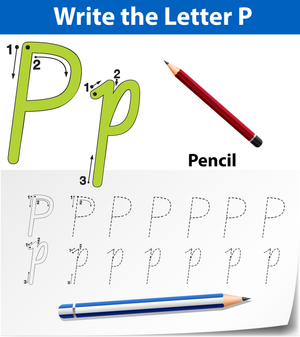
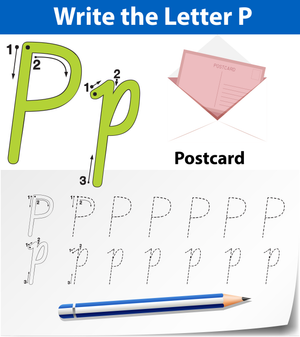
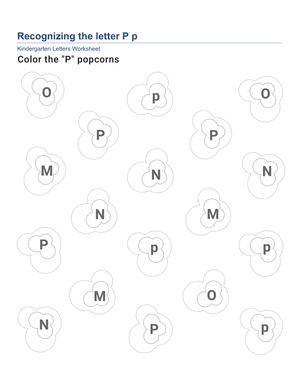
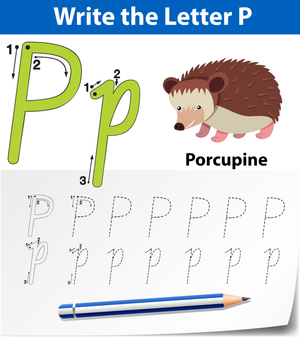
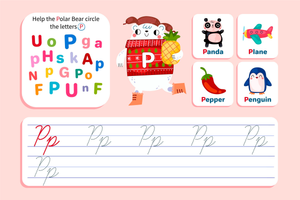
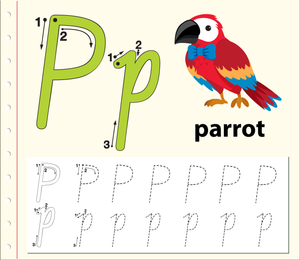
A useful letter Z packet for this age group typically includes a large traceable model letter at the top of the page, a line of smaller repeated letters for guided practice, and picture-word supports such as zebra or zeppelin that anchor the letter to its sound. Uppercase and lowercase Z should appear on separate lines or separate pages, since the two forms are visually distinct and often confused by beginning writers.
Many sets also include dotted, arrow-guided, and blank-line tracing styles within the same theme. This lets you print the version that matches where a child currently sits in pencil control without having to build three separate lesson plans.
Sequencing Letter Z as the Capstone of an Alphabet Unit
If your classroom follows an alphabet-of-the-week structure, letter Z instruction works well as a two- or three-day close-out rather than a single lesson. Day one can introduce the letter through the picture cues and a first tracing pass. Day two can move into independent tracing with less visual support. A short day three can ask children to write Z from memory next to a simple picture, which doubles as an informal check of the whole unit.
Because Z is the final letter in the sequence, it offers a rare full-unit data point: a teacher can compare a child's Z formation against their very first traced letter from months earlier and see, side by side, how far pencil control has actually progressed, which is far more informative than judging any single letter in isolation.
Download and Tips for Teachers to Teach These Worksheets In Preschool Classes
A few practical routines make letter Z week run smoothly in a busy preschool classroom.
- Start each session with a 3 to 5 minute warm-up tracing page before moving into a literacy center rotation, so the handwriting practice does not compete for time with other instruction
- Keep three tracing difficulty levels on hand (dotted, arrow-guided, and blank-line) so children can move between them without a separate small-group pull-out, simply by handing out the version that matches their current stage
- Post a large model of uppercase and lowercase Z at eye level near the writing table so children have a visual reference during independent practice
- Use the zebra or zipper picture cue as a quick verbal prompt: ask a child what sound they hear at the start of the word before they begin tracing
Frequently Asked Questions
1. What should a letter Z worksheet include for preschoolers just starting handwriting practice?
Look for a large traceable model, a line of repeated practice letters, and a picture cue such as zebra or zipper so the letter is tied to its sound from the very first attempt.
2. How can teachers tell if a preschooler is ready to move from tracing to independent writing of letter Z?
If a child consistently traces Z with correct stroke direction on a dotted or arrow-guided page, try a blank-line version next. Smooth, directionally correct strokes without heavy guidance are a good sign of readiness.
3. How much time should a daily letter Z handwriting warm-up take in a preschool classroom?
Three to five minutes is usually enough for a focused warm-up before moving into a literacy center rotation or picture-sound activity.
4. What common reversals or formation errors happen with letter Z and how can worksheets help correct them?
Children often draw the diagonal stroke backward or merge the three lines into one scribble. Arrow-guided worksheets that number the strokes in order help correct this without singling any child out.
5. How does letter Z practice fit into a full alphabet-of-the-week curriculum for preschool?
Z typically closes the sequence, so it doubles as a review point. Comparing a child's Z tracing to their earliest letter work from the year gives a simple, informal picture of overall handwriting growth.