Why Letter C Needs a Deliberate Teaching Sequence
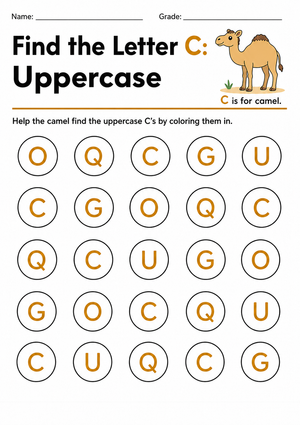
Letter C shows up early in most kindergarten alphabet scopes, and it's tempting to treat it like any other single-day letter stop. But C carries more instructional weight than it looks like on the surface. It has two sounds, a curved stroke that many young writers struggle to control, and a shape that gets confused with O and G if formation isn't taught explicitly. A strong set of letter C worksheets lets you slow down just enough to cover uppercase formation, lowercase formation, and sound work without losing a whole week of your literacy block.
Sequencing Uppercase and Lowercase Formation First
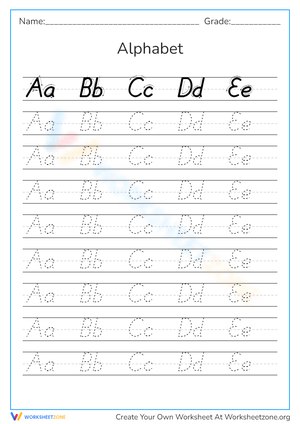
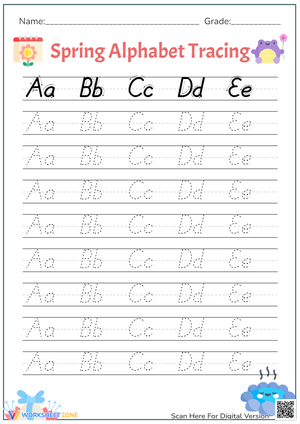
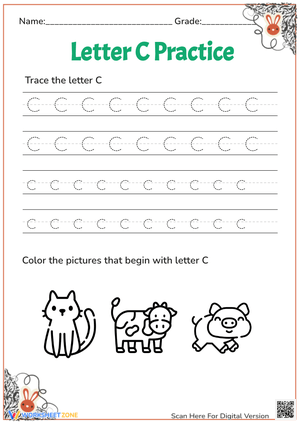
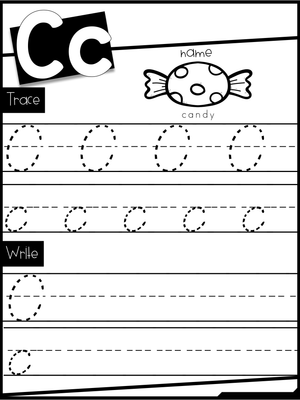
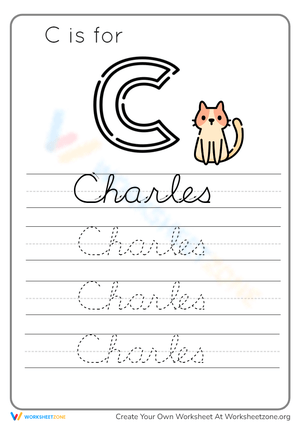
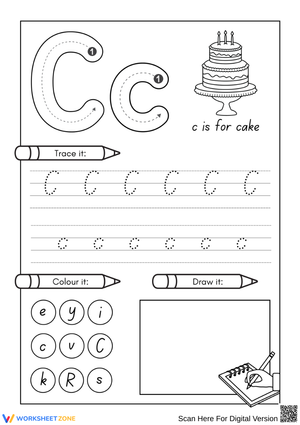
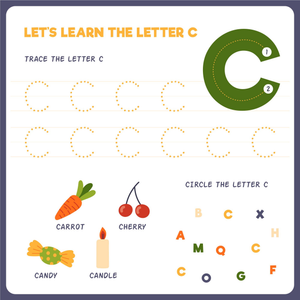
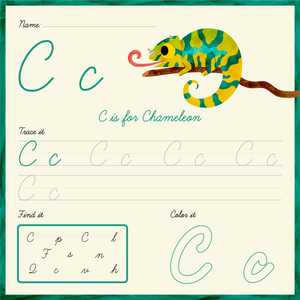
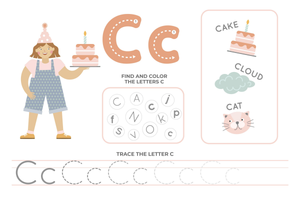
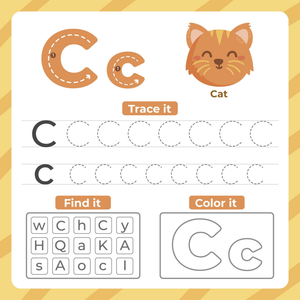
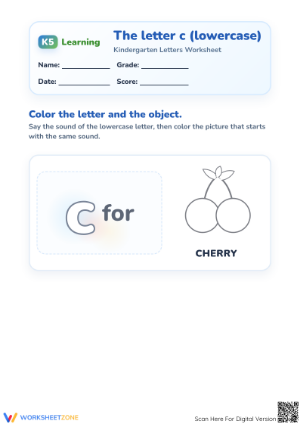
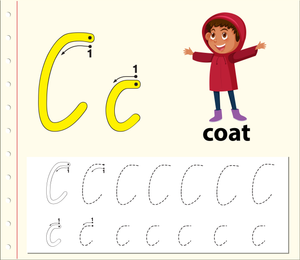
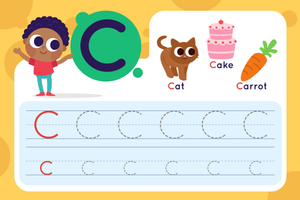
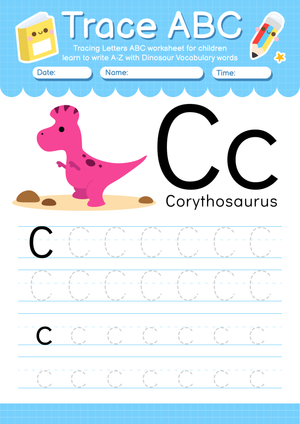
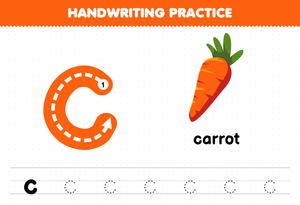
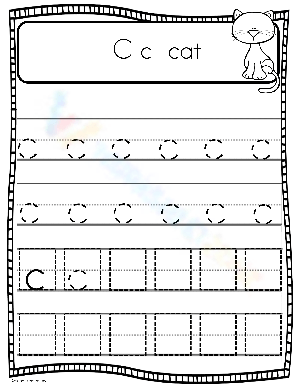
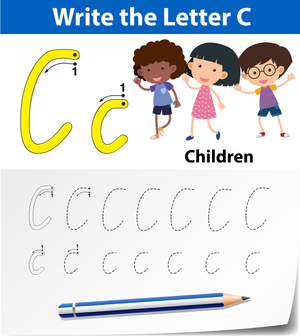
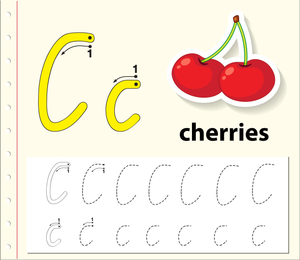
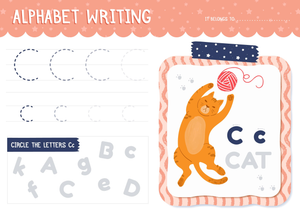
Before sound instruction, kindergartners need repeated, guided practice forming both the uppercase C and lowercase c. Start with uppercase since its single curved stroke is more forgiving for beginning writers, then move to lowercase once the motion feels familiar. Worksheets with directional arrows and start-dots help students internalize the top-to-bottom curve instead of guessing at stroke direction. Give students at least two to three formation-focused worksheets before introducing sound content, so the motor pattern is stable before you add a cognitive sound-matching task on top of it.
A survey of 131 teachers found that 54% reported Common Core implementation had decreased the amount of classroom time dedicated to handwriting instruction. That statistic matters for how you plan letter C practice: if handwriting minutes are being squeezed out of the day, worksheets become one of the few reliable touchpoints left for formation practice, and they need to be used with intention rather than as filler.
Connecting Worksheets to Fine Motor Development
Letter C tracing worksheets do more than reinforce shape memory. Research on motor-enriched encoding shows that handwriting practice which engages fine motor control improves early letter recognition more effectively than non-motor activities like typing or visual-only study. For your students who trace the curve of C repeatedly with a pencil, that repeated motor input is building the same neural pathways that support later reading fluency, not just neat handwriting.
Visual-haptic tracing tasks, where children see the letter and physically trace its form, have been shown to increase both letter recognition accuracy and overall handwriting quality in young children. This is a strong argument for choosing letter C worksheets that include large, traceable outlines rather than only workbook-style fill-in blanks. If your current materials skip the tracing step and jump straight to independent writing, students who need more scaffolding may struggle to form the letter correctly on their own.
Classroom Implementation
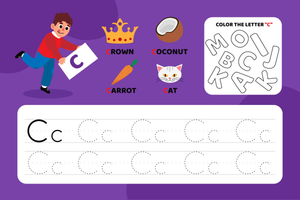
Plan for letter C across three to four instructional days rather than a single lesson. Day one should focus on uppercase formation with tracing worksheets and verbal modeling of the stroke. Day two shifts to lowercase formation, using the same tracing structure so students recognize the routine. Day three introduces the hard /k/ sound through picture-sorting worksheets, and day four can introduce the soft /s/ sound for students who are ready, while others continue reinforcing the hard sound. Keep a simple checklist tracking uppercase formation, lowercase formation, and sound recognition for each student so you know exactly who needs to revisit which piece before moving to the next letter.
When you introduce a new letter, briefly revisit letter C in a quick warm-up activity, such as a one-minute tracing review or a fast oral sound check. This kind of spaced review keeps earlier letters from fading while you build new ones, and it takes only a minute or two out of your morning meeting or transition time.
Frequently Asked Questions
1. How should kindergarten teachers introduce the two sounds of letter C?
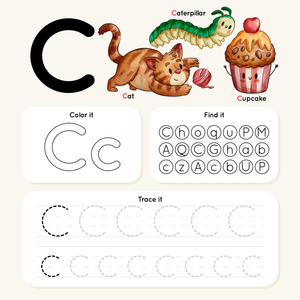
Start with the hard /k/ sound using common words like cat and cup, since it's more frequent in early decodable text. Once students consistently identify the hard sound, introduce the soft /s/ sound with words like city, using picture sorts to help them distinguish the two.
2. What is the best worksheet sequence for teaching letter C formation?
Begin with uppercase C tracing worksheets, since the single curved stroke is easier for beginning writers, then move to lowercase c once that motion is familiar. Save sound-based worksheets for after formation is stable so students aren't juggling two new skills at once.
3. How can teachers use letter C worksheets for small-group intervention?
Pull students who reverse C or confuse it with similar curved letters into short, focused sessions two to three times a week using tracing and sound-matching worksheets. Keep sessions brief and track progress with a simple formation checklist.
4. How do letter C worksheets support CCSS RF.K.3.A phonics standards?
CCSS RF.K.3.A addresses phoneme and letter-sound correspondence, and letter C worksheets that pair formation practice with hard and soft sound identification directly build the skills this standard targets.
5. How often should kindergartners practice letter C to build handwriting fluency?
Plan for repeated exposure across three to four instructional days initially, then reinforce with brief one-to-two-minute review activities each time a new letter is introduced, so earlier formation and sound skills don't fade.