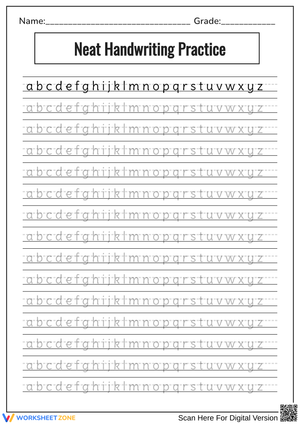
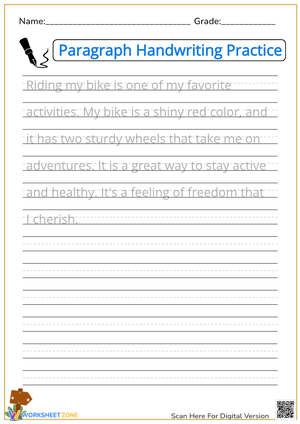
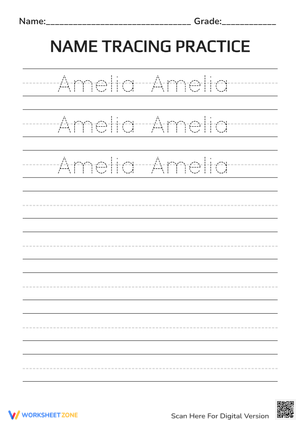
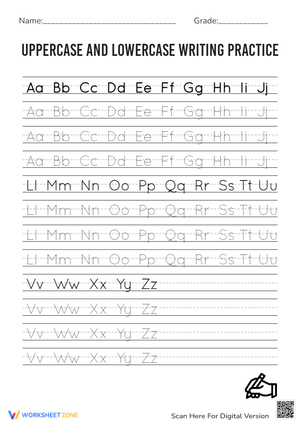
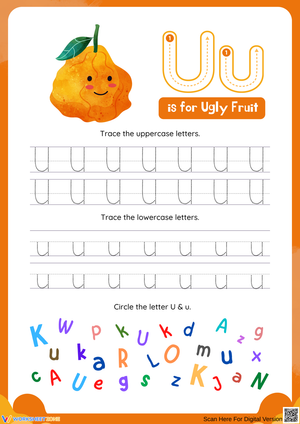
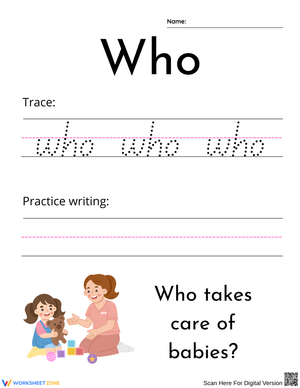
Kindergarten teachers are often the first adults to watch a child hold a pencil with real intention. Before letters ever look correct on the page, a student needs steady small muscles, a working pincer grip, and enough eye-hand coordination to trace a line without losing it. Kindergarten handwriting worksheets give teachers a repeatable, low-prep way to build those skills in short daily doses rather than trying to fix letter formation all at once in the spring. Used well, they become a diagnostic tool as much as a practice sheet, showing a teacher exactly which student needs a fine motor warm-up before the pencil ever touches paper.
Building the Six Prerequisite Skills First
Handwriting readiness rests on a set of underlying skills, not just letter memorization. Research on foundational writing identifies six prerequisites that kindergarten teachers can target directly through worksheet activities before expecting full letter formation.
- Small muscle development in the hand and fingers
- Eye-hand coordination for tracking and controlling a line
- Tool manipulation, including a functional pencil grip
- Basic stroke formation such as lines, curves, and circles
- Alphabet letter recognition
- Orientation to written language, including left-to-right and top-to-bottom direction
A kindergarten teacher can screen for these prerequisites early in the year using simple pre-writing worksheets, then hold back full letter practice for students who are still building small muscle control or tool manipulation.
Structuring Short, Frequent Practice Blocks
Kindergarten classrooms devote an average of 55 minutes per week to handwriting instruction, with a typical range of 40 to 90 minutes depending on the school and schedule. Rather than one long weekly session, worksheets work best broken into short, frequent blocks of 10 to 15 minutes spread across several days. Research on handwriting instruction in the early elementary years supports this same pattern, recommending roughly 50 to 100 minutes of total weekly practice delivered in short sessions instead of a single extended block.
A daily rotation might include a two-minute finger warm-up, five minutes of guided stroke or letter practice on a worksheet, and a short independent tracing activity. This keeps attention high and avoids the fatigue that comes with asking five-year-old hands to write for long stretches.
Sequencing Worksheets from Strokes to Letters
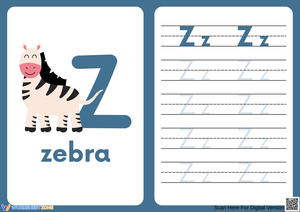
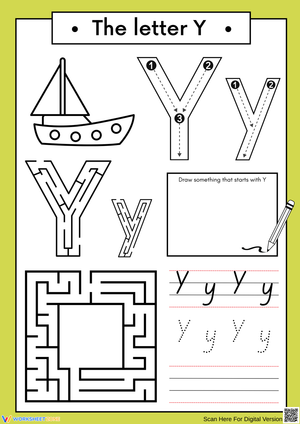
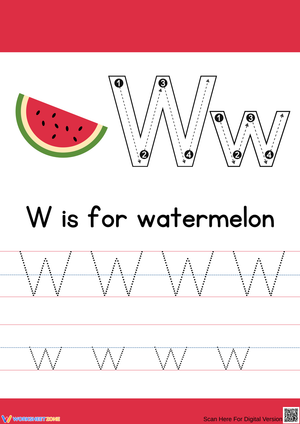
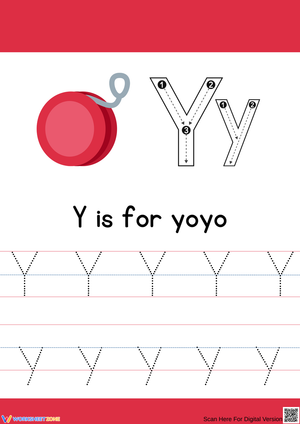
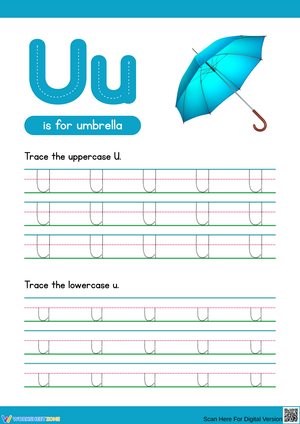
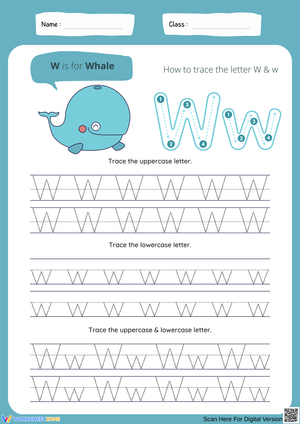
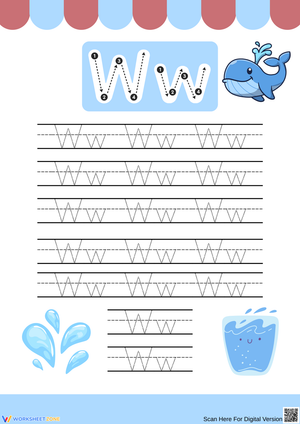
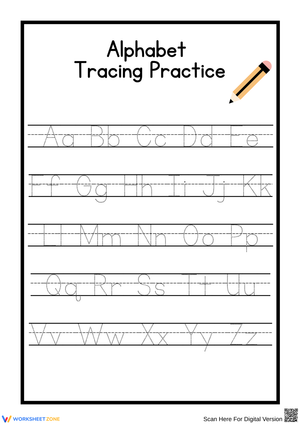
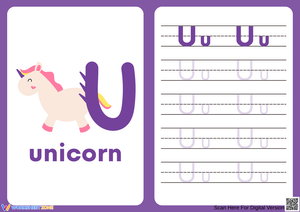
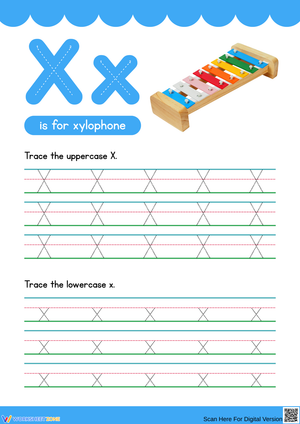
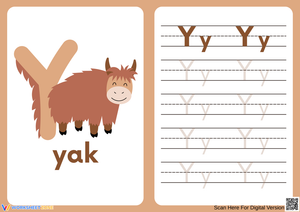
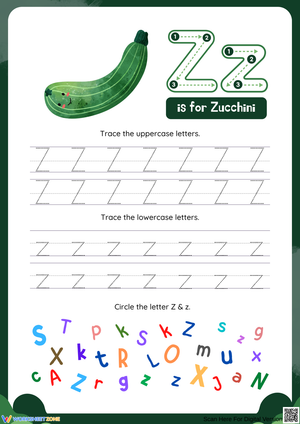
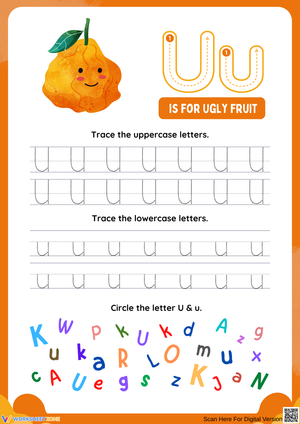
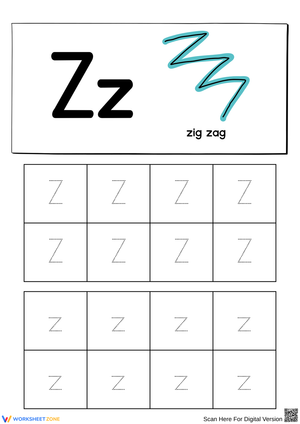
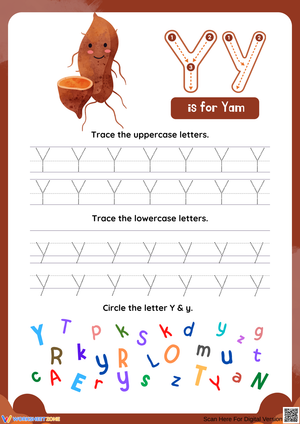
Handwriting worksheets for kindergarten should follow a clear sequence rather than jumping straight into the alphabet. Start with pre-writing strokes such as vertical lines, horizontal lines, circles, and crosses, since nearly every letter is built from these basic shapes. Move next to uppercase letters, which use simpler, more consistent stroke patterns, before introducing lowercase letters, which require more precise sizing and baseline control.
Grouping letters by shared strokes, for example letters that start with a straight line down, lets a teacher reuse the same worksheet format across several lessons while gradually increasing difficulty. This sequencing also makes it easier to spot exactly where a student's formation breaks down.
Spotting Common Handwriting Problems Early
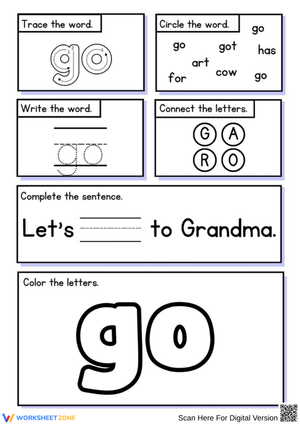
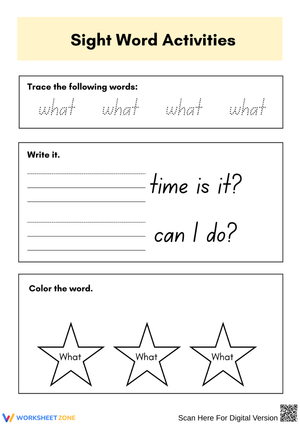
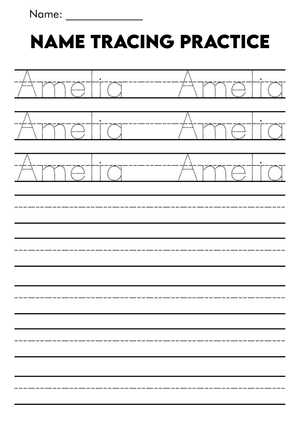
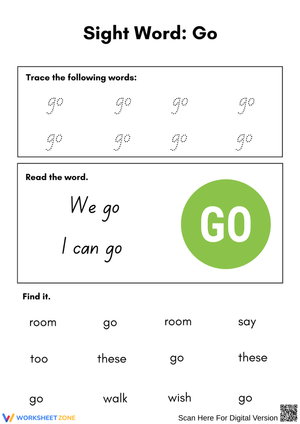
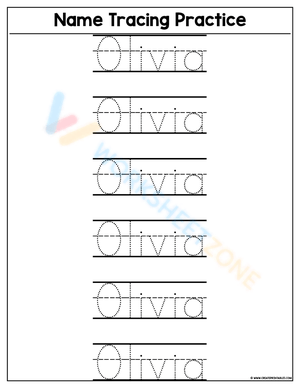
Worksheets double as an informal screening tool. As students work, common issues tend to surface quickly: pencil grip, letter formation, spacing between letters and words, motor memory for repeated shapes, and overall legibility. Because these issues are all connected to fine motor development, a single worksheet that asks a student to trace, copy, and then write a letter independently can reveal whether the struggle is really about the letter itself or about the underlying hand strength and control.
A brief citation worth keeping in a lesson plan folder: research summarized by education researchers on early writing instruction notes that handwriting practice activates brain networks tied to memory, language, and learning that typing does not engage in the same way, reinforcing why handwritten worksheet practice remains a distinct and valuable classroom activity even as digital tools become more common in early childhood settings.
Frequently Asked Questions
1. How much time should kindergarten teachers spend on handwriting instruction each week?
Kindergarten classrooms average about 55 minutes of handwriting instruction per week, typically ranging from 40 to 90 minutes depending on the schedule. Splitting this into short, frequent sessions rather than one long block tends to work better for young learners.
2. What foundational skills should kindergartners have before starting letter formation worksheets?
Teachers should look for small muscle development, eye-hand coordination, basic tool manipulation, simple stroke formation, alphabet letter recognition, and orientation to written language before expecting full letter formation.
3. How can handwriting worksheets help identify students who need fine motor intervention?
Worksheets that ask students to trace, copy, and then write independently often reveal whether a struggle comes from weak pencil grip, poor spacing, or inconsistent motor memory, giving teachers an early signal for who may need extra support.
4. How often should kindergarten handwriting worksheets be used for best results?
Short sessions of 10 to 15 minutes, used three to five times per week, tend to build skills more effectively than a single long weekly session, matching the frequent-practice pattern supported by early handwriting research.
5. What common handwriting problems can worksheets help correct in kindergarten?
Worksheets are well suited to addressing pencil grip, letter formation, spacing between letters and words, motor memory for repeated shapes, and overall legibility, since these issues can be practiced and observed directly on the page.












 Interactive Worksheet Maker
 Quiz Maker
 Word Search Maker
 Crossword Puzzle Maker
 Word Scramble Generator
 Sentence Scramble Generator
 Handwriting Worksheet Generator
 Name Tracing Generator
 Fill In The Blank Generator