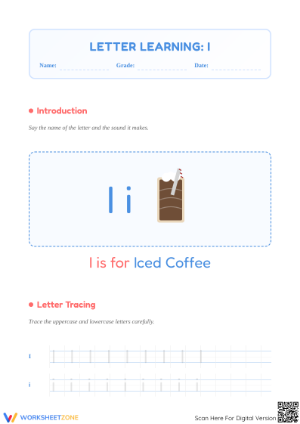
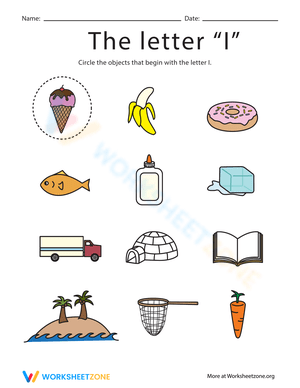
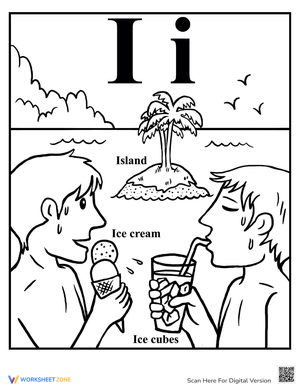
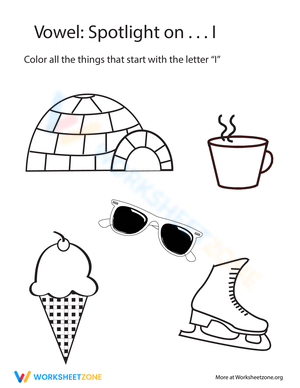
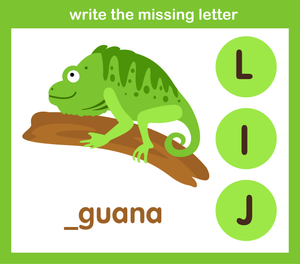
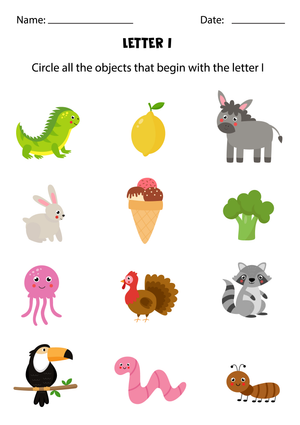
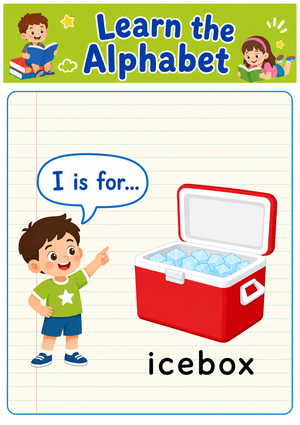
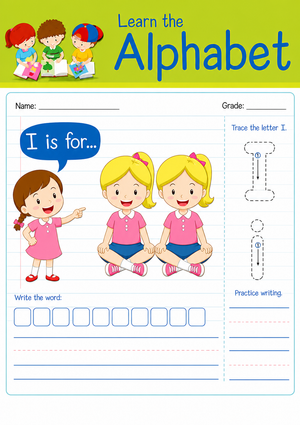
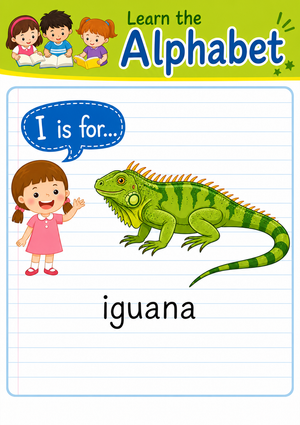
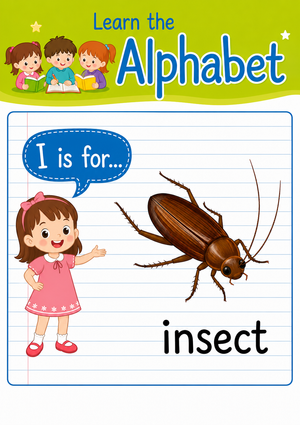
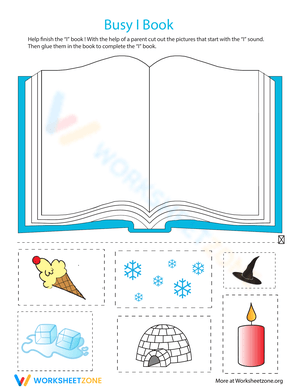
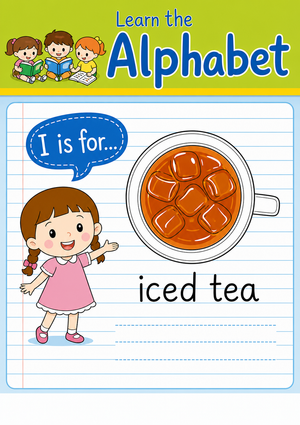
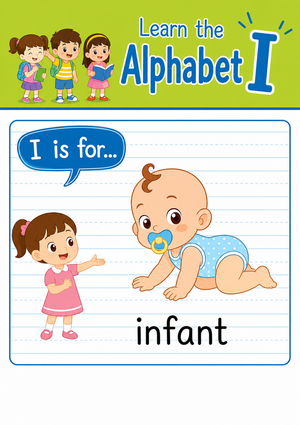
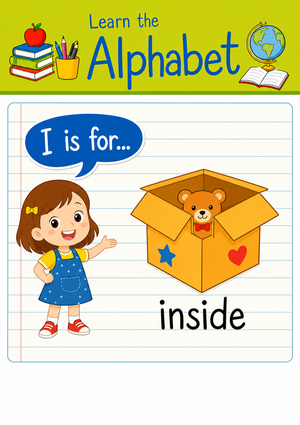
These kindergarten letter i beginning sound worksheets resources give teachers ready-to-print activities built around the short /ĭ/ phoneme — the sound at the front of insect, inch, and igloo. Each worksheet uses picture-based tasks: sorting, circling, coloring, and cut-and-paste matching. Teachers pull from this set for literacy centers, morning warm-ups, and quick formative checks during the phonics block.
The Specific Skills These Worksheets Target
The tasks across the set cover sound isolation, visual discrimination, and basic letter-sound correspondence. Students hear or see a picture, decide whether it starts with /ĭ/, and respond by marking, cutting, or writing. That decision-making step — does this start with the short I sound or not? — is the core skill being practiced.
- Picture sorting: Students sort images into two categories — begins with /ĭ/ or does not. This demands active auditory discrimination rather than passive recognition.
- Circle-the-correct-picture tasks: Students scan a row of images and circle only those starting with the short I sound, working against phonemic distractors placed deliberately alongside the correct answers.
- Cut-and-paste matching: Students pair a picture to the letter I, building fine motor control while reinforcing the letter-sound connection.
- Coloring activities: Students color pictures that start with /ĭ/ and leave the others uncolored — a low-pressure format that still requires sound identification before the crayon touches paper.
- Beginning letter writing: Some worksheets ask students to write the letter I next to pictures of short I words, connecting the auditory sound directly to its written form.
Why the Short /ĭ/ Sound Is Harder Than It Looks
Short vowels trip students up more than consonants because they are produced by continuous airflow and subtle mouth positioning — there is no crisp stop the ear can latch onto. The short /ĭ/ sound sits especially close to the short /ĕ/ sound. Both are made with the tongue high and toward the front of the mouth, jaw slightly open. Students who correctly identify the initial sound in dog and ball will still stumble here. In picture sorts, it is not unusual to see a kindergartener look at a picture of an egg and say "ih?" — genuinely uncertain whether what they hear is /ĕ/ or /ĭ/.
Anchor words stabilize this. Igloo and insect work well because they are visually unambiguous — there is no plausible alternate starting sound. Returning to these anchors before each session ("What sound does igloo start with? Say it with me — /ĭ/") takes under a minute and reduces sorting errors noticeably. Posting a printed igloo image on the whiteboard and leaving it visible throughout phonics instruction gives students a reference point they can glance at while working independently.
Fitting These Worksheets Into Your Phonics Block
The most effective placement for these worksheets is during small-group literacy centers, after whole-group instruction on the /ĭ/ sound — not before it. Whole-group work introduces the anchor words, models sound production, and sets up the concept. When students rotate to independent practice, each worksheet functions as a transfer check rather than a first exposure. Using these activities before any oral practice produces guessing rather than genuine phonemic work.
For whole-group introduction, projecting an enlarged version of one worksheet and working through the first two pictures aloud gives students a model before they work on their own. The 10 to 15 minutes immediately following that modeled practice, while the phoneme is still fresh, is the right window for independent work at centers. A completed worksheet from that window tells you far more than one completed the next morning.
Mistakes Students Make That These Worksheets Help You Catch
Three error patterns show up consistently in student work on these activities. First, students confuse /ĭ/ with /ĕ/, particularly in sorts that include pictures of words like elephant or envelope. Second, students sort by the letter name rather than the sound: a student who knows the letter I "says its name" (long I) will place ice cream in the short I column because it "starts with I." This is a genuine phonological misconception, not carelessness, and it requires direct correction — "We are listening for the /ĭ/ sound, not the letter name." Third, some students sort by visual category rather than sound, grouping all animals together regardless of beginning sound. Watching for these patterns during center time, rather than reviewing worksheets after the fact, is where these activities earn their real instructional value.
Standard Alignment
These worksheets address CCSS.ELA-LITERACY.RF.K.3.A, which asks students to demonstrate basic knowledge of letter-sound correspondences by producing the primary sound for individual letters. While that standard names consonants specifically, the kindergarten phonics progression in most district curriculum maps places short vowel sounds in the same semester — typically introduced in the second month of explicit phonics instruction, after initial consonant work. These worksheets fit that placement cleanly. They assume students can already isolate consonant sounds and extend that same isolation skill to the more challenging short vowel phonemes.
Adjusting the Set for a Range of Readiness Levels
For students still building phonemic awareness at the oral level, reduce the visual field before they attempt a worksheet independently. Cover all but two or three pictures, say each one aloud together, and only then have the student mark the answer. This reduces cognitive load without changing the target skill. Students who have internalized the /ĭ/ sound and need a greater challenge can extend each worksheet by writing the names of the correct pictures — even approximate invented spelling shows whether the sound-to-print connection is solidifying. A student who writes "INC" for inch is demonstrating more than a student who circles the correct picture; that written response tells you the sound is encoded, not just recognized.
For students already fluent with short I at the beginning position, the kindergarten letter i beginning sound worksheets set works well as a quick diagnostic. Can the student complete it independently, in under five minutes, with no errors? If yes, move that student to medial short I work or consonant-vowel-consonant blending with short I words.
Frequently Asked Questions
What picture words work best as anchors for the short /ĭ/ sound?
Igloo and insect are the most reliable anchors because both are visually clear and phonemically unambiguous — students are unlikely to mishear the starting sound on either one. Inch and itch work well once the phoneme is introduced, but they are harder to represent in a picture. Posting a printed igloo image in the classroom throughout the unit gives students a consistent visual reference during both instruction and independent practice.
How do I handle the confusion between short I and long I at this level?
At the kindergarten level, short I instruction typically precedes long I by several months, so the confusion is usually not between two known sounds. More often, a student places ice cream in the short I sort because they associate the letter I with "the eye sound" — its letter name. That is a letter-name confusion, not a phoneme confusion. Keep early instruction framed around the sound itself: "Does it start with the /ĭ/ sound?" rather than "Does it start with the letter I?"
How many worksheets per week is appropriate for one phoneme?
Two or three worksheets per week, spread across the phonics block, provide enough repetition without diminishing returns. Using kindergarten letter i beginning sound worksheets activities on Monday, Wednesday, and Friday — while Tuesday and Thursday include oral phonemic awareness games or sensory activities with /ĭ/ words — gives students spaced practice rather than massed repetition. That spacing matters at this age; students retain sound-symbol associations longer when practice is distributed rather than clustered into a single session.
Can these worksheets serve as formative assessment data?
A completed picture sort or circling task gives a clear, immediate read on whether a student isolates the short /ĭ/ phoneme. Review errors the same day while the lesson context is fresh. Students who miss three or more items on a ten-item sort need targeted small-group work on phoneme isolation before moving to the next sound. The kindergarten letter i beginning sound worksheets activities work well for this purpose because the picture-based format removes decoding as a variable — what gets measured is phonemic awareness, not reading ability.