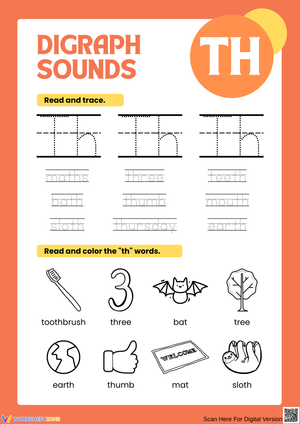
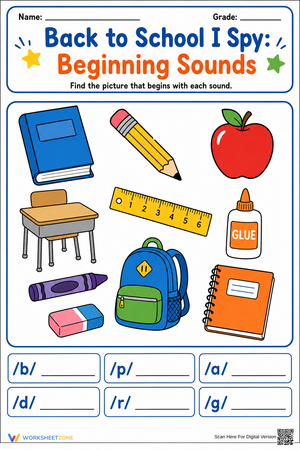
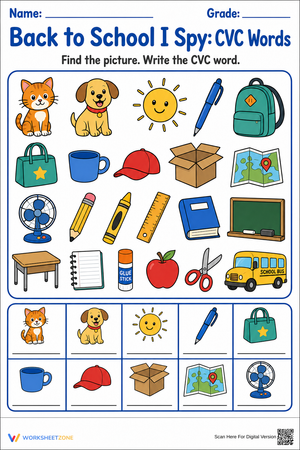
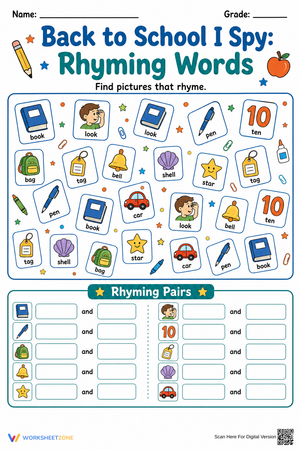
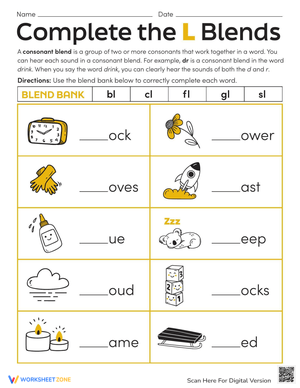
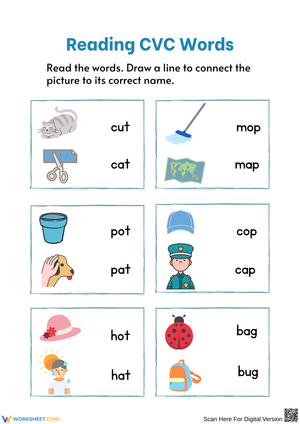
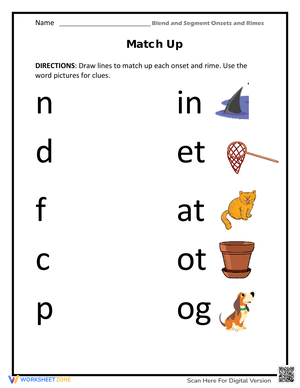
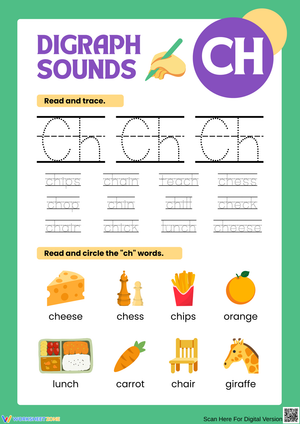
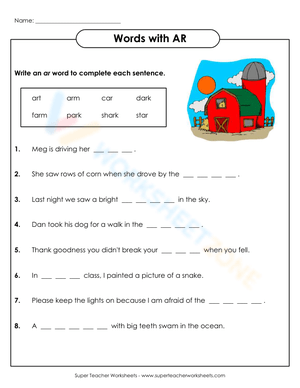
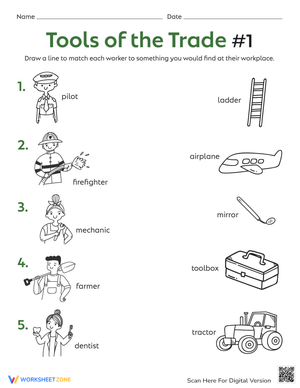
These kindergarten phonics pdf worksheets give teachers print-ready practice that follows the natural arc of early reading development — from first letter-sound connections through short-vowel CVC decoding. Each worksheet targets a single skill, which means teachers can drop one into a morning work bin, a center tub, or a small-group intervention folder without rewriting directions or reconfiguring the task. The set moves with the school year: sound-picture sorting and alphabet knowledge first, phoneme isolation through mid-year, blending and decoding by spring.
Skills These Worksheets Build Across the Year
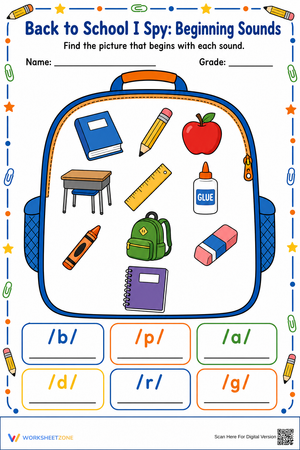
Early in kindergarten, most students need dense repetition with alphabet knowledge before sound work becomes reliable. The first worksheets in the set ask students to circle pictures that begin with a target sound, sort images into two initial-consonant columns, and match uppercase and lowercase letter pairs. The picture support on these worksheets uses simple, unambiguous images — an ox, not an "oxen," a cap rather than a "hat" — so students spend their mental energy on the sound, not on deciding what the picture is meant to show.
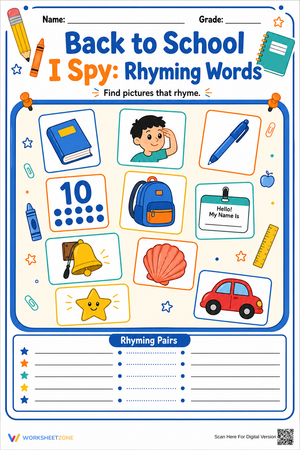
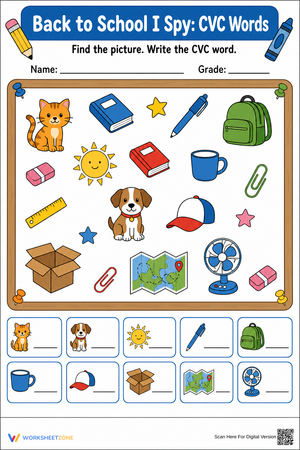
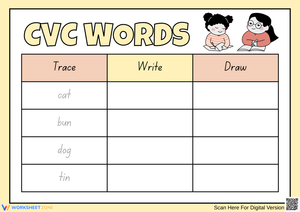
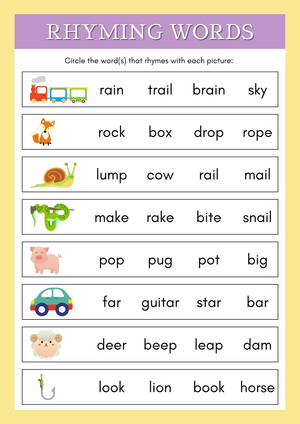
As the year progresses, the worksheets shift from listening tasks toward print. Students identify rhyming pairs, mark the first or last sound they hear in a word, and connect that sound to the letter on the page. That bridge matters: a child who hears that "cat" and "bat" rhyme but can't locate the shared pattern in print isn't ready for decoding yet. Later in the set, the CVC worksheets ask students to:
- tap and count sounds in a three-phoneme word using printed boxes
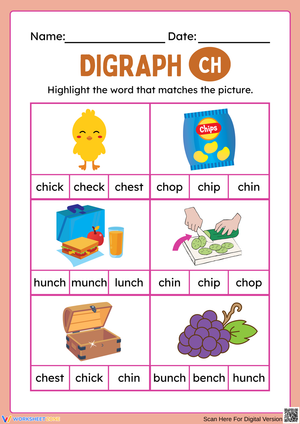
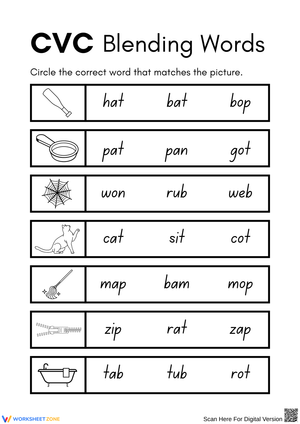
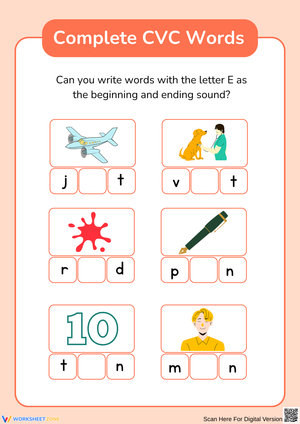
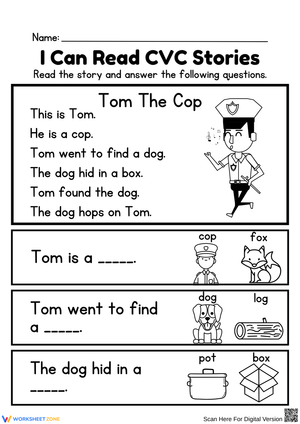
- choose between two spellings to correctly label a pictured object
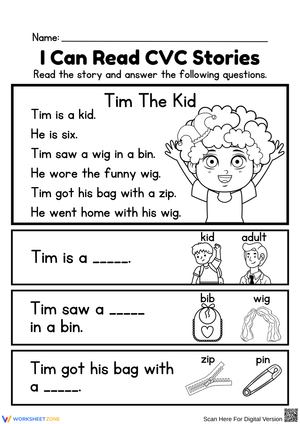
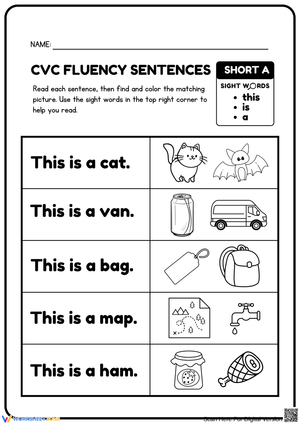
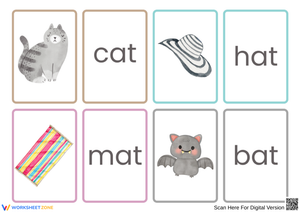
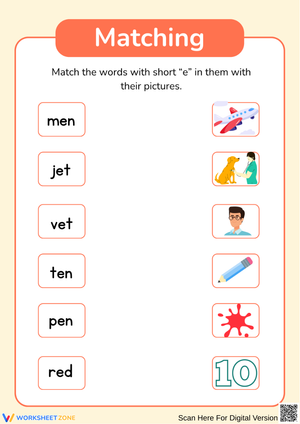
- match a printed word to its picture by reading the full left-to-right sequence
Predictable Error Patterns in Early Phonics Work
Two mistakes appear consistently in kindergarten phonics tasks. The first is letter-name interference. Students who have learned that H is called "aitch" will sometimes produce the name instead of the sound when completing a beginning-sound task. On a worksheet this looks like a random miss — the student skips the picture of the "hat" when circling /h/ words — but the cause is conceptual: the student is confusing the letter's label with the letter's job. A short oral conference usually clears this up quickly, but teachers need to see the pattern before they can address it.
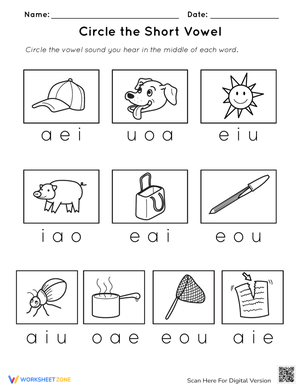
The second is medial vowel confusion, particularly between short /e/ and short /i/. A student who reads "sit" without hesitation may write "set," or mark the picture of a "hen" as matching the word "hin." This is developmentally expected — short medial vowels are among the last phoneme distinctions to stabilize in kindergarten — but the CVC worksheets in this set isolate the vowel choice clearly enough that teachers can catch the confusion before it compounds. That one data point shapes the next small-group lesson more precisely than most end-of-unit scores do.
Fitting These Worksheets Into Your Lesson Block
These resources work best as consolidation after instruction, not as the introduction to a new skill. A practical sequence: introduce the sound pattern in whole group using cards or the board, run two or three oral examples together, then release students to the worksheet while pulling a small group. Assigning a worksheet before any oral work adds unnecessary cognitive load for students still forming sound-symbol connections — it consolidates what was already taught rather than replacing the teaching itself.
In literacy centers, a five-to-eight-minute worksheet works well as a follow-up after hands-on word building with magnetic letters or sound tiles. Students who finish early can flip the worksheet and write the target word from memory — a brief transfer step that needs no extra materials. Organizing a collection of kindergarten phonics pdf worksheets by skill category — beginning sounds, ending sounds, blending, CVC short vowels — in a tabbed folder lets a teacher swap in the right practice in under a minute when a center group finishes ahead of schedule or a small group wraps up early.
Substitute folders are another strong use case. Because each worksheet stands alone with short, visual directions, a substitute can lead a sound review without knowing the classroom's full scope and sequence.
Meeting Different Readiness Levels Across the Same Set
Most kindergarten classrooms include students who are still learning letter names alongside students who are already sounding out short words. For students working on alphabet knowledge, use the beginning-sound sort worksheets with three or four pictures per category and limit the number of answer choices. Strong picture support and fewer options keep the task accessible without eliminating the phonics work entirely.
For students who move quickly through CVC territory, the decoding worksheets extend without extra materials. After a student correctly labels a picture of a "mop," they can write three more short-o words without a picture prompt — a brief generative task that sits at the edge of their current skill. Keeping the worksheet format consistent across readiness levels helps here: students learn the routine quickly, so differentiation happens through task content rather than task structure, and nobody needs a separate set of directions to get started.
Standard Alignment
These worksheets align to the Common Core State Standards for Reading: Foundational Skills at the kindergarten level — specifically RF.K.2 (phonological awareness: rhyming, phoneme isolation, and segmentation) and RF.K.3 (phonics and word recognition: letter-sound correspondences, short vowels in CVC words). RF.K.2 skills appear in the listening-focused worksheets early in the set; RF.K.3 skills appear in the print-connected decoding worksheets that follow. Teachers in states with adapted foundational literacy standards will find that the skill progression maps onto most state frameworks, since these are the same foundational skills identified by the What Works Clearinghouse practice guide on early reading regardless of which standards document a state uses.
Frequently Asked Questions
Do I need a specific phonics program to use these worksheets?
No. Each worksheet is skill-focused and self-contained, so it works alongside any systematic phonics program or as supplemental material when a core reading resource needs more print practice. Match each worksheet to whatever sound pattern has already been introduced that week and the alignment takes care of itself.
How long does each worksheet take students to complete?
Most students finish in five to ten minutes. Students still working through the target skill may take longer, and that variation is itself useful information — it shows where a student's phonics processing slows down. For teachers who use kindergarten phonics pdf worksheets as informal formative checks rather than tasks to simply collect, a worksheet that takes one student three minutes and another twelve minutes tells you something specific and actionable about readiness before the next lesson.
Should these go home in homework folders?
The beginning-sound and rhyming worksheets travel home well because the tasks are visual and require no special instruction to support. CVC decoding worksheets are better kept in school if families aren't familiar with current phonics methods — a parent sounding out words differently than the classroom approach can introduce competing habits that complicate short-vowel work later. Choose take-home worksheets based on whether a family member can support the task accurately, not just willingly.
How do I use completed worksheets to plan reteaching?
Look for patterns across three or four completed worksheets before drawing conclusions. One missed ending sound is noise; five missed ending sounds across different worksheets is a pattern worth addressing in a small group. Teachers who keep a dated stack of kindergarten phonics pdf worksheets sorted by student find that end-of-unit planning becomes faster — the work itself shows which skills held and which ones need another round of direct instruction before moving forward.












 Interactive Worksheet Maker
 Quiz Maker
 Word Search Maker
 Crossword Puzzle Maker
 Word Scramble Generator
 Sentence Scramble Generator
 Handwriting Worksheet Generator
 Name Tracing Generator
 Fill In The Blank Generator