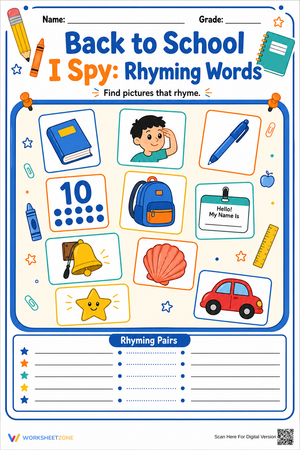
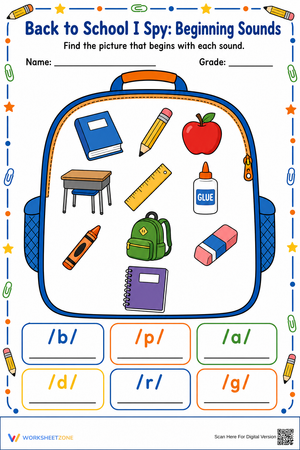
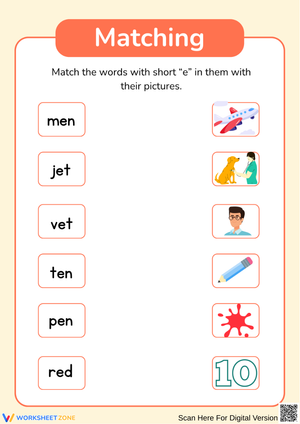
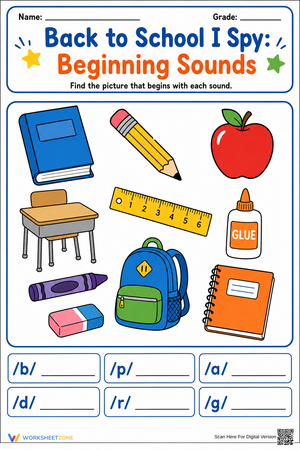
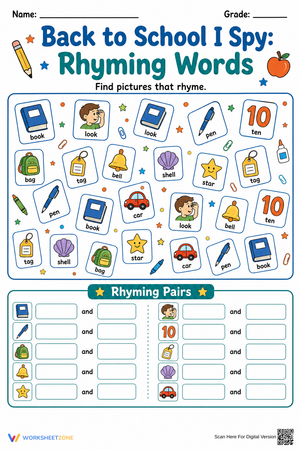
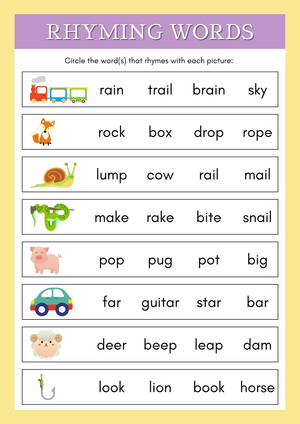
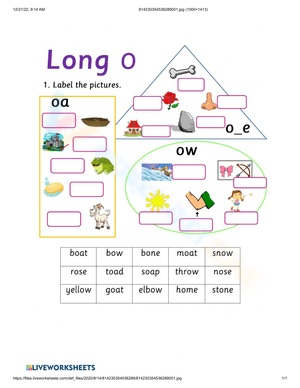
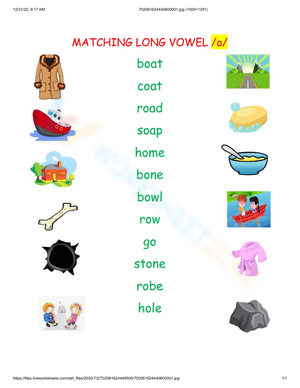
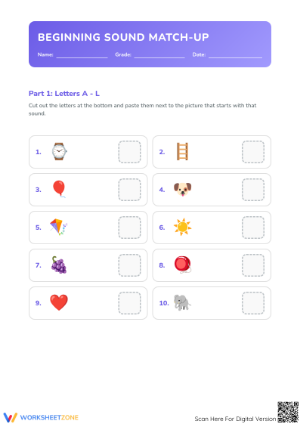
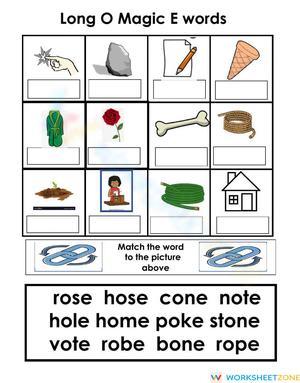
These kindergarten letter sounds worksheets give teachers targeted phonics practice across several task formats — beginning sound matching, CVC short vowel fill-ins, cut-and-sort activities, and letter tracing with picture anchors — covering the letter-sound relationships students are expected to master by end of year. The sequence moves from high-utility consonants like m, s, t, and a into short vowel work, mirroring how most systematic phonics programs are structured. Each worksheet isolates one phonics concept, which matters for five-year-olds whose working memory is still developing alongside their decoding skills.
The Specific Skills Each Worksheet Targets
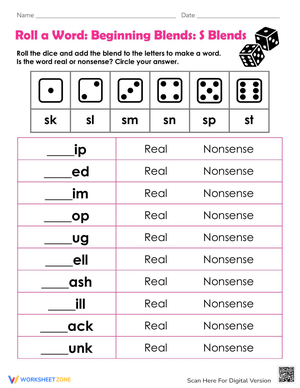
The set covers letter-sound correspondence in both directions: students see a printed letter and produce its sound, and they hear a sound and identify its letter. Both directions matter because students can often perform one without the other — a gap that doesn't appear until you actually test both. The activities across the set fall into these categories:
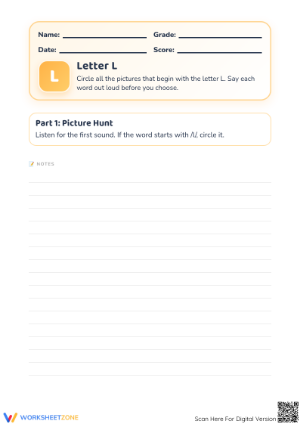
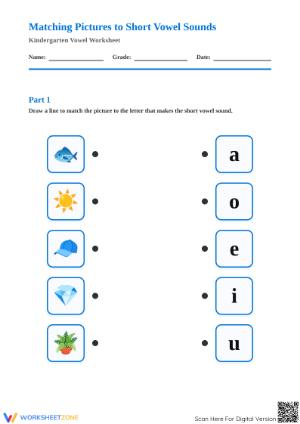
- Beginning sound picture matching — students draw a line from a familiar image to its starting letter, building vocabulary and phonics at the same time
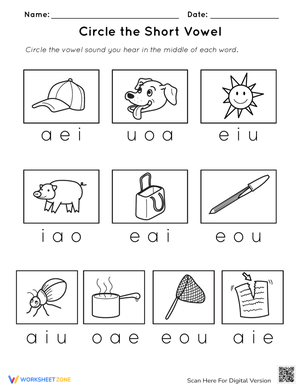
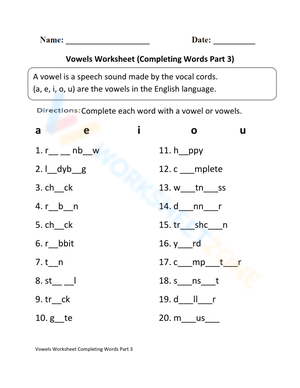
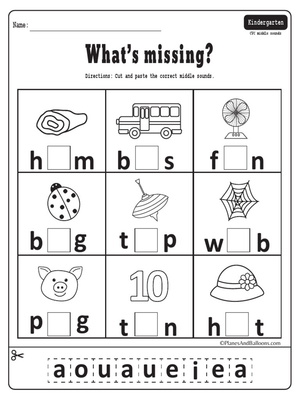
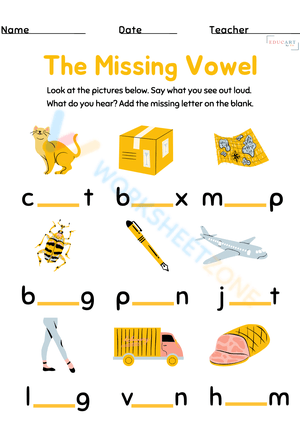
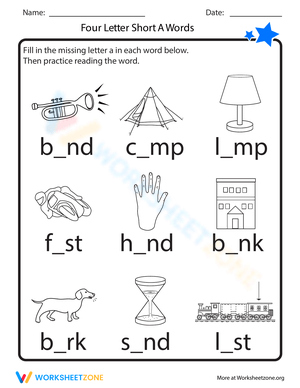
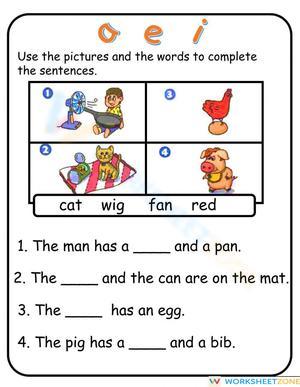
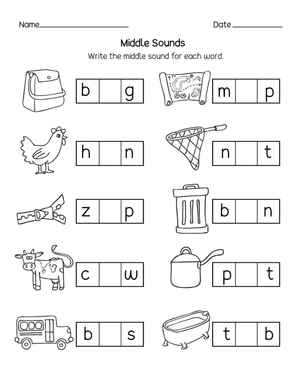
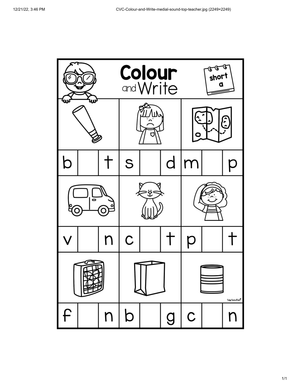
- Short vowel CVC fill-ins — students look at a picture of an object like a net, a log, or a lip and write the missing vowel to complete the word
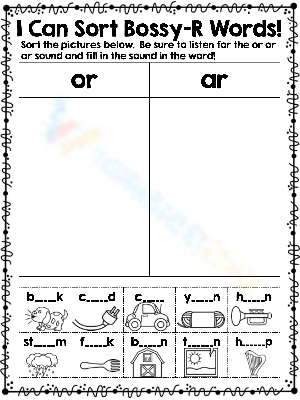
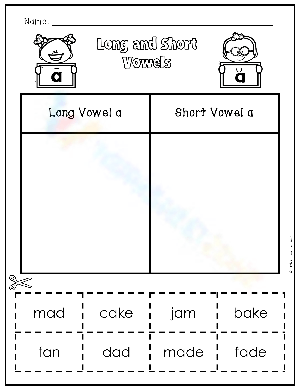
- Cut-and-sort by initial consonant — students cut out images and place them under the correct letter header, combining fine motor practice with sound categorization
- Ending sound isolation — these tasks appear later in the sequence, once beginning sounds are stable enough that splitting attention between initial and final position doesn't overwhelm
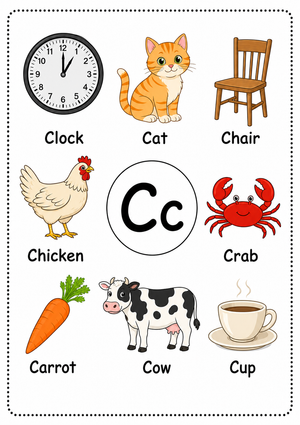
- Letter tracing with sound anchors — each tracing task pairs the letter with a picture and word prompt so students say the sound while forming the letter, engaging auditory and motor memory simultaneously
Student Mistakes Worth Knowing Before You Teach
The error that shows up most reliably in early phonics work isn't b/d reversal — that's real, but it isn't the most disruptive. It's short vowel conflation. Students who correctly identify that "pig" starts with /p/ will often write peg when asked to spell independently, because /ɪ/ and /ɛ/ sound nearly identical to ears still tuning in to fine phonemic distinctions. The CVC fill-in tasks surface this error clearly: a student who circles the wrong vowel has a different problem than a student who misidentifies the initial consonant, and the instructional response is different too.
The b/d confusion, when it does appear, is frequently a visual-spatial issue rather than a phonics breakdown. Watch whether a student hesitates at the letter choice or at the picture identification — that distinction tells you which side of the correspondence needs work. Treating a letter orientation problem like a sound confusion problem sends small-group instruction in the wrong direction.
A third pattern worth watching: students who perform well on picture-supported tasks stall when pictures are removed. If every practice session has paired a moon image with the letter m, the student may not have internalized that /m/ belongs to m without the visual anchor. Introducing some picture-free tasks earlier than feels comfortable usually accelerates that transfer.
Building These Worksheets Into Your Weekly Routine
As morning work, a beginning-sound matching task gives students something independent and familiar to land on when they arrive. The format needs to be one students have already seen modeled — morning work is not the place to introduce new directions. The eight minutes before the morning meeting is not time you can afford to spend re-explaining a task.
In small-group instruction at the teacher table, these resources become a live diagnostic tool. Sit beside a student during a CVC fill-in and listen to how they say the word before choosing the vowel. Many students who mark the wrong letter are actually saying the word correctly — the phoneme production is fine, but the sound-to-symbol link isn't solid yet. That is a very different gap than a student who is mispronouncing the vowel entirely. Kindergarten letter sounds worksheets used at the teacher table function less like finished assignments and more like a recorded conversation about where each student's phonics knowledge actually sits.
For literacy rotations, introduce each task format during whole-group instruction at least two days before placing it in the center. Kindergarteners who encounter unfamiliar directions at an independent station spend their rotation time confused rather than practicing. Cut-and-sort activities work especially well in centers — add safety scissors and a glue stick, or slide a worksheet into a dry-erase sleeve so students can draw lines with a marker and the activity can run across multiple rotations without reprinting.
Adjusting the Set for a Wide Range of Readiness Levels
Every September kindergarten class contains students who can already read simple words and students who are still learning to recognize their own names in print. Neither group benefits from work pitched at the wrong level.
For students still building letter recognition, reduce the field of choices on any matching task. Cover the lower half of a worksheet with a sticky note, or pre-circle two plausible answer choices so the student is making a sound discrimination decision rather than visually searching through eight unfamiliar letters. An alphabet chart with picture cues on the desk serves as a reference without turning the activity into a copying exercise.
For students who have already internalized beginning sounds, the most useful extension is asking them to flip a worksheet over and write three words that start with the target letter — no pictures, no letter bank. Students who are ready for more can work on ending sounds or identify the middle vowel in a CVC word instead of just the initial consonant. Kindergarten letter sounds worksheets carry the most value for advanced students when the completed task serves as a launching point for something harder, not the endpoint of the lesson.
Standard Alignment
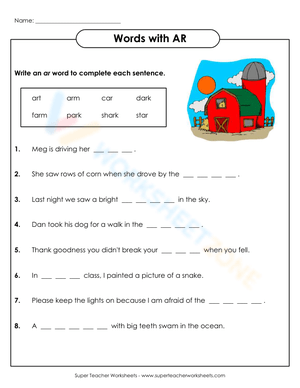
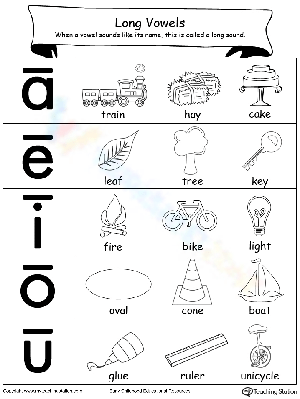
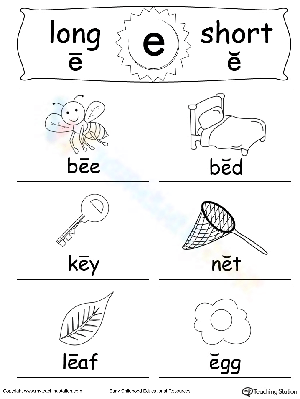
The primary standard addressed across this set is RF.K.3a, which asks students to demonstrate one-to-one letter-sound correspondence by producing the primary or most frequent sound for each consonant. In classroom terms, that means the standard runs in both directions: a student hears /k/ and writes k, and a student sees k and says /k/. Students can often pass a single-direction check while still carrying a gap in the other direction, which is why the task formats here deliberately practice both. The CVC short vowel fill-ins also address RF.K.3b, which extends phonics work to distinguishing long and short vowel sounds in common one-syllable words.
Frequently Asked Questions
What order should I introduce letter sounds in?
Most reading researchers advise against teaching letters in alphabetical order. A more practical sequence starts with high-utility consonants — m, s, t, p — paired with the short vowel a early enough that students can build and read real words like mat, sat, and tap within the first few weeks of school. That early word-building step produces confidence that alphabet-order instruction simply doesn't deliver. Most kindergarten teachers use the sequence embedded in their core phonics program and pull from this set at the point each sound appears in that sequence.
How do these worksheets function as formative assessment?
A completed worksheet tells you more than a score. Look at which specific items a student missed rather than counting total errors. A student who misses every short e item but gets everything else correct has a different instructional need than a student whose errors are scattered across sounds. Keep a simple tracking sheet on a clipboard during center time and note patterns across three or four students working on the same activity. Those observations are usually enough to form targeted small groups for the following week without running a separate assessment tool.
What should early finishers do once they complete a worksheet quickly?
The most natural extension is asking students to write one or two sentences using words they decoded during the activity. A student who completed a beginning-b matching task can write "The bat is big" — a sentence that requires applying the sound independently rather than just recognizing it in a matching field. For students writing sentences fluently, ask them to draw and label three new pictures that start with the target sound, specifically pictures the worksheet did not include. Kindergarten letter sounds worksheets are most useful when teachers treat them as a floor, not a ceiling.












 Interactive Worksheet Maker
 Quiz Maker
 Word Search Maker
 Crossword Puzzle Maker
 Word Scramble Generator
 Sentence Scramble Generator
 Handwriting Worksheet Generator
 Name Tracing Generator
 Fill In The Blank Generator