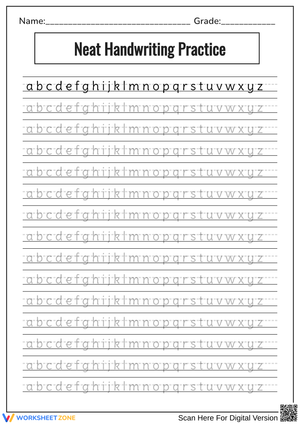
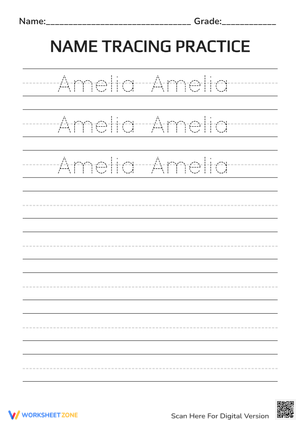
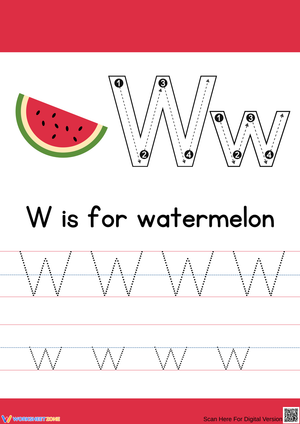
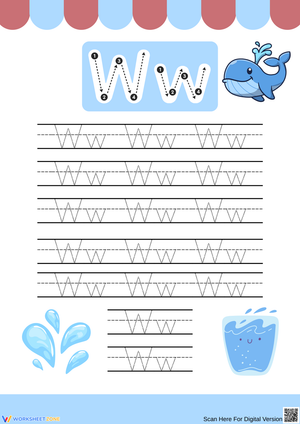
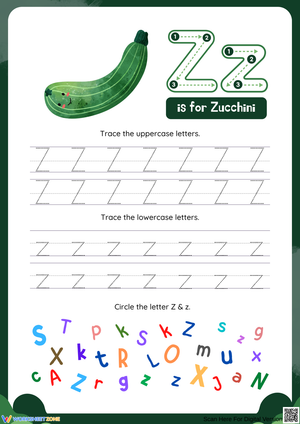
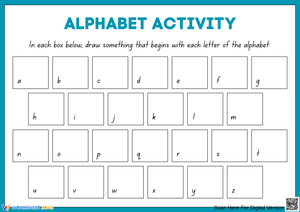
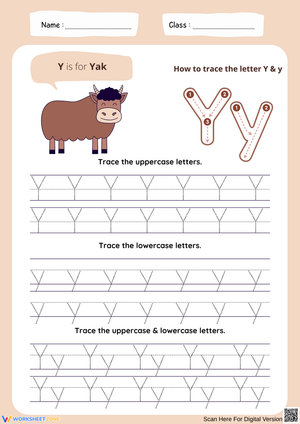
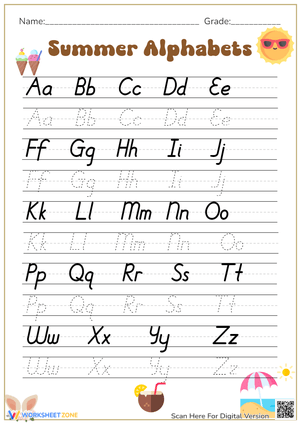
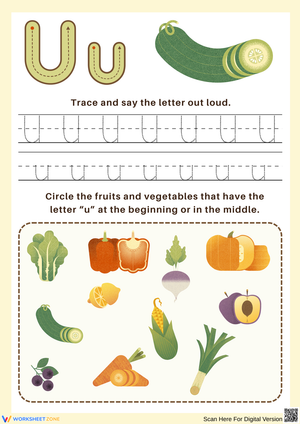
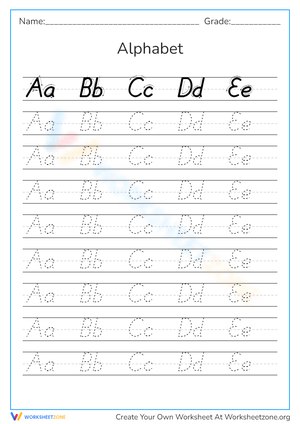
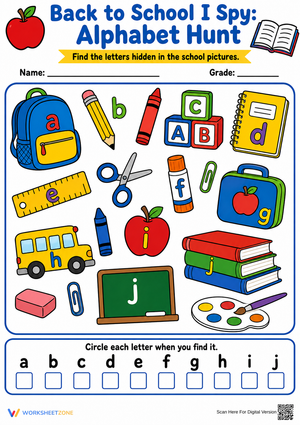
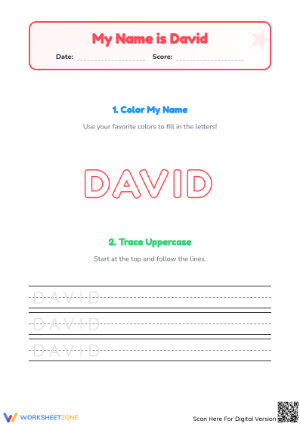
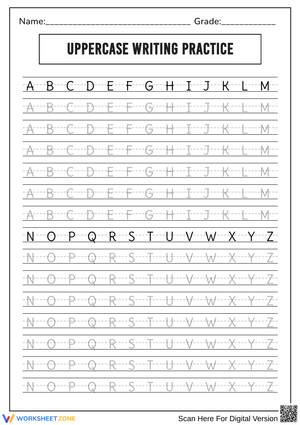
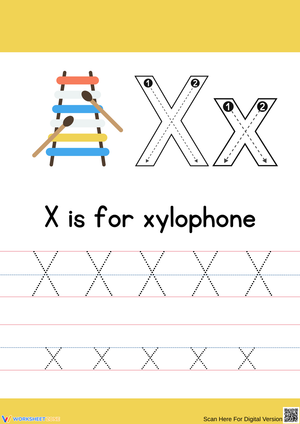
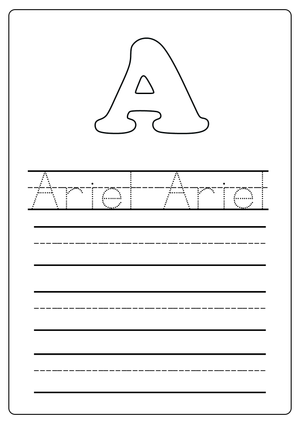
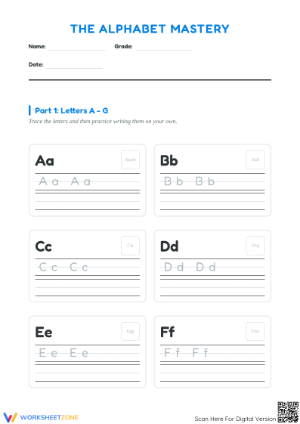
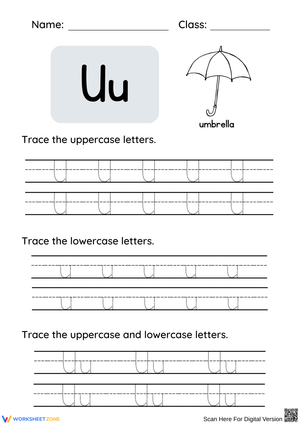
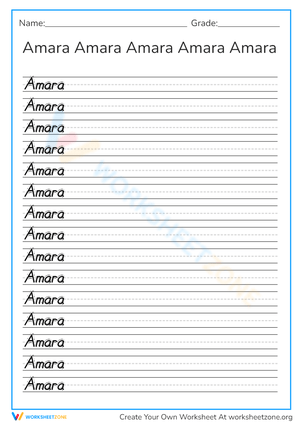
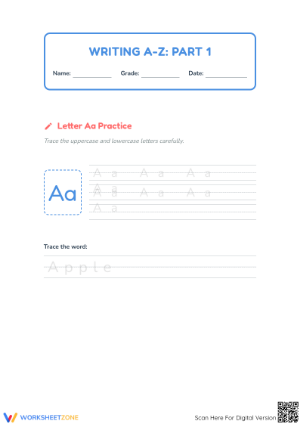
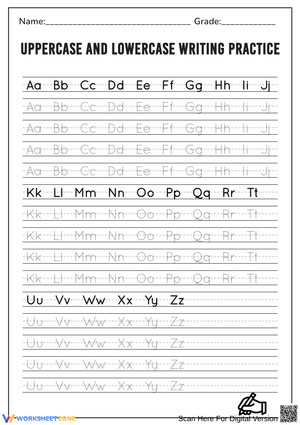
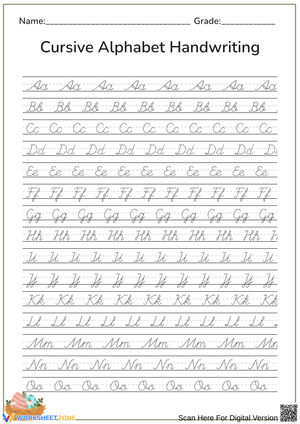
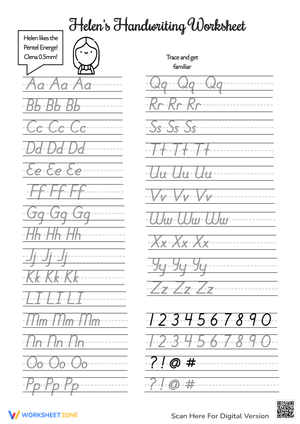
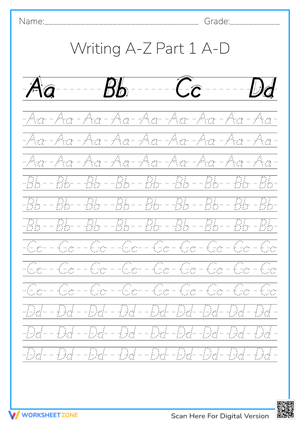
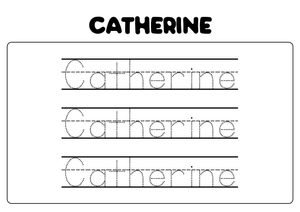
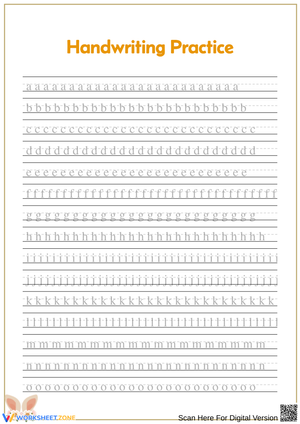
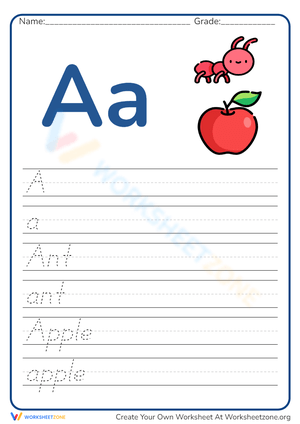
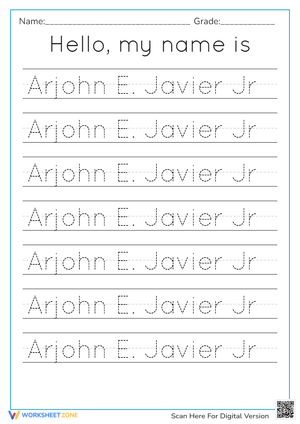
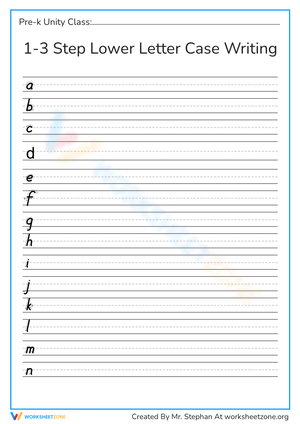
These 1st grade alphabet handwriting printable worksheets resources give teachers a daily structure for letter formation practice at the exact developmental window when consistent repetition matters most — not after reversals have calcified into habit, but before they form at all. Each worksheet targets a single letter, moving students from a labeled directional model through tracing rows and onto blank primary lines where they write independently.
The Specific Skills Each Worksheet Builds
The practice in this set covers all 26 upper- and lowercase letters, with each worksheet treating its letter as a complete unit: correct starting stroke, directional pull, placement relative to the midline, and final independent production. Students trace, then write with decreasing support, building toward the automatic formation that sustained writing demands.
- Starting stroke recognition, organized by motor-family groupings — c-curve letters (a, d, g, q) and bump letters (b, h, m, n, r) treated as distinct categories
- Placement relative to the midline: tall letters, short letters, and descenders each handled as a separate spatial problem
- Stroke sequence reinforced through numbered directional arrows on every letter model
- Letter naming and phoneme production paired with physical formation during the independent rows
- Final writing on four-line primary paper with top rule, dashed midline, solid baseline, and descender guide
Why the Tracing-to-Independent Format Works at This Grade
Cognitive load theory explains why first graders need the progression built into each worksheet. When a student is still consciously deciding which direction a letter faces, that deliberate processing consumes working memory that would otherwise go toward phonics application, word meaning, or sentence construction. Automaticity in letter formation is the actual goal — not legibility for its own sake, but legibility as a byproduct of internalized motor patterns that no longer require conscious attention. The gradual release sequence (modeled example → traced rows → independent rows) is the most direct route to that automaticity.
There is also a phonics integration argument worth making. Research consistently shows that forming a letter by hand while saying the phoneme aloud activates memory encoding in a way that tracing on a screen does not. When teachers instruct students to whisper the letter's sound during the independent rows, the worksheet becomes a combined phonics and motor practice tool simultaneously. That connection matters in first grade, where phonics instruction and handwriting are often scheduled in separate blocks despite reinforcing the same underlying code.
Letter Formation Errors Worth Catching Early
The most persistent handwriting errors in first grade are not messy letters — they are systematic reversals caused by wrong starting strokes. A student who draws the vertical stick of a 'd' first, then adds a bump to the right, is producing the exact motor pattern that generates a 'b'. The root of the reversal is not visual confusion; it is a starting-stroke problem. These worksheets address that directly: the starting dot on the 'd' sits at the two-o'clock position on the letter body, and the directional arrow initiates a c-curve before the vertical stroke is added. Once students understand that 'a', 'd', 'g', and 'q' all open with the same c-curve, reversals within that family drop sharply because students are reasoning from a motor category rather than memorizing each letter individually.
A second pattern teachers encounter: letters that migrate off the baseline or crowd above the midline. Short vowels like 'a', 'e', and 'o' should sit between the baseline and the dashed midline — but students who have not yet internalized those two reference lines produce writing where those letters float, bump into ascenders, or collapse unpredictably. The four-line ruling on these worksheets gives students the visual frame they need to self-monitor placement. Worksheets printed on standard notebook lines provide only half the reference information a first grader actually needs.
Building These Worksheets Into Your Daily Rotation
The seven to ten minutes while students arrive, unpack, and settle before morning meeting is consistently underused instructional time. A handwriting worksheet placed on desks before students enter gives them an immediate task, keeps the room orderly, and adds focused letter-formation practice to every school day. Across a 36-week year, five minutes of daily morning practice compounds into a substantial block of high-repetition, low-anxiety work that whole-class instruction alone cannot replicate.
During literacy centers, these worksheets function as a fully independent station — no teacher facilitation required to start. One practical adjustment: slide the worksheet into a clear dry-erase sleeve and have students practice first with a thick dry-erase marker before completing the paper copy. The thicker barrel of a dry-erase marker is genuinely easier to control for students with limited fine motor strength, and the ability to wipe and repeat on the same letter model accelerates the early formation stages. Reserve the paper copy for the session when a student is ready to demonstrate what they have actually internalized.
For any new letter introduction, have students form the letter in the air using the full arm — shoulder to fingertip — before pencil touches paper. This two-minute gross-to-fine motor sequence primes the movement memory that the fine motor task then refines. Teachers who use this approach consistently report fewer mid-worksheet corrections on letter size and stroke direction.
Standard Alignment
CCSS.ELA-LITERACY.L.1.1.A requires that first graders print all upper- and lowercase letters. In classroom terms, this standard is not addressed in a single handwriting unit — it is assessed continuously through writing samples, dictation tasks, and independent writing all year long. The 1st grade alphabet handwriting printable worksheets set fits a distributed practice model: introduce a letter cluster during phonics instruction, assign the corresponding worksheet for morning work that week, then return to the same letter four to six weeks later for a brief review session. That spacing effect — revisiting the motor pattern after a deliberate gap — produces more durable long-term retention than massing all 26 letters into a concentrated three-week sequence at the start of the year.
Adjusting the Worksheets for a Range of Learners
Students who already form letters legibly and automatically — typically those with substantial preschool writing experience — do not need the tracing rows. Direct them immediately to the independent rows and extend the task: write the letter, then write a word that contains it, then use that word in a spoken sentence. That three-step extension requires no additional prep and keeps these students working with letter formation in a meaningful context rather than simply finishing early and waiting.
For students working below grade level, particularly those with notable fine motor delays, the 1st grade alphabet handwriting printable worksheets pages work best as a final step in a multi-stage sequence rather than a starting point. Pair each worksheet with a tactile pre-writing activity — tracing the letter in a sand tray, shaping it with modeling clay, or finger-tracing a textured raised model — before the student picks up a pencil. That physical progression from gross motor to fine motor reduces the frustration that hits students who freeze when a blank primary line is the first thing they encounter.
Frequently Asked Questions
How many minutes a day should first graders spend on handwriting practice?
Ten to fifteen minutes of dedicated daily practice is the standard recommendation for first grade. Short, consistent sessions build motor memory more effectively than longer sessions spaced across the week. Five minutes every morning is more productive than forty-five minutes on Friday — frequency matters more than duration at this age.
What ruling size works best for first-grade handwriting paper?
Most first-grade handwriting paper uses a five-eighths to three-quarters inch ruling. That spacing accommodates developing fine motor control and gives students enough room to form letters without strokes crowding together. The dashed midline within that ruling is what separates genuinely useful primary paper from standard notebook lines — without it, students have no reference point for letter height.
How do the worksheets address b and d reversals specifically?
Each worksheet marks the correct starting point with a dot and sequences the strokes with numbered directional arrows. For 'd', the sequence begins at the c-curve — not at the top of the vertical stick, which is exactly where the reversal originates. When students consistently practice initiating 'd' with the c-curve first, the motor pattern that produces 'b' is never reinforced. Grouping 'a', 'd', 'g', and 'q' as a shared c-curve family gives students a motor category to reason from rather than trying to recall each letter as a separate visual memory.
Does it matter whether the worksheets use standard manuscript or D'Nealian lettering?
Both styles produce proficient handwriters when taught explicitly and practiced consistently. Standard manuscript aligns closely with the letter forms students encounter in early decodable readers, which makes it easier to connect written production to print recognition during the same school day. D'Nealian introduces a slight rightward slant and letter tails designed to simplify the eventual transition to cursive. The 1st grade alphabet handwriting printable worksheets resources in this set use standard manuscript, but the formation principles — correct starting strokes, directional pulls, four-line placement — transfer directly to D'Nealian instruction as well.