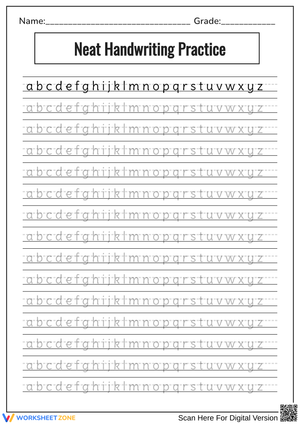
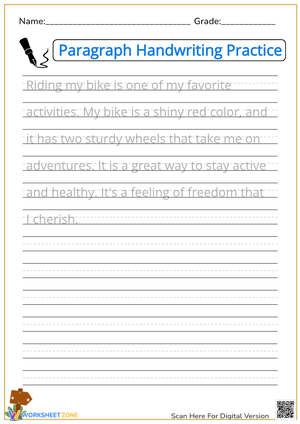
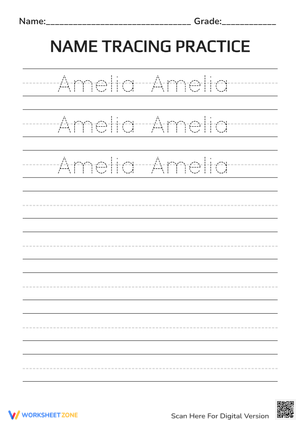
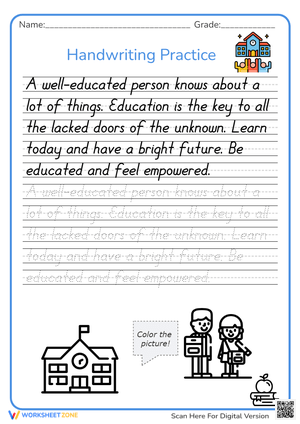
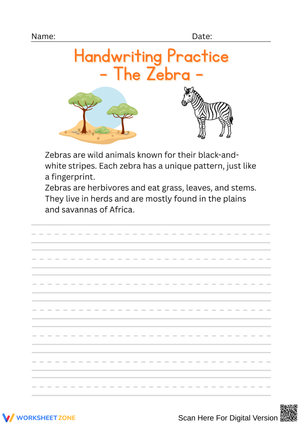
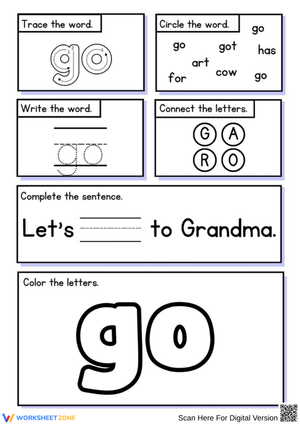
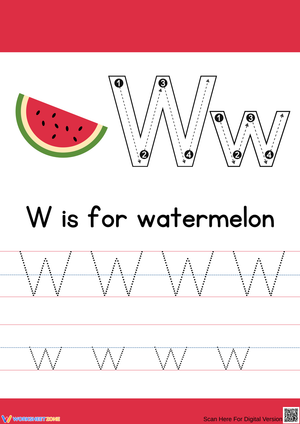
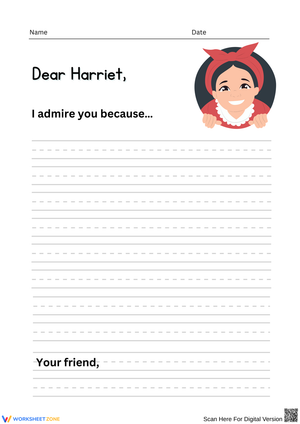
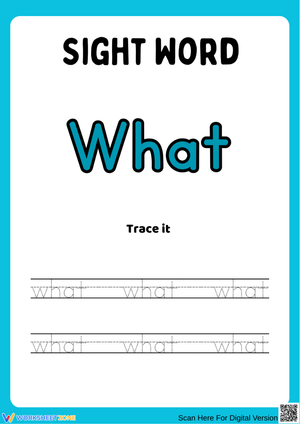
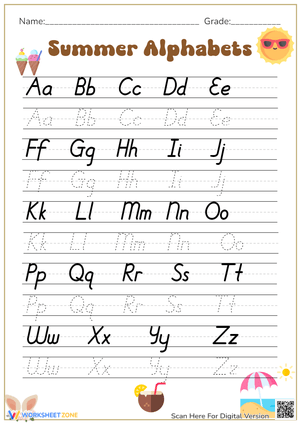
First grade teachers know that handwriting cannot be squeezed into one lesson a week and expected to stick. Letter formation is a motor skill, and motor skills need repetition spread across many short sessions rather than one long block. 1st grade handwriting worksheets work best when they anchor a brief, predictable routine that students can complete almost automatically once the pattern is set.
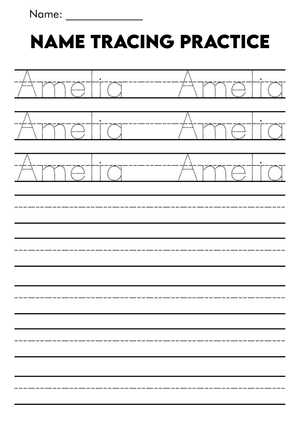
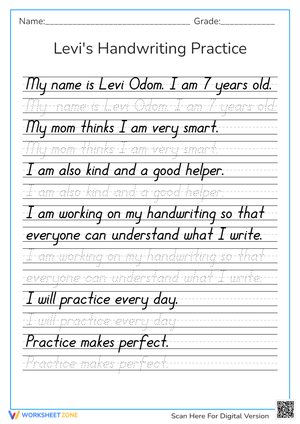
A simple warm-up structure - trace, copy, then write independently - gives every worksheet a clear purpose. Students are not guessing what to do; they are moving through a sequence that builds toward unsupported writing. This predictability matters especially for six and seven year olds who thrive on routine and get anxious when expectations shift daily.
Research from literacy specialist Louisa Moats points to about 10-15 minutes per day of direct letter formation instruction as an effective target for K-1 classrooms. That is a manageable slice of a crowded schedule, and it is short enough to protect the rest of your literacy block while still giving handwriting the consistent attention it needs.
Many commercial worksheet sets move straight through the alphabet from A to Z, but that order is not the most efficient path for beginning writers. Letters share underlying stroke patterns, and grouping practice by those patterns lets students transfer motor control from one letter to the next instead of relearning a new movement every day.
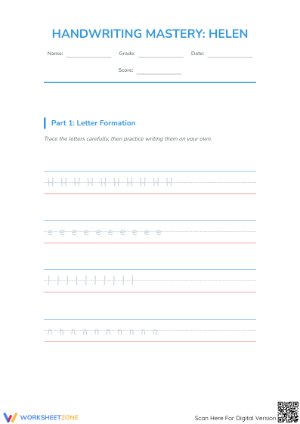
- Straight-line letters first: l, i, t, and similar shapes that rely on vertical and horizontal strokes
- Curved letters next: c, o, a, and other round-shape letters
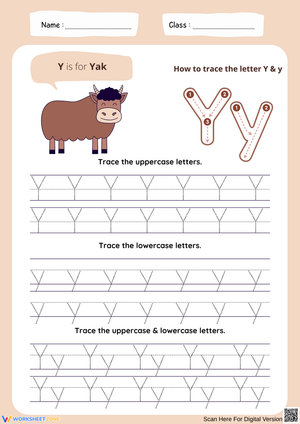
- Diagonal and combination letters last: k, x, y, and letters that blend multiple stroke types
When you choose or sequence 1st grade handwriting worksheets around these groupings, students build a repeatable motor pattern before moving to the next challenge. This approach also makes it easier to spot exactly where a student is struggling, since you can isolate whether the issue is with straight lines, curves, or diagonals rather than treating handwriting as one undifferentiated skill.
Using Short, Frequent Sessions to Build Automaticity
Brief, frequent practice sessions of 5-10 minutes tend to outperform longer, sporadic sessions when the goal is automatic letter formation. This lines up with what most 1st grade teachers already sense: a rushed 20-minute handwriting block once a week produces far less retention than five minutes built into the daily routine.
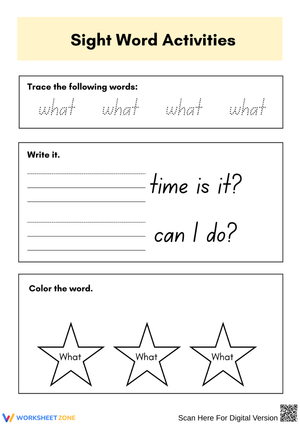
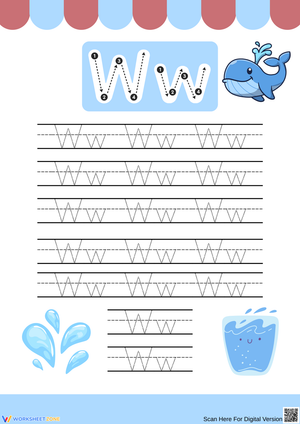
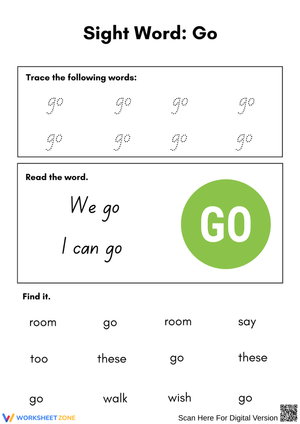
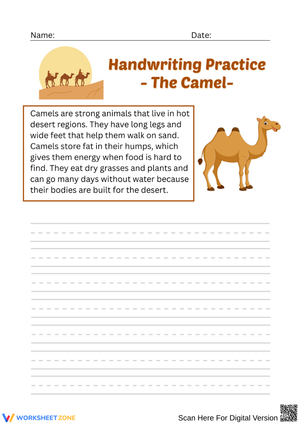
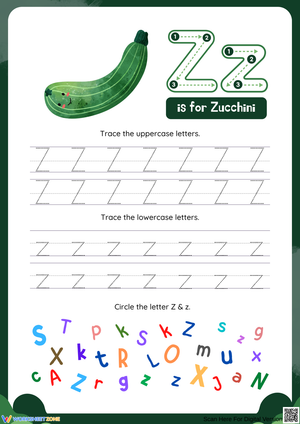
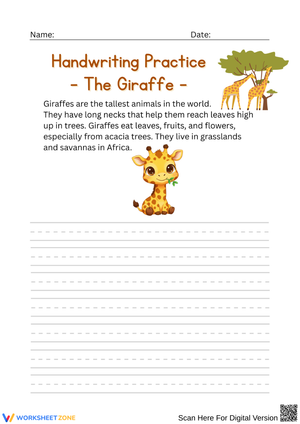
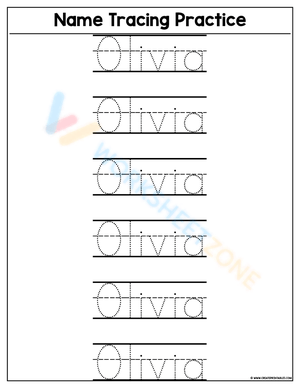
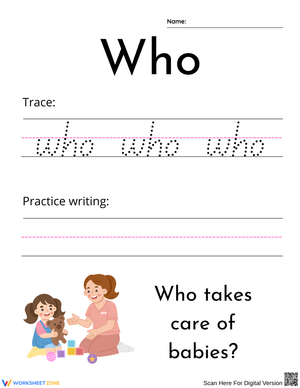
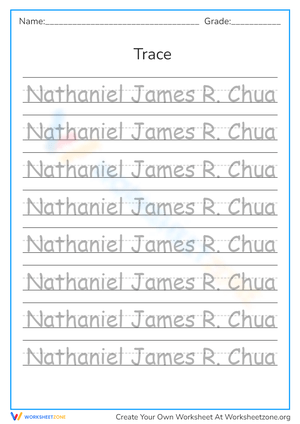
Students typically need 5-10 repeated practice opportunities per letter, and varying the format keeps that repetition from feeling stale. Tracing dotted letters, copying a model letter freehand, and tactile practice such as forming letters in sand or on textured paper all reinforce the same motor pathway through different sensory channels. Worksheets that combine two or three of these formats on a single page give you built-in variety without adding prep time.
Classroom Implementation
Building 1st grade handwriting worksheets into your daily schedule works best with a few concrete habits.
- Anchor the routine to a consistent time, such as right after morning meeting, so students know what to expect
- Keep each worksheet focused on one or two letters rather than a full row of unrelated letters
- Rotate tracing, copying, and independent writing across the week instead of using the same format every day
- Save a few completed worksheets per student each month to compare formation over time
- Pair worksheet practice with a brief verbal cue, such as naming the starting point and direction of each stroke, so students connect the motor action to language
These habits keep handwriting practice efficient, which matters because time in a 1st grade day is scarce and every other subject is also competing for those minutes.
Protecting Fine Motor and Handwriting Time in a Packed Schedule
First grade classrooms already juggle phonics, guided reading, math, and social-emotional learning, so any handwriting routine has to earn its place. Data on how young students spend their day helps make the case: students in early grades spend 37.1 percent to 60.2 percent of the school day on fine motor activities broadly, with handwriting itself accounting for 3.4 percent to 18.0 percent of that time.
That range shows handwriting is already a meaningful part of the school day even when teachers do not explicitly schedule it, which is an argument for making that time intentional rather than incidental. A short, worksheet-driven routine lets you claim a deliberate slice of that time rather than letting handwriting happen only during transitions or free writing.
Monitoring Progress Through Worksheet Samples
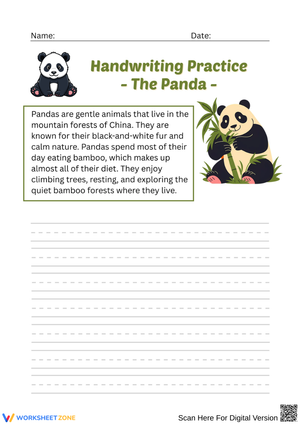
Because 1st grade handwriting worksheets produce a physical record of student work, they double as an easy progress-monitoring tool. Keeping dated samples from the same student across several weeks makes it simple to spot patterns such as persistent letter reversals, inconsistent letter sizing, or uneven spacing between words.
A quick monthly check-in - pulling three or four worksheets per student and comparing them side by side - takes just a few minutes but gives you concrete evidence for parent conferences, IEP documentation, or referrals to a fine motor specialist if a student is not progressing as expected.
Frequently Asked Questions
1. How much time should 1st graders spend on handwriting practice each day or week
Aim for about 10-15 minutes of direct instruction per day, which aligns with guidance from literacy specialist Louisa Moats for K-1 classrooms. Across a full week, K-3 handwriting mastery generally calls for 50-100 minutes of total instruction, so a short daily routine adds up to meaningful practice without overwhelming the schedule.
2. What order should letters be introduced in for handwriting worksheets
Sequencing by stroke pattern rather than alphabetical order tends to work better for beginning writers. Start with straight-line letters, move to curved letters, and finish with diagonal or combination letters so students can transfer motor control from one letter to the next.
3. How can teachers use handwriting worksheets for intervention or small groups
Group students by shared needs, such as letter reversals or pencil grip challenges, and use worksheets with wider tracing guides or larger letter models for extra repetition. The familiar worksheet format means students do not need new instructions, just more focused practice on their specific pattern.
4. How do handwriting worksheets support later writing fluency and composition
Once letter formation becomes automatic, students spend less mental effort on the physical act of writing and more on spelling, sentence structure, and idea development. This is one reason consistent early practice tends to show up later as stronger, longer independent writing.
5. How can teachers tell if a student needs extra handwriting support
Save a handful of dated worksheet samples per student every month and compare them over time. Look for persistent reversals, inconsistent sizing, or uneven spacing that does not improve with regular practice, which can signal the need for more targeted intervention.












 Interactive Worksheet Maker
 Quiz Maker
 Word Search Maker
 Crossword Puzzle Maker
 Word Scramble Generator
 Sentence Scramble Generator
 Handwriting Worksheet Generator
 Name Tracing Generator
 Fill In The Blank Generator