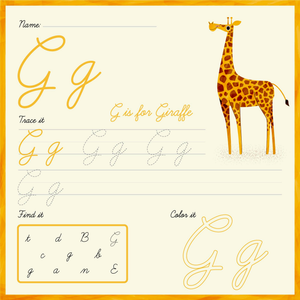
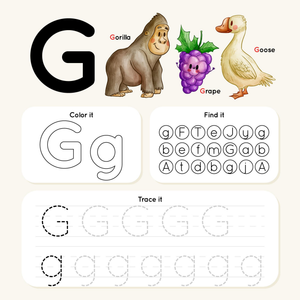
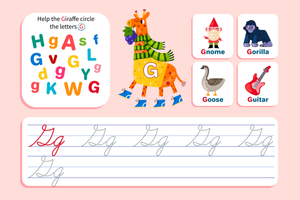
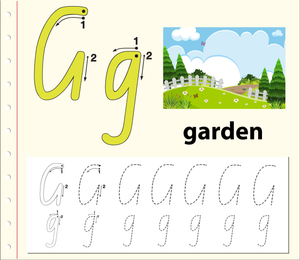
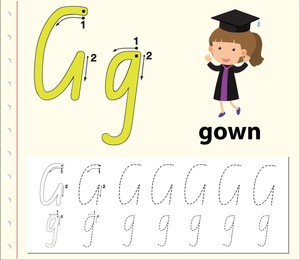
Letter G gives many first graders trouble because it combines a curved bowl with a straight or hooked descender, asking young hands to shift direction mid-stroke. For a class still building pencil control, that shift is where reversals and stray loops creep in. A focused set of letter G handwriting worksheets gives teachers a repeatable way to isolate this one letter and watch students work through the motion again and again until it becomes automatic.
Grade 1 handwriting blocks are short, so every minute matters. Worksheets built specifically around G let a teacher target stroke order, starting point, and curve direction without asking students to juggle several new letters at once. That narrow focus is especially useful early in the year or during a letter-of-the-week review cycle.
Building a Letter G Lesson: Air Tracing to Independent Writing
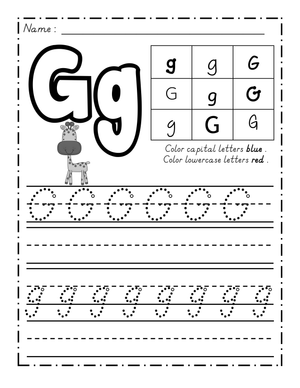
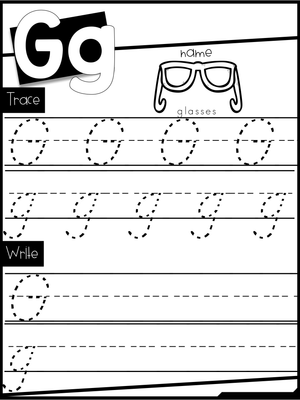
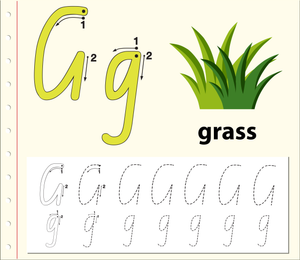
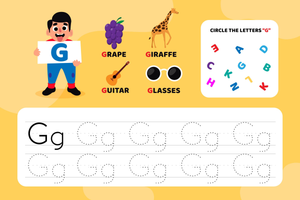
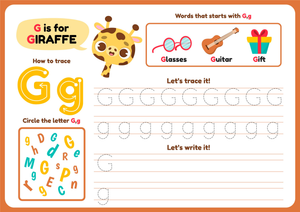
A dependable sequence for teaching any letter, including G, moves from verbal description to full independence. Say the stroke path out loud (start below the top line, curve left and around, come back toward the middle), then have students trace the shape in the air with a finger. From there, move to guided tracing on paper with dotted or shaded letters, and finish with independent writing on plain lines.
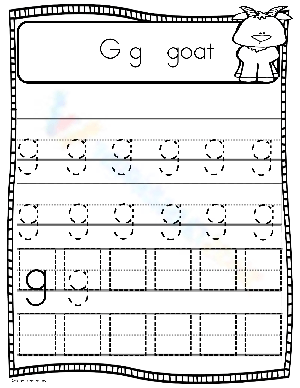
This progression matters because first graders build reliable letter memory through repeated, varied practice rather than a single worksheet. Rotating between tracing pages, dotted-line copying, and blank-line writing keeps the practice from feeling repetitive while reinforcing the same motor pattern.
Common Formation Errors and How Worksheets Target Them
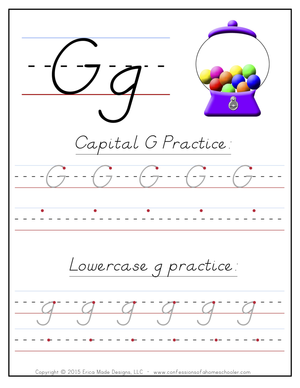
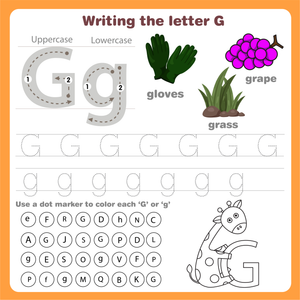
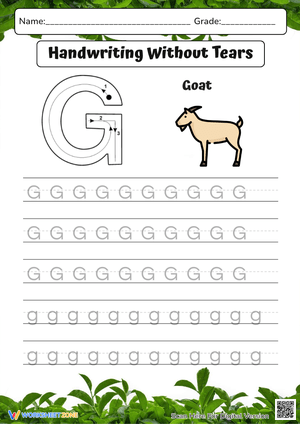
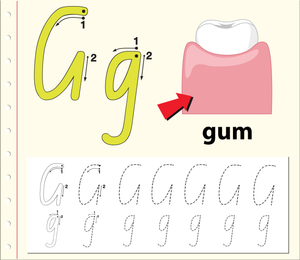
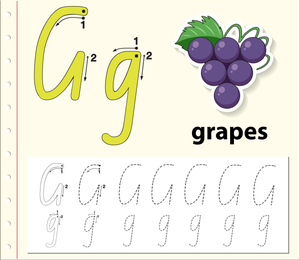
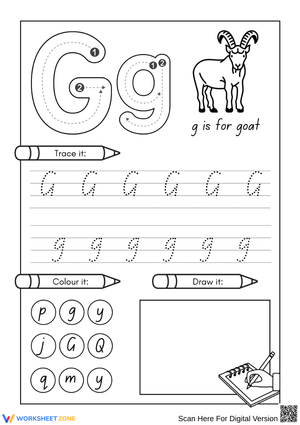
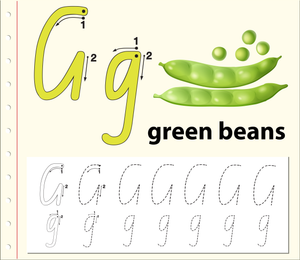
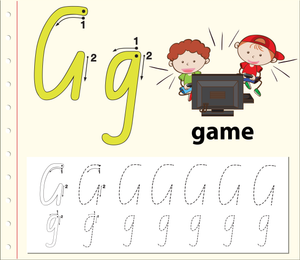
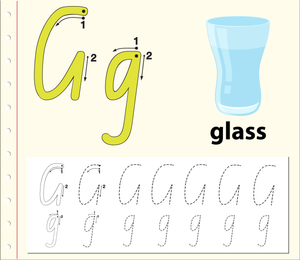
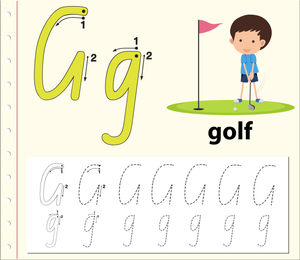
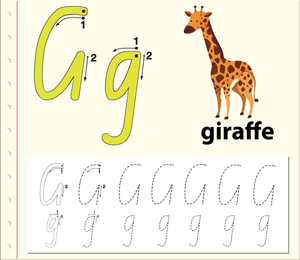
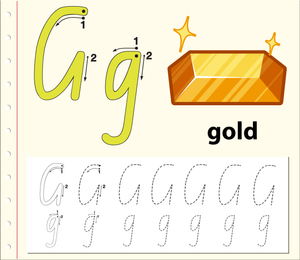
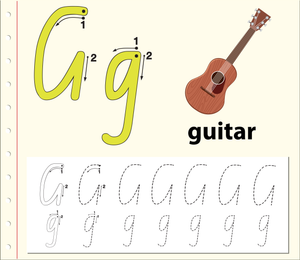
Three mistakes show up again and again with letter G in grade 1: starting the curve at the wrong point, closing the bowl into a shape closer to an O, and forgetting the small inward hook that distinguishes many manuscript G styles. Worksheets that include numbered arrows and starting dots give students a visual anchor so they do not have to guess where to begin.
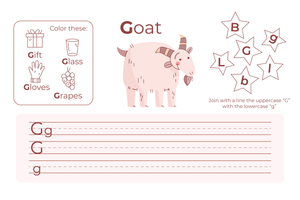
Reversal errors are common at this age because young readers and writers are still building stable visual memory for letter shapes. Worksheets that pair uppercase and lowercase G side by side, rather than teaching them on separate days, help students notice the shared curve and reduce confusion between the two forms.
Using These Letter G Handwriting Worksheets In Grade 1 Handwriting Lessons
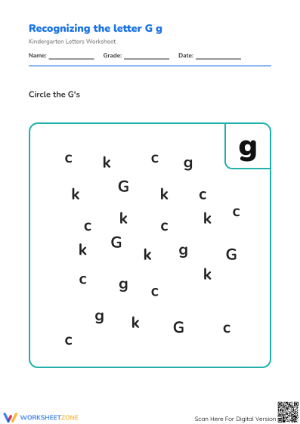
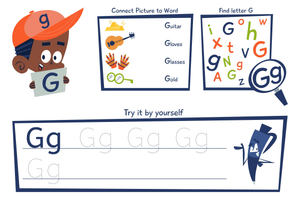
Letter G worksheets fit naturally into several parts of a grade 1 day. Morning work bins can include a G tracing sheet as a quiet, low-prep starter while attendance and announcements happen. Literacy centers can rotate a G worksheet alongside a letter-sound matching game so students spend time on both formation and recognition without direct teacher supervision at every station.
For students who need extra repetition, keep a small stack of G practice sheets in a folder for quick, targeted review during transition times rather than assigning a whole new worksheet. Short, frequent touches on the same letter build the repeated exposure that early handwriting instruction depends on, and this approach works whether a student needs a quick refresher or more sustained support in a small group.
Set a consistent expectation for pencil grip and paper position before handing out the worksheet. A quick 30-second check-in with each table, watching for tripod grip and appropriate paper angle, catches bad habits before students practice the wrong motion ten times in a row.
Frequently Asked Questions
1. How much daily practice time should grade 1 students spend on letter G handwriting?
Short sessions of about 5-10 minutes work better than longer, infrequent ones for this age group. A brief daily touch on letter G, repeated across several formats, builds the motor memory needed for consistent formation.
2. What are the most common mistakes first graders make when writing letter G?
The most frequent errors are starting the curve at the wrong point, closing the bowl too tightly so it resembles an O, and omitting the small hook or descender that completes many manuscript G styles.
3. How can teachers tell if a student has mastered uppercase versus lowercase G?
Compare several samples of each form side by side. Consistent starting points, smooth curves, and correct proportion across multiple attempts suggest mastery, while variation between attempts signals a need for more guided practice.
4. Can letter G worksheets be used for intervention or review beyond grade 1?
Yes. The same tracing-to-independent-writing sequence works well for review with older students who still show reversals or inconsistent formation, since the underlying motor pattern does not change with grade level.
5. How do letter G worksheets support broader literacy and fine motor goals?
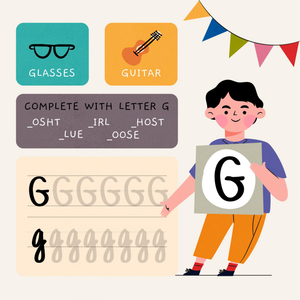
Letter formation practice reinforces pencil grip, wrist control, and visual memory for letter shapes, all of which connect to early reading development. Pairing the letter with phonics content, such as G words and pictures, strengthens the sound-letter link at the same time.