Find printable and interactive worksheets for preschool through 12th grade, made for US classrooms. Download a PDF to print, assign it online with a link or class code, or make your own with our free generators. Start with a grade or subject, or search for a topic.
By grade: Preschool · Kindergarten · 1st · 2nd · 3rd · 4th · 5th · 6th · 7th · 8th · High school
By subject: Math · Reading & ELA · Science · Social Studies · Handwriting · Behavior & SEL · Coloring Pages
Worksheets by Grade
Each grade page groups worksheets by subject and skill, so you can go straight from "2nd grade" to "2nd grade nouns".
- Preschool: tracing lines and shapes, colors, counting, letter recognition, fine motor practice.
- Kindergarten: letter and number writing, sight words, counting to 100, beginning sounds, name tracing.
- Grades 1–2 (1st, 2nd): phonics, sentence writing, addition and subtraction, place value, neat handwriting, feelings and SEL.
- Grades 3–5 (3rd, 4th, 5th): reading comprehension, grammar, multiplication and division, fractions, life and earth science, cursive.
- Grades 6–8 (6th, 7th, 8th): ratios, integers, equations, cells and body systems, latitude and longitude, argument writing.
- High school (9th, 10th, 11th, 12th): Algebra 1 and 2, geometry, chemistry, biology, literary devices, test review.
Worksheets by Subject
From counting and touch math to functions and literal equations. Popular: function or not a function, mystery picture, touch math, part-part-whole, literal equations.
Phonics, grammar, reading passages with questions, and writing practice. Popular: following directions, 2nd grade nouns, 3rd grade short stories, claim, evidence, reasoning, 1st grade sentence scramble.
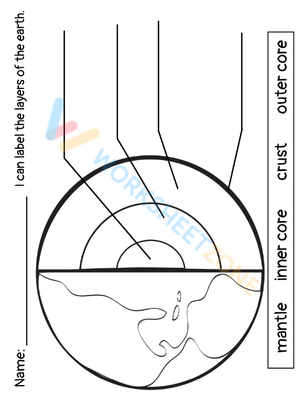
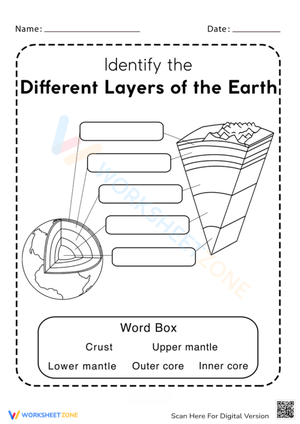
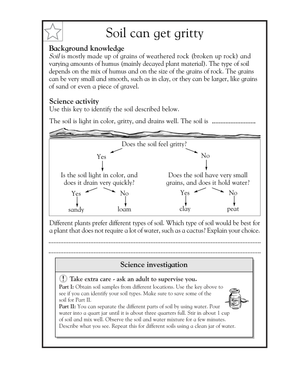
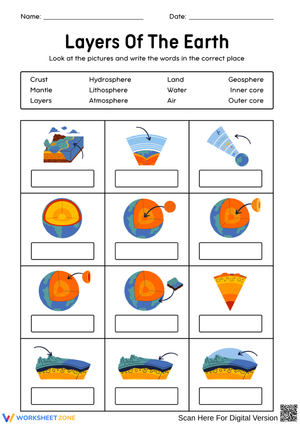
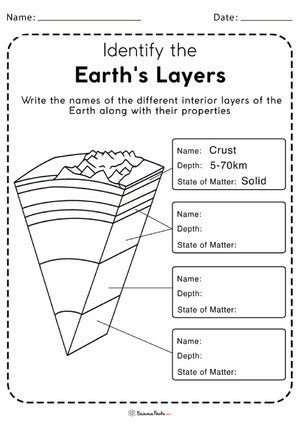
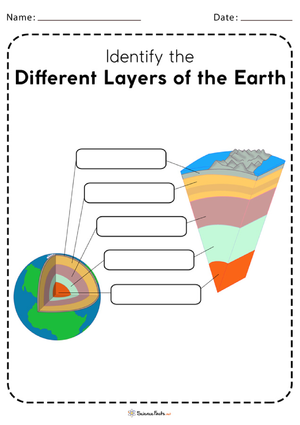
Labeling diagrams, sorting activities and short readings for life, physical and earth science. Popular: muscles, digestive system, solid, liquid, gas, balanced and unbalanced forces, loud and soft sounds.
Maps, communities, history and civics. Popular: latitude and longitude, Hispanic Heritage Month.
Print and cursive practice from first letters to full paragraphs. Popular: name tracing, neat handwriting, cursive alphabet, paragraph copying, handwriting for adults.
Social-emotional learning for morning meetings, counseling groups and calm-down corners. Popular: circle of control, good choices and bad choices, boundaries, identifying emotions.
Holidays, Seasons & Coloring
Seasonal practice that keeps skills on track during busy weeks: Halloween worksheets, Thanksgiving worksheets, fall cut-and-paste, and printable coloring pages. Looking for full lessons? See our lesson plans.
Print It, Assign It, or Make Your Own
How Teachers Use Worksheets
A worksheet works best when it practices one skill your students have just been taught. Common uses:
- Warm-ups and bell ringers to review yesterday's lesson in the first five minutes.
- Centers and small groups, with a different level of the same skill for each group.
- Exit tickets to see who is ready to move on and who needs another pass. This is formative assessment: it guides the next lesson rather than counting toward a grade.
- Homework and family practice, since a parent can see at a glance what the class is working on.
- Sub plans and early finishers, because a clear worksheet needs little explanation.
- Unit review before a test or end-of-unit (summative) assessment.
How to Choose the Right Worksheet
- Match the grade and the standard. Grade labels and, on many worksheets, the Common Core or NGSS standard are listed on the worksheet page.
- Preview every page before you print, so the reading level and number of problems fit your class.
- Look for an answer key if you'll grade it or want students to self-check.
- Prefer one clear task per page: a short instruction, a worked example, and enough space to write.
Frequently Asked Questions
1. Are Worksheetzone worksheets free?
You can browse every worksheet and download one ready-made worksheet a day for free, with no account needed. Worksheetzone Pro adds unlimited downloads, an ad-free site, more AI credits for creating your own worksheets, and full assigning and student-report features. If you only need one more worksheet, you can also buy a single download.
2. Which grades and subjects do you cover?
Preschool through 12th grade, in math, reading and ELA, science, social studies, handwriting, behavior and SEL, and art, plus holiday and seasonal activities and coloring pages.
3. Are the worksheets aligned to Common Core?
Many are. When a worksheet practices a specific Common Core (CCSS) or Next Generation Science Standard (NGSS), the standard is listed on its page. Search by standard code or browse by grade and subject.
4. Do the worksheets come with answer keys?
Many do. If a worksheet has an answer key, it is shown on the worksheet page; on some worksheets the key is a Pro feature and is marked PRO.
5. Can students complete worksheets online?
Yes. Most worksheets can be assigned with a link or class code and completed on a computer or tablet. Students don't need an account; teachers sign in to see results.
6. Can I edit a worksheet or make my own?
Yes. Many worksheets can be customized before you print, for example by changing a name or the practice text. To start from scratch, use the free Worksheet Maker or one of the generators above.












 Interactive Worksheet Maker
 Quiz Maker
 Word Search Maker
 Crossword Puzzle Maker
 Word Scramble Generator
 Sentence Scramble Generator
 Handwriting Worksheet Generator
 Name Tracing Generator
 Fill In The Blank Generator