Behavior worksheets are not just charts with smiley faces. For a K-12 teacher, they are the fastest way to turn a hallway observation or a chaotic transition into usable data. A well-designed behavior worksheet gives you a consistent format for recording what happened, when it happened, and how a student responded, so you are not relying on memory when it is time to talk with a family, a case manager, or a behavior specialist.
Most classroom teachers were never given formal training on how to document behavior systematically.
Roughly a third of teachers report feeling unprepared for classroom management by their preparation programs, and a quarter say they were never observed for behavior management during student teaching. That gap is exactly why ready-made behavior worksheets matter: they supply the structure that training often skipped.
Whether you teach a self-contained special education class, a general education elementary room, or a middle school block schedule, behavior worksheets give you a shared language with support staff. That consistency becomes essential once a student moves toward Tier 2 or Tier 3 support.
ABC Data Sheets and Building a Functional Behavior Assessment
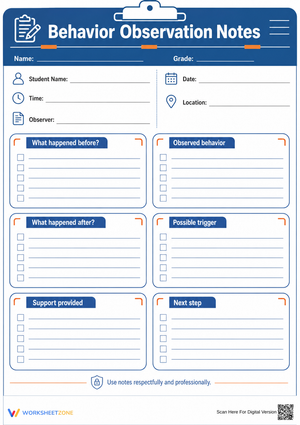
The Antecedent-Behavior-Consequence, or ABC, data sheet is the backbone of a functional behavior assessment. Instead of just noting that a student was disruptive, an ABC sheet asks you to record what happened right before the behavior, exactly what the behavior looked like, and what happened immediately after. That structure helps a behavior team spot patterns, such as a student consistently escalating during unstructured transitions or independent seatwork.
ABC data sheets are typically completed during focused fifteen to twenty minute observation windows rather than an entire school day. That shorter window keeps the data manageable for a busy classroom teacher while still capturing enough instances to identify a trend. Because classroom teachers see the student across so many contexts, they are usually the first and most detailed source of antecedent and behavior-frequency data feeding into an FBA.
When you use a behavior worksheet built around this format, you are not just documenting incidents. You are building the evidence base a school psychologist or behavior specialist needs before writing a Behavior Intervention Plan, so the strategies that follow are targeted at the actual function of the behavior rather than a guess.
Behavior Tracking Charts for RtI and MTSS Progress Monitoring
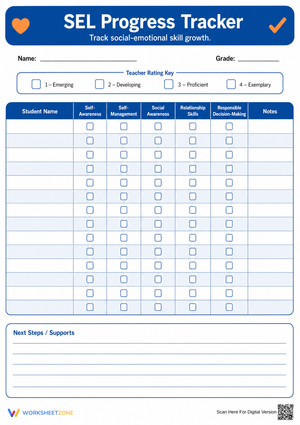
Once a student has an intervention in place, the work shifts from assessment to progress monitoring. Behavior tracking charts let you log frequency, duration, or intensity of a target behavior across days or weeks, which is exactly what an RtI or MTSS team needs to decide whether an intervention is working or needs adjustment.
A simple weekly tracking worksheet with a column for each class period gives you a visual trend line without any extra software. For elementary teachers, a daily point total compared against a baseline makes it easy to show growth at a glance during a team meeting.
Self-Monitoring and Reflection Worksheets for Students
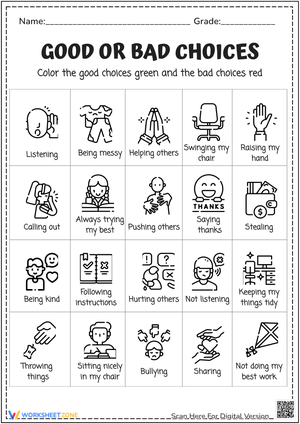
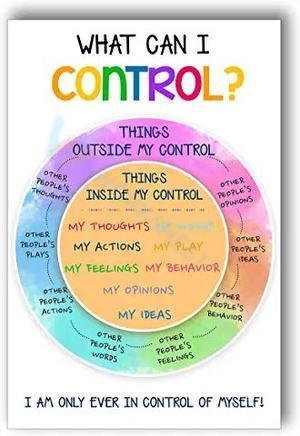
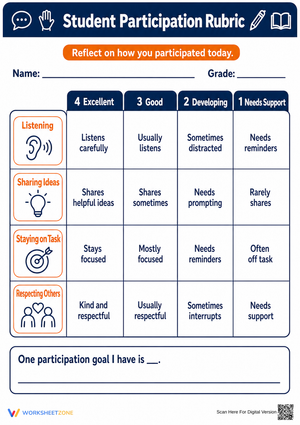
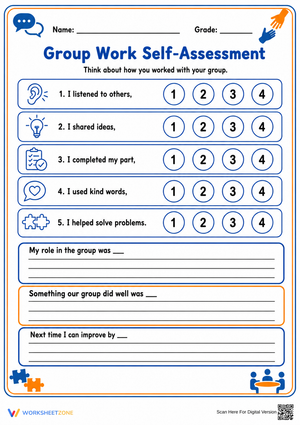
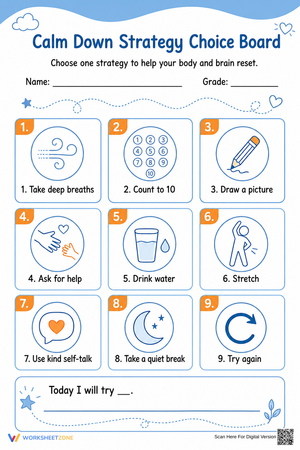
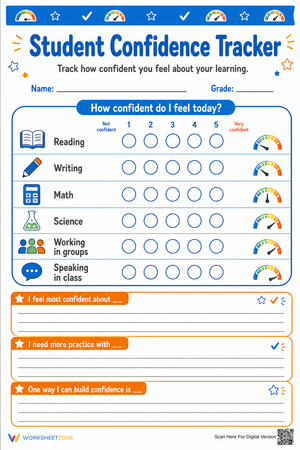
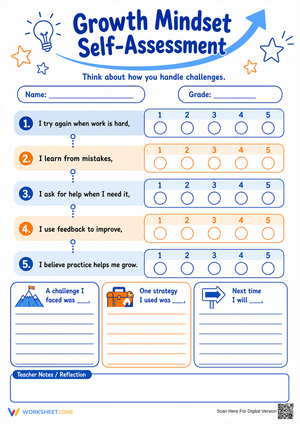
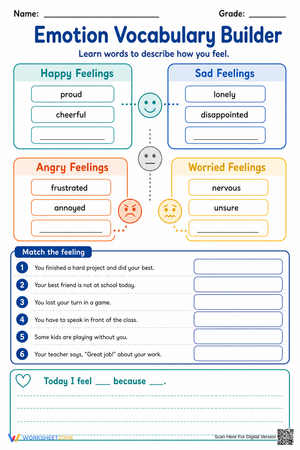
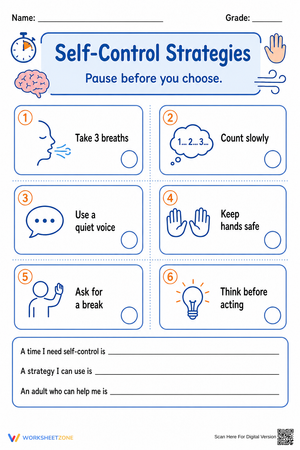
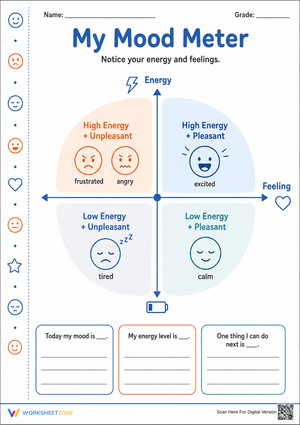
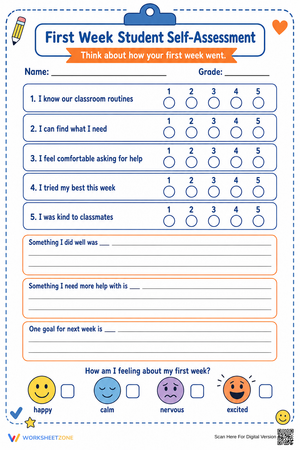
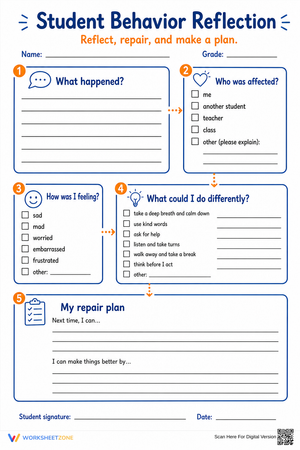
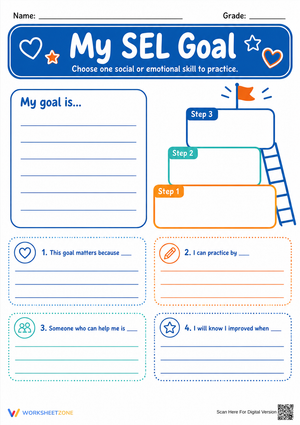
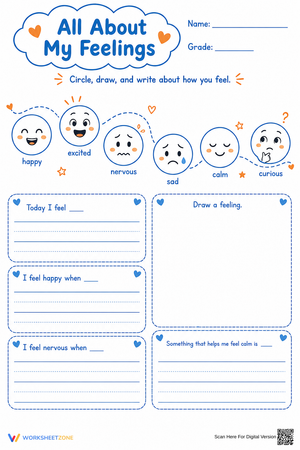
Behavior worksheets are not only for adults collecting data. Self-monitoring worksheets teach students to notice their own triggers, rate their behavior on a simple scale, and choose a replacement behavior before a situation escalates. This kind of reflection worksheet works well as a bridge between an adult-led check-in system and full student independence.
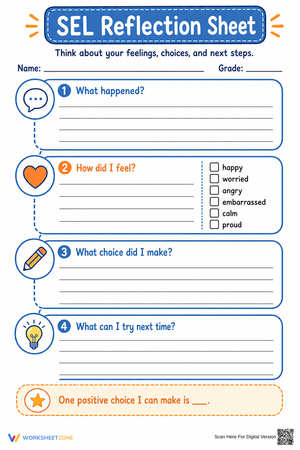
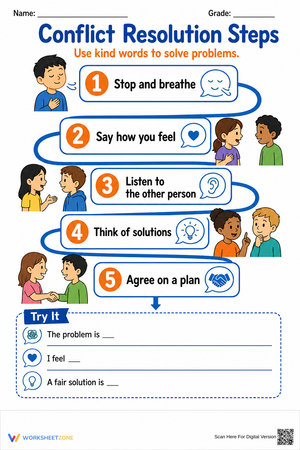
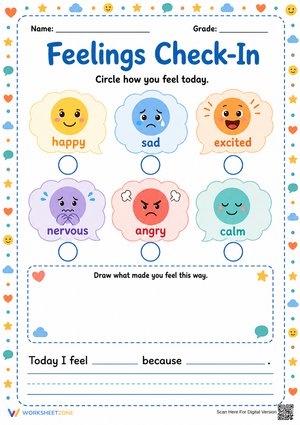
For older students, a reflection worksheet that asks what happened, what the student was feeling, and what they could try next time builds the same skill set used in cognitive behavioral approaches, just scaled down for classroom use. Younger students often do better with a simple visual scale using colors or numbers paired with short sentence starters.
Fitting Behavior Worksheets Into PBIS Point Sheets and Check In Check Out
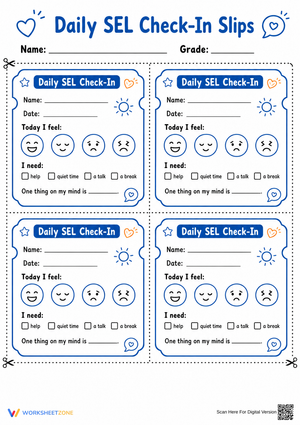
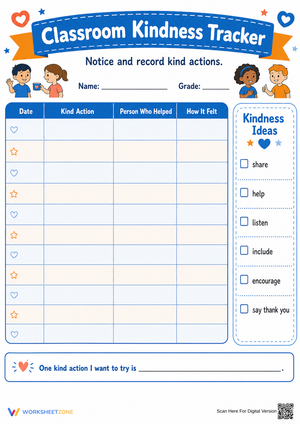
In schools running a PBIS framework, behavior worksheets often take the form of a daily point sheet tied to a Check In Check Out, or CICO, system. A student checks in with a designated adult each morning, carries a point sheet through the day, and checks out in the afternoon to review totals.
Proactive behavior management strategies, including structured systems like CICO that reinforce expectations before problems occur, reduce disruptive behavior by roughly 75 percent compared to reactive approaches that only respond after an incident. That gap is a strong argument for building point sheets into your daily routine rather than treating behavior worksheets as a response to a bad day.
Classroom disturbances cost schools up to 20 instructional days per year, according to 2026 classroom management research compiled by wifitalents.com. That figure includes lost transition time, redirection, and disciplinary referrals, which makes even a simple daily point sheet a meaningful investment in instructional minutes, not just a behavior tool.
Classroom Implementation
Start small. Pick one behavior worksheet format, whether that is an ABC sheet, a daily point sheet, or a self-monitoring form, and use it consistently for two full weeks before adding anything else. Consistency matters more than complexity when you are building a data trail a team can trust.
- Pair a behavior worksheet with a visual schedule so the student can see what comes next and reduce anxiety around transitions.
- Use a token economy alongside a point sheet for elementary students, exchanging points for small privileges at set intervals during the day.
- Keep ABC data sheets on a clipboard near high-risk locations like the carpet area or transition doorway so you can jot notes in real time.
- Set a short weekly review time, even five minutes, to scan tracking charts for a pattern before the next team meeting.
- Give older students a copy of their own point sheet so self-monitoring becomes part of the routine, not a surprise.
For students already on an IEP or 504 plan, loop in the case manager before changing a data collection format, since the team may already have a preferred worksheet tied to specific goals.
Using Behavior Data in Parent Conferences and IEP Meetings
Behavior worksheets earn their real value when they show up in a conversation with a family or an IEP team. A stack of completed point sheets or ABC data sheets turns a vague concern like he struggles with transitions into a specific, dated pattern the team can act on. Bringing two or three weeks of consistent data to a conference also shifts the tone from complaint to problem solving, since everyone is looking at the same evidence.
When a Behavior Intervention Plan needs revising, the same worksheets show whether the current strategy is working. A flat or worsening trend line is a clear signal to the team, while a downward trend in target behavior frequency supports keeping the current plan in place.
Frequently Asked Questions
1. How often should teachers complete a behavior data sheet for one student?
For an active FBA, aim for short structured observation windows of fifteen to twenty minutes across several days rather than one long session. For ongoing progress monitoring under an existing plan, a daily point sheet or brief tracking entry is usually enough.
2. What is the difference between a behavior chart and an ABC data sheet?
A behavior chart typically tracks frequency or points over time to show a trend. An ABC data sheet captures the specific antecedent, behavior, and consequence for individual incidents, which is what a functional behavior assessment needs to identify why a behavior happens.
3. Can behavior worksheets be used without a formal IEP or 504 plan?
Yes. General education teachers regularly use point sheets, reflection worksheets, and simple tracking charts as part of everyday classroom management, independent of any formal plan.
4. How do behavior worksheets fit into a PBIS or MTSS framework?
They supply the data at every tier, from a classwide point sheet at Tier 1 to a detailed ABC data sheet supporting a Tier 3 individualized intervention, keeping the whole system consistent.
5. What should a teacher do with behavior data once it is collected?
Review it on a regular schedule, share patterns with the student support team, and use the trend to decide whether to continue, adjust, or fade an intervention rather than letting completed worksheets sit unused in a folder.












 Interactive Worksheet Maker
 Quiz Maker
 Word Search Maker
 Crossword Puzzle Maker
 Word Scramble Generator
 Sentence Scramble Generator
 Handwriting Worksheet Generator
 Name Tracing Generator
 Fill In The Blank Generator