Thanksgiving worksheets give teachers and families a simple way to bring seasonal excitement into meaningful learning. During a busy holiday week, students are often eager to talk about food, family traditions, gratitude, travel, and celebrations. Well-designed Thanksgiving worksheets turn that energy into reading, writing, math, vocabulary, critical thinking, and creative expression. Instead of pausing learning for the season, teachers can use Thanksgiving themes to keep students engaged while still practicing important academic skills.
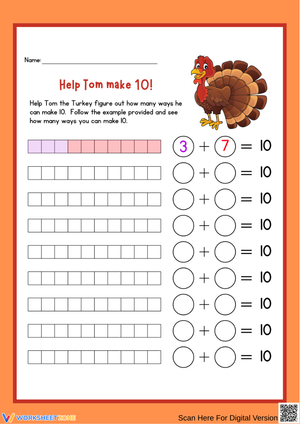
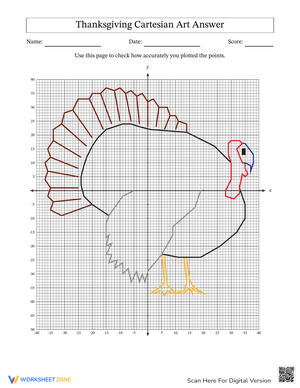
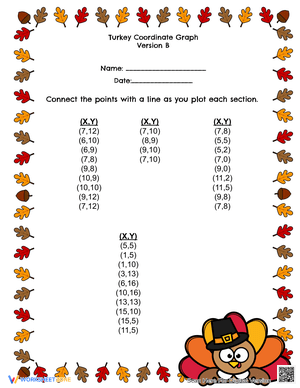
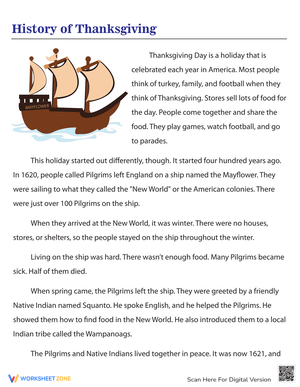
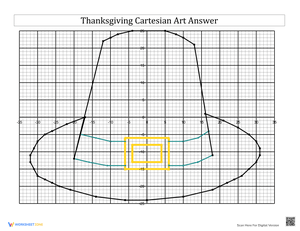
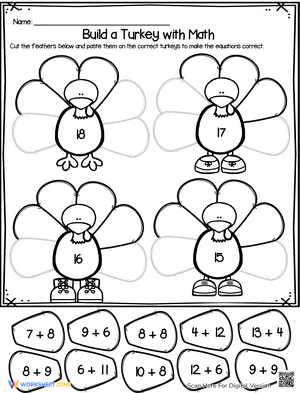
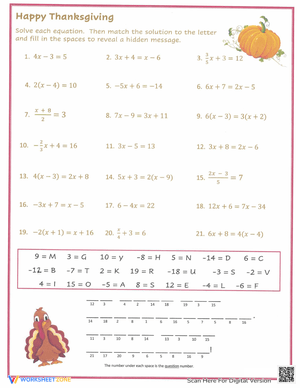
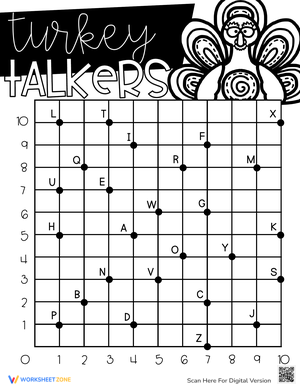
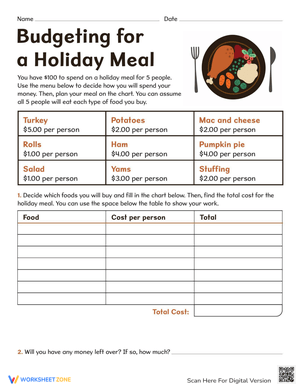
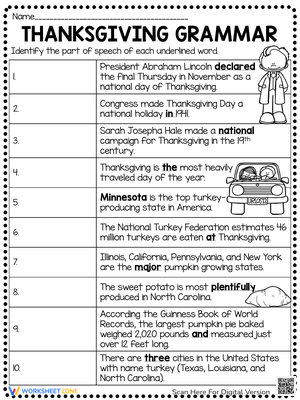
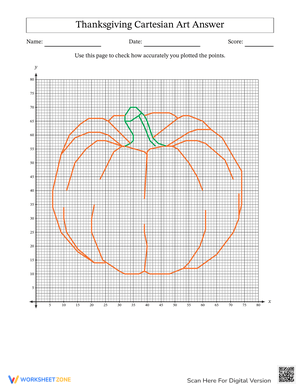
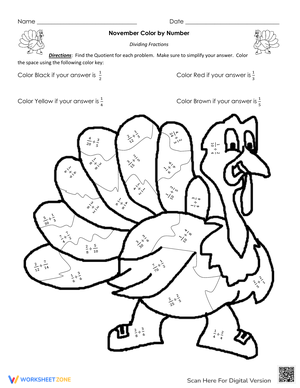
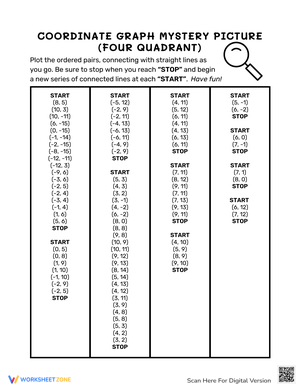
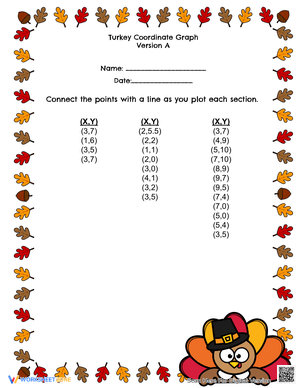
One of the biggest advantages of Thanksgiving worksheets is their flexibility across subjects. In reading lessons, students can work with short passages about gratitude, harvest traditions, or the history of Thanksgiving. In writing, they might create thank-you notes, describe a favorite tradition, or write a short story about a Thanksgiving gathering. For math, teachers can use themed addition, subtraction, multiplication, fractions, graphing, or word problems involving pies, pumpkins, table settings, and guests. This makes the holiday theme useful without feeling disconnected from the curriculum.
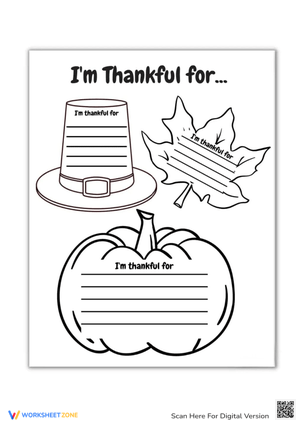
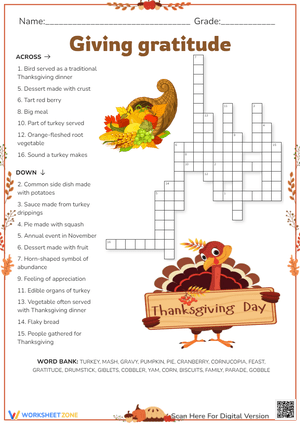
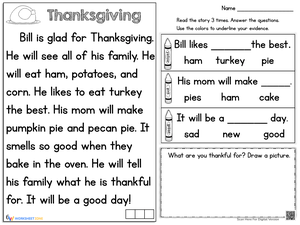
Thanksgiving worksheets can also support social-emotional learning. Gratitude prompts, kindness reflections, and “what I am thankful for” activities help students pause and think about people, experiences, and opportunities they appreciate. These activities are especially helpful because they encourage students to express feelings in a structured way. A simple writing task about thankfulness can lead to deeper classroom conversations about empathy, respect, sharing, and community. For more seasonal classroom ideas, teachers can explore holiday learning activities that pair well with worksheets and group discussions.
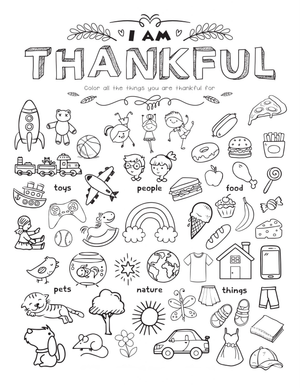
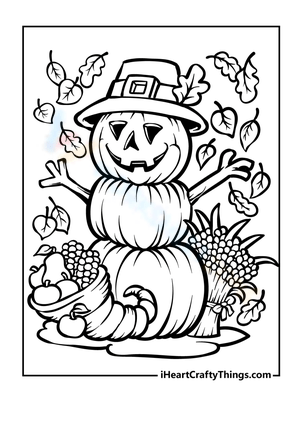
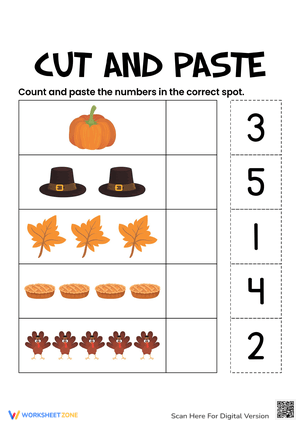
For younger students, Thanksgiving worksheets are most effective when they include visuals, simple directions, and hands-on elements. Coloring, tracing, matching, cutting, sorting, and picture-based vocabulary activities help early learners stay focused while building fine motor and language skills. Older students can handle more advanced tasks, such as reading comprehension questions, opinion writing, compare-and-contrast activities, logic puzzles, and multi-step math problems. The key is to choose activities that match the student’s grade level, attention span, and learning goal.
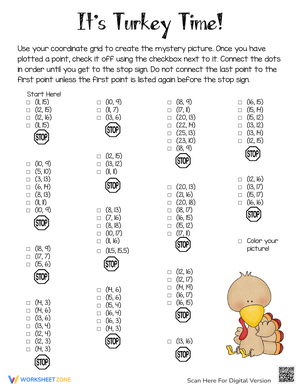
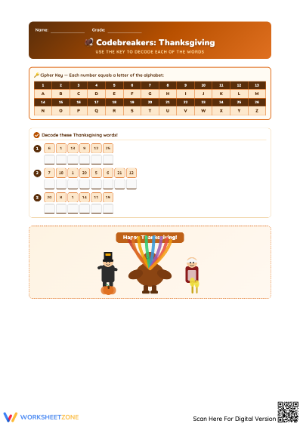
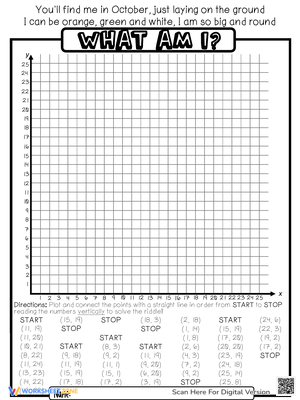
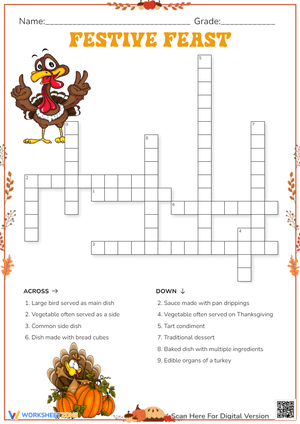
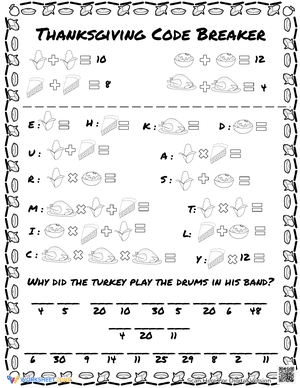
Holiday-themed games can make worksheet time feel more interactive. A Thanksgiving word search, crossword puzzle, bingo activity, maze, or matching game can be used as a warm-up, center activity, early-finisher task, or group challenge. These activities keep students thinking while adding a playful element to the lesson. Teachers who want to include more seasonal fun can use printable Thanksgiving games to support vocabulary review, classroom teamwork, and relaxed holiday learning.
Whether used in classrooms, homeschool lessons, tutoring sessions, or family learning time, Thanksgiving worksheets help balance celebration with skill practice. They can make the days before break more productive, support review without feeling repetitive, and give students a creative way to connect learning with the season. With the right mix of reading, writing, math, games, and gratitude-based activities, Thanksgiving worksheets can turn a holiday theme into a rich and memorable learning experience.
Frequently Asked Questions
Question 1: What types of Thanksgiving worksheets are useful for students?
Useful Thanksgiving worksheets can include reading passages, writing prompts, vocabulary activities, math problems, coloring pages, word searches, crossword puzzles, gratitude reflections, and logic games. The best choice depends on the student’s age and learning goal. Younger students may benefit from tracing, matching, and picture-based activities, while older students can work on reading comprehension, opinion writing, fractions, multiplication, or themed problem-solving tasks.
Question 2: How can teachers use Thanksgiving worksheets in the classroom?
Teachers can use Thanksgiving worksheets as morning work, literacy centers, math review, early-finisher tasks, small-group activities, or seasonal lesson extensions. They are especially helpful during the week before Thanksgiving break, when students may be excited and routines can feel harder to maintain. A worksheet can provide structure while still allowing students to enjoy the holiday theme through stories, games, writing, and creative tasks.
Question 3: What skills can students practice with Thanksgiving worksheets?
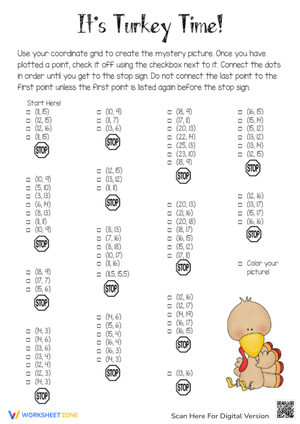
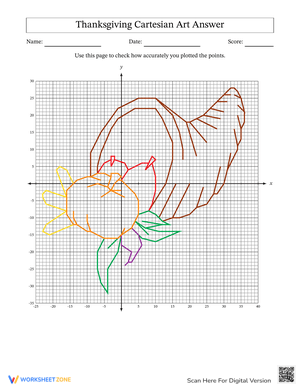
Students can practice a wide range of skills, including reading comprehension, vocabulary, spelling, sentence writing, creative writing, addition, subtraction, multiplication, fractions, graphing, problem-solving, and fine motor control. Gratitude-themed worksheets can also support social-emotional skills such as reflection, empathy, appreciation, and respectful communication. This makes Thanksgiving worksheets useful for both academic review and classroom community building.
Question 4: How can Thanksgiving worksheets be made more engaging?
Thanksgiving worksheets become more engaging when they are paired with discussion, games, art, group work, or real classroom experiences. Students can complete a gratitude writing activity and then share one idea with a partner, solve a Thanksgiving puzzle in teams, or use a math worksheet to plan a pretend holiday meal. Adding choice also helps: students might select between a writing prompt, word puzzle, or drawing activity based on their interests.












 Interactive Worksheet Maker
 Quiz Maker
 Word Search Maker
 Crossword Puzzle Maker
 Word Scramble Generator
 Sentence Scramble Generator
 Handwriting Worksheet Generator
 Name Tracing Generator
 Fill In The Blank Generator