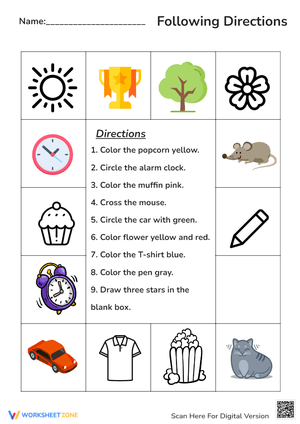
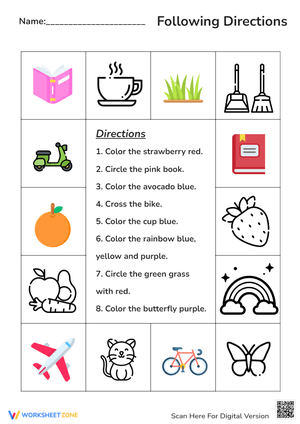
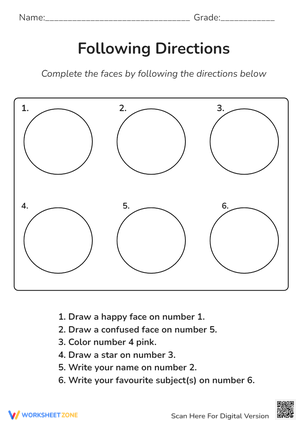
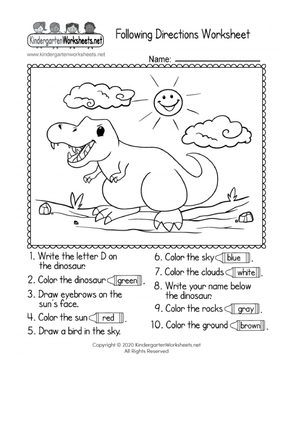
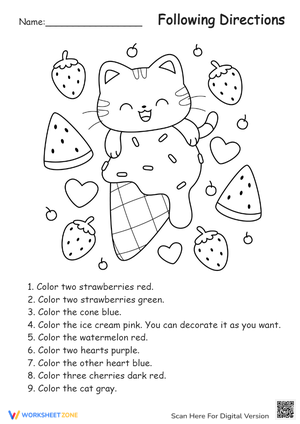
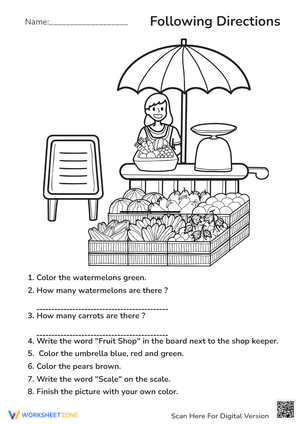
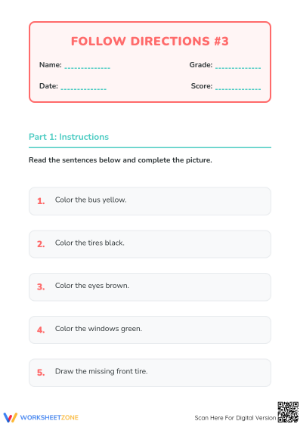
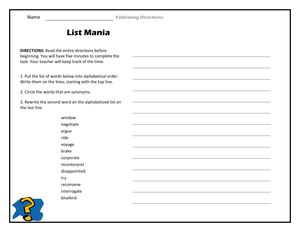
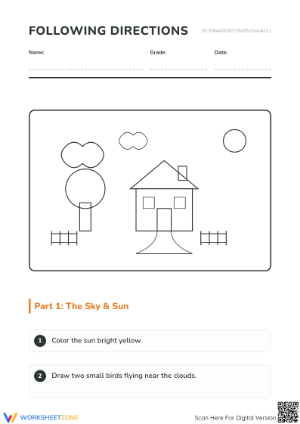
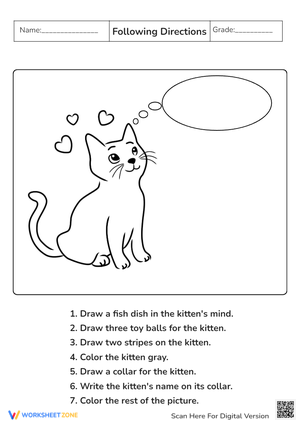
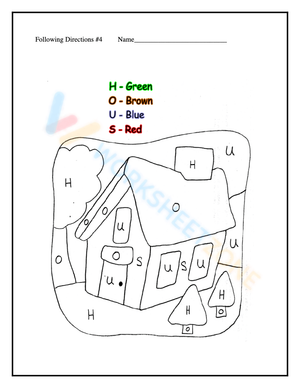
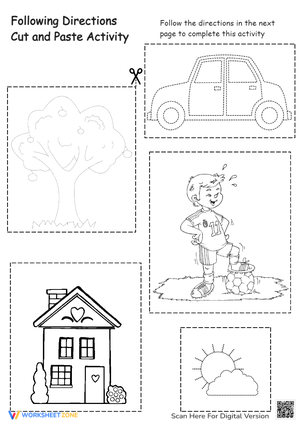
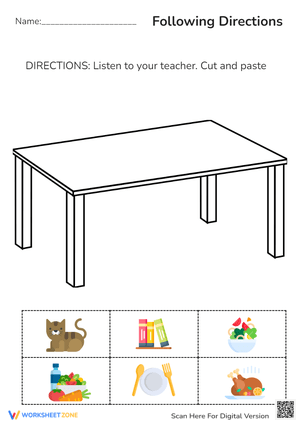
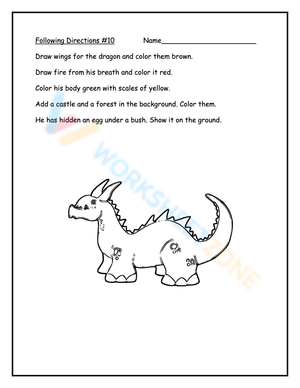
Following directions worksheets are one of the most strategically valuable tools a teacher can keep in a classroom resource kit. The ability to read instructions carefully, identify key action words, and execute multi-step tasks in sequence is a skill that students use in every subject, every day. When this skill is underdeveloped, even students who understand the core content lose points on assessments simply because they misread a prompt. Building this skill through consistent, structured practice is one of the highest-return investments a classroom manager can make.
From a classroom management perspective, following directions worksheets function as an ideal independent station activity. When you set up a rotation and need students to work without constant teacher supervision, the materials must be clear enough to stand alone. These printables are designed exactly for that purpose. The instructions are written at an appropriate reading level, the tasks are self-contained, and students can move through each page without requiring repeated verbal clarification. That independence frees the teacher to work with small groups, conduct pull-aside assessments, or simply maintain momentum across the room. For teachers who want to align these materials with broader routines, exploring classroom management strategies can help integrate worksheet practice into a consistent daily system.
Bell-ringers and morning routines are another high-impact use case for this collection. The first five minutes of class set the tone for everything that follows. When students walk in and find a following directions task already on their desks, they settle quickly and shift into a learning mindset without needing a verbal prompt from the teacher. This predictable structure reduces transition chaos, establishes expectations, and gives the teacher time to take attendance or prepare materials for the main lesson. Over weeks and months, the cumulative effect of this routine is a class that arrives ready to focus.
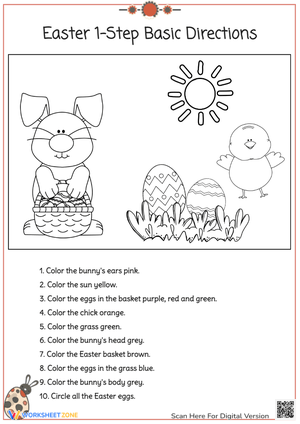
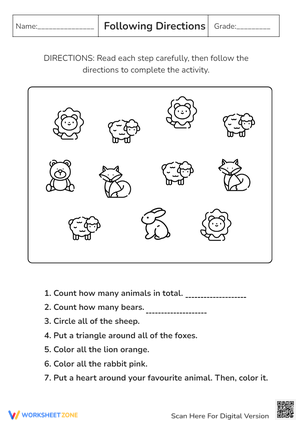
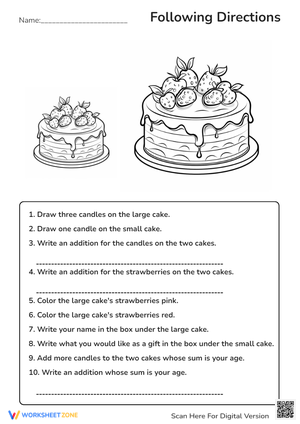
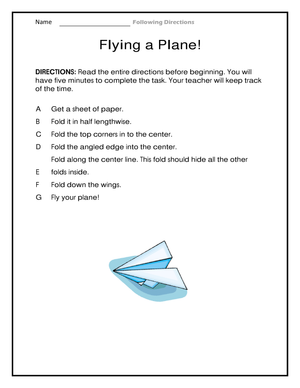
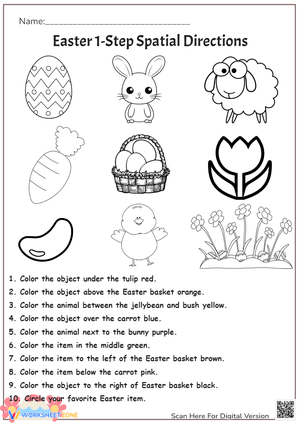
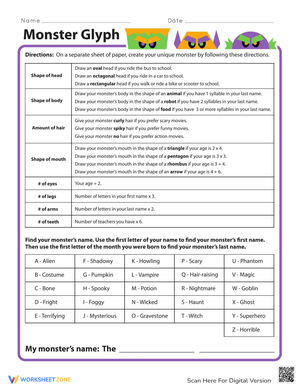
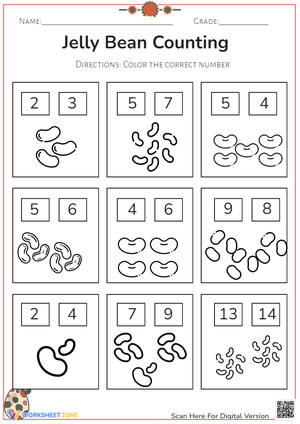
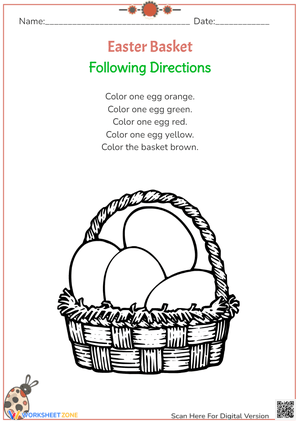
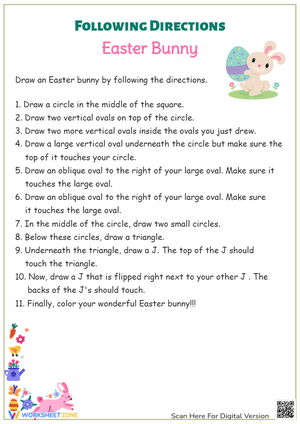
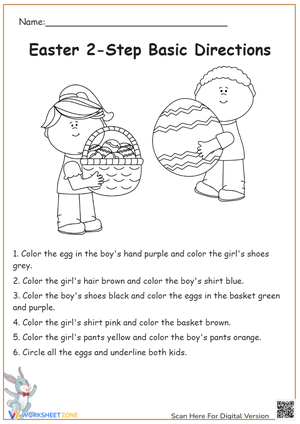
The progression within the collection supports differentiated instruction. Simpler one-step worksheets are appropriate for kindergarten and early first grade, while the more complex multi-step sequences challenge students in upper elementary grades. This range means a single teacher can draw from the same collection to serve learners at different levels within the same classroom. Students who need reinforcement get structured scaffolding, while those who are ready for extension work face sequences that closely mirror the demands of standardized test directions. The variety also keeps the practice feeling fresh across repeated use, which matters for maintaining student engagement throughout the school year. Seasonal formats such as the Easter following directions activities give teachers a thematic option that connects practice to the calendar without sacrificing instructional value.
Parents who support learning at home will find these printables just as practical as classroom teachers do. A child who regularly loses track of multi-step household tasks or struggles to complete assignments independently can benefit from paper-based practice that builds sequencing habits away from screens. Worksheetzone has designed this collection of following directions worksheets to be printer-ready, ink-efficient, and immediately usable without modification, so whether the setting is a classroom or a kitchen table, the practice is consistent, purposeful, and genuinely effective.
Frequently Asked Questions
Question 1: What grade levels are following directions worksheets designed for?
The collection spans kindergarten through upper elementary, with difficulty levels that progress from single-step tasks for young learners to multi-step sequences for grades three through five. Teachers can select pages that match their students' current ability level, and the graduated structure supports use in differentiated instruction, small group work, or individualized intervention plans throughout the school year.
Question 2: How do these worksheets support classroom management routines?
These printables work well as bell-ringers, station rotation materials, and independent morning tasks. Because the instructions are self-contained and clearly written, students can work through them without teacher guidance. This independence allows teachers to manage transitions, work with small groups, and maintain instructional momentum. The predictable format also helps students settle into routines quickly, which reduces off-task behavior during the first and last minutes of class.
Question 3: Can following directions worksheets help students on standardized tests?
Yes. Many standardized assessments include complex multi-part instructions that students must decode before answering. Regular practice with following directions tasks builds the habit of reading every word, identifying action verbs, and completing steps in the correct sequence. Students who develop this discipline tend to make fewer prompt-misreading errors, which leads to results that more accurately reflect their actual subject knowledge and academic abilities.
Question 4: Are these worksheets suitable for use at home as well as in school?
Worksheetzone printables are designed to work equally well in home and classroom settings. Parents can print individual pages for use during homework sessions, weekends, or school breaks. The clear layouts and self-contained instructions allow children to work independently, and the graduated difficulty means parents can match the material to their child's current skill level without needing a teaching background or additional preparation.












 Interactive Worksheet Maker
 Quiz Maker
 Word Search Maker
 Crossword Puzzle Maker
 Word Scramble Generator
 Sentence Scramble Generator
 Handwriting Worksheet Generator
 Name Tracing Generator
 Fill In The Blank Generator