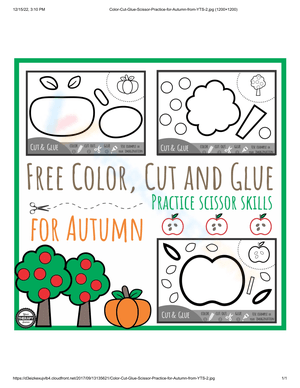
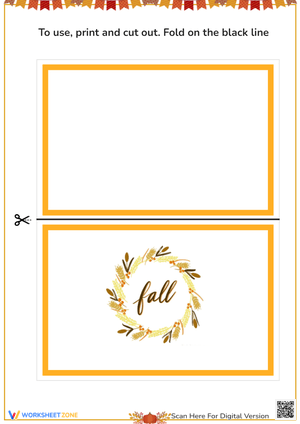
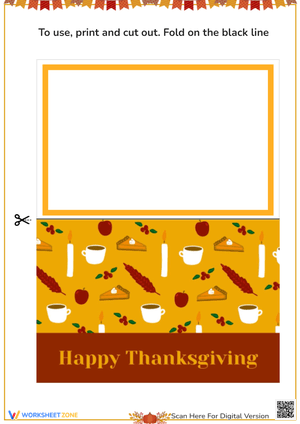
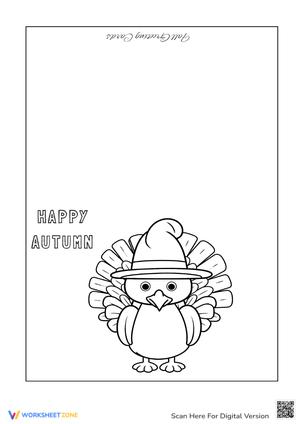
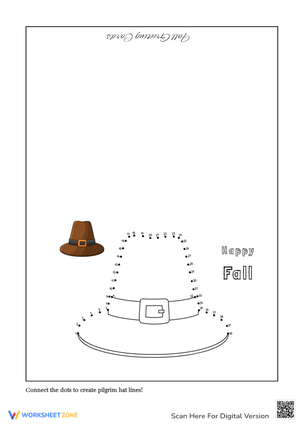
Every teacher knows the tricky window between one lesson ending and the next beginning. Pencils drop, voices rise, and a quiet plan can unravel within seconds. The most reliable way to keep that window calm is to have predictable, hands-on tasks ready on every desk. A folder of fall cut and paste worksheets gives you exactly that kind of dependable filler, ready to launch the moment a transition starts.
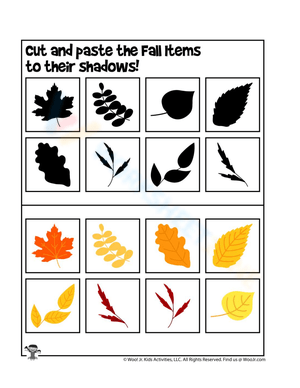
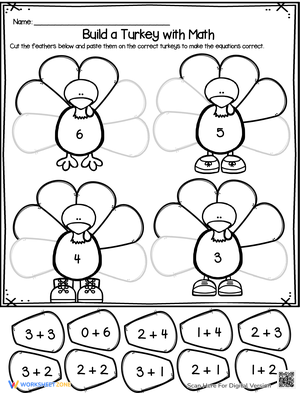
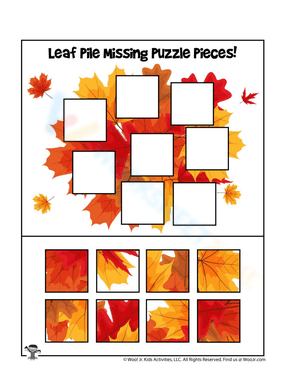
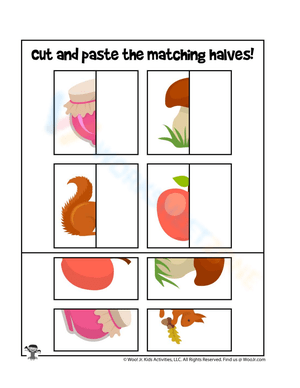
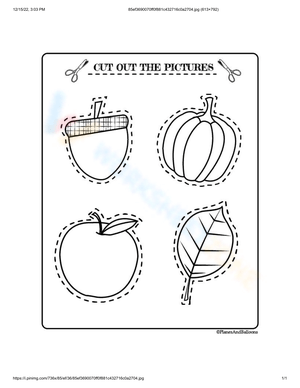
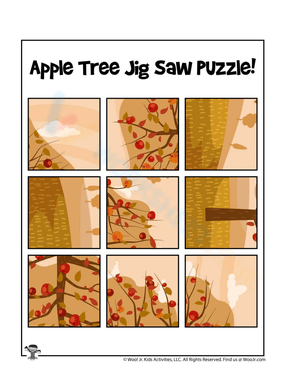
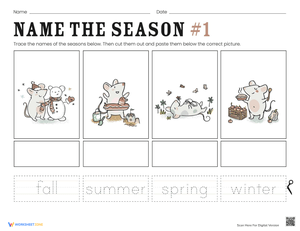
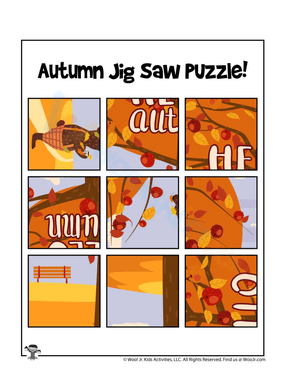
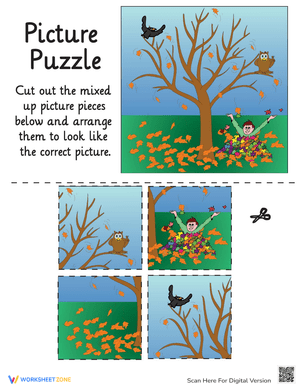
These printables work beautifully as a station rotation activity in any elementary classroom. Set up four small groups, hand each table a different autumn-themed page, and rotate every ten minutes. Students sort acorns, sequence pumpkins, or match leaves while you pull a small reading group. Because the tasks involve scissors, glue, and clear visuals, students stay focused on the page rather than on each other, which keeps the room productive.
Morning arrival is another moment where these pages shine as a bell-ringer routine. Place one printable face-down on each desk before the bell, and learners know exactly what to do as they walk in. The cutting and pasting motion settles restless hands and signals that the school day has begun. Teachers who want more autumn-themed planning ideas can browse our collection of seasonal classroom activities for additional warm-up inspiration.
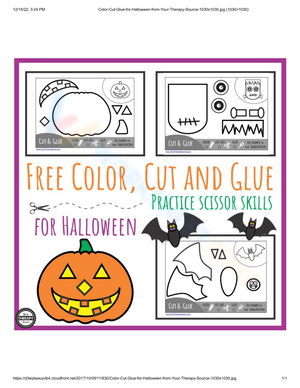
Predictable routines are the quiet engine behind strong behavior management. When students know what to expect during transitions, the need for redirection drops sharply. Pair these printables with related paper and glue cutting practice pages to build a full week of independent center work. Parents at home can use the same PDF format to support fine motor practice without screen time, making the lesson plan flexible across settings.
Bringing structure to the busiest moments of your day does not require fancy tools or long preparation. A printable, a pair of scissors, and a glue stick are enough to anchor your students through October and November. Print a fresh stack of fall cut and paste worksheets each Monday from Worksheetzone, store them in a labeled bin, and watch your transitions become some of the calmest minutes of the school day.
Frequently Asked Questions
Question 1: How do fall cut and paste worksheets support classroom transitions?
These printables give students a predictable hands-on task during the unsettled minutes between lessons. Because cutting and pasting requires focus on a small space, learners stay in their seats and engage independently. Teachers gain quiet workspace to take attendance, prepare materials, or pull a small group, while the classroom maintains a calm and purposeful tone throughout the rotation.
Question 2: Which grade levels benefit most from these autumn printables?
Preschool through second-grade students benefit the most because they are still building fine motor strength and early sorting skills. Older elementary learners can also use them as quick brain breaks or as scaffolding for art-integrated lessons. By choosing pages with simpler shapes for younger students and more detailed seasonal scenes for older ones, one set of worksheets can serve a wide range of classroom rotations effectively.
Question 3: How can parents use these activities at home?
Parents can print the pages and pair them with safety scissors, a glue stick, and a quiet workspace at the kitchen table. The autumn theme invites natural conversation about weather, harvest, and seasonal change, giving families a low-pressure way to extend learning beyond the school day. The PDF format means there is no setup time, so a few minutes of printing turns into a full afternoon of focused learning.
Question 4: What materials should teachers prepare before the lesson?
Each student needs the printable page, a pair of safety scissors, a glue stick, and a small tray for paper scraps. Teachers may also place a damp paper towel at each station to keep hands clean during the activity. Storing materials in clear bins labeled by week makes setup quick, allowing the teacher to move from one station to the next without losing the steady rhythm of the lesson.












 Interactive Worksheet Maker
 Quiz Maker
 Word Search Maker
 Crossword Puzzle Maker
 Word Scramble Generator
 Sentence Scramble Generator
 Handwriting Worksheet Generator
 Name Tracing Generator
 Fill In The Blank Generator