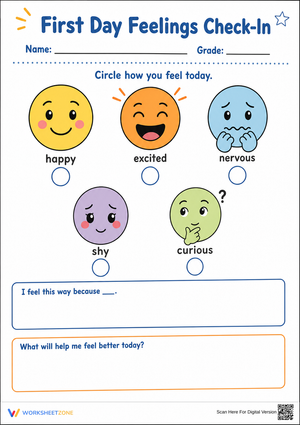
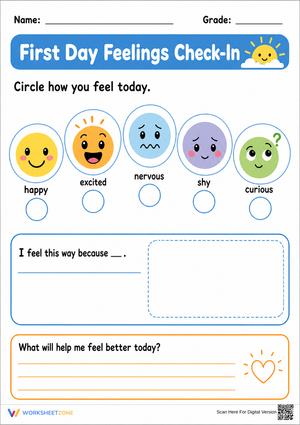
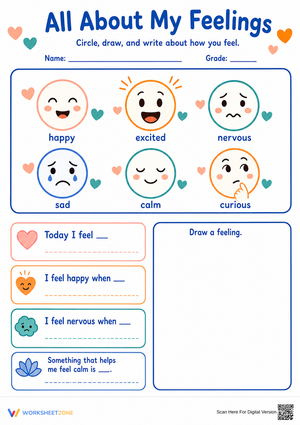
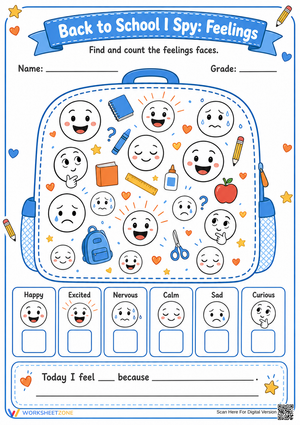
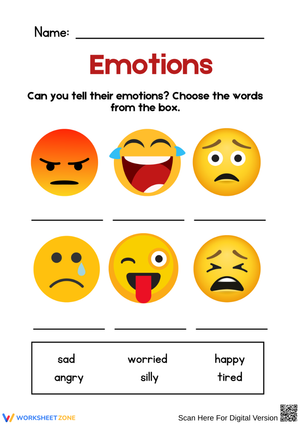
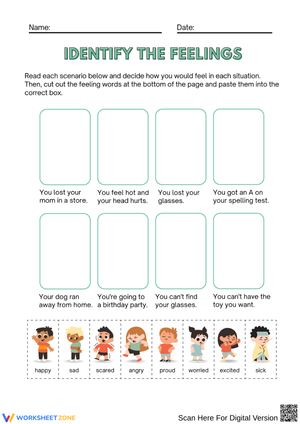
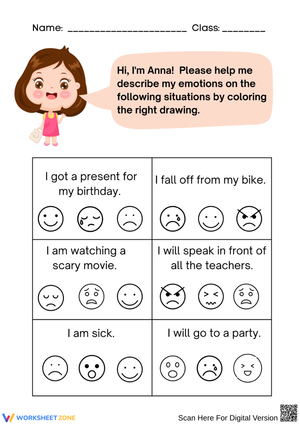
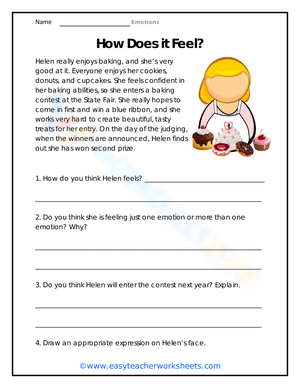
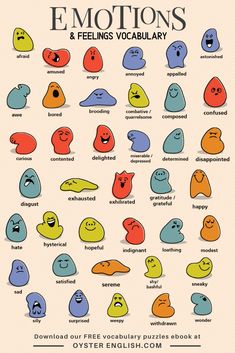
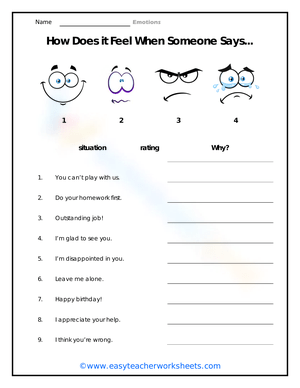
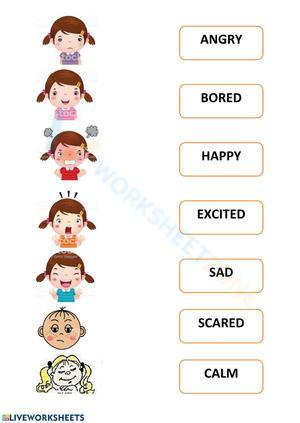
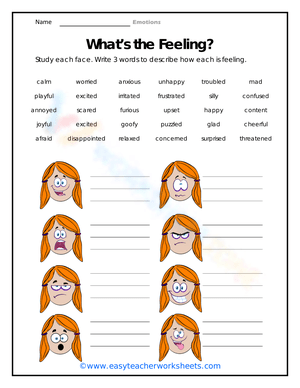
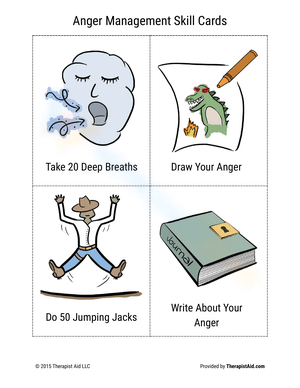
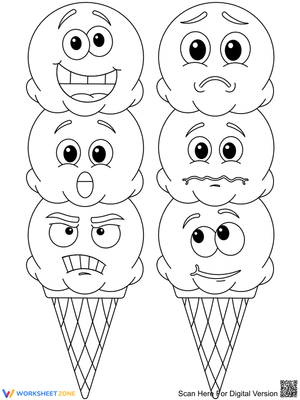
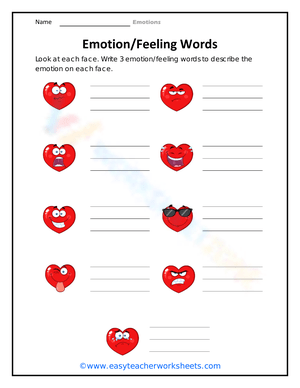
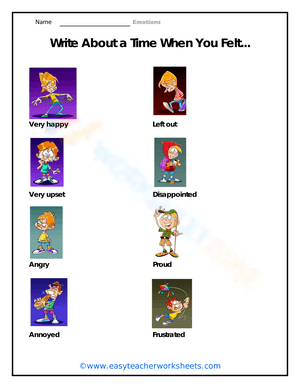
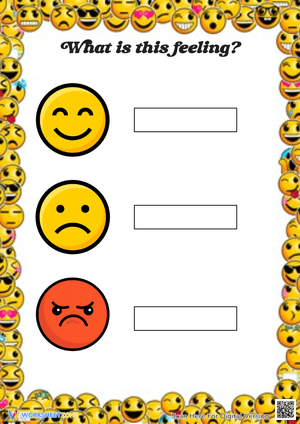
These 1st grade identifying emotions worksheets pdf resources give teachers a direct, low-prep way to build feeling vocabulary that students can actually use — not just during SEL blocks, but during the behavior conversations, read-alouds, and transition moments where emotions surface most visibly. Each worksheet isolates a specific task: matching a face to a feeling word, sorting pictures into emotion categories, or completing a sentence frame that connects an emotion to a real situation. That narrow focus is intentional and useful.
The Specific Skills These Worksheets Build
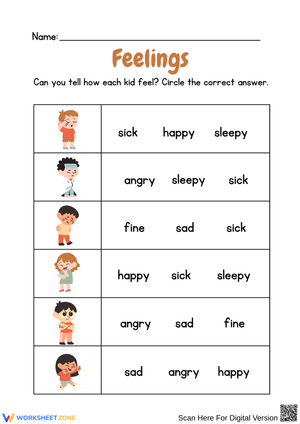
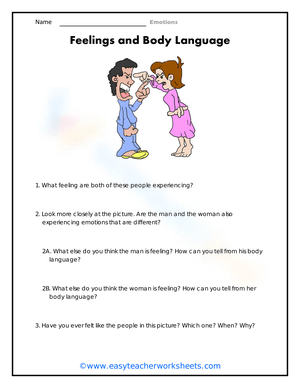
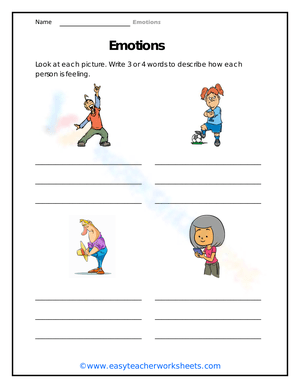
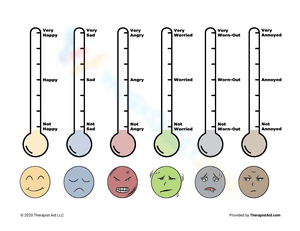
The core target at this grade level is recognition before regulation. First graders need to identify what a feeling looks like before they can manage it. These worksheets train students to read facial cues — the difference between tight eyebrows and a turned-down mouth versus wide eyes and an open jaw — and match those cues to a word. The vocabulary set stays deliberately small: happy, sad, angry, scared, surprised, worried, and calm cover the emotions that surface most often in real classroom situations.
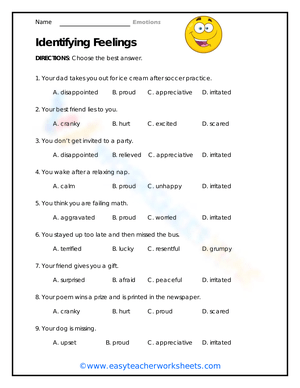
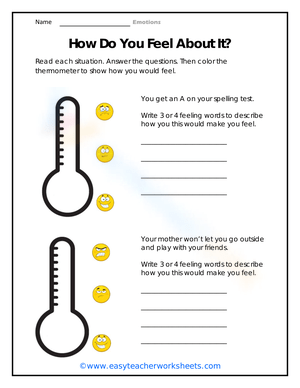
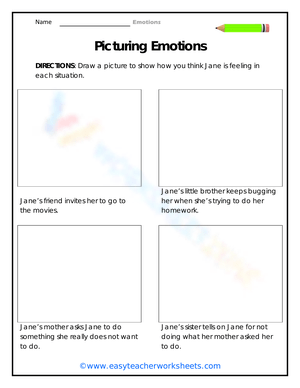
Stronger worksheets push beyond faces to context. A scenario page might describe a character who loses a permission slip before a field trip and ask students to choose the feeling. That shift from reading an expression to reading a situation mirrors how emotional awareness actually works, and it reveals whether students are generalizing the skill or just matching pictures to words.
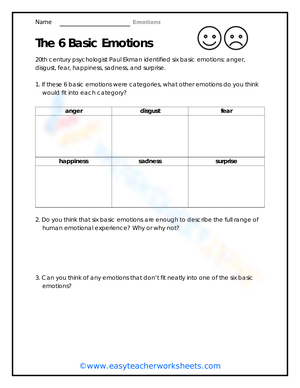
A 1st grade identifying emotions worksheets pdf set typically includes several task types worth rotating across the week:
- Trace and label — students trace the emotion word beneath a face, building word-form familiarity alongside meaning.
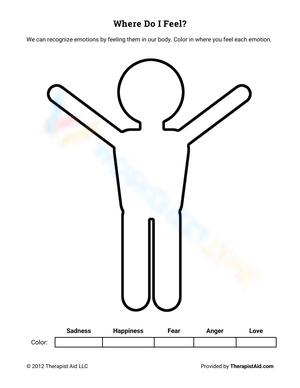
- Color-coded sorting — students assign a color to each feeling and apply it to a scene, which also reveals how they interpret ambiguous expressions.
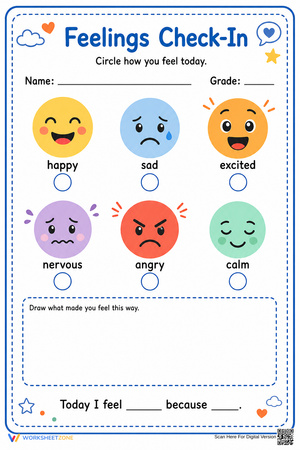
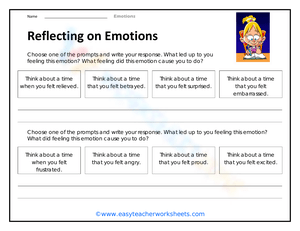
- Sentence frame completion — stems like I feel ___ when ___ push students to connect vocabulary to lived experience rather than paper-only identification.
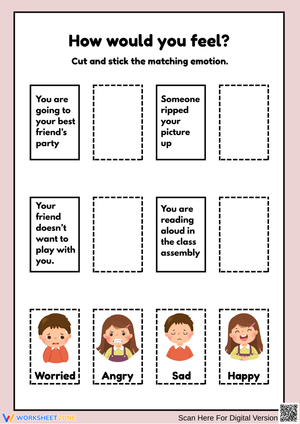
- Cut-and-paste categorization — adds physical engagement and works especially well for students who need movement to sustain attention.
Frequent Student Errors Worth Watching For
The most consistent error in first-grade emotion work is what might be called the "sad bucket" — students collapse all negative feelings into "sad" or "mad" because those two words arrive first and feel like enough. A student who sees a character with furrowed brows and crossed arms writes "mad," when the expression is closer to worried. The distinction matters: "mad" points toward blame, while "worried" opens a conversation about fear and reassurance. Worksheets that place similar expressions side by side and require students to choose between overlapping words surface this error quickly.
A second pattern is projection. When shown a picture of a child dropping an ice cream cone, many first graders label the feeling based on how they would feel rather than reading the face shown. Scenario pages are particularly good at catching this — the teacher can see whether a student is reading the visual cue or just answering from personal experience.
Surprised and scared also get treated as synonyms. Both involve wide eyes and open mouths. Without explicit instruction on context — a birthday party versus a dark hallway — students treat the two expressions as interchangeable. Worksheets that place those faces next to each other and require students to name the difference force the distinction rather than letting it pass unaddressed.
Recommended Lesson-Planning Strategies for These Worksheets
A 10-minute mini-lesson format works reliably. Show two or three feeling faces on a projector or chart, name each emotion aloud, and ask students what specific feature tells them — the eyebrows, the corners of the mouth, whether the eyes are wide or squinted. Distribute a matching or sorting worksheet. When students finish, run a 2-minute turn-and-talk with one sentence frame. The worksheet takes about 5 of those 10 minutes; the discussion is where the learning consolidates.
The calm-down corner is another high-value placement. After a student returns to a regulated state, a short reflection worksheet — circle the feeling you had, draw what your face looked like — gives the behavior conversation a concrete starting point. This removes the pressure of open-ended recall and gives both teacher and student something to point to rather than reconstruct from memory.
Monday mornings also make good use of these worksheets. Students arrive carrying emotional residue from the weekend, and a quick matching or label task during morning meeting follow-up gives students who stayed quiet during the circle a way to participate. One practical note: keep the same seven feeling words posted on your wall, on your worksheets, and in your oral prompts for several weeks running. When students hear and see the same words across multiple settings, they begin using them independently during conflict, disappointment, and transition — not just on paper.
Standard Alignment
These worksheets align to the CASEL Self-Awareness competency, specifically the sub-competency of identifying emotions — defined as the ability to recognize and accurately name one's feelings. In classroom terms, this work belongs in the first quarter of Grade 1, when teachers are establishing a shared emotional vocabulary that will anchor behavior conversations for the rest of the year. Most state K–2 SEL frameworks derive their emotion-identification standards from CASEL, so alignment language varies by state, but the skill target is consistent. Illinois SEL Goal 1A (identify and manage one's emotions and behavior) is one well-known example of a state standard that maps directly to what these worksheets practice.
Adjusting These Worksheets for a Range of Learners
Any 1st grade identifying emotions worksheets pdf can serve multiple student needs without major modification. A student who needs visual support circles an answer from a limited set; an emerging reader hears directions read aloud and works with picture cues only; a student who needs movement completes a cut-and-paste version; a student ready for extension adds a sentence about when they have felt that emotion at school. The skill target — accurate emotion identification — stays fixed while the entry point shifts.
For students with significant regulation challenges, preview scenario content before distributing. Pages depicting anger or fear can trigger strong reactions in students with unprocessed experiences around those emotions. When that happens, redirect to the labeling task — point to the face and ask for the word — and return to the scenario once the student is grounded. For English learners, pair each feeling word with a consistent facial expression icon and build oral practice before the written task. The worksheet confirms understanding already rehearsed; it should not introduce vocabulary cold.
Frequently Asked Questions
Do these worksheets work for students who aren't reading yet?
Yes. The most useful worksheets for pre-readers rely on picture matching, circling, coloring, and cut-and-paste tasks where reading demands are minimal or absent. Teachers read directions aloud and model one example before students begin. The SEL skill is the target; reading is a vehicle, not the point.
How many emotion words should first graders know by the end of the year?
A working set of 7 to 10 words is more useful than a long list. Students who can apply happy, sad, angry, scared, surprised, worried, and calm accurately across real situations have a stronger foundation than students who can name 20 emotion words but reach for "mad" every time something goes wrong.
Can I use these worksheets for students who need behavioral support beyond typical SEL instruction?
These worksheets serve well as a starting point for behavior support conversations, especially after an incident when a student needs help identifying what they felt before acting. They are not a replacement for individualized support plans, but they give both teacher and student a shared vocabulary and a concrete reference point during reflection. Placing a 1st grade identifying emotions worksheets pdf in a student's calm-down folder gives them something to reach for independently when they aren't ready to talk.