Why Name Tracing Is the Right First Writing Task
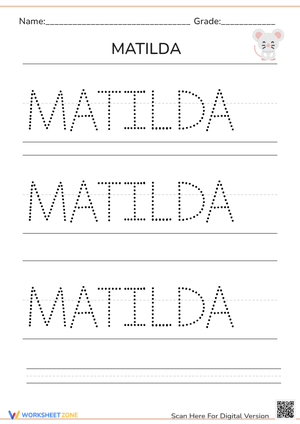
Name tracing worksheets give PreK and Kindergarten students their first structured reason to pick up a pencil. A child's name is personally meaningful, and that meaning matters: young writers stay engaged with letter formation far longer when the letters spell something they own. That is why name writing is so often the first word a student learns to produce independently, well before they can copy random words off a board.
For teachers, the appeal is practical. A single editable tracing sheet doubles as fine motor practice, letter-recognition work, and a low-stakes morning warm-up. Instead of teaching all 26 letters at once, you start with the six or seven letters that already carry emotional weight for each child. That built-in motivation is a teaching advantage you rarely get with any other early literacy task, and it gives reluctant writers an easy first win.
When Students Are Ready to Trace Their Name
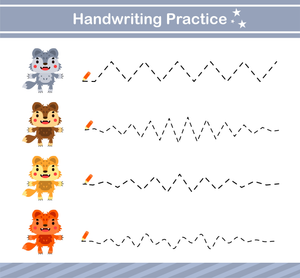
Readiness is developmental, not a fixed date on the calendar. Before a child can trace letters, they need the pre-writing strokes that those letters are built from: vertical lines, horizontal lines, circles, crosses, and diagonals that form triangles. A student who cannot yet copy a circle is not ready to form the round parts of letters like a, o, or d.
According to North Shore Pediatric Therapy, most children reach the developmental readiness to form the letters in their own name around ages 4 to 5, only after they have mastered pre-writing strokes such as vertical lines, horizontal lines, circles, and crosses. Name writing frequently becomes the first word a child writes independently.
In practice, this means some students will be ready in September and others not until February. As The OT Toolbox notes, formal pencil-based writing is generally most appropriate starting in Kindergarten, after preschoolers have built foundational fine motor skills through play. Pushing a pencil too early usually produces frustration and an awkward grip, not faster progress.
Sequence Strokes and Multisensory Work First
The most common mistake in early classrooms is jumping straight to letters. Name tracing works best as the last step in a short sequence, not the first. Start with gross and fine motor play that builds hand strength, move to pre-writing stroke practice, and only then hand out a tracing sheet.
Multisensory tools make this sequence stick. Before a worksheet appears, let students form the letters of their name in a sand tray, roll them out of playdough, or build them with magnetic letters. These activities, described by Big Blue Marble Academy as part of everyday fine motor development in preschool, give children the muscle memory and letter shape recognition that a tracing sheet then reinforces. The worksheet becomes practice, not the introduction.
- Warm up with playdough rolling, tearing, or pinching to build hand strength.
- Trace the name shape in a sand or salt tray with one finger.
- Build the name with magnetic letters left to right.
- Finish with the tracing worksheet while the letter shapes are fresh.
Supporting Pencil Grip Before Independent Writing
Grip develops in a predictable order, and knowing that sequence lets you read what you see on a tracing sheet. Children move from a whole-fist grip, to a digital pronate grip with the wrist turned down, to a static tripod grip where three fingers hold the pencil but the hand moves as a unit, and finally to the dynamic tripod grip, the mature hold in which the fingers move the pencil while the wrist rests. A four-year-old still using a fist grip is not behind; they are on the path.
Because tracing lets children focus on grip rather than on remembering letter shapes, it is a good place to coach the hold. Short pencils and broken crayons naturally encourage a tripod grasp because there is no room for extra fingers. Keep sessions brief so the hand does not fatigue and slip back into a less efficient grip.
Classroom Implementation
Name tracing fits best as a predictable, short routine rather than a long block. Five to ten minutes during morning arrival or a literacy station is enough for PreK and Kindergarten hands, which tire quickly. Consistency beats duration: a few minutes every day builds more control than one long weekly session.
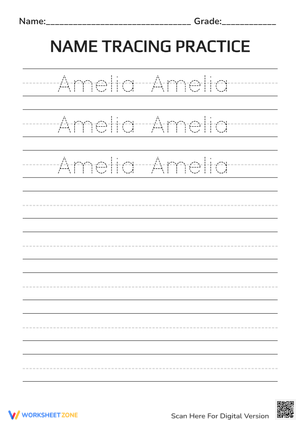
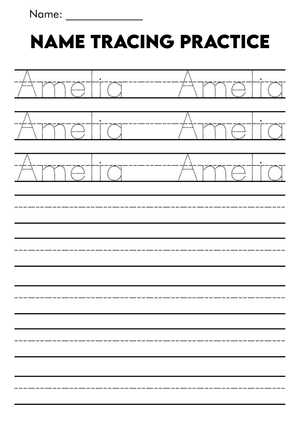
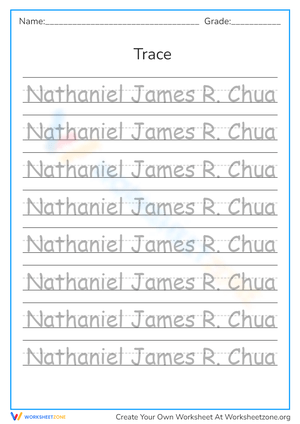
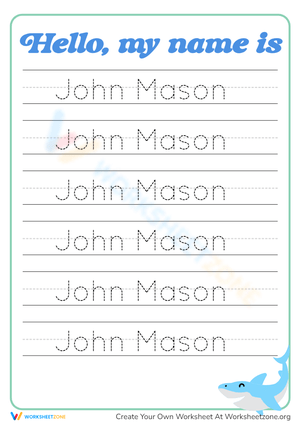
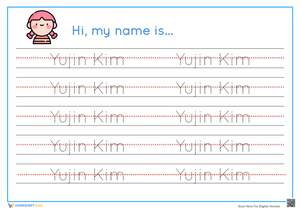
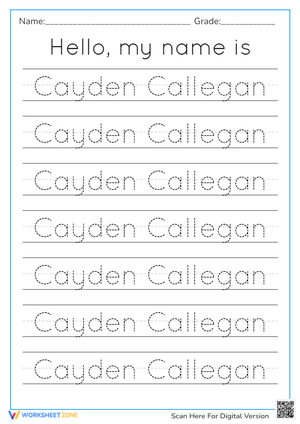
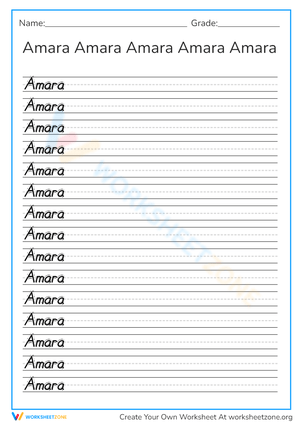
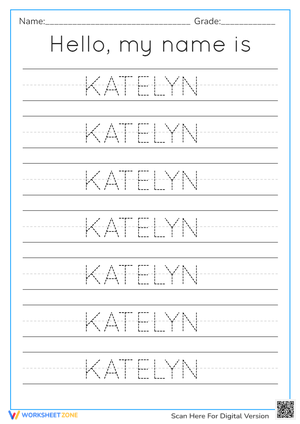
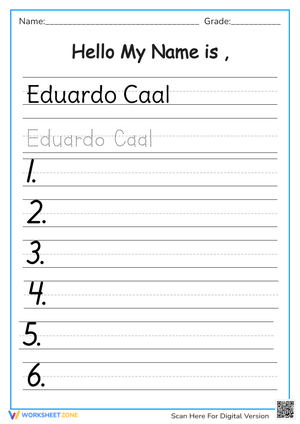
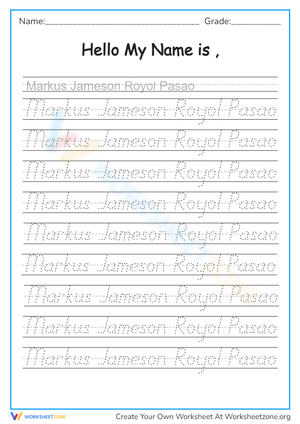
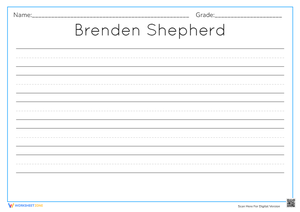
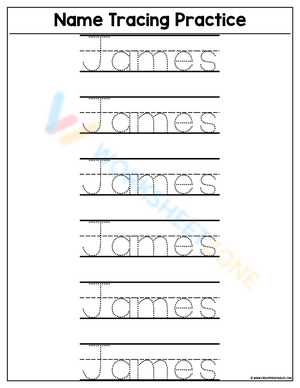
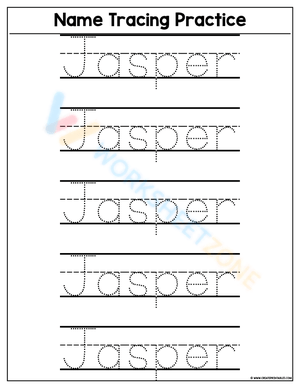
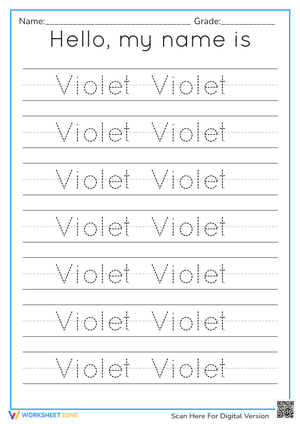
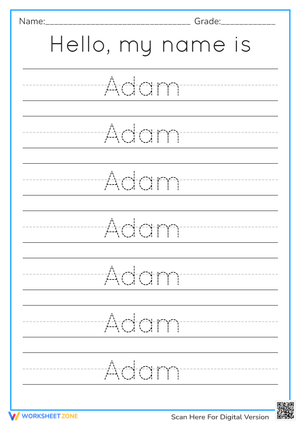
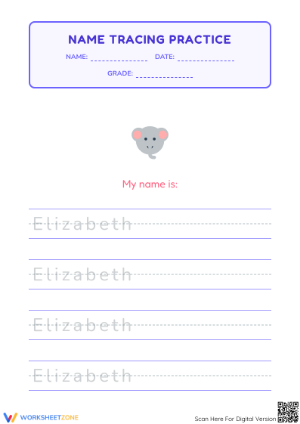
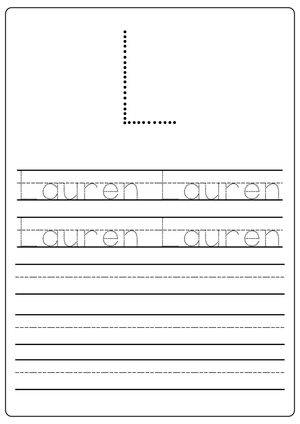
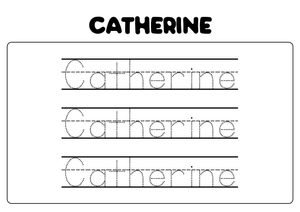
Editable worksheets are worth the setup time. When you can type each student's name into the template, every child practices exactly their letters at the same font size and line height, which keeps the task individualized without extra prep. Print a small stack per student so a finished sheet always signals it is time for a new one.
- Model the starting dot and stroke direction before students begin.
- Use verbal cues like top, down, and around that match how you taught the strokes.
- Rotate tracing into a station so you can watch grip and formation up close.
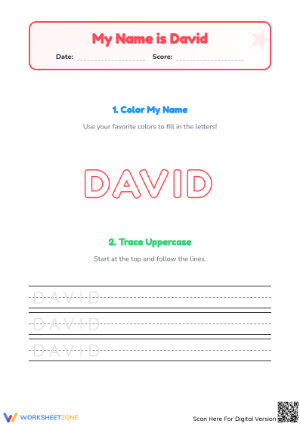
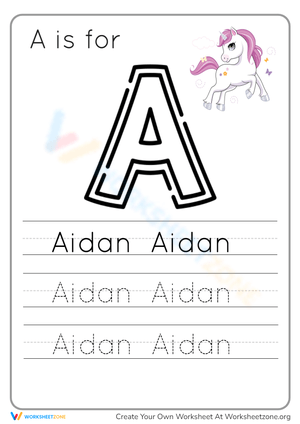
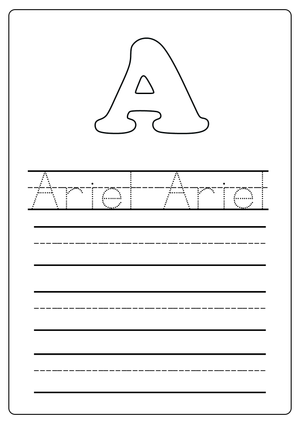
- Pair capital and lowercase versions so students learn the correct case for their name, not all capitals.
Differentiating for Fine Motor Needs
One template rarely fits an entire class. For students who need extra support, including those with IEP or 504 accommodations, adjust the physical demands before you adjust the expectation. Larger letters, bolder tracing lines, a slant board, or a pencil grip all reduce the fine motor load so the child can still practice the same name.
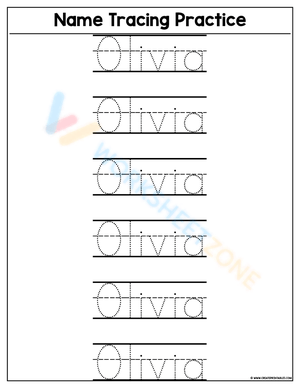
For students who are already tracing cleanly, fade the support. Move from solid lines to dotted lines, then to a single starting dot, and finally to independent writing beside a model. This gradual release keeps advanced students challenged while their peers keep building the strength and coordination, including bilateral coordination and eye-hand coordination, that name writing depends on.
Using Name Tracing as Formative Assessment
A stack of completed tracing sheets is quiet formative data. Reversals, letters that drift below the line, heavy erasing, or a grip that keeps collapsing all flag students who may need small-group fine motor support before whole-class handwriting begins. Because the task is identical each day, changes over two or three weeks show real growth or a real plateau.
Keep a dated sample every couple of weeks in each student's folder. As Edutopia points out in its work on building foundational writing skills in early childhood classrooms, watching how young children form letters over time tells you more than a single finished product. That running record makes it easy to show families progress and to decide who needs targeted intervention.
Frequently Asked Questions
1. At what age should children start practicing name tracing?
Most children are developmentally ready to begin forming the letters in their own name around ages 4 to 5, after they have mastered pre-writing strokes like lines, circles, and crosses. Age alone is not the deciding factor; readiness with those foundational strokes is.
2. How can teachers tell if a student is ready for pencil-based name writing?
Check whether the child can copy basic pre-writing strokes, hold a pencil in at least a static tripod grasp, and show enough hand strength to control the line. If those are missing, keep them on play-based activities like playdough and sand trays a while longer.
3. What pencil grip should students use when tracing their name?
Aim for a tripod grasp, but expect a range. Grip matures from a fist grip, to a digital pronate grip, to a static tripod, and finally a dynamic tripod. Short pencils and broken crayons gently encourage the correct three-finger hold.
4. How often should name tracing happen in PreK or Kindergarten?
Short and daily works better than long and occasional. Five to ten minutes during arrival or a literacy station gives young hands enough practice to build control without fatigue that pushes them back into an inefficient grip.
5. How can name tracing worksheets be adapted for students who need extra support?
Enlarge the letters, use bolder tracing lines, add a pencil grip or slant board, and shorten the task. For students ready to advance, fade from solid to dotted lines to an independent model beside the name.












 Interactive Worksheet Maker
 Quiz Maker
 Word Search Maker
 Crossword Puzzle Maker
 Word Scramble Generator
 Sentence Scramble Generator
 Handwriting Worksheet Generator
 Name Tracing Generator
 Fill In The Blank Generator