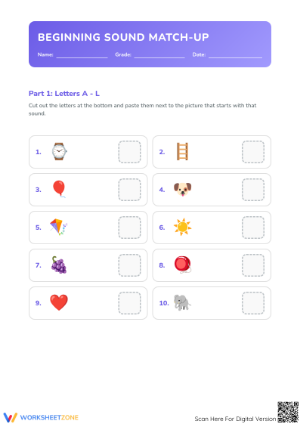
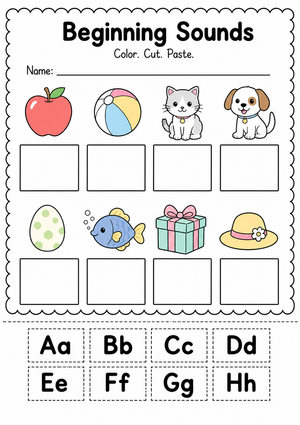
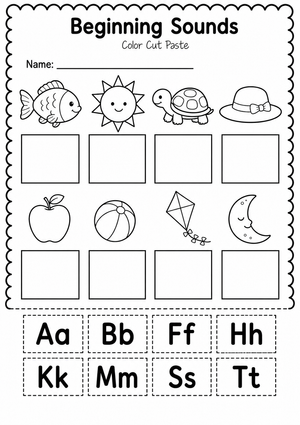
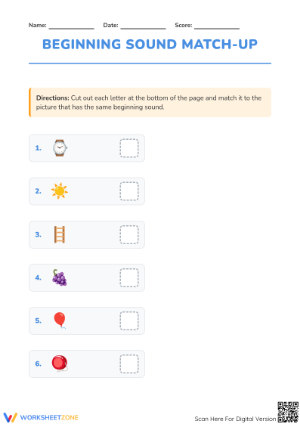
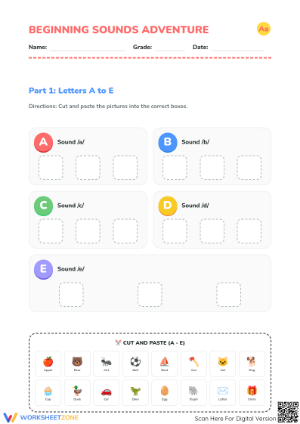
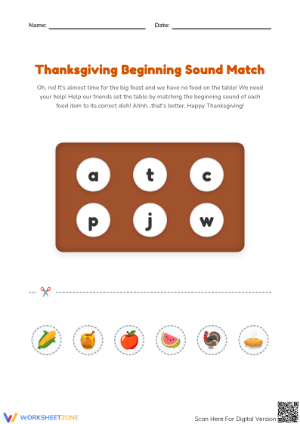
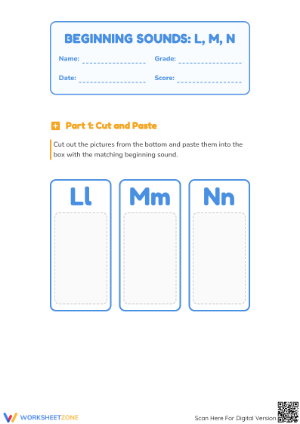
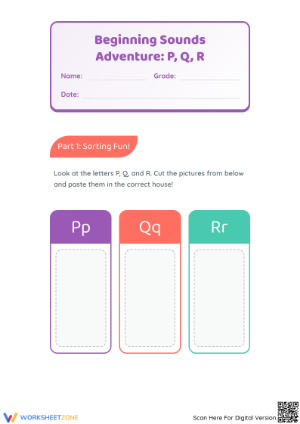
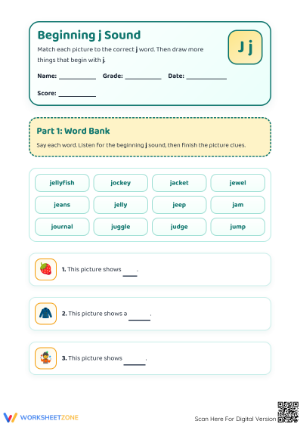
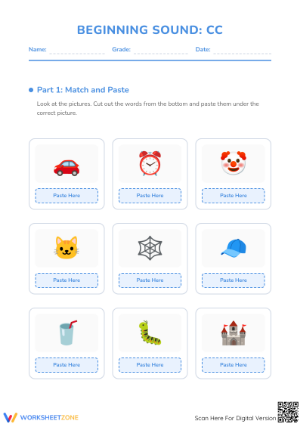
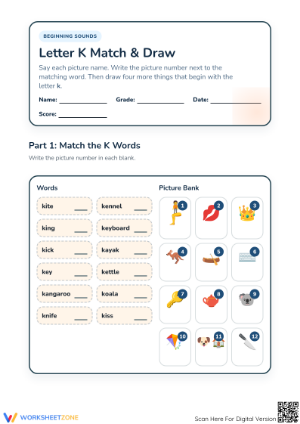
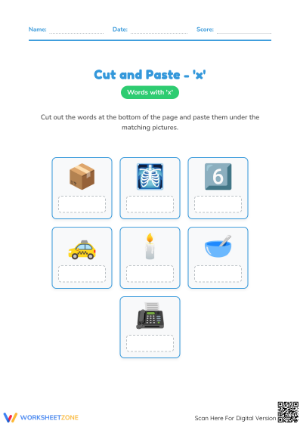
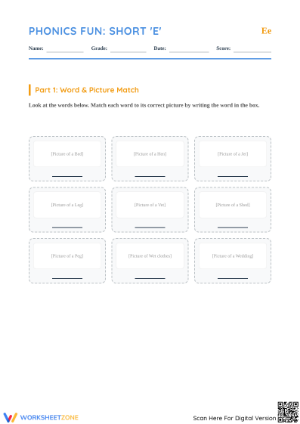
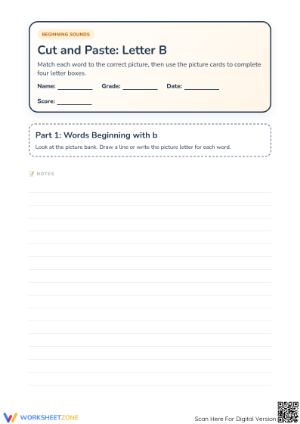
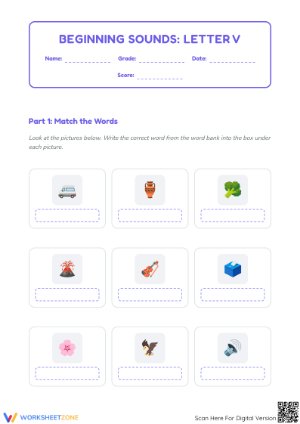
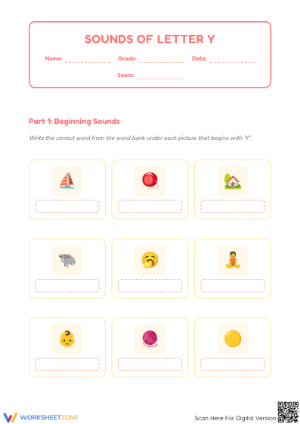
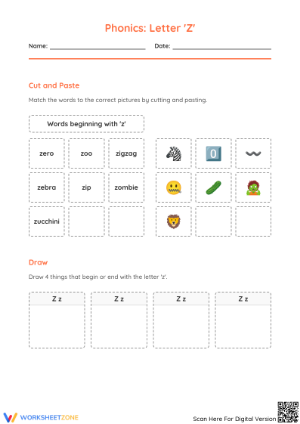
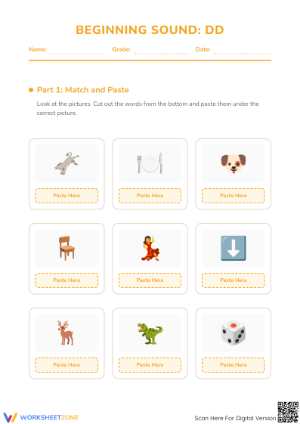
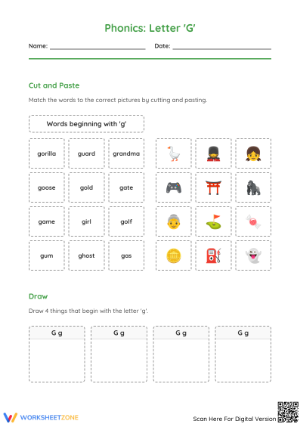
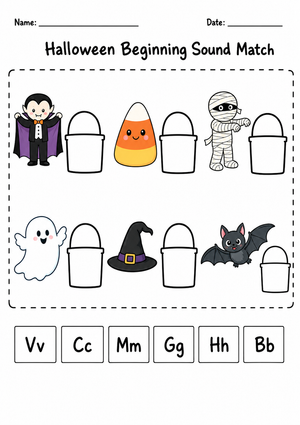
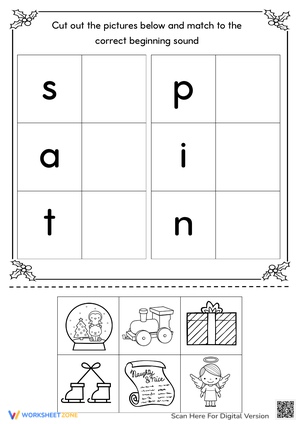
If you teach kindergarten or first grade, you already know that initial sound work is not a warm-up activity you can skip. It is core instruction. Beginning sounds cut and paste worksheets give students a hands-on way to isolate the first phoneme in a word and match it to the correct letter, which is exactly
What Makes Cut and Paste Different From Circle or Write Worksheets When Teaching Beginning Sounds
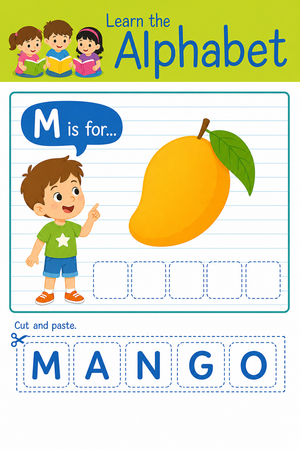
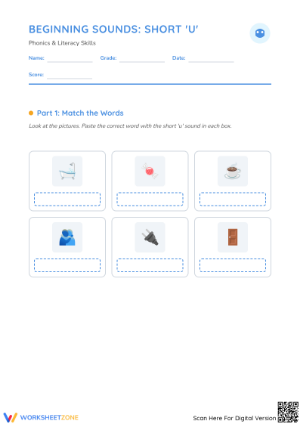
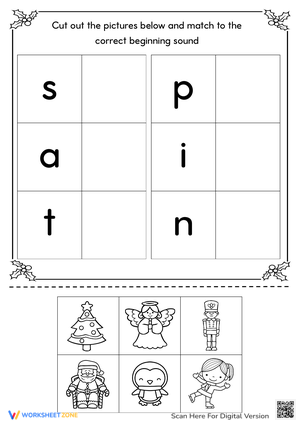
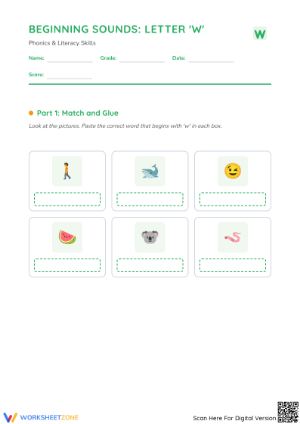
Many phonics worksheets ask students to circle a picture, write a letter, or draw a line to match. Cut and paste tasks add a physical, hands-on step: students must cut out a picture or letter card, decide where it belongs based on the beginning sound, and glue it into place. This extra step matters for several reasons. It slows students down just enough to make them commit to a decision rather than guessing quickly. It also builds fine motor control, which many kindergarten and first grade students are still developing alongside their literacy skills.
For students who are more visual or kinesthetic learners, physically manipulating pieces before placing them can increase engagement compared to a worksheet that only requires a pencil mark. This does not replace explicit, teacher-led phonemic awareness instruction, but it gives students an independent or center-based way to reinforce a skill you have already modeled.
Classroom Implementation
Beginning sounds cut and paste worksheets fit naturally into several parts of a kindergarten or first grade day. During literacy center rotations, they work as an independent or partner station once students understand the cut, sort, and glue routine. During whole-group instruction, you can use a large-format version projected or printed as an anchor chart to model your thinking aloud before releasing students to independent practice. For formative assessment, a quick beginning sounds cut and paste task can double as a checkpoint, letting you glance at student work to see which sounds still need reteaching before moving to the next phoneme in your scope and sequence.
Because these worksheets require no advance prep beyond printing, they also work well as sub plans, homework, or fast finisher tasks, giving you a reliable option any time you need a phonemic awareness activity ready to go without extra setup.
Frequently Asked Questions
1. What grade level are beginning sounds cut and paste worksheets appropriate for
These worksheets are most appropriate for kindergarten and first grade classrooms, particularly at the start of the school year or for students who are below benchmark on initial phoneme identification. They also work well for reading intervention groups regardless of grade level, since intervention students may need continued practice with this foundational skill.
2. How do cut and paste beginning sounds worksheets support phonemic awareness versus phonics
Phonemic awareness refers to hearing and manipulating individual sounds without print, while phonics connects those sounds to letters. Cut and paste beginning sounds tasks sit at the bridge between the two, since students must first identify the sound they hear and then match it to a letter or letter card, reinforcing both skills together.
3. How often should teachers use beginning sounds practice in a weekly phonics schedule
Short, frequent practice tends to outperform infrequent, longer sessions for phonemic awareness skills. Many kindergarten and first grade teachers build in a brief beginning sounds task three to five times per week during the early phonics unit, then taper frequency once most students demonstrate mastery.
4. Can beginning sounds cut and paste worksheets be used for progress monitoring or informal assessment
Yes, a completed cut and paste worksheet can serve as a quick informal checkpoint. Reviewing which items a student placed correctly or incorrectly gives you a fast snapshot of which initial sounds still need reteaching, though it should not replace a formal phonemic awareness assessment for progress monitoring decisions.
5. How should teachers support students who struggle to isolate initial sounds
Slow down the pace and isolate just one target sound at a time rather than mixing several sounds into a single task. Model exaggerated pronunciation of the initial sound, have students repeat it back before selecting a picture, and consider moving struggling students into a small group where you can give immediate corrective feedback during the cut and paste process.