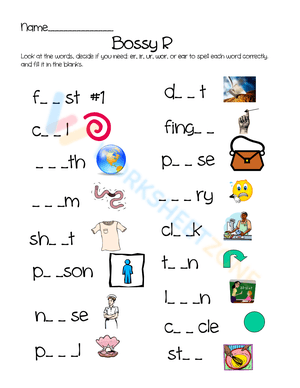
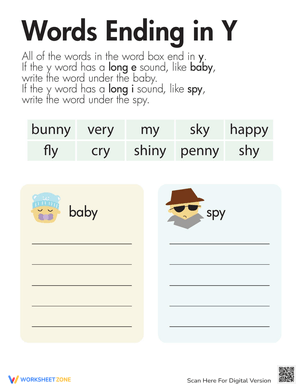
Understanding the Role of Letter Sounds in Literacy Development
Building a strong foundation in reading begins with the mastery of letter sounds. For many early learners, the transition from spoken language to written symbols represents a significant leap in cognitive processing. This process, often referred to as sound-symbol association, requires students to recognize that specific visual characters represent distinct auditory components. When teachers provide high-quality letter sounds worksheets resources, they offer students a concrete way to practice these abstract concepts. The goal is to move beyond simple memorization and toward a deeper understanding of phonemic awareness, where children can manipulate sounds within words fluently. This focus on the smallest units of sound ensures that children are not just guessing words based on pictures or context but are actually reading the text provided. Using structured printable materials allows for repeated exposure, which is vital for moving these associations from short-term to long-term memory.
Reading Rockets: Phonics Instruction
According to Reading Rockets: Phonics Instruction, students need a systematic sequence of sounds to build decoding skills. Research indicates that explicit phonics instruction leads to a 25% increase in reading fluency for early learners compared to non-systematic methods, providing the groundwork for future academic success.
The Advantages of Letter Sounds worksheets Format
In a busy classroom environment, efficiency and accessibility are paramount. One of the primary benefits of using a letter sounds worksheets format is the ease with which these materials can be distributed and organized. Unlike physical workbooks that can be bulky and expensive, digital files allow teachers to print exactly what they need for a specific lesson or a particular group of students. This flexibility is essential for differentiated instruction, where one group might be working on basic consonant sounds while another is exploring more complex blends or digraphs. Furthermore, the PDF format ensures that the formatting remains consistent regardless of the device used to access it. This means that clear images, properly spaced lines for writing, and consistent font sizes are maintained, which is vital for young readers who are still learning to distinguish between similar letter shapes.
Systematic Sequential Sound Introduction: SATIPN and Beyond
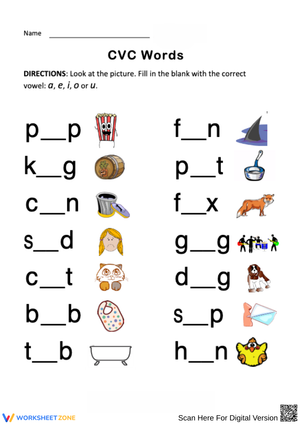
The order in which letter sounds are introduced can significantly impact a child's ability to start reading words quickly. Many effective phonics programs use a sequence such as s, a, t, i, p, n (often referred to as SATIPN). This sequence is chosen because these sounds can be combined to form many simple consonant-vowel-consonant (CVC) words almost immediately, such as sat, tap, pin, and ant. This immediate application of knowledge provides a sense of accomplishment for early readers and reinforces the utility of learning letter sounds.
Expert analysis of literacy acquisition suggests that introducing continuous sounds—those that can be held without distortion, like /m/, /s/, and /f/—before stop sounds—like /b/, /p/, and /k/—can make the blending process significantly easier for emergent readers. This subtle shift in instructional sequencing reduces the cognitive load during the initial stages of sound-symbol integration. When students use letter sounds worksheets tools that reflect this sequence, they are more likely to experience success during their first attempts at independent decoding, which builds the confidence necessary for continued engagement with literacy tasks.
As students progress through the initial set of sounds, teachers should gradually introduce more complex phonemes. It is important to avoid introducing letters that look similar, such as b and d, or p and q, too close together. Spacing out the introduction of these potentially confusing characters allows students to solidify their understanding of one before being introduced to the other. High-quality printable resources often include specific exercises for these tricky letters, providing visual cues and repetitive tracing activities to help students distinguish between them effectively.
Classroom Implementation
Integrating letter sounds worksheets resources into a daily classroom routine requires a balance between direct instruction and independent practice. A common approach is the "I Do, We Do, You Do" model. During the "I Do" phase, the teacher models the sound and the corresponding letter shape using a large display or a projector. Students watch as the teacher traces the letter and hears the sound clearly articulated. This modeling is vital for ensuring that students are forming the letters correctly and pronouncing the sounds accurately from the beginning. In the "We Do" phase, the class works together on a shared activity, perhaps identifying objects around the room that start with the target sound.
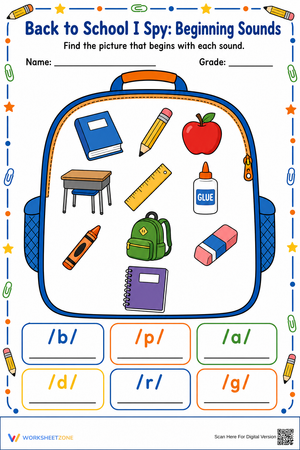
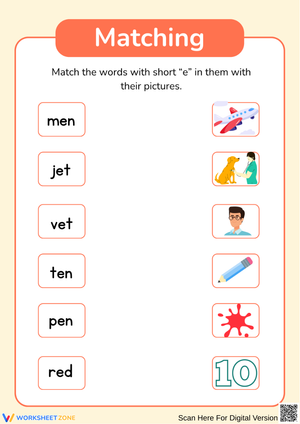
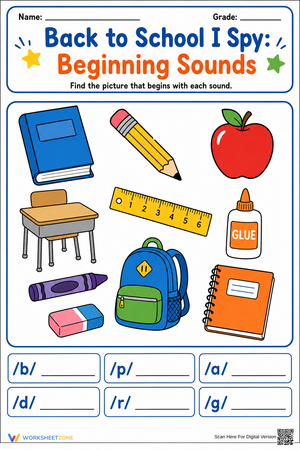
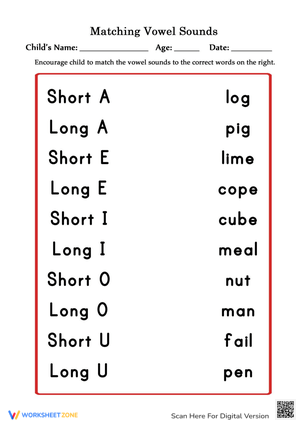
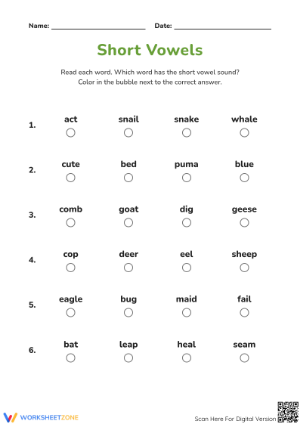
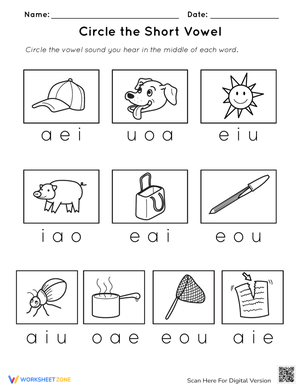
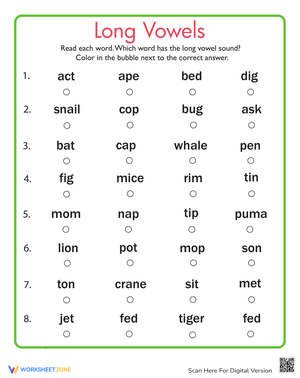
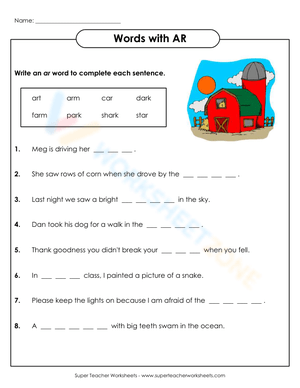
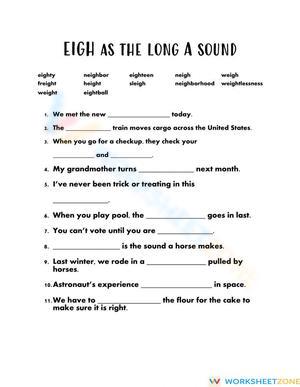
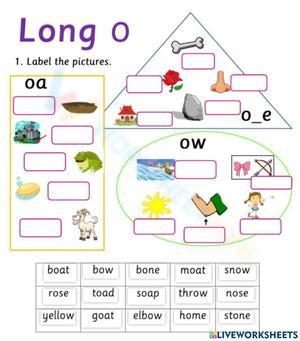
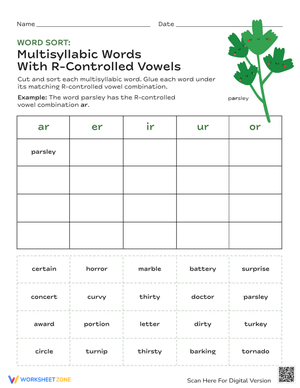
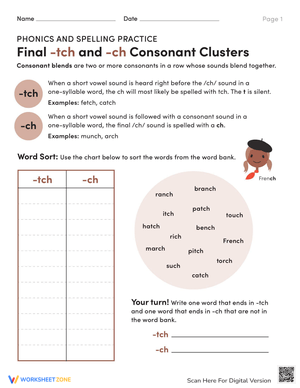
Finally, the "You Do" phase involves students working independently on their letter sounds worksheets. This is an excellent time for the teacher to circulate through the room, providing individual support and checking for common errors. These worksheets often include activities such as circling pictures that begin with the sound, tracing the uppercase and lowercase versions of the letter, and eventually writing the letter independently. This progression from recognition to production is a standard path toward mastery. Small group instruction is another highly effective way to implement these resources. By grouping students based on their current level of phonics knowledge, teachers can provide targeted practice that meets each child's specific needs.
Multi-sensory Strategies for Sound-Symbol Association
While worksheets provide a valuable paper-and-pencil component to literacy instruction, they are most effective when combined with multi-sensory activities. Young children learn best when they can engage multiple senses simultaneously. For instance, while a student is working on a letter sounds worksheets for the letter /m/, they might also be tracing the letter in a tray of sand, forming the shape with playdough, or using their finger to write it in the air. These tactile experiences help to solidify the neural pathways associated with each letter and sound. Auditory engagement is equally important. Teachers can encourage students to say the sound aloud every time they write the letter on their worksheet. This reinforces the connection between the visual symbol and the auditory phoneme.
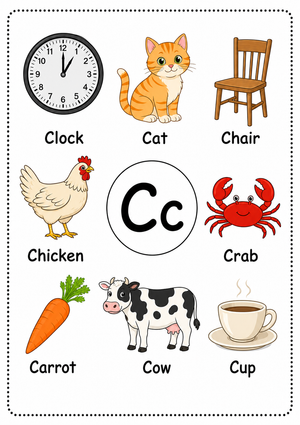
Visual aids also play a significant role. Classroom walls should be decorated with alphabet posters that include clear pictures representing the initial sound of each letter. These posters serve as a constant reference for students as they work on their assignments. When a child is unsure of a sound, they can look up at the wall, see the picture of the apple, and remember that the letter /a/ makes the /æ/ sound. Using letter sounds worksheets resources that mirror these classroom visuals provides a cohesive learning experience, making it easier for students to transfer their knowledge from one context to another. The goal is to create a rich environment where sounds and letters are constantly being explored in various formats.
Assessing Phonics Mastery in Early Learners
Regular assessment is vital for ensuring that phonics instruction is effective and that students are making progress. Teachers can use letter sounds worksheets activities as informal formative assessments. By reviewing a student's completed work, a teacher can quickly see if the child is struggling to distinguish between similar sounds or if they are having difficulty with letter formation. These observations can then inform future lesson plans and small group groupings, allowing for a more responsive and effective teaching practice. More formal assessments might involve one-on-one sessions where the teacher asks the student to identify a letter and produce its corresponding sound. This direct assessment provides a clear picture of each child's mastery level and identifies specific areas where additional support may be needed.
Frequently Asked Questions
1. At what age should children begin learning specific letter sounds?
Most children are ready to begin learning specific letter sounds between the ages of four and five, typically during their preschool or Kindergarten years. However, it is important to remember that every child develops at their own pace. Some may show interest and readiness earlier, while others might need a bit more time to develop the necessary phonemic awareness skills. The key is to look for signs of readiness, such as an interest in books, the ability to recognize some letters, and an awareness of rhyming words.
2. How can parents support letter-sound learning at home using worksheets?
Parents can be powerful partners in their child's literacy journey by providing a supportive environment for practice at home. Using letter sounds worksheets resources provided by the teacher allows for consistency between school and home. Parents should keep practice sessions short and fun, focusing on one or two sounds at a time. It is also helpful to point out letters and sounds in everyday life, such as on cereal boxes, street signs, or in favorite storybooks. This shows children that the skills they are learning in school have real-world applications.
3. What should I do if a child is struggling to connect a letter shape to its sound?
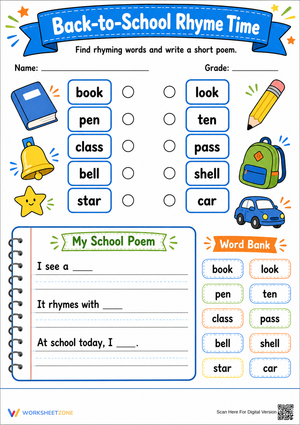
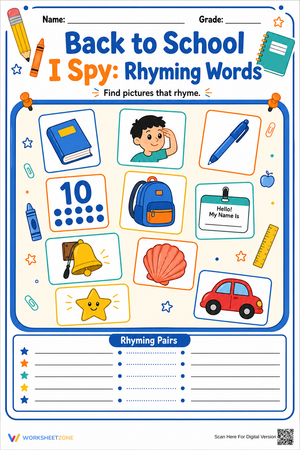
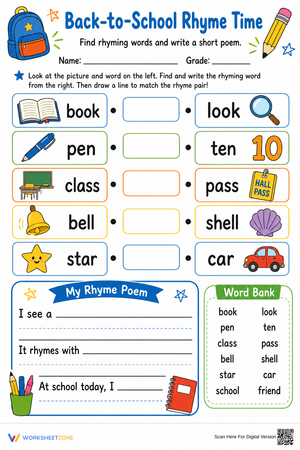
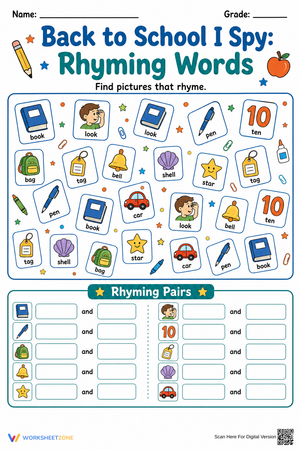
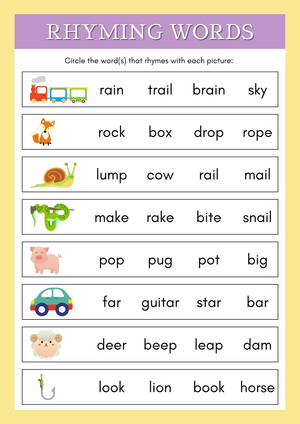
If a student is having difficulty making the connection between a letter and its sound, it may be helpful to step back and focus more on phonemic awareness activities that do not involve letters at all. Activities such as rhyming games, sound matching, and clapping out syllables can help build the foundational skills needed for phonics. Additionally, increasing the use of multi-sensory techniques, such as using sandpaper letters or sky-writing, can provide the extra tactile input some students need to solidify their understanding. Consistency and patience are key during this stage of development.












 Interactive Worksheet Maker
 Quiz Maker
 Word Search Maker
 Crossword Puzzle Maker
 Word Scramble Generator
 Sentence Scramble Generator
 Handwriting Worksheet Generator
 Name Tracing Generator
 Fill In The Blank Generator