The short /a/ sound shows up constantly in early decodable text, so students who cannot isolate it at the start of a word struggle later with blending and segmenting CVC words like cat, map, and bag. Beginning sound work is not a stand-alone novelty activity. It is a building block toward full phonemic segmentation, and it gives teachers an early, low-stakes way to see which students are ready to move into blending instruction and which ones need more oral practice first.
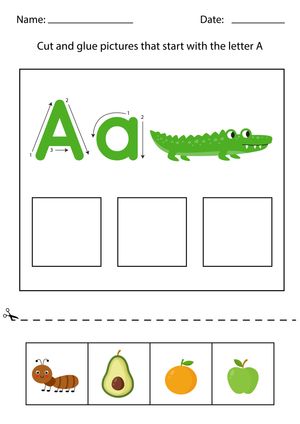
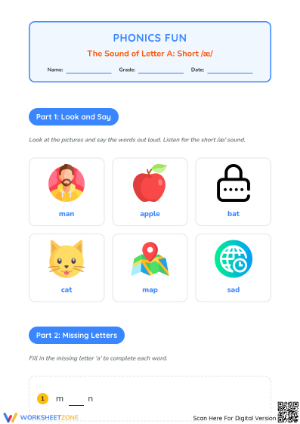
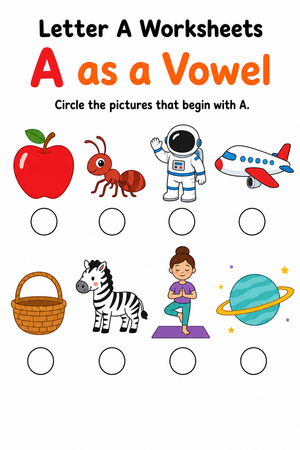
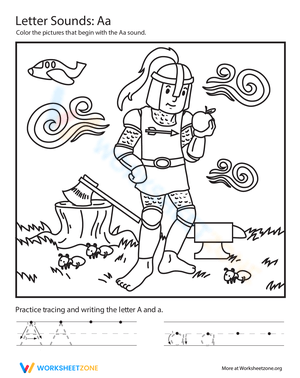
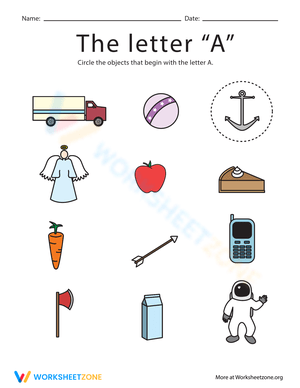
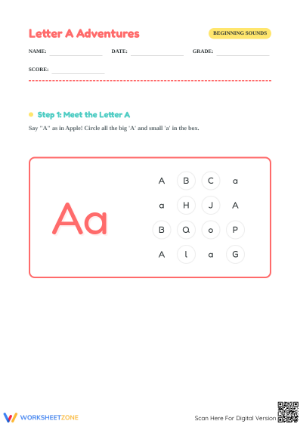
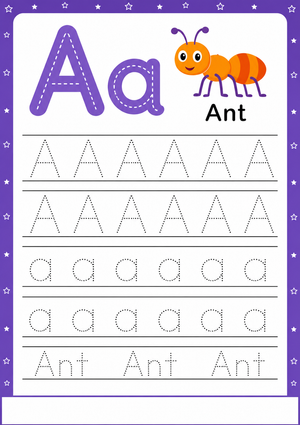
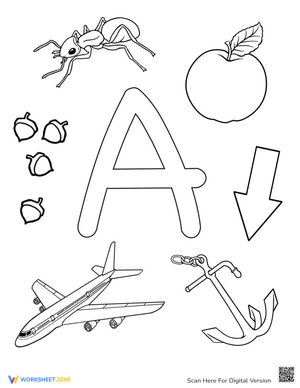
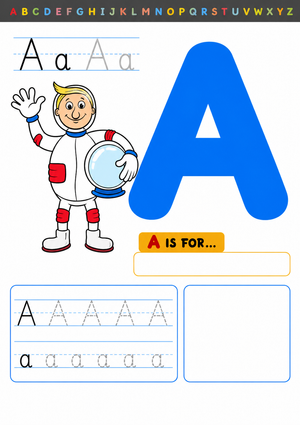
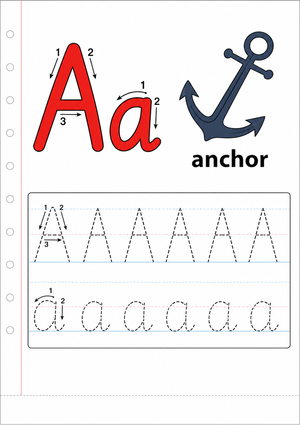
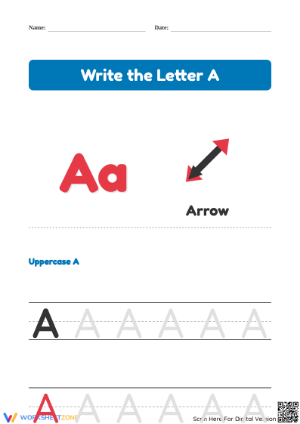
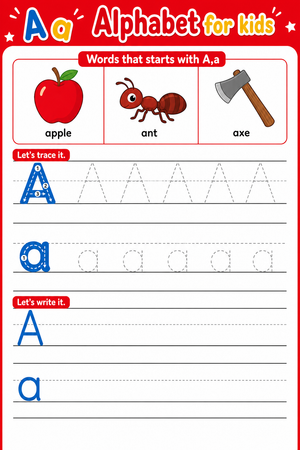
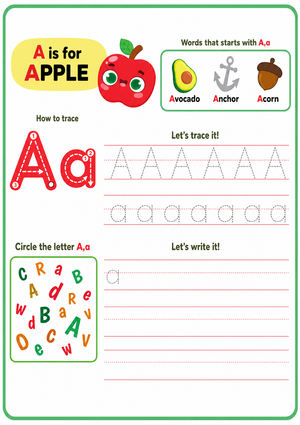
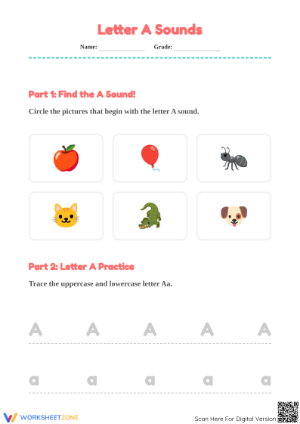
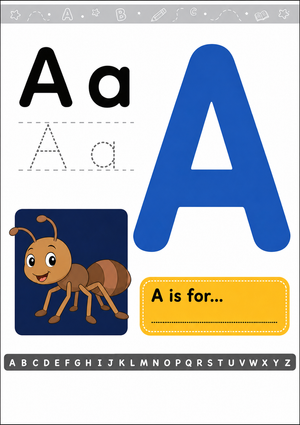
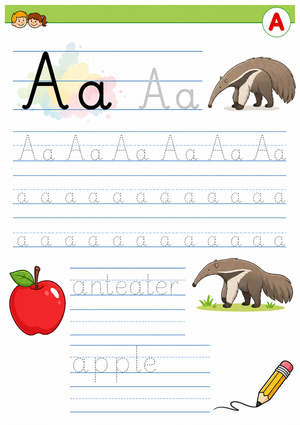
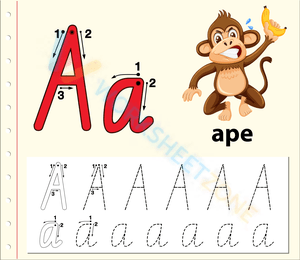
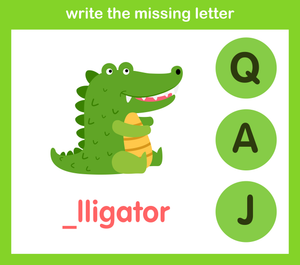
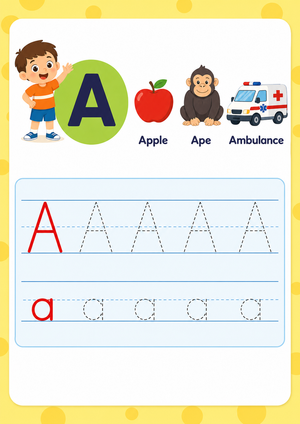
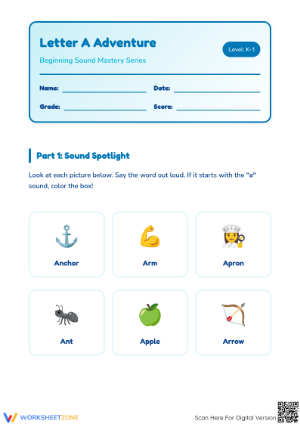
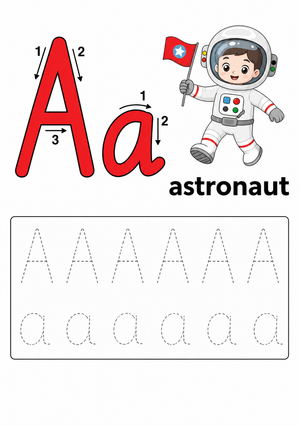
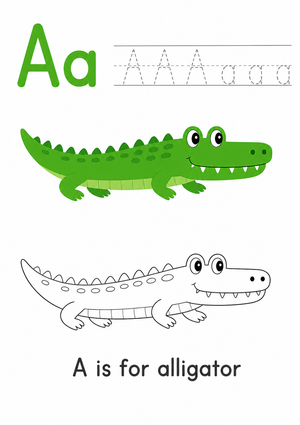
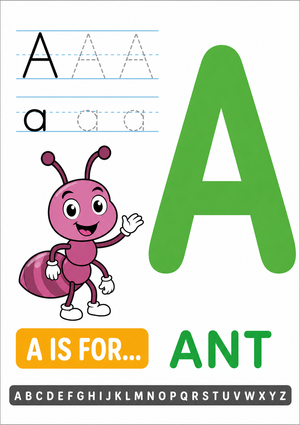
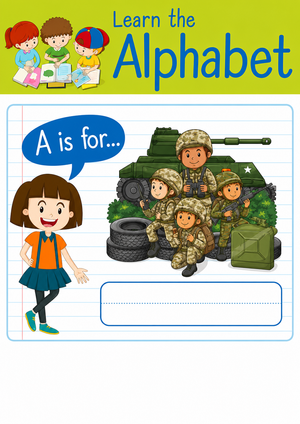
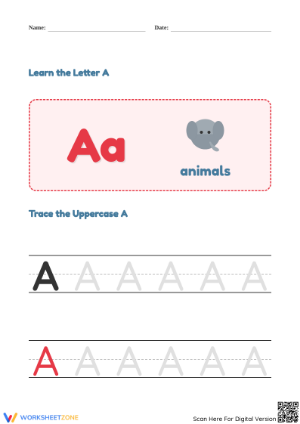
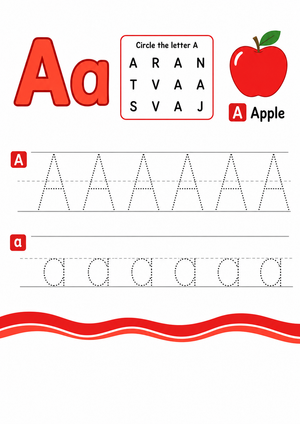
Letter a beginning sound worksheets typically ask students to circle, color, or sort pictures whose names start with /a/, or to match a picture to the correct letter. That format keeps the cognitive load manageable for four and five year olds while still targeting a precise, measurable skill.
How These Worksheets Support CCSS.ELA-LITERACY.RF.K.2.D
CCSS.ELA-LITERACY.RF.K.2.D requires kindergartners to isolate and pronounce the initial, medial vowel, and final sounds in three-phoneme, or CVC, words. Letter a beginning sound worksheets address the initial-sound portion of that standard directly, and they pair naturally with RF.K.3, which covers letter-sound correspondence. Because RF.K.2 is a phonemic awareness standard and RF.K.3 is a phonics standard, using a letter-based worksheet to practice an isolated sound actually blends both strands in one activity, which fits how young readers actually build the skill.
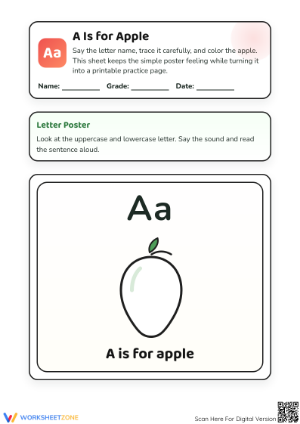
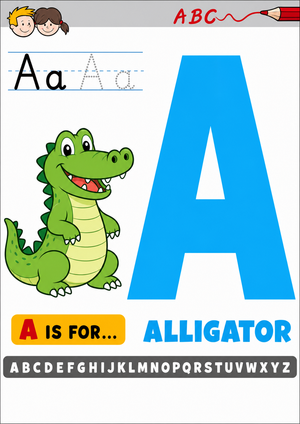
Research on phoneme manipulation instruction shows that tasks integrated with print, meaning the student sees the letter while practicing the sound, produce stronger instructional effects than sound-only oral tasks. That is a strong argument for choosing worksheets that pair the printed letter A with pictures over purely verbal beginning-sound games, especially for students who are still building letter recognition alongside phonemic skills.
Sequencing Letter A Practice Within a Sounds Unit
Letter a beginning sound worksheets work best when they are not taught in isolation. Sequence them within a broader unit on initial consonant and vowel sounds so students see how /a/ contrasts with sounds they already know, such as /m/ or /s/. A typical progression might start with sorting pictures that begin with /a/ versus pictures that clearly do not, move into matching pictures to the printed letter A, and finish with a mixed review page that includes two or three other letters students have already mastered.
This kind of spiraled review matters because segmenting instruction typically starts in kindergarten with two-phoneme words before progressing to three or more phonemes as students gain proficiency. Isolating the beginning sound is the first, simplest phoneme task in that progression, so letter A worksheets used early in the year set the foundation for the more demanding segmenting work that comes later.
Pairing Worksheets With Oral Warm-Ups
Worksheets alone rarely build phonemic awareness on their own; they work best after a short oral warm-up. Before handing out a letter a beginning sound worksheet, spend two or three minutes on quick oral practice: say a list of words and have students give a thumbs up when they hear one that starts with /a/, or play a simple I Spy game using classroom objects that begin with the short a sound. That oral rehearsal primes students to apply the skill more accurately once they move to the printed page, and it keeps the worksheet as reinforcement rather than the sole teaching moment.
Frequently Asked Questions
1. What age or grade level is appropriate for letter A beginning sound worksheets?
These worksheets fit pre-K readiness activities and are a core kindergarten phonics tool, particularly for the CCSS.ELA-LITERACY.RF.K.2.D initial sound isolation requirement.
2. How do beginning sound worksheets align with kindergarten CCSS foundational reading standards?
They directly support CCSS.ELA-LITERACY.RF.K.2.D, which requires isolating and pronouncing initial sounds in three-phoneme words, and they reinforce CCSS.ELA-LITERACY.RF.K.3 letter-sound correspondence at the same time.
3. How can teachers use these worksheets for small-group or intervention instruction?
Use them as guided practice with oral rehearsal built in: read each picture name aloud together, have students isolate the first sound verbally before marking an answer, and add physical cues for students who need extra multisensory support.
4. What is the difference between phonemic awareness and phonics practice in these activities?
Phonemic awareness is the oral skill of isolating the /a/ sound in spoken words, while phonics connects that sound to the printed letter A. A well-designed worksheet targets both at once, which research suggests produces stronger instructional effects than sound-only practice.
5. How often should beginning sound practice occur in a kindergarten literacy block?
Short, frequent sessions of five to eight minutes, several times a week, tend to work better than long, infrequent sessions, especially when paired with a brief oral warm-up before the worksheet itself.