Common instructional practice teaches Q and U as inseparable letter partners, often called letter best friends, rather than teaching Q in isolation. This framing gives young learners a concrete mental model: whenever they see Q, U is coming right behind it, and the two letters work together to make one sound. Teachers can reinforce this with a simple visual cue, such as circling the qu pair together on a worksheet instead of underlining each letter separately.
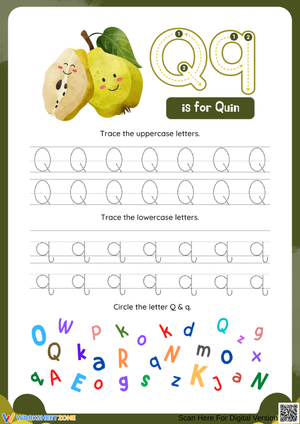
This letter best friends approach also helps during letter formation practice. Students who are still learning to write letters benefit from tracing q and u as a connected unit on the page, which builds the same partnership habit into their handwriting practice that they are learning in phonics instruction.
A Classroom Routine for Introducing the Qu Sound
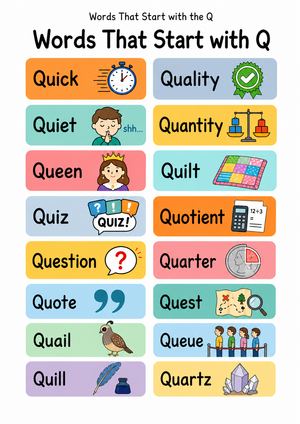
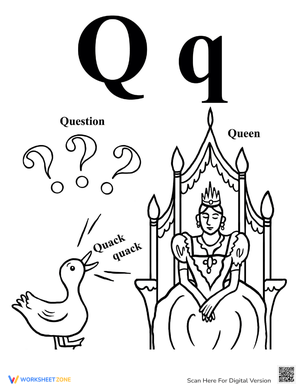
Effective introduction routines have students repeat 3-6 qu words aloud (quail, quack, queen, quarter) and then identify the shared beginning sound. Start a lesson by saying each keyword slowly, exaggerating the initial /kw/ blend, and have students echo it back before moving to a worksheet. This oral rehearsal step matters because students need to hear and produce the sound accurately before they can reliably match it to print.
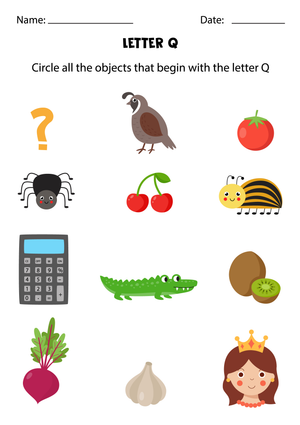
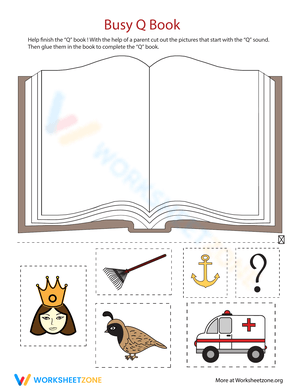
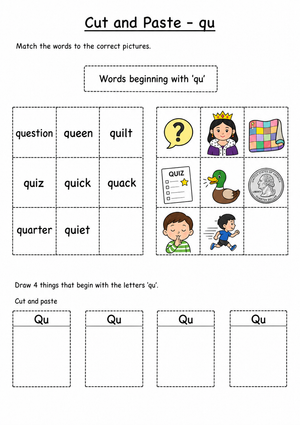
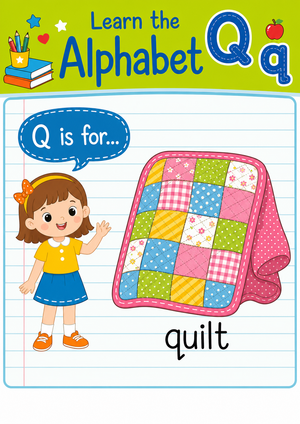
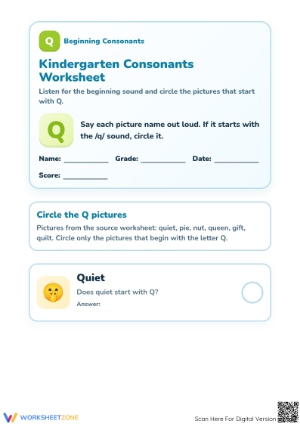
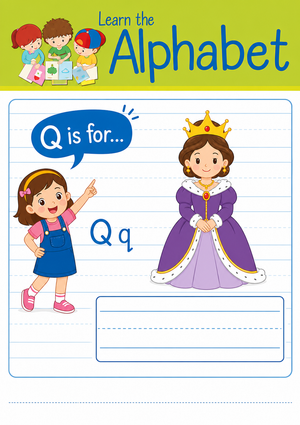
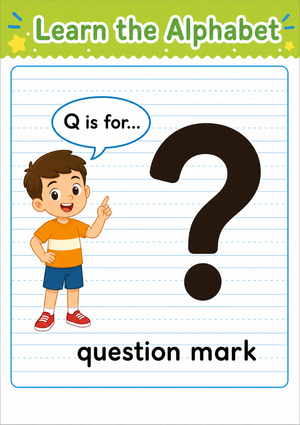
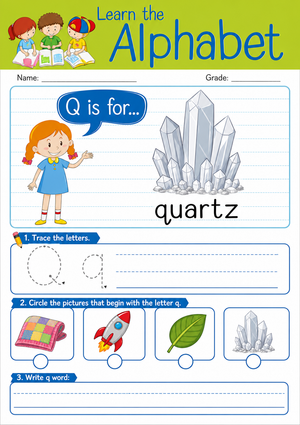
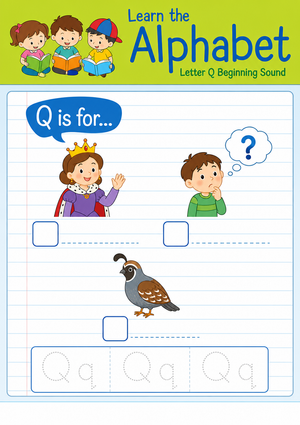
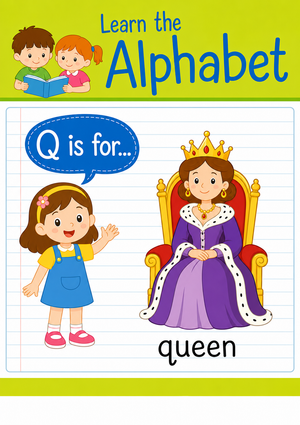
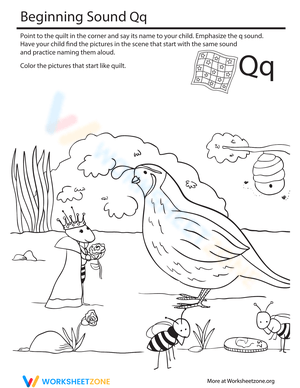
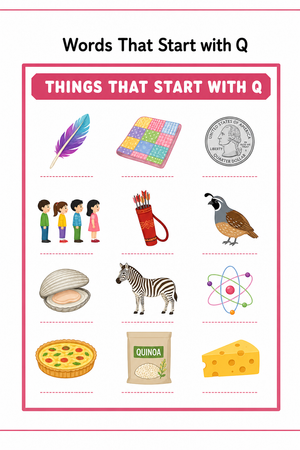
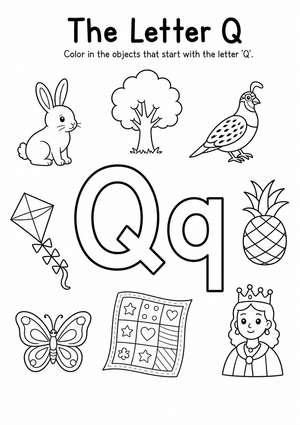
Once students can produce the /kw/ sound on demand, worksheet practice becomes a check for transfer rather than the first exposure. A typical page might ask students to circle pictures that begin with the qu sound, sort picture cards into qu and not-qu columns, or trace the letters q and u above a queen or quilt image. Keeping the picture set small and highly recognizable, four to six images rather than a dozen, helps students stay accurate instead of guessing.
Supporting Mouth Position Awareness
Because the qu blend combines a stop consonant with a glide, some students confuse it with other rounded-lip sounds like w or the wh blend. Naming the mouth shape explicitly, lips rounded and pulled slightly forward, tongue back near the soft palate, gives students a physical anchor they can check against when they are unsure. Pairing this mouth-position cue with a mirror or hand signal during small group instruction gives struggling students an extra channel for self-correction beyond just listening.
Aligning Q Worksheets With Kindergarten Standards
CCSS.ELA-LITERACY.RF.K.3.a requires kindergartners to demonstrate one-to-one letter-sound correspondence by producing the primary sound for each consonant, which for Q includes the qu pairing. Worksheets that treat qu as a single practiced unit directly support this expectation, since the standard is asking students to produce the primary sound tied to the letter as it functions in real words, not an isolated phoneme that rarely appears on its own.
When you document progress toward this standard, a letter Q beginning sound worksheet gives you a quick, low-stakes way to see whether a student can both recognize qu in print and produce the matching sound aloud. That combination of receptive and expressive practice on one page makes these worksheets useful for both instruction and informal progress monitoring.
Classroom Implementation
Introduce the qu pairing with an oral warm-up before any worksheet reaches a student desk, using three to four highly familiar keywords such as queen, quack, and quilt. Model the mouth position explicitly and have students echo the sound chorally before individual practice begins.
- Open with an oral qu word list, having students repeat each word and isolate the beginning sound as a group
- Use the worksheet as guided practice, circulating to check that students are tracing or circling qu as a unit, not q and u separately
- Follow with a physical picture sort that mixes qu images with two or three already-mastered consonant sounds for contrast
- Close with a quick verbal check, asking each student to name one qu word from memory before transitioning to the next activity
For students who need more repetition, keep a small set of qu picture cards in your intervention bin so you can revisit the sound in one-to-one or small group settings without pulling a full new worksheet each time.
Frequently Asked Questions
1. Why is Q taught with U instead of as a single letter sound
In English, Q is almost always followed by U, and the pair together produces the /kw/ sound. Teaching Q in isolation would not match how the letter actually functions in real words like queen or quick, so most instruction and worksheets treat qu as one combined sound unit from the start.
2. What grade level typically works on letter Q beginning sound worksheets
These worksheets are most common in kindergarten and early first grade, aligning with CCSS.ELA-LITERACY.RF.K.3.a, which asks students to produce the primary sound for each consonant, including the qu pairing, as part of foundational letter-sound correspondence work.
3. How can teachers help students who struggle to distinguish the qu sound from other blends
Naming the mouth position explicitly, rounded lips pulled slightly forward with the tongue drawn back, gives students a physical cue to check against. Pairing that cue with oral repetition of keyword pictures like quail or quarter before worksheet practice also builds a stronger sound-to-print connection.
4. What are good qu example words to use with beginning readers
Common keyword choices include queen, quick, quilt, quack, quail, and quarter. Choosing pictures that are visually clear and familiar to young students helps keep beginning-sound worksheets accurate rather than confusing.
5. How do these worksheets fit into a kindergarten phonics scope and sequence
Because true single-letter Q words are rare, qu is often sequenced later than high-frequency consonants like S, M, or T within a phonics scope and sequence. Teachers can preview the qu partnership briefly before the unit begins to reduce confusion once students reach independent worksheet practice.