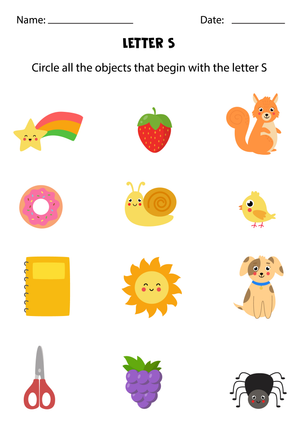
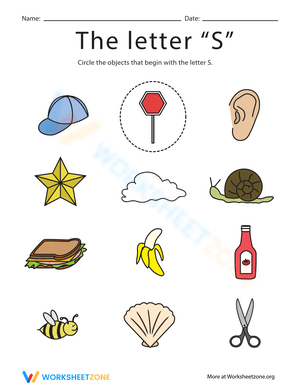
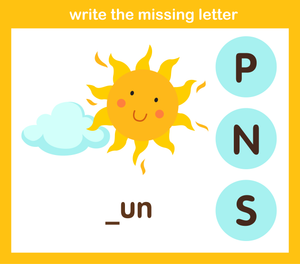
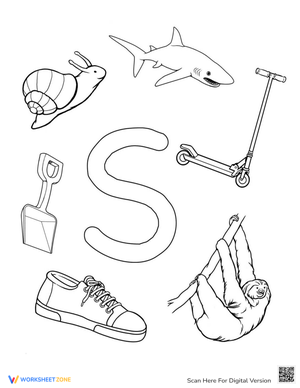
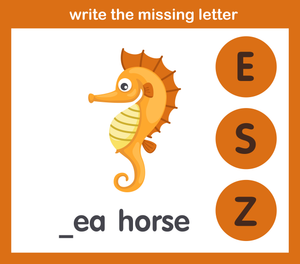
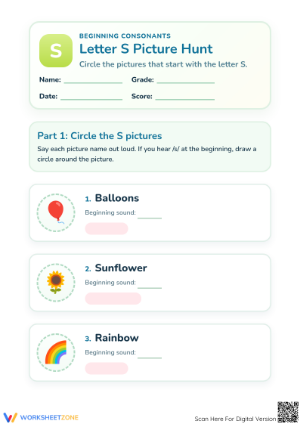
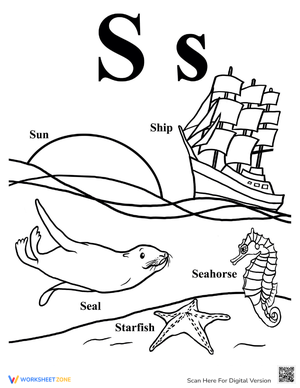
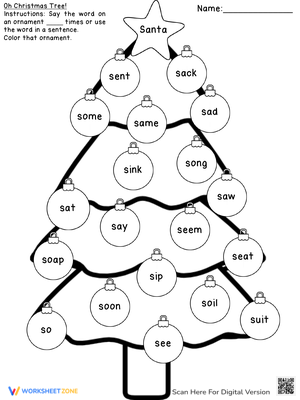
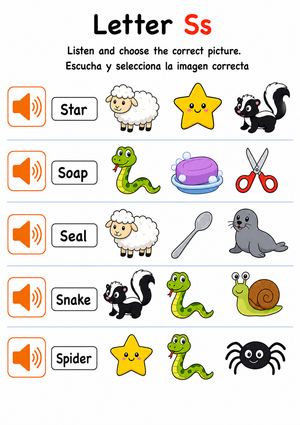
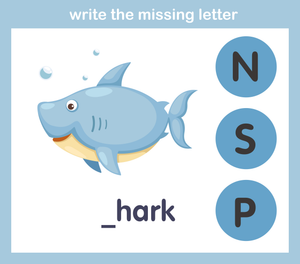
Students walking into a Pre-K or Kindergarten room each fall arrive with wildly different levels of sound awareness. Some can already isolate the first sound in a word like sun or sock, while others are still learning that words are made of separate sounds at all. Letter s beginning sound worksheets give teachers a low-prep, repeatable way to close that gap without pulling every child into a scripted lesson. A single page of picture-sound matching or circle-the-beginning-sound items can slot into morning work, a phonics center, or a five-minute small-group warm-up.
The appeal for busy teachers is not just convenience. Isolating the initial /s/ sound is a named, testable skill under Kindergarten foundational reading standards, so practice sheets built around letter S double as informal progress checks throughout the unit.
What the Research Says About Systematic Phonics Instruction
Teachers sometimes wonder whether worksheet-based sound isolation practice is worth classroom time compared to more open-ended play. The research on systematic phonics instruction answers that question with real numbers.
The National Reading Panel meta-analysis found that systematic phonics instruction produced a moderate effect size of d equals 0.41 to 0.44 on reading outcomes compared to non-systematic or no phonics instruction, and the effect grew to d equals 0.55 when instruction began early rather than after first grade. That gap between 0.55 and 0.27 is the strongest argument for front-loading beginning-sound practice in Pre-K and Kindergarten rather than waiting until first grade to formalize it.
Systematic phonics instruction that explicitly teaches sound-letter relationships in a planned sequence produces stronger reading gains than incidental exposure, according to the National Reading Panel's meta-analysis of reading research, which reported an effect size range of d equals 0.41 to 0.44 across studied programs. Front-loading this instruction in Pre-K and Kindergarten, before the effect size drops after first grade, is the practical takeaway for early literacy teams.
Pairing Picture-Sound Matching With Tracing and Letter Formation
Sound isolation and letter formation reinforce each other when taught together. After students circle or sort pictures that begin with the /s/ sound, add a short tracing or letter-writing component so the sound gets tied to its printed symbol right away. A simple routine works well: say the sound, trace the letter S while saying it again, then find a matching picture on the worksheet.
This kind of multisensory sequencing matters most for students who are still building the connection between spoken sounds and written letters. Kinesthetic tracing gives a second pathway into memory for students who do not retain the sound-letter link from listening and looking alone.
Classroom Implementation
To get consistent use out of letter S beginning sound worksheets without adding planning time, build them into routines you already run.
- Rotate a fresh letter S page into literacy centers each week during your S unit, alternating picture-only and picture-plus-letter versions.
- Use one page as timed morning work so you get a quick daily snapshot of who is ready for more challenge.
- Send a take-home version in Friday folders with a short note asking families to say each picture name aloud with their child before marking answers.
- Pair every worksheet with a thirty-second oral check where the student says the beginning sound aloud, since written answers alone can mask a spoken-language gap.
These small routines keep letter S practice active across the unit instead of being a single one-off activity, which matters given how much stronger early, sustained phonics instruction performs compared to instruction introduced later or delivered inconsistently.
Frequently Asked Questions
1. How should teachers use letter S beginning sound worksheets in a Pre-K or Kindergarten classroom?
Use them flexibly across whole-group warm-ups, small-group intervention stations, literacy centers, and take-home practice. The same page can serve rehearsal in a large group and diagnosis in a small group, depending on whether you have students respond aloud or in writing.
2. What is the difference between beginning sound recognition and letter-sound correspondence under CCSS RF.K.2?
Sound recognition means a student can hear and match the initial /s/ sound without needing to know the letter. Letter-sound correspondence, targeted by RF.K.2.D, requires connecting that spoken sound to the printed letter S. Pre-K worksheets often target the first skill, while Kindergarten worksheets build toward the second.
3. How often should students practice initial /s/ sound activities before moving to blending?
There is no single fixed number of sessions, but students generally need repeated, short practice across several days rather than a single lesson, since phoneme isolation needs to become automatic before blending sounds into words becomes manageable.
4. What are quick ways to assess whether a student has mastered the letter S beginning sound?
Track correct versus incorrect responses across two or three worksheets rather than one, and add a brief oral check where the student says the beginning sound aloud. This catches students who can mark a picture correctly but still cannot isolate the sound verbally.
5. How can these worksheets support struggling readers or English language learners practicing initial sounds?
Pair every worksheet item with an oral rehearsal step, say the word together before marking it, and start with picture-only sorting before adding the printed letter. This slows the task down and separates the sound-isolation skill from vocabulary or print demands that can otherwise mask true progress.