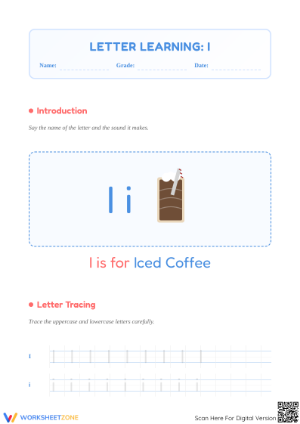
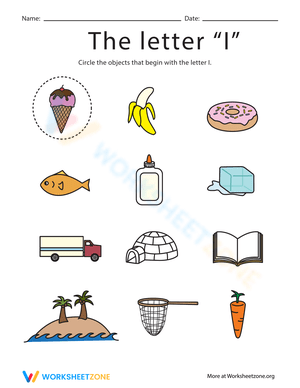
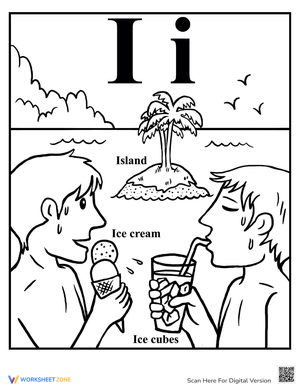
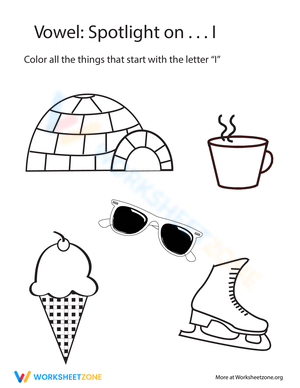
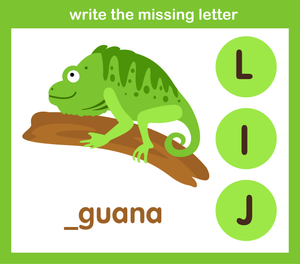
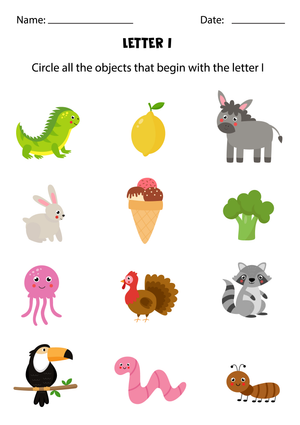
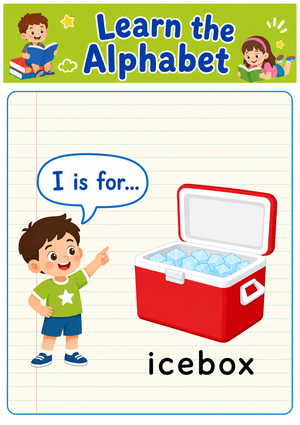
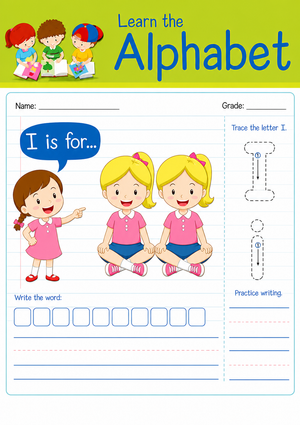
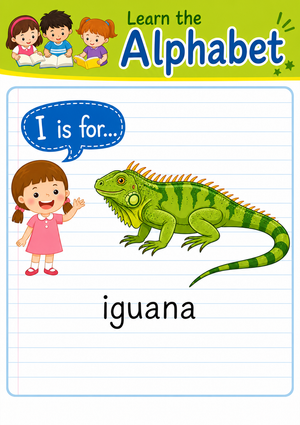
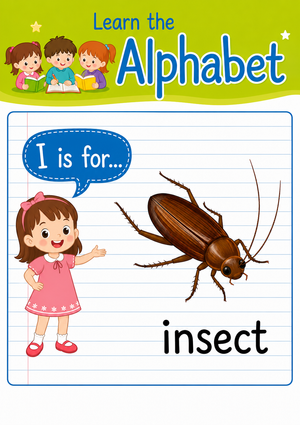
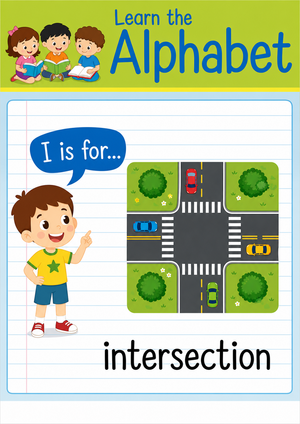
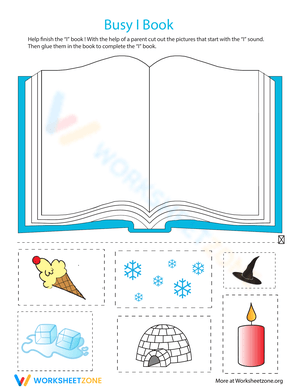
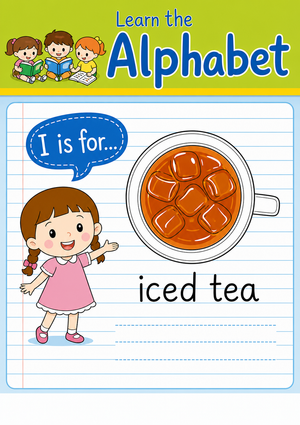
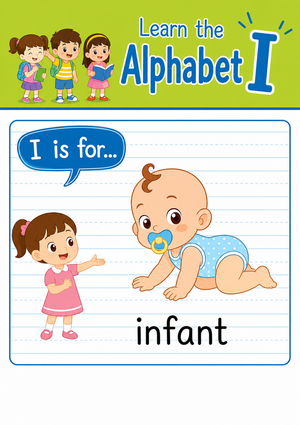
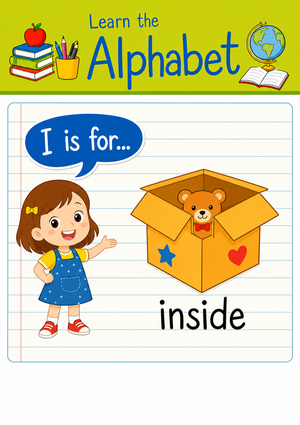
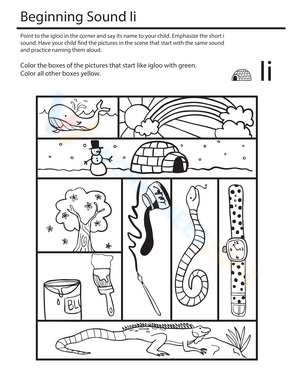
When you introduce letter I beginning sound worksheets, you are targeting one of the most important building blocks of early reading. Letter-sound knowledge at kindergarten entry is a strong predictor of later reading success, and students who know few letter sounds face a higher risk of reading difficulties down the road. Short vowel sounds like the one in letter I can be tricky for young learners to isolate, which makes focused, repeatable practice essential rather than optional.
Phonemic awareness, especially the ability to isolate and identify beginning sounds in spoken words, is one of the strongest early predictors of reading achievement. That means a worksheet asking a student to circle the picture that starts with the short i sound is not busywork. It is direct practice on a skill tightly linked to future decoding ability, which is why these worksheets earn a regular spot in a phonics block rather than a once-in-a-while filler activity.
Fitting Letter I Worksheets Into a Whole-Group Phonics Block
In a whole-group setting, letter I beginning sound worksheets work well as guided practice right after you have modeled the sound with a chant, an anchor picture, or a quick auditory game. Project the worksheet or hand out copies, then walk students through the first item together before releasing them to work independently. This keeps the whole-group time focused on the systematic phonics sequence you have already established, since systematic phonics instruction teaches letter-sound relationships in a clearly defined, cumulative sequence rather than incidentally.
A simple routine looks like this: say the target word aloud, have students repeat it, ask them to say just the beginning sound, then have them find the matching picture or letter on the worksheet. Repeating this cycle for five or six items keeps the pace brisk enough to hold kindergarten attention while still giving every student several chances to practice.
Pairing Picture Sorting With Beginning Sound Isolation
Picture sorting is a natural companion to letter I beginning sound worksheets because it separates the visual task from the printed task. Give students a small set of picture cards and ask them to sort them into two piles: pictures that start with the short i sound and pictures that do not. Once they can sort accurately with cards, the worksheet version becomes an easier transfer task rather than a cold start.
This sequence matters because effective early letter-sound instruction combines letter naming, auditory discrimination tasks, and picture-based sound association. Skipping straight to the worksheet without the oral and picture-based groundwork can leave gaps for students who are still developing phonemic awareness independent of print.
Classroom Implementation
To get the most out of letter I beginning sound worksheets, build a short weekly rhythm: introduce the sound with an anchor picture and chant on day one, use guided worksheet practice in whole group on day two, run small-group intervention with struggling students on day three, and finish with an independent worksheet as a formative check by day four or five. This rhythm keeps the skill fresh without overloading any single lesson.
Keep a few blank or half-completed worksheets on hand for students who finish early or need a quick warm-up at a literacy center. Rotating in tactile extensions, such as tracing the letter I in sand or a shallow tray, gives kinesthetic learners another way to connect the shape of the letter to its sound. Hands-on, tactile, and multisensory activities are especially effective for kindergarten-age learners practicing letter-sound skills, so pairing a worksheet with even one multisensory extension each week can strengthen retention.
For pre-K classrooms, focus mainly on oral practice and picture identification, saving the printed worksheet for students who are already comfortable holding a pencil and tracking left to right. For kindergarten intervention groups, lean more heavily on the worksheet itself as a repeatable, low-prep practice tool that pairs naturally with your existing structured literacy block.
Frequently Asked Questions
1. What age or grade level is developmentally appropriate for letter I beginning sound practice
Pre-K and kindergarten students are the primary audience, since this is typically when children begin isolating individual sounds in words and connecting them to specific letters. Some pre-K classrooms focus on oral practice first, while kindergarten classrooms often move into the printed worksheet format as students grow more comfortable with pencil control and tracking print.
2. How can teachers tell if a student has mastered the letter I beginning sound versus needs reteaching
Look for consistency across multiple exposures rather than a single worksheet. A student who accurately identifies the short i beginning sound in oral tasks, picture sorts, and printed worksheets across several days has likely mastered the skill, while a student who guesses inconsistently or confuses it with another vowel sound needs additional small-group practice.
3. How do beginning-sound worksheets fit into a systematic phonics or structured literacy sequence
They serve as guided or independent practice within a clearly sequenced scope, following explicit instruction on the target sound and preceding more complex tasks like blending or spelling words with that sound. Systematic phonics instruction teaches letter-sound relationships in a clearly defined, cumulative sequence rather than incidentally, so these worksheets should always connect back to the sound or letter you taught most recently.
4. What classroom activities pair well with letter I beginning sound worksheets for extra practice
Picture sorting, sound boxes, tactile letter tracing, and oral picture-naming games all reinforce the same skill through different modalities. Rotating these activities alongside the worksheet keeps practice engaging and supports students who benefit from hands-on or auditory reinforcement in addition to printed practice.