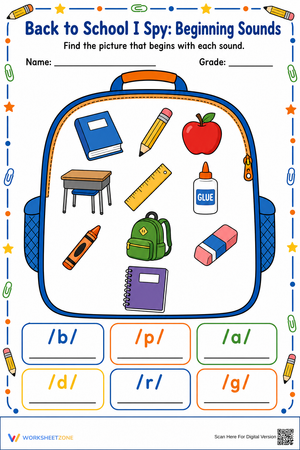
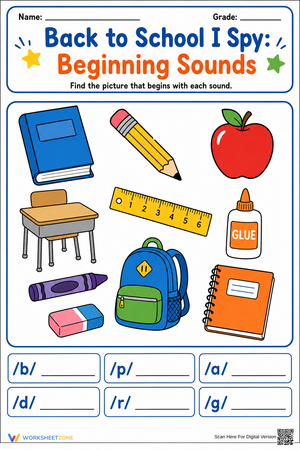
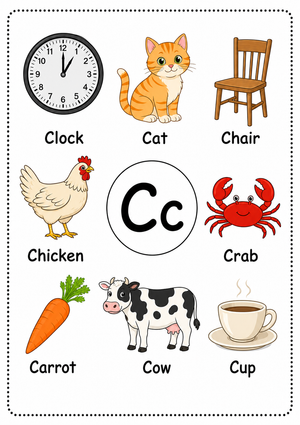
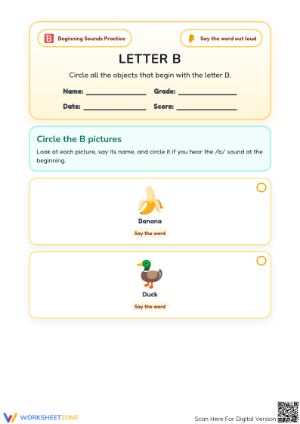
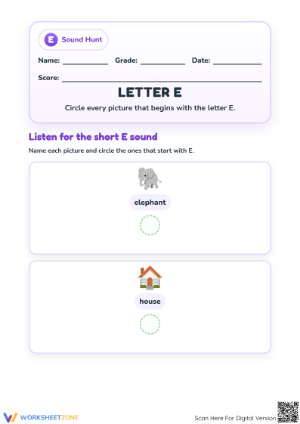
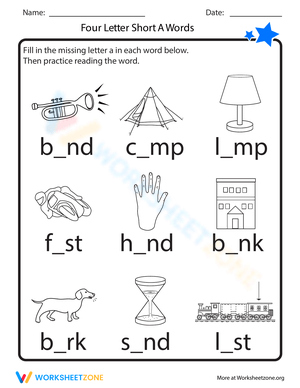
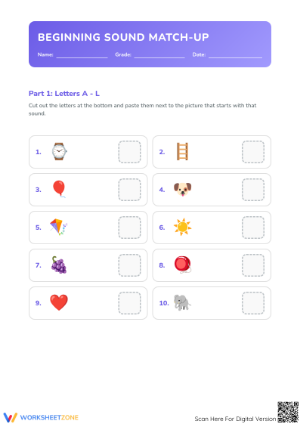
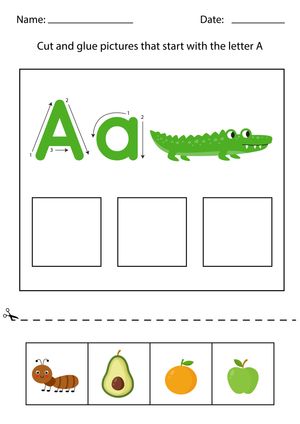
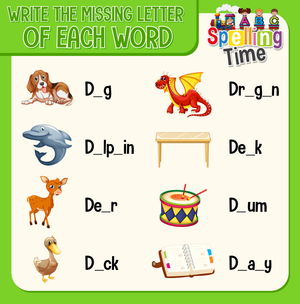
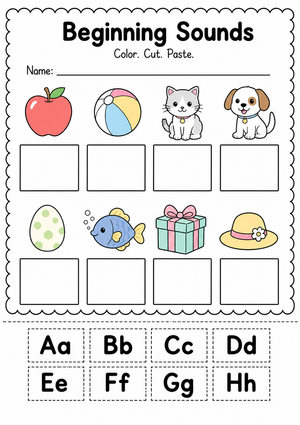
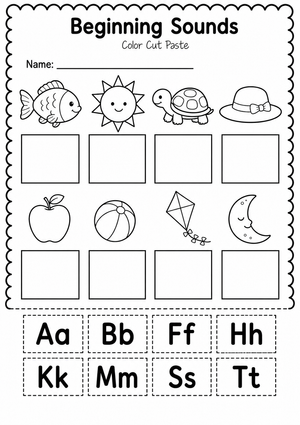
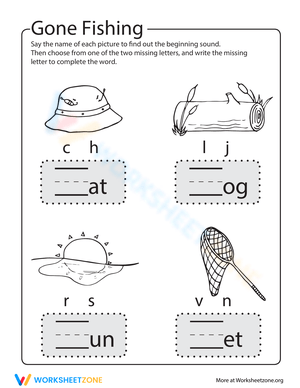
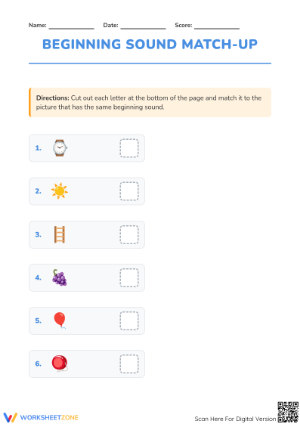
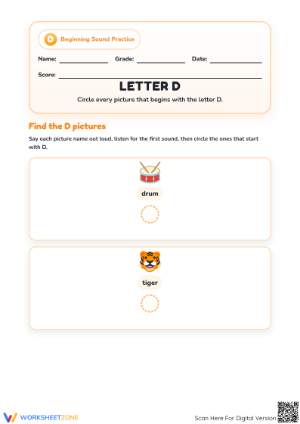
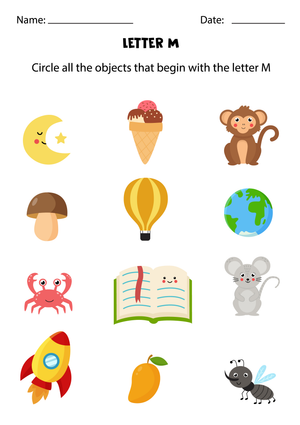
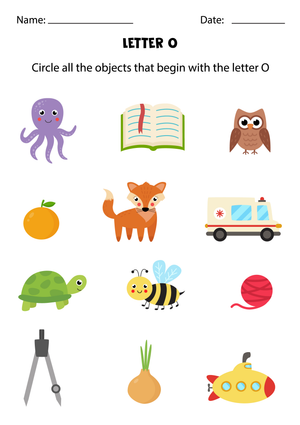
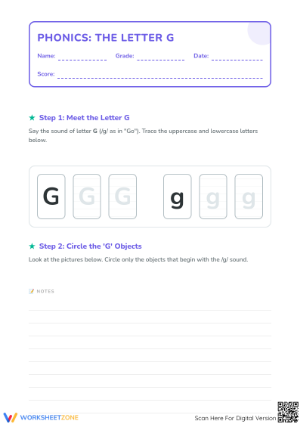
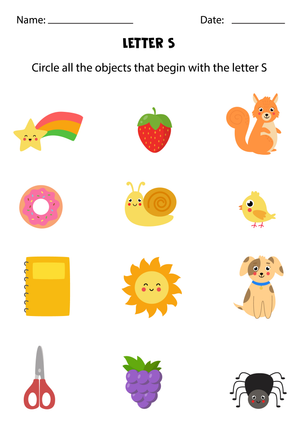
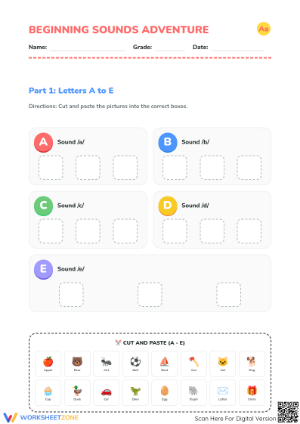
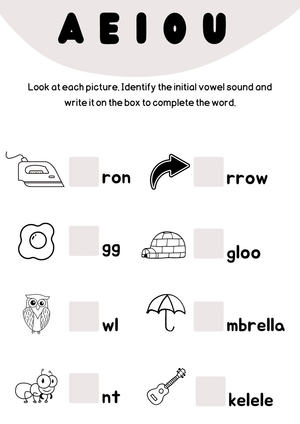
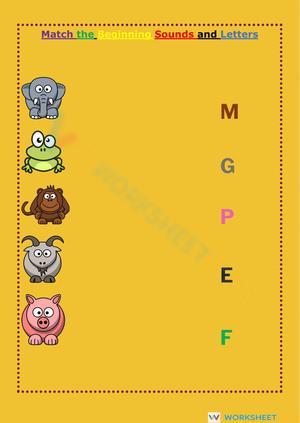
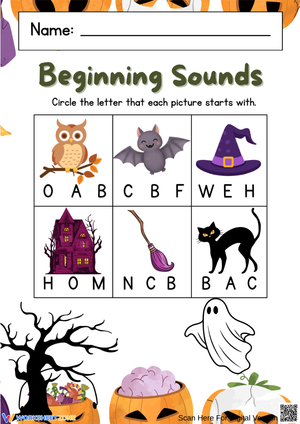
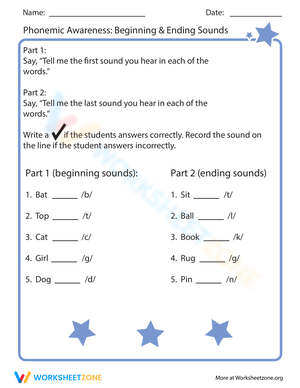
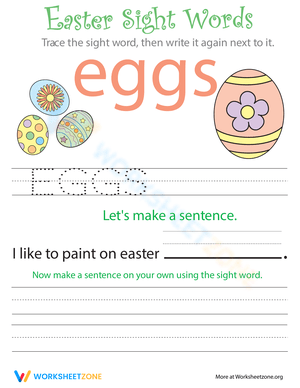
Before a kindergartner can blend cat or segment the sounds in dog, that student needs to hear and isolate the very first sound in a spoken word. This is what beginning sounds worksheets are built to practice, and it is not a small or optional step. Isolating the initial phoneme is a prerequisite skill that supports blending, segmenting, and eventually decoding print. Skipping ahead to letter-sound drills without solid initial sound recognition leaves gaps that show up later during word reading.
How Beginning Sounds Worksheets Fit Into a Literacy Center Rotation
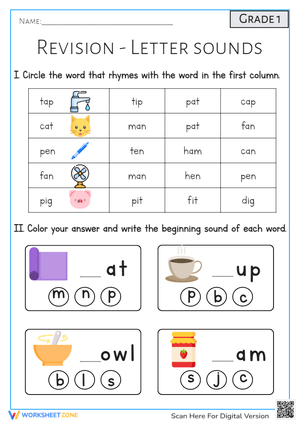
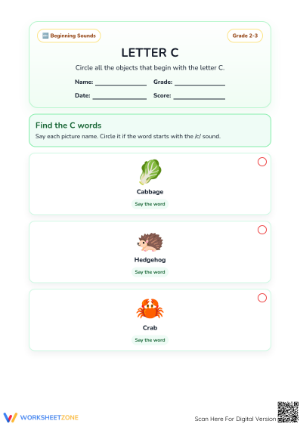
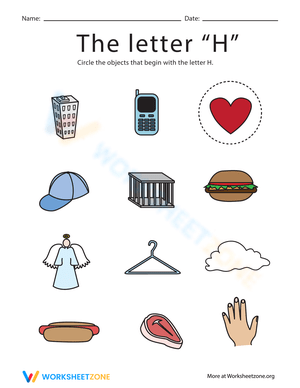
In a kindergarten classroom running small-group literacy centers, a beginning sounds worksheet is a natural independent or partner station. Students look at a row of pictures, say each word aloud, and circle or mark the picture that starts with a target sound. Because the task is picture-based, it works for students who are not yet reading print, which makes it appropriate for the very start of the year when oral language and phonemic awareness are the priority.
Teachers running a four-rotation model often place a beginning sounds worksheet at the independent seatwork station while pulling a small group for teacher-led phonemic awareness instruction at another table. This lets the teacher reinforce the same skill twice: once through direct oral instruction and once through independent picture-sorting practice that requires no reading of text.
Using Beginning Sounds Practice for Progress Monitoring
First Sound Fluency, a measure that asks students to isolate and produce the first sound in a word, is a widely used data-based screening tool at the start of kindergarten. Teachers already collecting this screening data can use beginning sounds worksheets as a companion instructional tool, not a substitute for the timed assessment itself. A student who scores low on a First Sound Fluency screen benefits from daily, brief worksheet practice tied directly to the sounds being assessed.
Progress monitoring works best when the worksheet content mirrors the screening content in structure, meaning the same type of picture-naming and sound-isolation task rather than an unrelated activity. This keeps instruction aligned to what is actually being measured, so growth on the worksheet has a reasonable chance of showing up on the next screening window too.
Classroom Implementation
A practical weekly plan might include beginning sounds worksheets three to four times per week during the first quarter of kindergarten, tapering to twice weekly once most students demonstrate consistent accuracy on informal checks. Keep each worksheet short, five to eight items, so it fits into a ten-minute station rotation without cutting into other literacy blocks.
Store completed worksheets in a simple folder system by student so it is easy to spot patterns over time, such as a student who consistently confuses sounds that are articulated in similar ways, like m and n. That kind of pattern is easy to miss in a single lesson but becomes clear across several weeks of collected worksheets, and it gives a concrete talking point for parent conferences or intervention team meetings.
Frequently Asked Questions
1. What grade level are beginning sounds worksheets appropriate for
Beginning sounds worksheets are most commonly used in kindergarten, particularly the first semester, and in early 1st grade for students who need additional review or Tier 2 support before moving into blending and segmenting tasks.
2. How do beginning sounds worksheets support phonemic awareness versus phonics
They target phonemic awareness, the oral skill of identifying and isolating sounds in spoken words, which is a listening and speaking task. This is distinct from phonics, which connects those sounds to printed letters, though beginning sounds practice often serves as a bridge into letter-sound instruction.
3. How often should teachers use beginning sounds practice in a weekly schedule
Three to four short sessions per week works well during the early weeks of kindergarten, tapering to one or two sessions once most students show consistent accuracy, with more frequent practice retained for students in intervention groups.
4. How can beginning sounds worksheets be used for intervention or progress monitoring
Pair worksheet practice with a data-based screening measure like First Sound Fluency, using the worksheet as daily practice aligned to the same skill being screened, and track accuracy over several weeks to see whether a student is closing the gap toward benchmark.
5. What comes after beginning sounds in a phonics scope and sequence
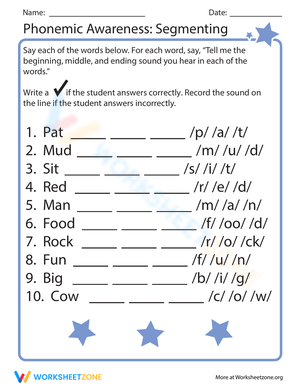
Instruction typically progresses to ending sounds, then medial sounds, onset-rime blending, and full phoneme segmentation and blending, so beginning sounds mastery should be confirmed before advancing a student or group to these next skills.