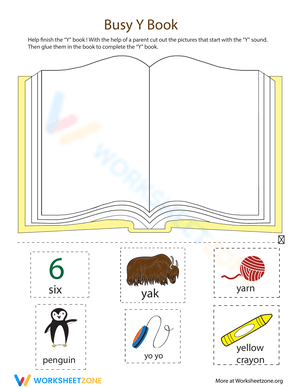
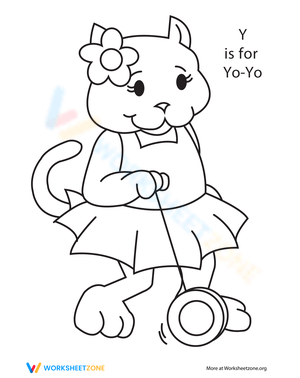
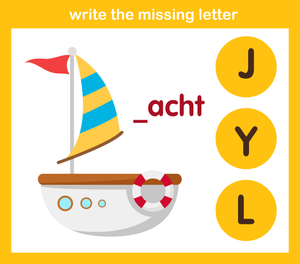
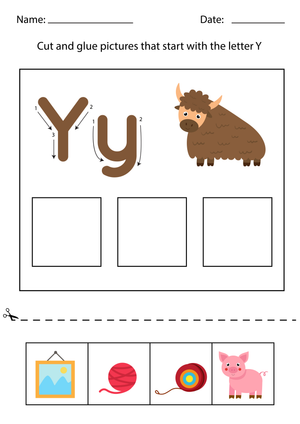
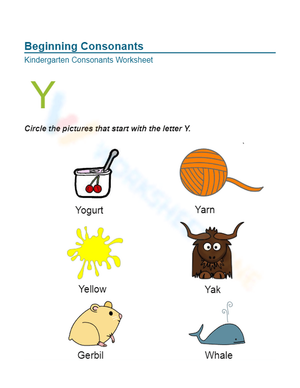
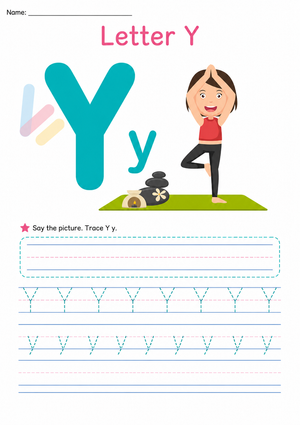
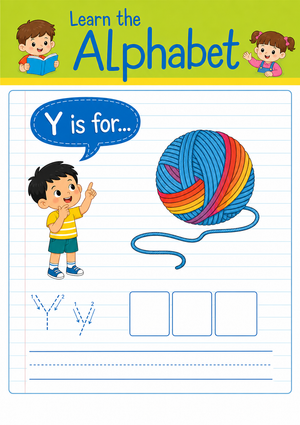
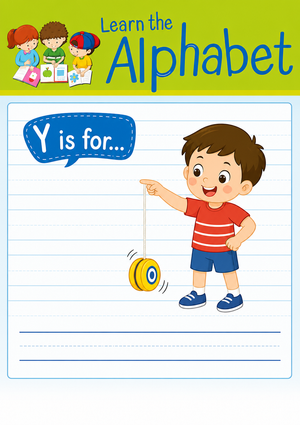
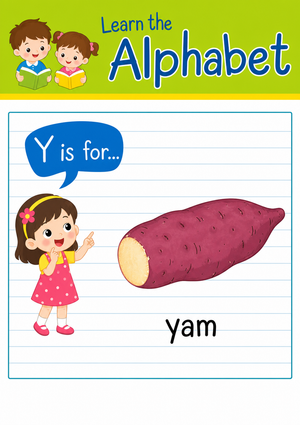
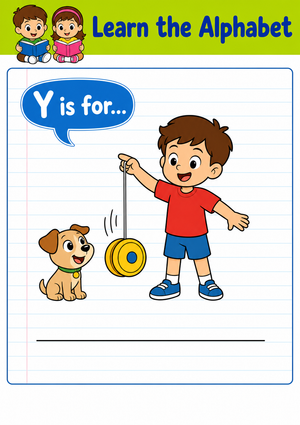
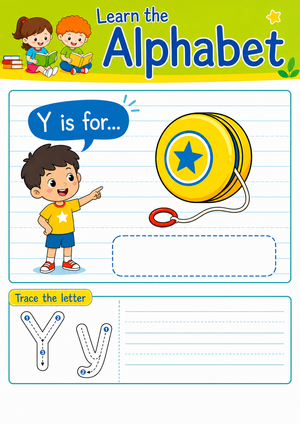
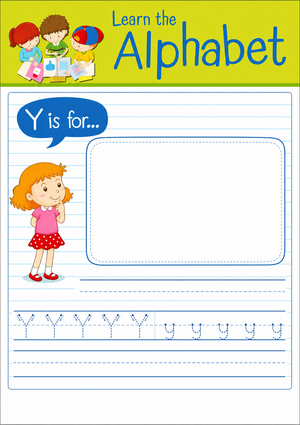
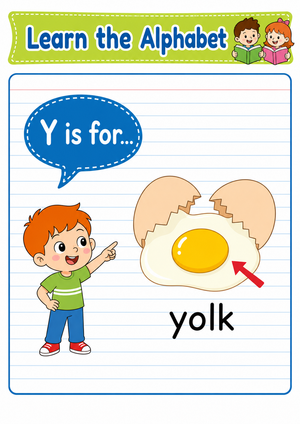
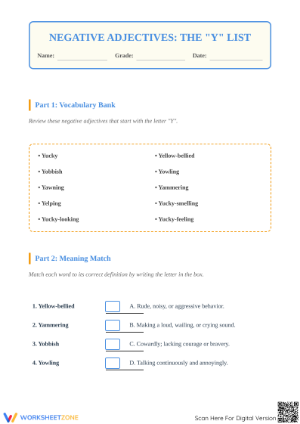
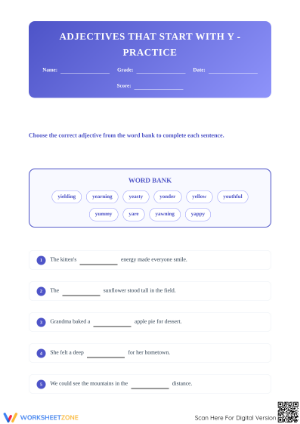
Letter Y is unlike any other letter in the alphabet because it plays two different roles depending on where it lands in a word. When Y opens a word or syllable, it works as a consonant and makes the /y/ sound heard in yellow, yarn, yawn, and yo-yo. Later, once students move into more complex words, Y shifts into a vowel role and takes on long e or long i sounds. For kindergarten and grade 1 teachers, this dual identity means beginning-sound instruction has to be sequenced carefully so students build a clear, uncluttered understanding of /y/ before vowel uses of Y ever enter the picture.
Letter y beginning sound worksheets give teachers a low-prep way to isolate that first role. Rather than trying to explain both functions of Y at once, these worksheets let students hear, say, and match the /y/ sound in isolation, which is exactly the kind of narrow, repeatable practice early phonics instruction depends on.
How the Consonant /y/ Sound Fits Into a Phonics Scope and Sequence
In most kindergarten phonics sequences, the initial /y/ sound is the first Y sound students encounter. Long e and long i uses of Y, such as in words like happy or fly, typically get introduced later, once students already have a stable sense of Y as a consonant. Teaching /y/ first and reinforcing it repeatedly before layering on vowel uses helps prevent the confusion that shows up when students see Y and are not sure which sound applies.
This sequencing choice matters more than it might seem. Because Y carries two unrelated jobs, students who meet the vowel sounds of Y before the consonant sound is fully automatic often default to guessing, which slows down decoding accuracy on common sight words. Locking in the initial /y/ sound as a single, well-practiced pattern gives students a stable anchor to build on later.
Core Vocabulary for Beginning-Sound Y Practice
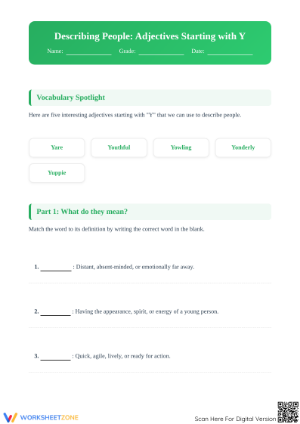
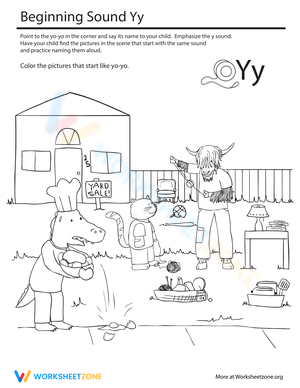
Worksheets work best when they draw from a small, high-frequency set of words that are easy to picture and easy to say. Common choices for early Y instruction include yak, yarn, yellow, yawn, yo-yo, yogurt, yoga, yuck, and yummy. These words share a few useful traits for beginning readers: the /y/ sound is easy to isolate at the front of each one, and most pair naturally with a simple picture.
- Use concrete, picture-friendly words like yak, yarn, and yo-yo for matching and sorting tasks
- Reserve more abstract words like yoga or yummy for oral practice or sentence-level activities
- Rotate in one or two new words per session rather than introducing the full list at once
- Pair every new word with a quick student-generated example, such as a name or object that also starts with /y/
A Simple Routine for Introducing the /y/ Sound
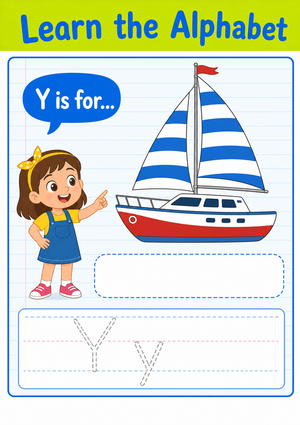
A reliable warm-up routine for beginning-sound instruction involves saying three to six words that start with Y, having students repeat each one back, and then pairing each word with a picture to reinforce the sound-symbol connection. This routine works well as a two- to three-minute opener before independent worksheet time, and it gives teachers an immediate, informal check on which students are hearing the sound clearly.
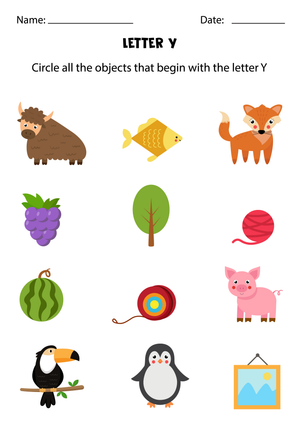
Once students can repeat Y words accurately, worksheets shift the task from listening to identifying: circling pictures that start with /y/, sorting cards into yes-or-no piles, or writing the letter Y next to matching images. This progression from oral repetition to independent identification mirrors how phonemic awareness naturally develops from listening to production.
Supporting Students Who Confuse /y/ With /w/ or /j/
Some students mix up the initial /y/ sound with /w/ or /j/, particularly if their home language does not use the same consonant distinctions as English. A few targeted strategies can help:
- Model the mouth position for /y/ directly, noting how the tongue and lips differ from /w/ and /j/
- Use minimal-pair practice, such as yellow versus jello or yak versus wag, so students hear the contrast side by side
- Provide extra repetition in small groups before moving these students to independent worksheet practice
- Check in with quick one-on-one sound checks rather than relying only on whole-group choral response
Building in this kind of targeted support early prevents small mix-ups from turning into lasting decoding errors down the line.
Classroom Implementation
Letter y beginning sound worksheets fit naturally into a short phonics block, a literacy center, or a small-group intervention station. For whole-class instruction, use the worksheet as independent practice right after the oral repetition warm-up described above, so students apply the sound they just rehearsed. For intervention groups, slow the pace down and add a verbal check for each item, asking students to say the word aloud before marking an answer.
These worksheets also work well as a quick formative check. A short set of five to six items, completed independently, gives teachers a fast read on which students have secured the initial /y/ sound and which need another round of guided practice before moving on to Y's vowel sounds in later units.
Frequently Asked Questions
1. What sound does the letter Y make at the beginning of a word?
At the beginning of a word, Y works as a consonant and makes the /y/ sound, as heard in yellow, yarn, yawn, and yo-yo.
2. How is beginning-sound Y different from Ys vowel sounds later in a word?
When Y starts a word, it is a consonant with the /y/ sound. Later in a word or at the end, Y often functions as a vowel, taking on a long e sound as in happy or a long i sound as in fly.
3. What words are best for teaching kindergartners the initial /y/ sound?
Concrete, picture-friendly words work best, including yak, yarn, yellow, yawn, yo-yo, yogurt, yoga, yuck, and yummy.
4. How do these worksheets support CCSS RF.K.2 phonemic awareness goals?
They give students repeated practice isolating and pronouncing the initial phoneme in spoken words, which is the exact skill described in CCSS.ELA-Literacy.RF.K.2.d.
5. How can teachers help students who confuse /y/ with /w/ or /j/ sounds?
Model the mouth position for /y/ explicitly, use minimal-pair word comparisons, and provide extra small-group repetition before moving these students to independent worksheet practice.