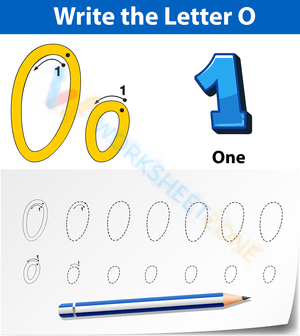
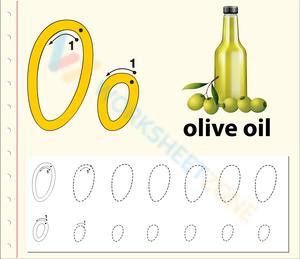
The Foundational Role of Letter O Tracing worksheets
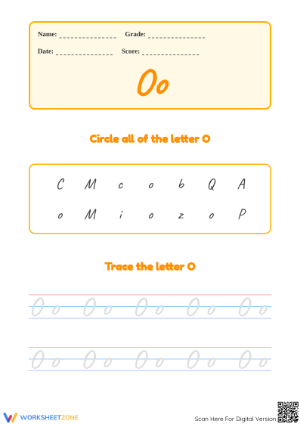
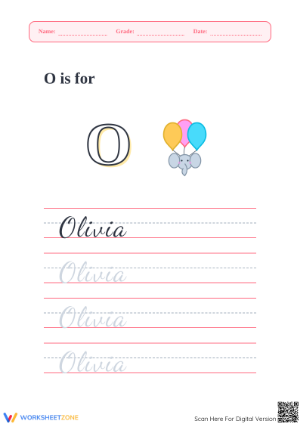
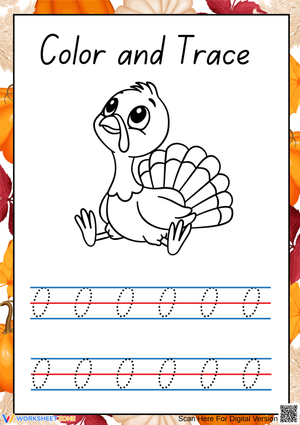
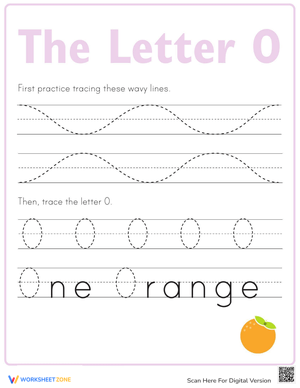
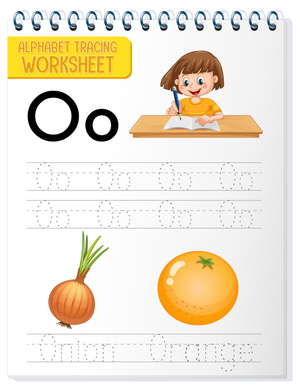
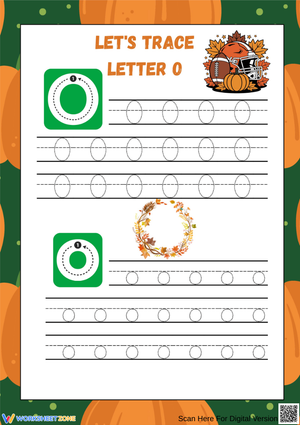
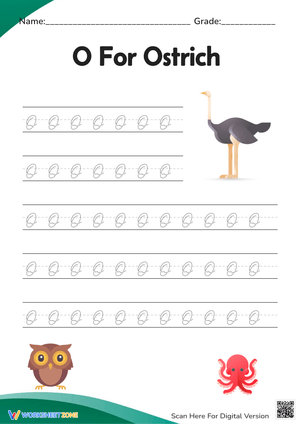
Teaching a letter O tracing worksheets provides preschool and kindergarten teachers with a structured, reliable tool for developing these essential skills. Tracing activities help young children understand the continuous, circular motion required for the letter O, which subsequently supports the formation of other curved letters.
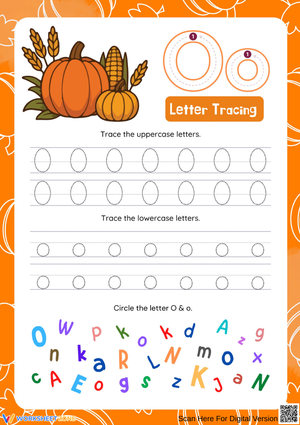
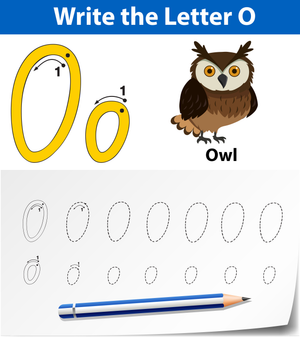
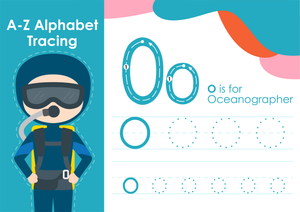
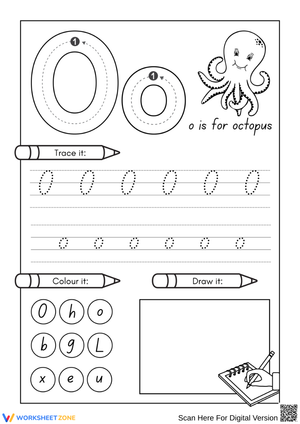
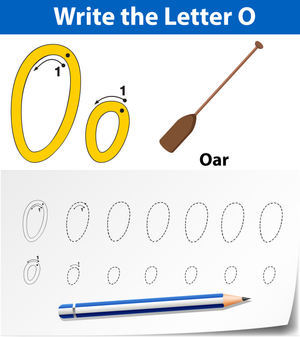
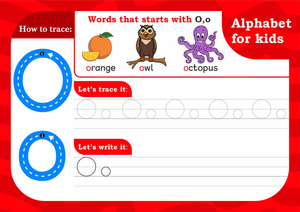
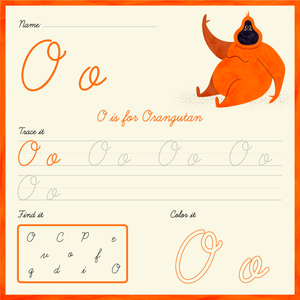
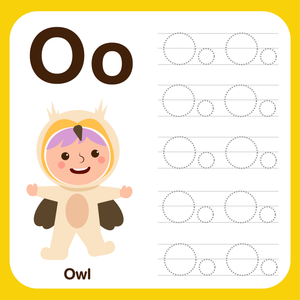
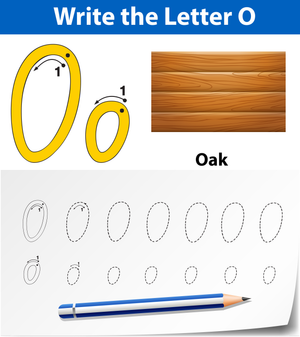
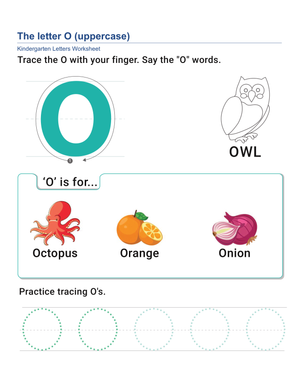
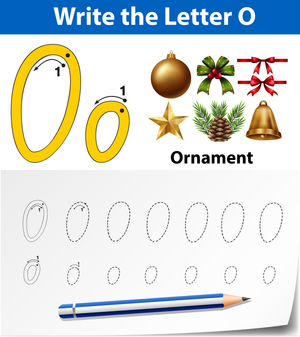
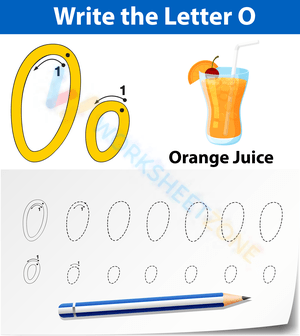
When teachers introduce a letter O tracing worksheets, they offer students a guided approach to early literacy. The visual cues, such as starting dots and directional arrows, show children exactly where to begin and how to complete the stroke. This structured guidance prevents the development of poor writing habits, such as starting from the bottom or lifting the pencil mid-stroke. Consistent practice with well-designed worksheets lays the groundwork for legible handwriting.
Developing Fine Motor Skills Through Targeted Practice
Fine motor skill development is a primary focus in early education, and a letter O tracing worksheets is an ideal resource for this objective. Holding a pencil correctly and controlling its movement requires significant hand strength and coordination. Tracing the continuous circle of the letter O challenges students to maintain steady pressure and fluid motion. As they follow the dotted lines, children strengthen the small muscles in their fingers and hands.
Teachers using a letter O tracing worksheets often observe that mastering the circular stroke directly correlates with improved pencil grip and reduced hand fatigue. When children practice the continuous motion without lifting their pencil, they learn to regulate their grip pressure and stabilize their wrist. This foundational control is essential before moving on to more complex letter formations that require distinct directional changes and pencil lifts.
A well-designed letter O tracing worksheets can be paired with other fine motor activities to maximize skill development. Teachers might encourage students to first trace the letter in the air with their finger, then on the desk, before applying pencil to paper. This gross-to-fine motor progression helps children internalize the movement before focusing on the precise control required for the worksheet. Combining physical movement with tracing creates a comprehensive approach to readiness.
Combining Uppercase and Lowercase Practice
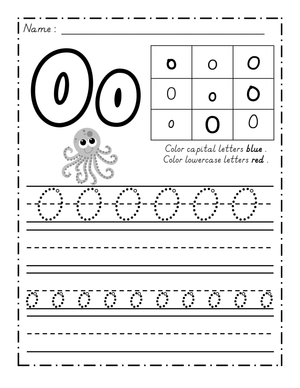
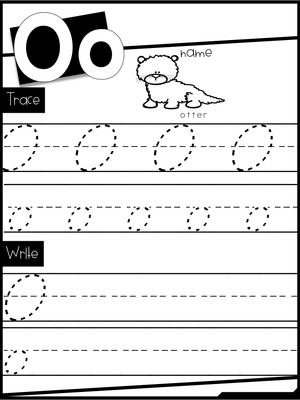
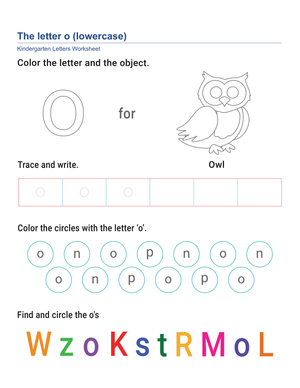
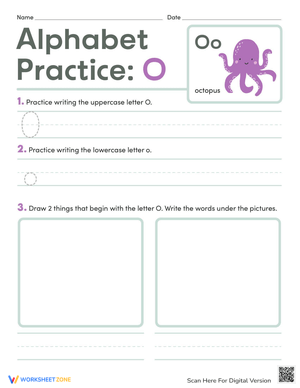
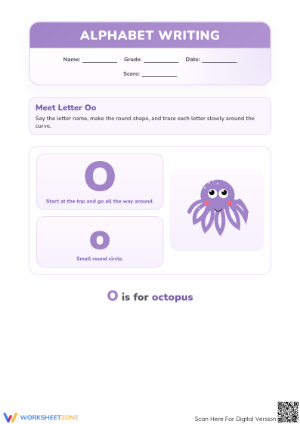
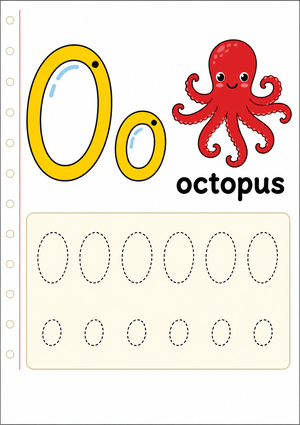
An effective letter O tracing worksheets will consistently feature both uppercase and lowercase versions of the letter. Teaching both forms simultaneously helps children understand the relationship between the two shapes and their relative sizes on the writing line. The uppercase O is typically introduced first, as its larger size requires less precise motor control. Once the student masters the larger circular motion, the transition to the lowercase o becomes much smoother.
According to recent researches, integrating uppercase and lowercase practice improves letter recognition speed by 40% among kindergarten students ([ABCmouse.com](https://www.abcmouse.com/), 2026). This integration ensures that children do not view the two forms as separate entities but rather as variations of the same letter, strengthening their overall phonetic understanding and early literacy outcomes.
Teachers can use a letter O tracing worksheets to reinforce the concept of starting positions for both letter forms. While both uppercase and lowercase o start at the top and move counterclockwise, their specific starting points on the writing lines differ. Emphasizing the "magic C" starting motion—a curve that begins just below the top line or midline—helps children generalize this stroke to other letters like C, G, Q, and S.
Multisensory Activities to Support Tracing
While a letter O tracing worksheets is a fundamental tool, pairing it with multisensory activities creates a richer learning experience. Early learners benefit greatly from engaging multiple senses when exploring new concepts. Teachers can introduce the letter shape using tactile materials before transitioning to paper. For example, having students trace the letter O in sand trays or shaving cream provides immediate tactile feedback, reinforcing the circular motion before they attempt a worksheet.
Another effective strategy is using playdough in conjunction with a letter O tracing worksheets. Students can roll playdough into long "snakes" and bend them to form the letter O, matching the shapes on their worksheet. This activity not only reinforces the letter's structure but also builds hand strength as they manipulate the dough. Once the physical shape is constructed, the child can transition to the worksheet with greater confidence.
A popular multisensory technique is "rainbow writing," which can easily be applied to a letter O tracing worksheets. Students trace the same letter multiple times using a different colored crayon or marker for each pass. This not only makes the activity visually appealing but also provides repeated practice of the motor pattern without requiring the child to complete pages of separate letters. Rainbow writing keeps the student engaged while ensuring repetition.
Classroom Implementation
Implementing a letter O tracing worksheets effectively requires intentional planning and clear instructional strategies. Begin by modeling the correct letter formation on a large whiteboard or interactive display before distributing the worksheets. Clearly demonstrate the starting point, the counterclockwise direction, and the continuous motion required to complete the circle. Providing this explicit visual model ensures that students understand the expectation before they attempt the tracing activity independently.
When distributing the letter O tracing worksheets, observe students' pencil grip and posture. Ensure they are using a functional tripod grip and sitting with their feet flat on the floor and paper stabilized with their non-dominant hand. Correcting improper grip early prevents bad habits from becoming entrenched. Circulate around the classroom as students work, providing immediate, gentle feedback and physical guidance if a student is struggling with the circular motion.
A letter O tracing worksheets is an excellent resource for independent literacy centers. After the initial whole-group instruction, place the worksheets in a designated writing center. To extend the life of the materials, place the printed worksheets in clear dry-erase sleeves. Students can use dry-erase markers to trace the letters, wipe the sleeve clean, and repeat the activity. This approach provides unlimited practice opportunities while conserving classroom resources.
Assessing Progress in Pre-Writing Skills
Regular use of a letter O tracing worksheets allows teachers to consistently assess student progress in pre-writing skills. By reviewing completed worksheets, teachers can quickly identify which students have mastered the continuous circular motion and which students require additional support. Look for signs of hesitation, jagged lines, or incorrect starting points, as these indicate a need for reteaching or more intensive, guided practice during small group instruction.
A letter O tracing worksheets provides a tangible record of a child's handwriting development over time. Keeping a portfolio of completed worksheets from the beginning, middle, and end of the school year offers a clear visual progression of their increasing motor control and precision. This documentation is invaluable for sharing with parents during conferences, providing concrete evidence of the child's growth and areas where they can support learning at home.
When assessing a letter O tracing worksheets, focus on the process as much as the final product. A child may produce a recognizable O, but if they are using multiple disjointed strokes or starting from the bottom, they have not mastered the correct motor pattern. Intervention should focus on retraining the stroke sequence rather than simply demanding a neater result. Correcting the process ensures long-term handwriting fluency.
Frequently Asked Questions
1. At what age should my child start tracing letters?
Most children are ready to begin tracing letters between ages 3 and 4, depending on their fine motor development. Introducing a letter O tracing worksheets at this stage, focusing on large, simple shapes, helps build the foundational skills needed for independent writing in kindergarten.
2. How can I help a child who is struggling with tracing?
If a child struggles with a letter O tracing worksheets, provide more tactile experiences before using paper. Have them trace the letter in sand or shaving cream. Ensuring they have a proper pencil grip and breaking the tracing down into shorter, positive sessions also reduces frustration.
3. What are some fun alternatives to pencil-and-paper tracing?
Rainbow writing, where a child traces the letter multiple times with different colored markers, is highly engaging. Additionally, shaping playdough into the letter O or using a dry-erase sleeve over a letter O tracing worksheets provides fun, reusable practice that kids enjoy.
4. How many times should my child trace each letter?
Quality over quantity is essential. Tracing a letter 5 to 10 times with proper form on a letter O tracing worksheets is more beneficial than tracing it 30 times incorrectly. Keep practice sessions short, around 10-15 minutes, to maintain focus and prevent hand fatigue.