Mastering the Letter G in Early Childhood Classrooms
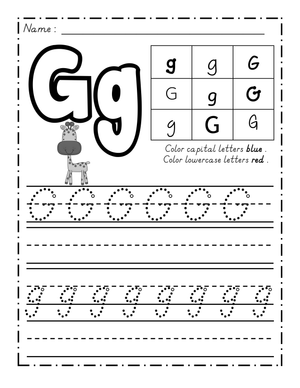
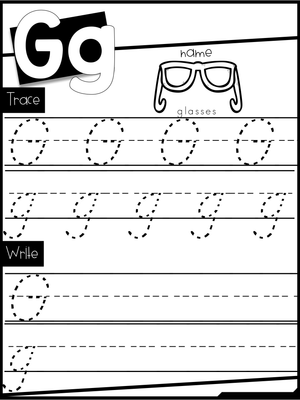
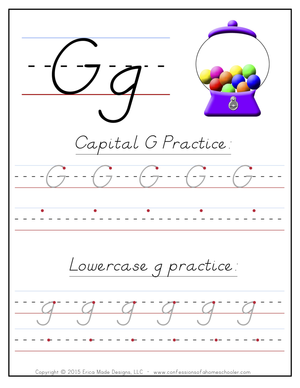
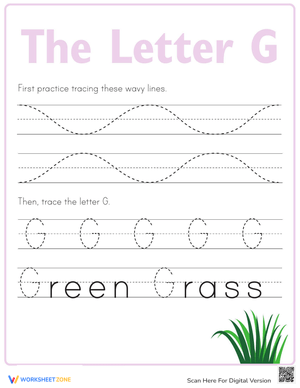
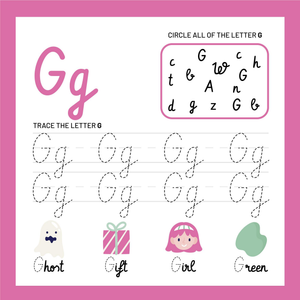
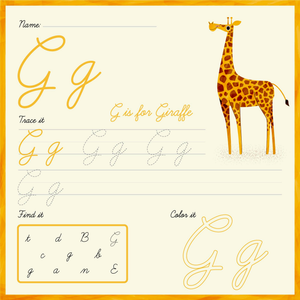
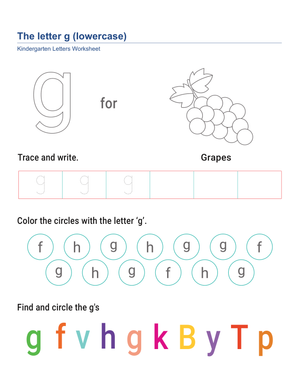
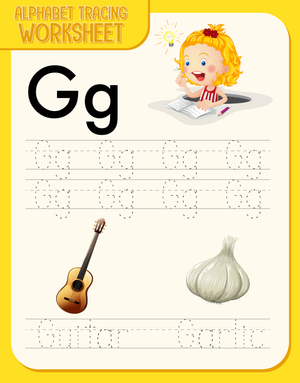
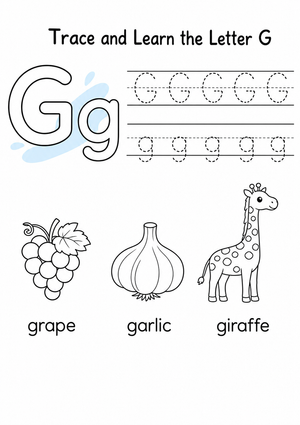
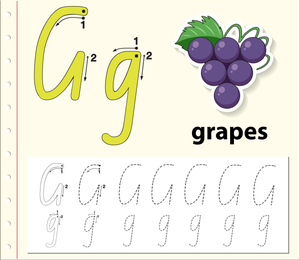
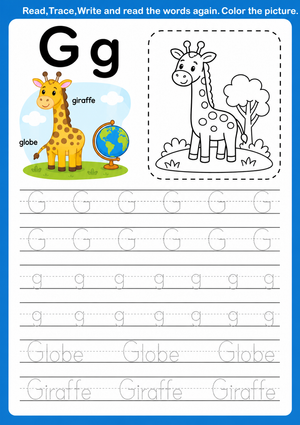
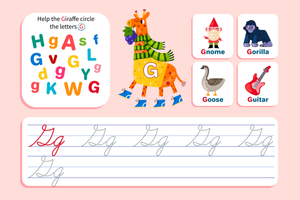
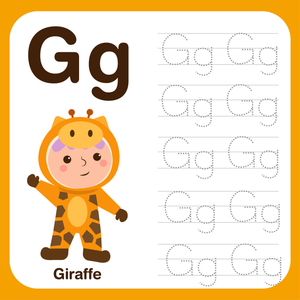
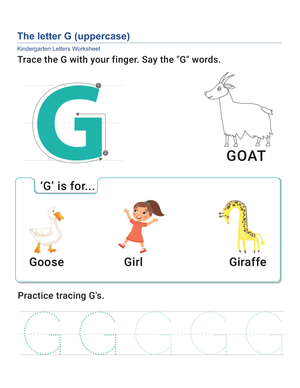
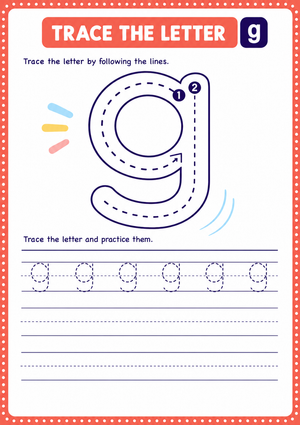
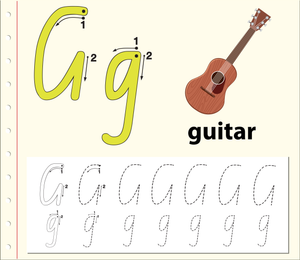
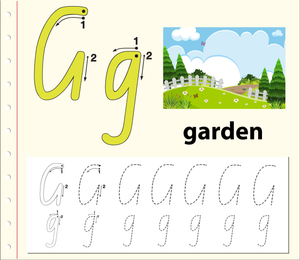
Integrating targeted letter G tracing worksheets into daily rotations helps students isolate the specific motor movements required for both uppercase and lowercase forms. The uppercase G demands a large sweeping curve followed by a precise directional change and a horizontal line, requiring significant shoulder stability and a refined pincer grasp. The hard /g/ sound must be explicitly paired with these activities to solidify phoneme correspondence. Offering high-quality printable resources ensures all students receive repetitive practice that builds handwriting automaticity. Using a carefully designed curriculum provides clear visual boundaries that prevent poor habit formation and spatial misalignment.
The Importance of Foundational Stroke Practice
Before young learners can independently write the letter G, they must master the prerequisite strokes. A comprehensive literacy program breaks down complex letters into manageable movements. The sweeping counterclockwise curve is foundational, helping develop the fluid motor patterns necessary for efficient writing. Our letter G tracing worksheets resources are specifically designed to include these warm-up exercises. Teachers can use these materials during morning work or as part of a targeted small group intervention. By practicing large circles and horizontal lines in isolation, children build the muscular memory needed to tackle the complete letter.
When students practice drawing continuous curves before attempting the horizontal crossbar of the uppercase G, they reduce pencil lifts by up to thirty percent, significantly improving their writing speed and legibility as they progress into first grade. Providing a variety of worksheets allows teachers to differentiate instruction; some students might need large outlines to trace with a thick marker, while others are ready for a traditional pencil. Focused sessions using our printable materials ensure that students remain engaged and that their practice is purposeful.
Connecting Phonemic Awareness to Tracing
Effective handwriting instruction must be inextricably linked to phonics. As students trace the letter G, they should vocalize its sound, creating a powerful multisensory experience. When utilizing letter G tracing worksheets materials, teachers maximize instructional time by pairing the physical act of writing with phonetic drills. As a child traces the uppercase G, prompt them to say the hard /g/ sound to reinforce neural pathways connecting the visual symbol with its auditory representation.
According to the instructional guide Letter of the Week: G - Kindergarten-Prep, integrating explicit phonics instruction with tracing activities creates stronger memory associations, demonstrating that students who verbalize letter sounds while tracing show measurable improvements in both character recognition and phonetic decoding speed during early literacy assessments.
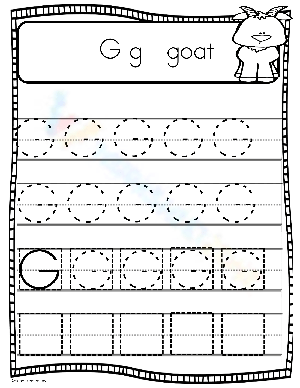
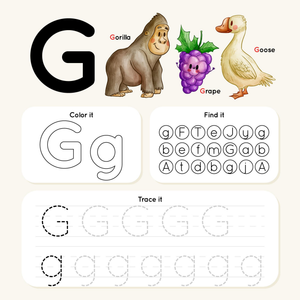
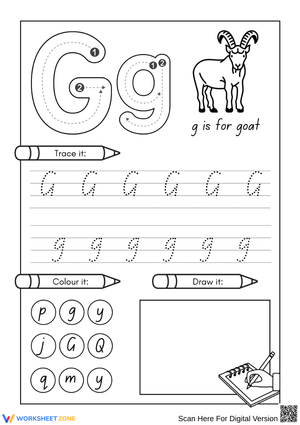
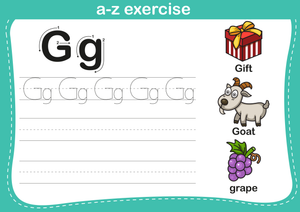
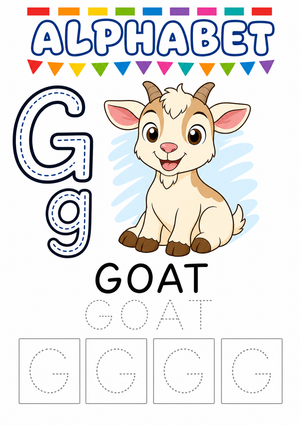
This strategy is particularly beneficial for students receiving early interventions. Visual cues on the worksheets, combined with auditory repetition, offer multiple access points to the curriculum. When students see a picture of a goat alongside their tracing practice, they are engaging in meaningful communication practice.
Classroom Implementation
Strategic deployment of letter G tracing worksheets resources dramatically improves classroom management and student outcomes. Establish a dedicated handwriting center where these materials are readily available. Use clear sheet protectors and dry-erase markers to create a reusable station that minimizes paper waste while providing endless practice opportunities. During whole-group instruction, project a worksheet onto the interactive whiteboard and model the correct stroke sequence. Emphasize the starting point and narrate the directional movement: start at the top, curve around, pull up, and push across. This explicit verbal instruction sets clear expectations for independent work. When students transition to their desks, provide them with their own printable copies. Circulate through the room to monitor grip and posture, correcting awkward pencil grasps early. Incorporate these worksheets into a predictable routine. Introduce the letter shape, focus on tracing large versions, and gradually move to smaller, lined practice. This release of responsibility builds confidence and ensures students are not overwhelmed by fine motor demands.
Scaffolding Strategies for Diverse Learners
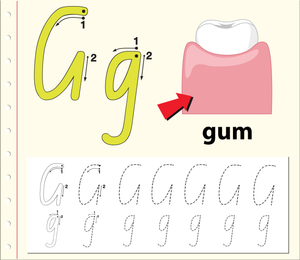
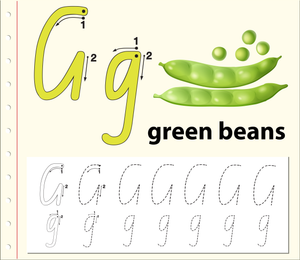
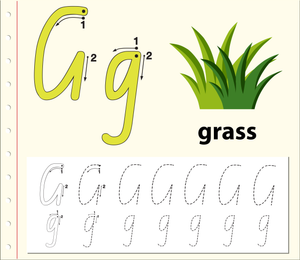
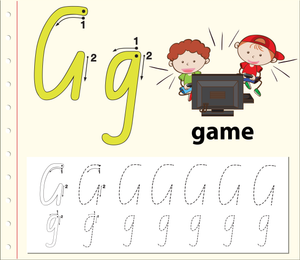
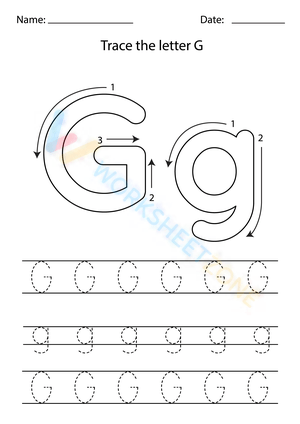
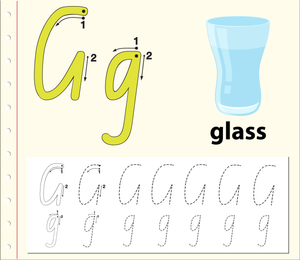
Every classroom is a diverse ecosystem, and handwriting instruction must accommodate varying developmental readiness levels. For students who lack the fine motor strength to manipulate a standard pencil, consider alternative tools. Providing short, thick crayons naturally encourages a tripod grasp and reduces hand fatigue. If a student is struggling with the spatial boundaries of the letter G tracing worksheets, offer modified versions with raised tactile lines created with craft glue. This physical boundary gives immediate sensory feedback when the pencil strays from the path. For students requiring visual scaffolding, use worksheets that feature directional arrows and numbered starting points. These visual cues serve as temporary guides until the motor pattern becomes internalized. It is highly effective to break the tracing task into smaller chunks. Cutting the worksheet into horizontal strips provides a sense of accomplishment and prevents the task from feeling insurmountable.
Integrating Literature and Multisensory Activities
To solidify a student's understanding of the letter G, tracing must be supported by rich literary experiences. Before handing out a worksheet, immerse the class in high-quality children's literature. After reading, transition smoothly into the tracing activity. This contextualizes the handwriting practice, showing students that the letters they learn to form are the symbols used to tell their favorite stories. Integrate gross and fine motor sensory activities. Utilize sensory bins filled with sand or shaving cream, allowing students to trace the letter with their fingers. Another engaging strategy is to provide playdough mats alongside the letter G tracing worksheets. Have students form the letter G with dough before tracing the printed version.
Monitoring Progress and Assessing Fine Motor Development
Assessment is a critical component of any instructional cycle. While tracing worksheets are viewed purely as practice tools, they also serve as excellent formative assessment artifacts. By systematically collecting a student's completed letter G tracing worksheets over time, teachers track the development of fine motor control, stroke sequence accuracy, and spatial organization. Look for consistency in letter size and alignment with the baseline. Notice if the student frequently lifts their pencil, which can indicate poor motor planning.
When evaluating these artifacts, teachers can refer to guidelines such as the Pre-Writing Skills Checklist for Parents - CanDo Kiddo (https://www.candokiddo.com/news/pre-writing-skills-checklist) to determine if a student has mastered the foundational shapes necessary for complex letter formation.
If a student consistently struggles, revisit basic pre-writing strokes like isolated curves. Keep a portfolio of these worksheets to share during conferences. They provide concrete evidence of progress and highlight areas where additional support is needed.
Frequently Asked Questions
1. How can teachers integrate these tracing activities into a daily literacy block?
Teachers can incorporate letter G tracing worksheets into morning work routines, small group centers, or independent practice following a phonics lesson. Establishing a predictable routine with a dedicated handwriting station ensures consistent daily practice without requiring excessive preparation time.
2. Should students master the uppercase or lowercase G first?
In early childhood instruction, it is recommended to introduce the uppercase G first. The uppercase form relies on a large, continuous curve followed by straight lines, which are easier for young children. Once established, teachers can transition to the lowercase g, which requires more complex directional changes.
3. What should a teacher do if a student struggles with pencil grip?
If a student exhibits a poor pencil grip, teachers should provide immediate intervention. Offering shorter writing tools, such as broken crayons or golf pencils, naturally promotes a mature tripod grasp by limiting the surface area available for the hand to grip incorrectly. Teachers can also incorporate fine motor strengthening activities like using tweezers or tearing paper before moving to letter G tracing worksheets.
4. How do these worksheets support phonemic awareness development?
When teachers require students to vocalize the target sound while tracing the letter, they utilize a multisensory approach. This visual, motor, and auditory processing strengthens the connection between the printed symbol and its spoken sound, enhancing overall phonemic awareness.
5. Can these printables be used for formative assessment in the classroom?
Yes, completed tracing worksheets are highly valuable formative assessment tools. By retaining these documents, teachers can analyze a student's progress in stroke fluidity and spatial awareness. This data allows teachers to identify specific fine motor deficits and adjust their instructional scaffolding.