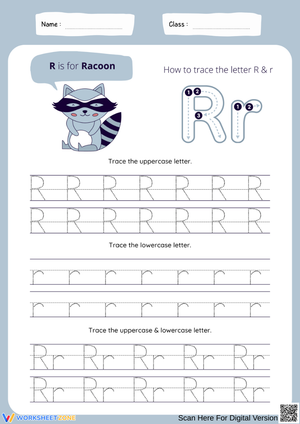
Understanding the Importance of Letter R Tracing Worksheets
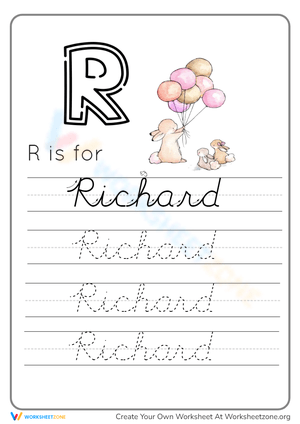
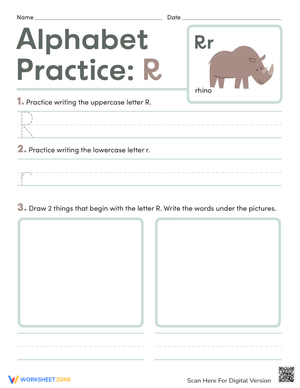
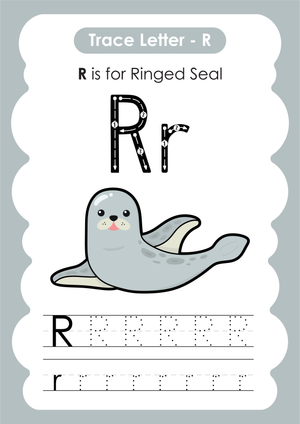
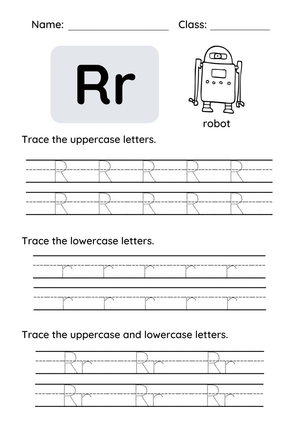
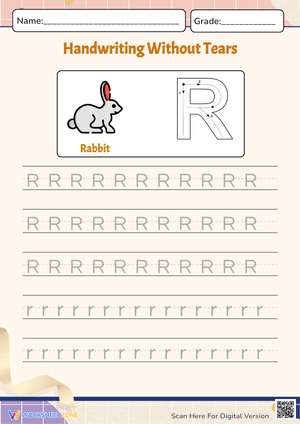
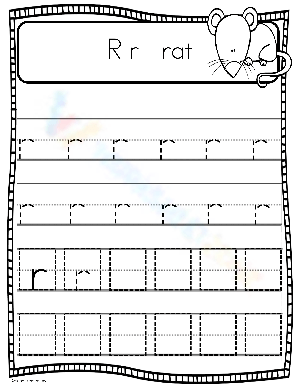
Early childhood education places a strong emphasis on foundational literacy, and explicit handwriting instruction remains a cornerstone of this process. When teachers introduce letter R tracing worksheets into their instructional planning, they provide young learners with a structured pathway to understanding the 18th letter of the alphabet. These targeted materials are specifically designed for preschool and kindergarten students who are transitioning from early scribbling to purposeful writing. By offering clear visual guides, these templates help children map the spatial requirements of the letter before they are expected to produce it independently on blank lines.
Furthermore, repetition is a fundamental component of motor learning. Early learners benefit immensely from repeatedly tracing the same pathways until the movements become automatic. Letter R tracing worksheets supply the necessary scaffolding, allowing students to practice the specific sequence of strokes required. This guided repetition prevents the formation of incorrect habits and ensures that children build the confidence they need to tackle independent writing assignments as they progress through the early elementary grades.
Developing Fine Motor Control Through Targeted Practice
The physical act of writing demands a complex coordination of muscles, tendons, and visual processing. Gripping a pencil correctly and applying the appropriate amount of pressure on the paper are skills that require extensive practice. Tracing exercises provide a restricted, predictable pathway that effectively trains these hand muscles. By asking students to keep their pencil point within designated lines, teachers create a focused environment where children can concentrate entirely on their motor output without the added cognitive load of remembering the letter's shape.
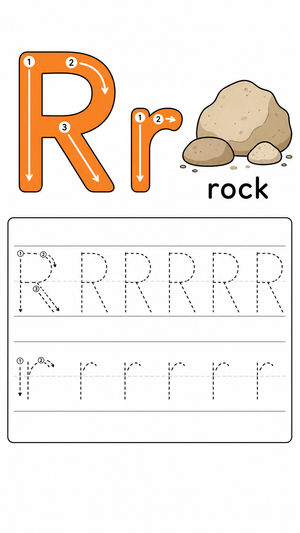
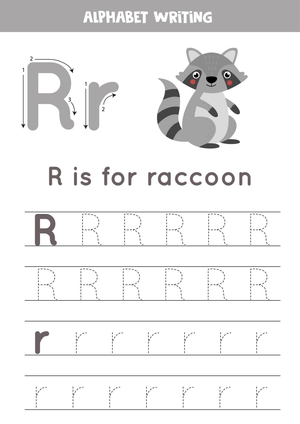
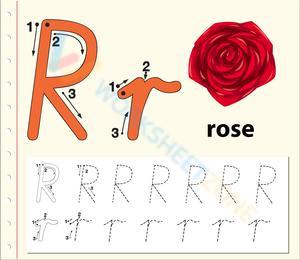
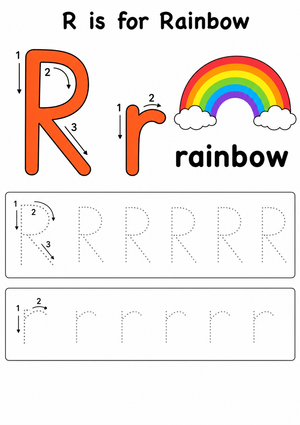
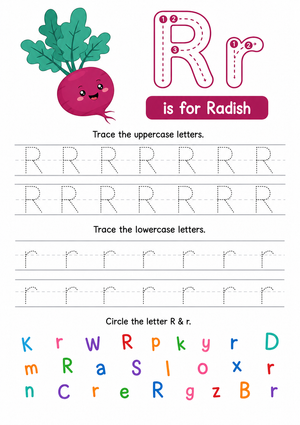
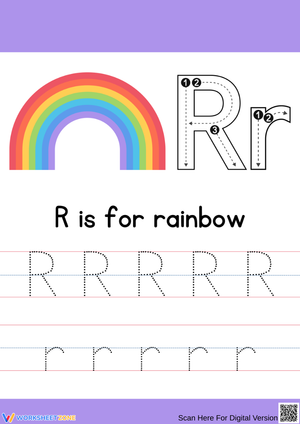
It is often observed that children who engage in structured tracing exercises show marked improvement in overall spatial awareness on the page. By following the designated arrows and dotted lines on letter R tracing worksheets, early learners internalize the starting points and directional movements, which translates to better legibility in all subsequent writing tasks.
Hand-eye coordination is another critical area developed through these exercises. Watching the pencil tip stay on the line builds visual tracking skills, which are essential not only for writing but also for reading across a page. When students trace, their eyes must continuously guide their hand movements, making micro-adjustments in real-time. This synchronized activity strengthens the neural pathways that connect visual perception with motor execution, leading to smoother and more controlled handwriting over time.
Connecting Phonics to Handwriting for Early Learners
Handwriting instruction should not exist in a vacuum. The most effective early literacy programs integrate motor practice with phonemic awareness, creating a comprehensive approach to reading and writing. When children practice forming the letter, they should simultaneously be learning the sound it represents. Connecting the visual form of the letter with its auditory sound reinforces both skills simultaneously, helping students build a strong foundation for decoding words later in their educational journey.
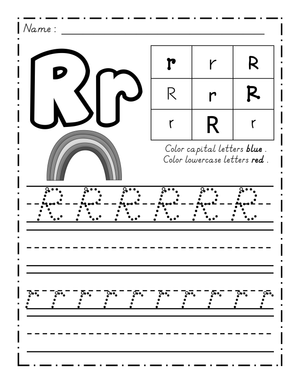
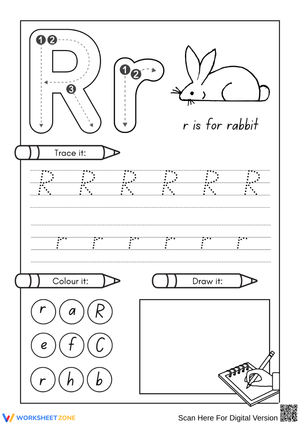
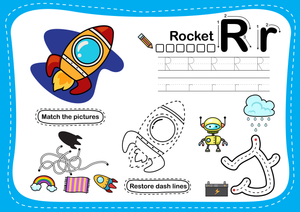
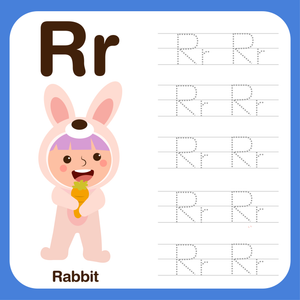
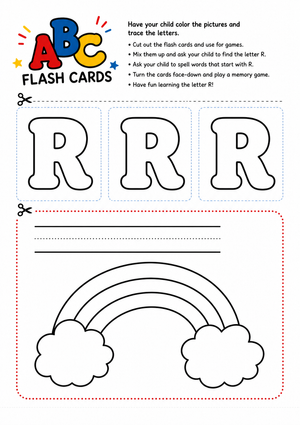
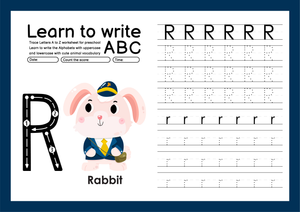
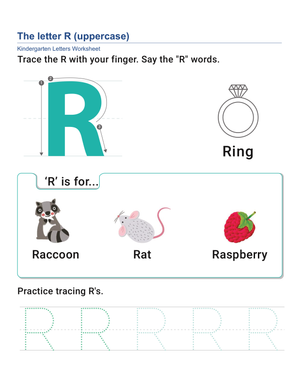
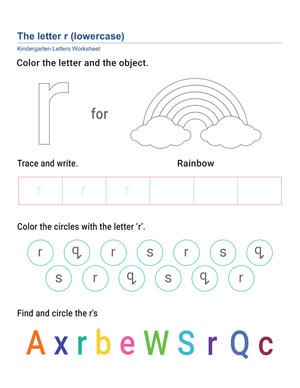
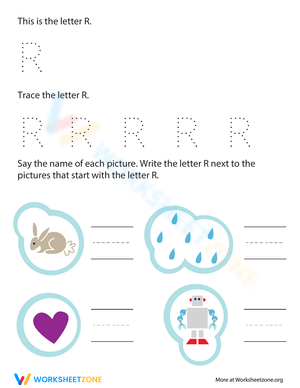
Incorporating thematic elements into handwriting practice can significantly increase student engagement. Practicing the letter alongside familiar images, such as a rainbow, a robot, or a rabbit, provides a concrete anchor for the abstract concept of a symbol representing a sound. This visual association helps children remember the letter and its corresponding phoneme, making the learning process more intuitive and memorable for young minds.
Classroom Implementation
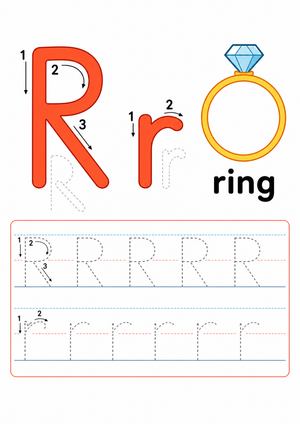
Teachers should begin with explicit whole-group modeling before asking students to work independently. Using a whiteboard, interactive projector, or chart paper, teachers can demonstrate the correct stroke order while verbalizing the movements. For example, a teacher might say, "Start at the top line, draw a straight line down to the bottom, jump back to the top, curve around to the middle, and slant down." This auditory reinforcement aids memory retention.
Setting up dedicated independent practice stations ensures that students have consistent opportunities to refine their skills. To maximize resource efficiency, teachers can place letter R tracing worksheets inside dry-erase pockets or laminate the pages. This allows multiple students to practice repeatedly using dry-erase markers, reducing paper waste and providing immediate feedback, as mistakes can be easily wiped away and corrected on the spot.
Some students may require tracing pages with exceptionally large letters to accommodate their developing gross motor skills. Conversely, advanced learners who have already mastered basic control might benefit from pages with smaller, more numerous letters that challenge them to refine their precision. Providing a spectrum of materials ensures that every child receives the appropriate level of support.
Tracing exercises should be part of a broader "Letter of the Week" curriculum. While pencil-and-paper tasks are important, they are most effective when paired with tactile experiences. Allowing children to form the letter in sand trays, write it with shaving cream on a desk, or build it using playdough provides multisensory input that solidifies their understanding of the letter's structure.
By collecting and reviewing completed tracing pages, teachers can quickly gauge the developmental progress of their classroom. This data allows teachers to identify which students require targeted small-group intervention for fine motor skills, and which students are ready to move on to more complex writing assignments, ensuring that instruction remains responsive to student needs.
Frequently Asked Questions
1. What is the correct way to write the letter R?
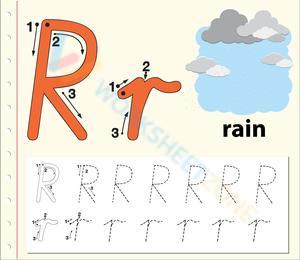
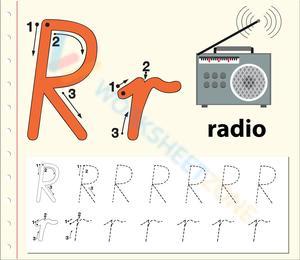
For the uppercase R, the standard stroke order begins with a straight vertical line drawn downward. The pencil returns to the top starting point, forms a curve to the right that meets the middle of the vertical line, and finally extends a diagonal line down to the baseline. For the lowercase r, start at the midline, draw a straight line down, trace back up the same line, and create a small curve or hook to the right.
2. At what age should my child start learning to write letters?
Most early learners begin interacting with structured writing activities between the ages of three and five. This often starts with tracing large shapes and their own name before moving to systematic alphabet instruction. Readiness depends on the development of their fine motor skills and their ability to hold a pencil comfortably with a mature grip.
3. How can I make learning letters fun for my students?
Incorporate multisensory activities alongside standard paper-and-pencil tasks. Use themed coloring pages that feature words starting with the target letter. Offering a variety of tools, such as markers, crayons, or colored pencils, can also increase engagement. Linking the tracing activity to a broader classroom theme keeps the practice relevant and enjoyable.
4. Are there different ways to trace the letter R for left-handed children?
While the overall stroke order generally remains the same, left-handed students may need slight adjustments in paper positioning and pencil grip to avoid smudging their work. Teachers should ensure that left-handed learners can clearly see the model letter and the starting points without their own hand blocking their line of sight.