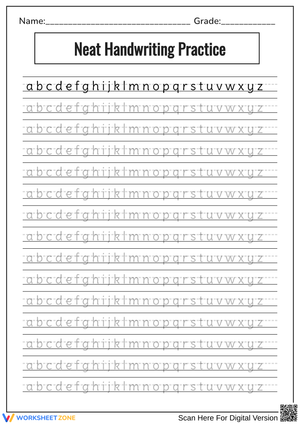
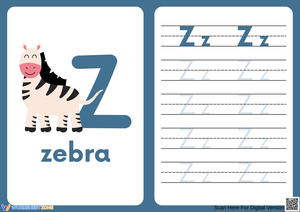
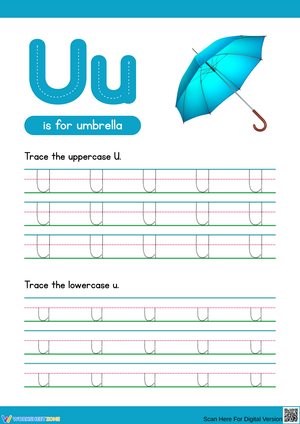
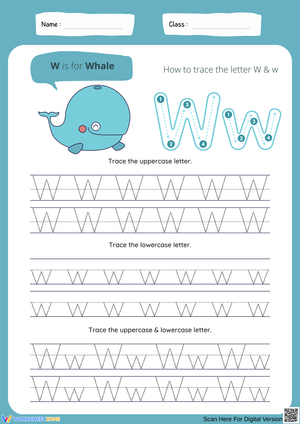
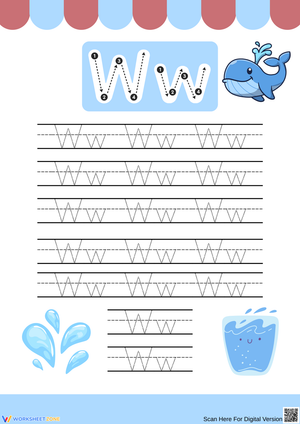
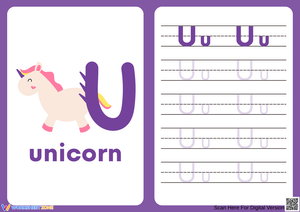
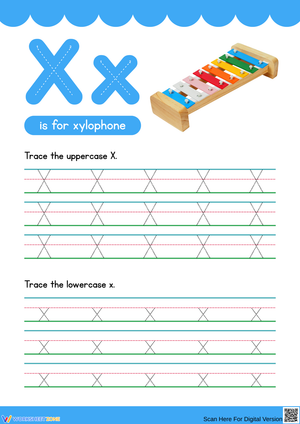
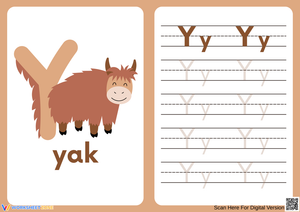
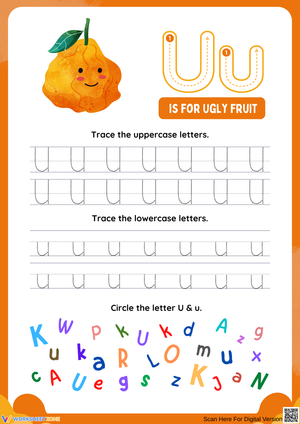
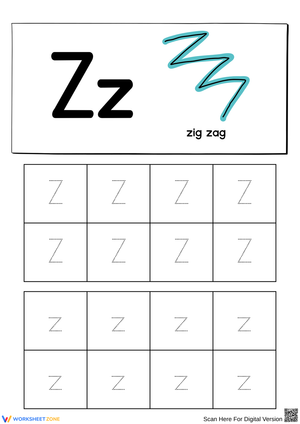
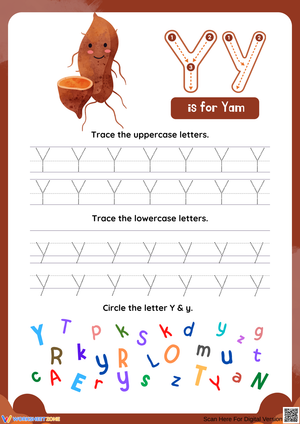
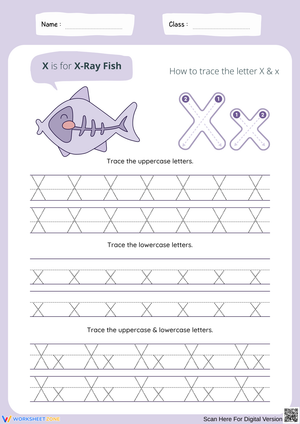
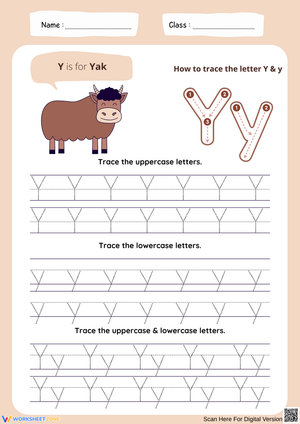
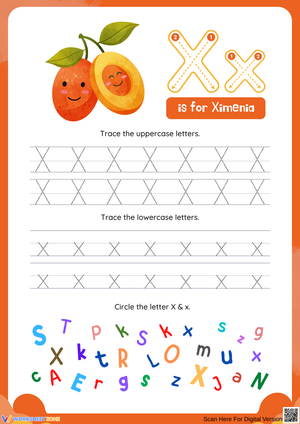
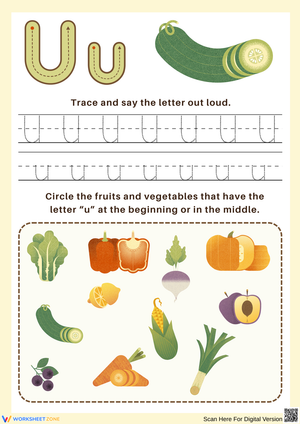
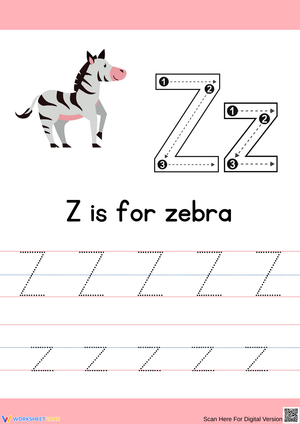
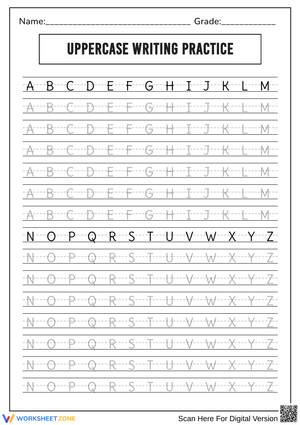
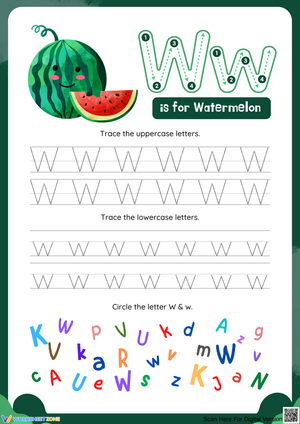
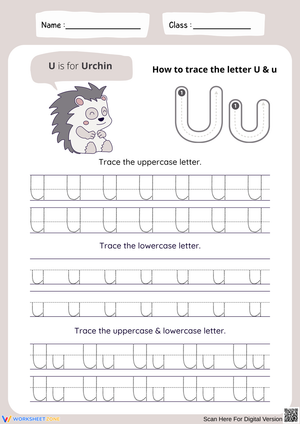
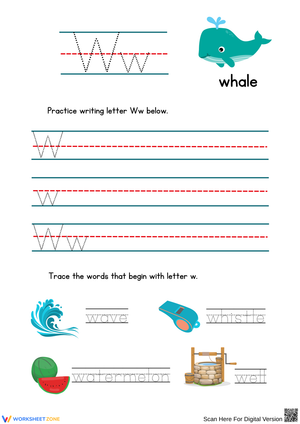
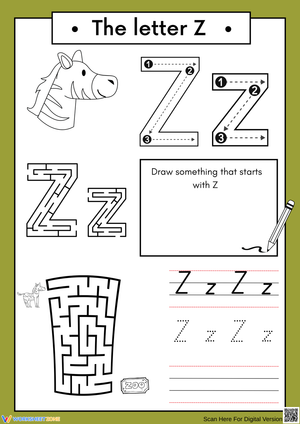
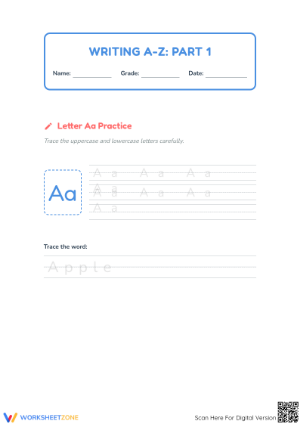
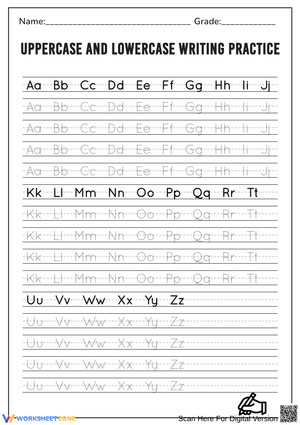
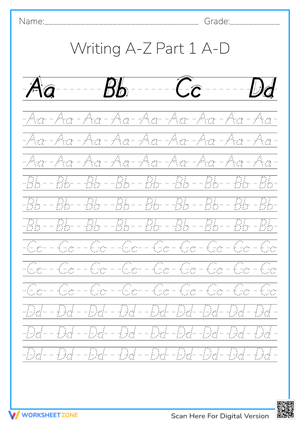
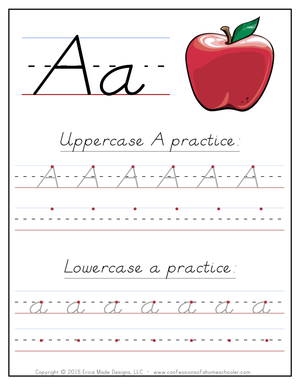
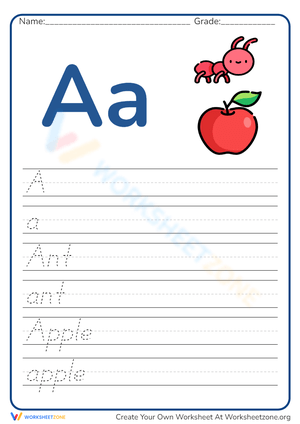
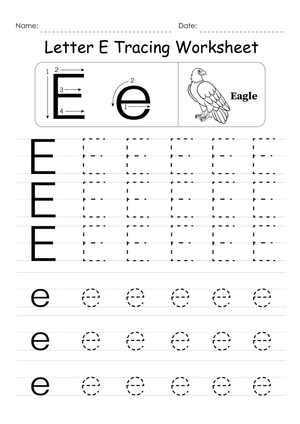
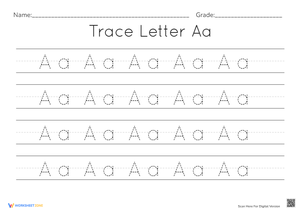
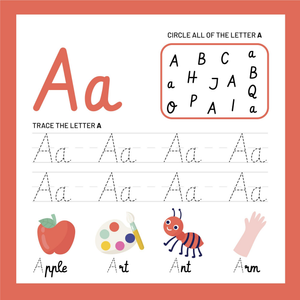
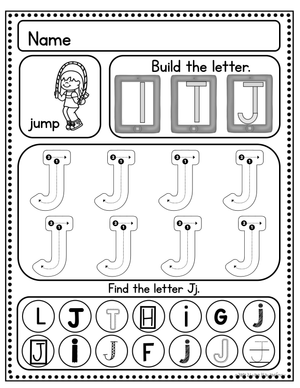
These letter tracing worksheets cover all 26 letters — uppercase and lowercase — with numbered stroke arrows, a clear starting dot, and guide lines that step from solid to dashed to blank as students work down each row. The fading structure is intentional: students who practice only on heavy visible lines don't build the motor memory they need to write without them.
What the Set Covers
The set starts with pre-writing exercises before any letter appears. Students trace horizontal lines, vertical strokes, zigzag patterns, and open curves — the foundational hand movements that tend to get skipped in the rush to the alphabet. A child who can't steady a pencil on a curved path will fight with S, G, and O from the first week, and more tracing practice won't fix it if the underlying control isn't there. A letter tracing worksheets that moves straight to the alphabet without this groundwork often leaves students underprepared for exactly the letters that require the most hand control.
Letter worksheets pair each target letter with a picture of a familiar object starting with that sound — B next to a bear, T next to a turtle. That image does real instructional work. Students who trace the letter while connecting it to a sound build phonics knowledge alongside the motor pattern, which reduces how much separate letter-sound instruction has to happen before decoding clicks. Uppercase and lowercase versions appear together so teachers aren't managing two separate piles for the same letter.
Where Young Writers Go Wrong With Letter Formation
The most consistent error in early handwriting is stroke order — not the overall appearance of the letter, but where the student starts and which direction they pull. A child can produce something that looks like the right letter and still be forming it in a way that creates problems once writing speed increases. The letter E is a frequent example: many students draw it from the bottom up, starting with the lowest horizontal line and working toward the top. The shape looks correct at a glance, but the motion is inefficient and hard to unlearn once it becomes automatic.
The numbered arrows on each worksheet make this visible in real time. When you're working with a small group and watching students trace, you can tell within seconds whether a child is following the stroke sequence or defaulting to whatever path feels intuitive. Catching it in kindergarten takes a quick redirection. Catching it in second grade is a much longer conversation.
Where These Worksheets Fit in the Instructional Day
Morning arrival is the natural entry point. A worksheet on each desk gives students something purposeful while the room settles, with no setup time required. The most effective sequence: introduce the target letter during your morning meeting phonics block, then revisit the letter tracing worksheets the following morning. That 24-hour gap is deliberate — returning to material after a short delay produces more durable retention than additional back-to-back practice in the same session.
Small-group center time is where the diagnostic value shows up. Sitting with three or four students while they trace lets you monitor pencil grip, catch stroke reversals, and identify which students are ready to work without guide lines. Slide the worksheets into clear plastic sleeves so students can trace with a dry-erase marker, wipe, and repeat — one worksheet handles an entire center rotation, and the repeated passes within that block reinforce the motor pattern better than a single attempt does.
Handling the Range of Fine Motor Experience in Your Class
Students who arrive with strong fine motor control — usually those who've spent significant time drawing, cutting, or working with clay — move through heavy-line tracing quickly and disengage if they stay on it too long. Move them to the faded dotted worksheets earlier, or pull them directly to the blank writing space with only a starting dot as reference. Students coming in with limited pencil experience need more time on pre-writing exercises first; giving them a golf pencil or a triangular crayon often encourages a tripod grip without requiring explicit grip correction at every turn.
For students receiving occupational therapy support, send home the same letter tracing worksheets used in class. Consistency across settings matters more for handwriting than for almost any other early skill — when the OT and the classroom teacher reinforce the same stroke sequence and starting point, progress is measurably faster than when each adult is working from a different model.
Frequently Asked Questions
Should uppercase or lowercase letters come first?
Most early literacy teachers start with uppercase. The structural reason is practical: uppercase letters like E, F, L, and T are built from straight lines and right angles, which are easier for young hands to control than the continuous curves and pencil lifts that lowercase forms require. Once students produce uppercase letters with consistent stroke sequences, lowercase letters follow with noticeably less frustration.
When is a student ready to stop tracing and write independently?
When a student completes the dotted-line row accurately and without hesitation, test the blank space. If the letter that comes out is recognizable in shape and formed in the correct stroke order, they're ready for lined manuscript paper. If the shape falls apart without the guide, they need more practice with the faded dotted path — not a return to the heavy solid lines, which will just restart the dependence cycle.
How do these worksheets hold up as homework?
They work as homework because the instructions are visual and self-contained — parents can follow the stroke arrows without needing any background knowledge. One thing worth flagging: students who follow stroke sequences carefully in class sometimes revert to outline-tracing at home when nobody is watching the arrows. A short note on the homework sheet reminding parents to watch the number sequence, not just the final shape, catches that pattern before it becomes a habit.