The Significance of Letter P in Early Handwriting Development
When young learners first encounter the letter P, they are not just learning a symbol; they are developing the cognitive pathways necessary for literacy. The letter P holds a unique position in the alphabet as one of the first letters with a clear vertical descender and a closed loop, making it an ideal candidate for fine motor practice. In the preschool and kindergarten classroom, mastering this letter requires a blend of visual recognition and physical execution. Teachers often observe that children who gain confidence in tracing the letter P demonstrate increased motivation to explore other letters with similar strokes, such as B and R. Effective handwriting instruction starts with understanding the phonemic awareness associated with the letter. As students engage with letter P tracing worksheets, they should simultaneously be hearing the 'p' sound, connecting the physical act of writing with the auditory experience of language.
Developing Fine Motor Precision Through Letter P Tracing
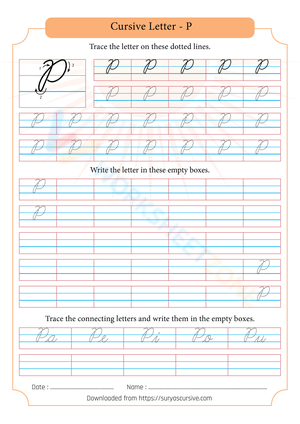
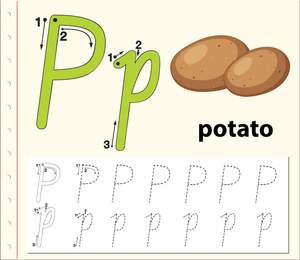
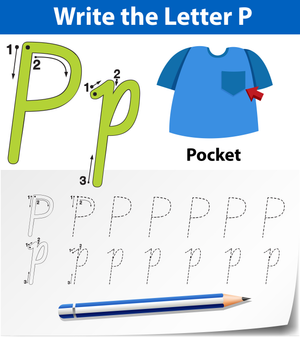
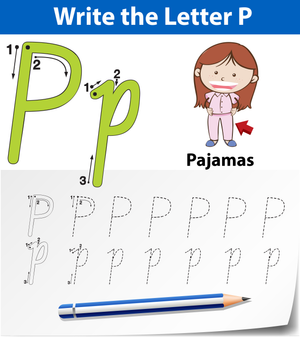
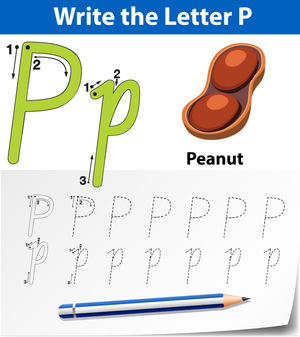
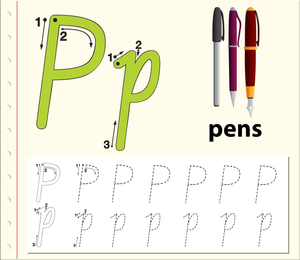
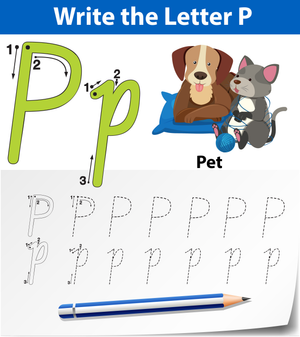
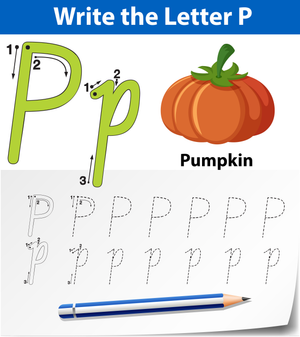
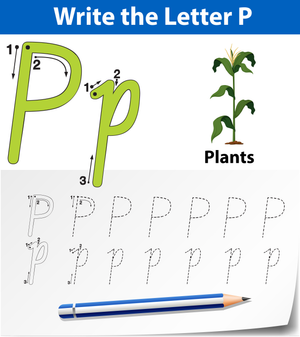
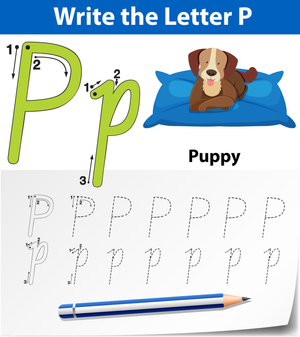
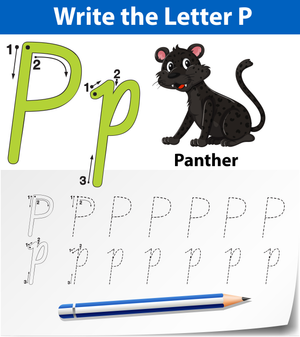
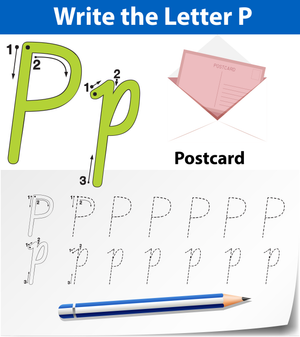
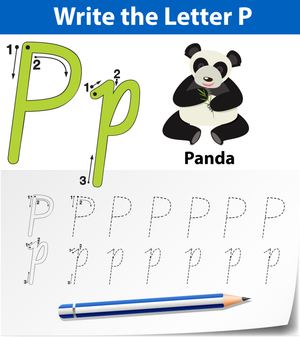
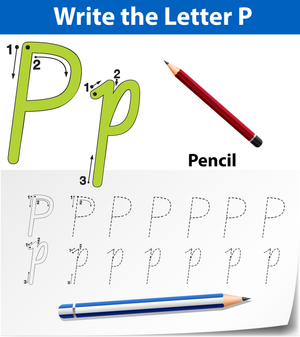
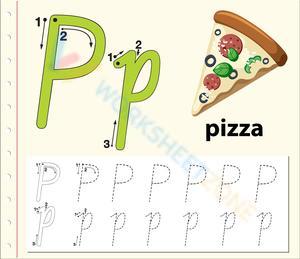
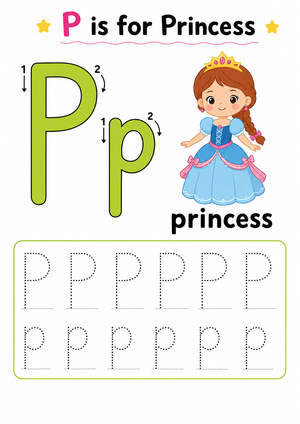
Fine motor development is a gradual process that involves the coordination of small muscle movements in the hands and fingers. Tracing the letter P is an excellent exercise for building these muscles because it requires both a long, steady vertical stroke and a precise, curved movement. For many four- and five-year-olds, the 'p' shape represents a significant challenge in spatial awareness. They must learn to start at the top, pull down, and then return to the top to create the loop. This sequence is not intuitive and must be taught with patience and clarity. Worksheets that provide directional arrows are particularly effective in helping students understand the flow of the letter, reducing frustration and building confidence. In a classroom setting, these tracing activities serve a dual purpose. While the primary goal is handwriting, the secondary benefit is the improvement of hand-eye coordination.
Strategic Instruction: Mastering Uppercase and Lowercase P
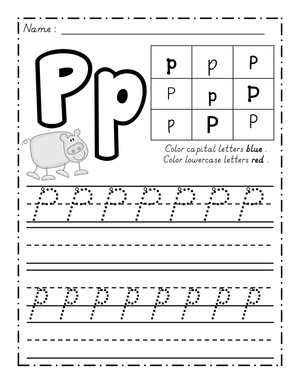
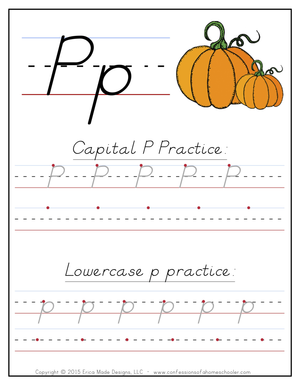
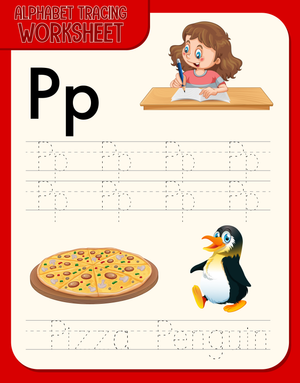
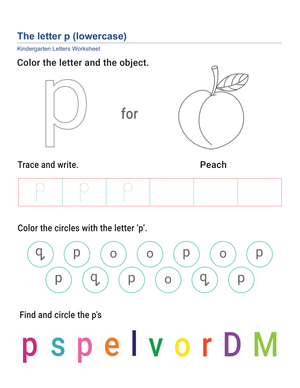
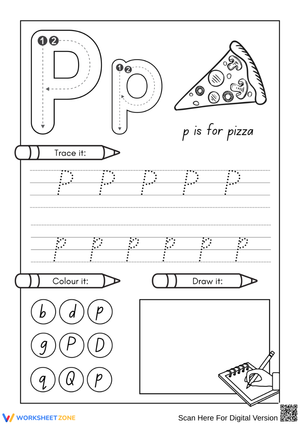
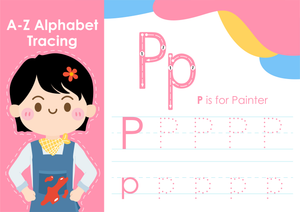
One of the most important lessons when teaching the letter P is the distinction between the uppercase and lowercase versions. While they share a similar shape, their placement on the writing line is different, which can be a source of confusion for early writers. Uppercase P sits proudly on the baseline, while lowercase p often features a descender that 'hangs' below the line. Letter P tracing worksheets that include both versions on the same page help students visualize this relationship.
Differentiation Strategies for Early Literacy Success
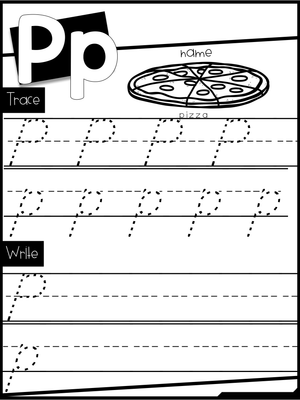
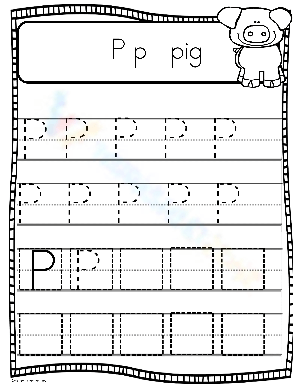
Every classroom is composed of students at various stages of developmental readiness. Some children may enter kindergarten with advanced pencil control, while others may still be developing the strength to hold a crayon correctly. Differentiation is the key to ensuring that every student feels successful. Letter P tracing worksheets can be easily adapted to meet these diverse needs. For students who need more support, teachers can provide worksheets with larger-than-standard letters or those that use high-contrast lines. For students who have already mastered basic tracing, the challenge can be increased by introducing 'trace and write' pages. This transition from guided practice to independent execution is a critical milestone in handwriting.
Classroom Implementation: Effective Center-Based Tracing Activities
A dedicated 'Writing Center' allows students to focus on their penmanship in a quiet, structured environment. To keep the activity fresh and engaging, teachers can rotate the materials frequently. One week might feature 'Rainbow Tracing,' where students use different colored pencils to trace the same letter multiple times. Another week could focus on 'Tactile Tracing,' where students use glitter glue or sand to create the letter P before tracing it on paper. Center-based learning also provides the teacher with the opportunity for small-group intervention. While the majority of the class is working independently at their stations, the teacher can sit with a small group of students who are struggling with the letter P. This focused time allows for immediate feedback and correction of pencil grip or stroke order.
While many teachers focus solely on the final appearance of a traced letter, the most significant indicator of future writing fluency is actually the efficiency of the stroke sequence. When a child internalizes the correct top-to-bottom and left-to-right movement for the letter P, they are building the muscle memory necessary for cursive and fast-paced note-taking later in life. Research suggests that students who use non-standard stroke orders often experience physical fatigue and slower writing speeds as they enter upper elementary grades. Therefore, the primary role of the tracing worksheet is not just to produce a neat letter, but to serve as a 'map' that guides the hand through the most efficient path. Teachers who emphasize the 'journey' of the pencil rather than just the destination are setting their students up for a lifetime of comfortable and efficient writing.
Teacher Tips for Enhancing Handwriting Engagement
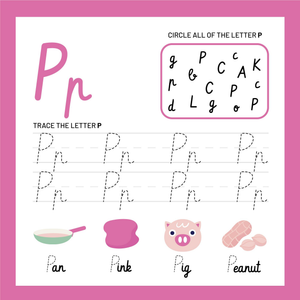
Maintaining engagement during repetitive tasks like tracing can be a challenge. One effective strategy is to incorporate movement into the lesson. Before students ever pick up a pencil, have them 'air write' the letter P using large arm movements. This engages the gross motor muscles and helps the brain internalize the shape on a larger scale. Once they move to the worksheets, encourage them to say the strokes aloud: 'Down, up, and around!' This verbalization acts as a mnemonic device that reinforces the physical action. Teachers can also use 'Letter P Search' games, where students have to find and trace all the P's hidden in a picture, turning the worksheet into a fun puzzle. Celebrating the effort rather than just perfection is also key. Displaying student work on a 'Wall of P' can boost morale and give students a sense of pride in their accomplishments.
Frequently Asked Questions
1. At what age should students start using letter P tracing worksheets?
Most children are ready to begin basic tracing activities between the ages of three and four. At this stage, the focus should be on developing the hand strength and coordination needed to hold a writing utensil. Teachers often start with simple lines and shapes before moving on to specific letters like P. It is important to wait until a child shows an interest in mark-making and has sufficient fine motor control to follow a path without excessive frustration. Early introduction allows for a gradual buildup of skills without pressure.
2. How can I help a student who keeps reversing the letter P?
Letter reversal is very common in the early years and is usually not a cause for concern until after age seven. To help a student who is struggling, provide worksheets with high-contrast starting dots and directional arrows. Using tactile methods, such as tracing the letter in salt or shaving cream, can also help reinforce the correct orientation. Consistent, gentle reminders and plenty of visual models in the classroom will eventually help the child internalize the correct shape.
3. Are digital tracing apps as effective as paper worksheets?
While digital apps can be a fun supplement, they do not offer the same tactile feedback as paper and pencil. The resistance of a pencil on paper is vital for developing the muscle memory and finger strength required for handwriting. Paper worksheets also allow students to practice their pencil grip, which is a foundational skill that apps cannot replicate. For the best results, teachers recommend using traditional paper worksheets as the primary tool for handwriting instruction.
4. How much daily practice is recommended for letter P tracing?
Short, frequent bursts of practice are more effective than long, infrequent sessions. Ten to fifteen minutes of focused tracing per day is usually sufficient for most preschool and kindergarten students. This prevents fatigue and keeps the activity feeling fresh and manageable. Teachers can integrate this time into their morning work or as a transition activity between centers. Consistency is the key to helping students achieve mastery much faster than sporadic practice.
5. What should I do if a student finishes their worksheet very quickly?
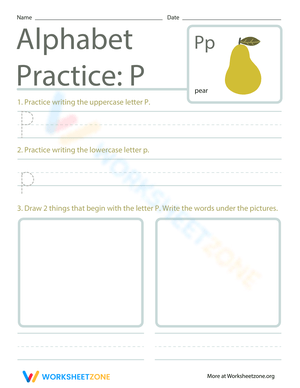
For students who finish early, have an 'extension' activity ready. This could involve finding and circling the letter P in a short story or drawing objects that start with the letter P on the back of the worksheet. You can also provide 'Challenge Worksheets' that feature smaller letters or more complex words starting with P. Encouraging these students to become 'Letter Experts' who can help their peers is another great way to keep them engaged.