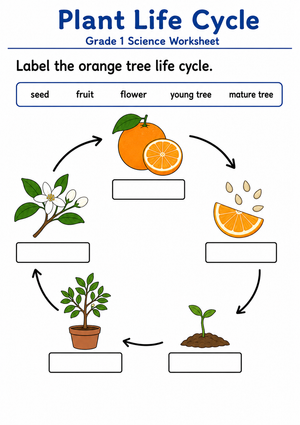
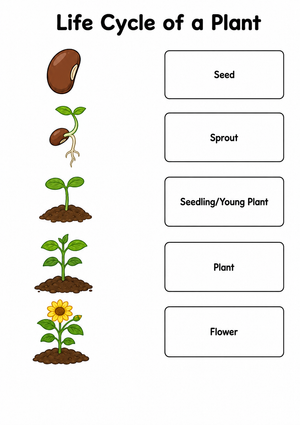
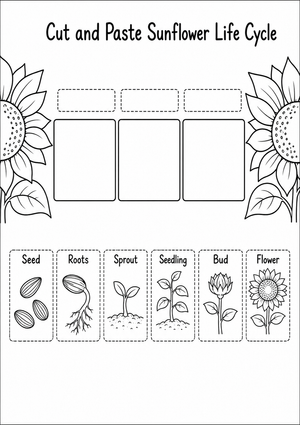
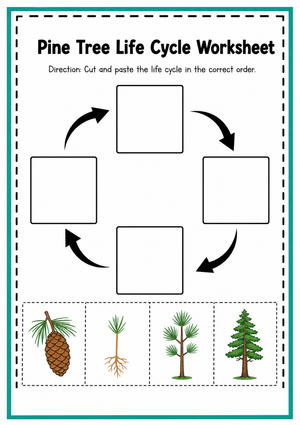
These 1st grade plant worksheets files give you ready-to-print science practice built around the three ideas first graders actually study: the parts of a plant, what a plant needs to stay alive, and the order of the life cycle from seed to grown plant. Each worksheet keeps the text short and the picture large, which is what six- and seven-year-olds need when they're showing what they know through labeling, sorting, and drawing rather than long sentences.
What Each Worksheet Asks Students to Do
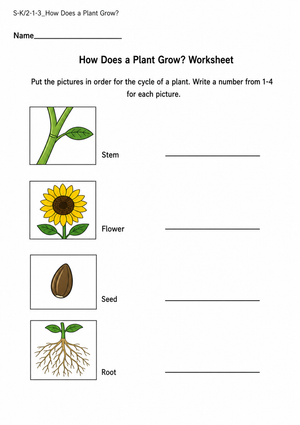
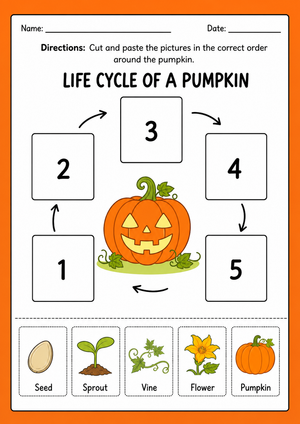
The set moves across a few task types so the same plant concepts come back in different forms without feeling like more of the same. Children label roots, stem, leaves, flower, and seed on a clear diagram. They match each part to its job. They number the stages of the life cycle, circle the things a plant needs, and complete a short observation frame next to their own drawing.
- Plant parts labeling: one diagram, five terms, with or without a word bank depending on the worksheet you choose.
- Needs sorting: students mark sunlight, water, air, and soil, and separate those from things a plant doesn't need.
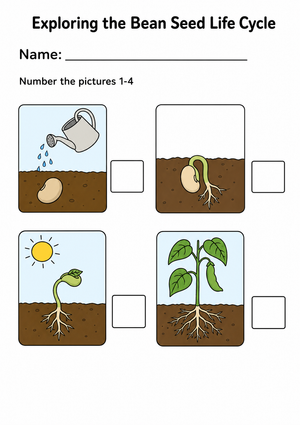
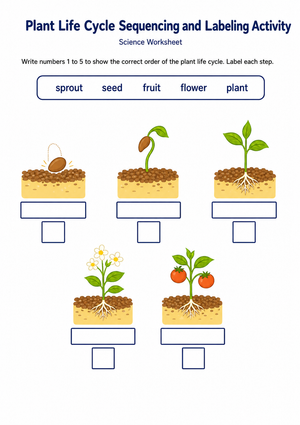
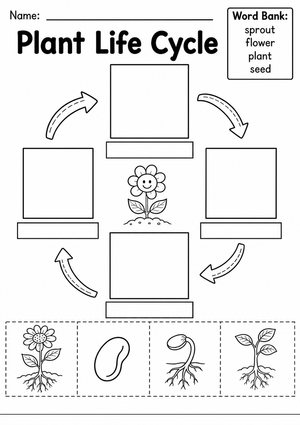
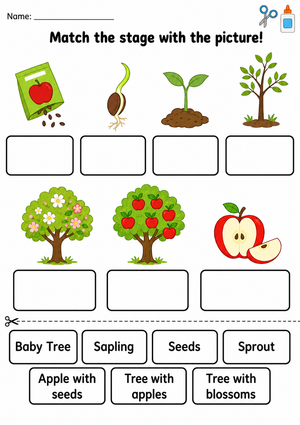
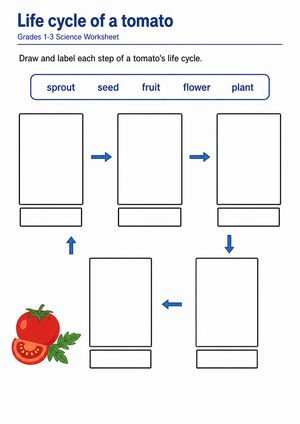
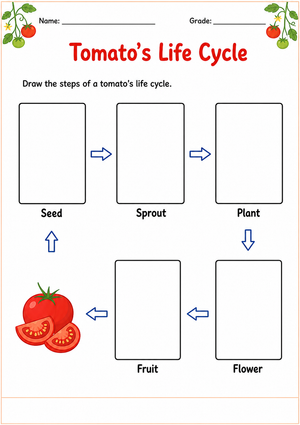
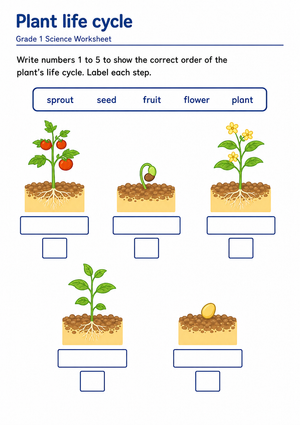
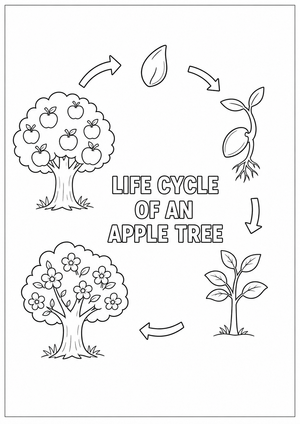
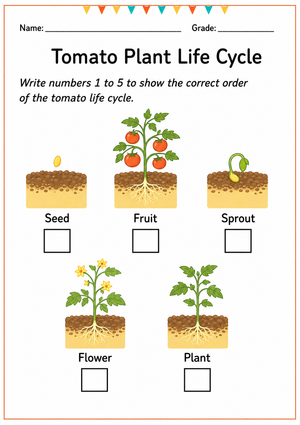
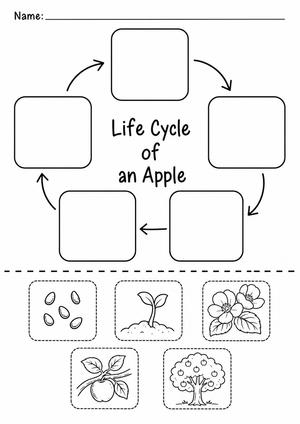
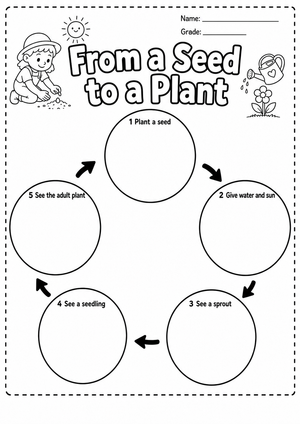
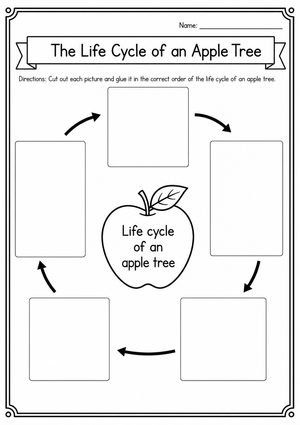
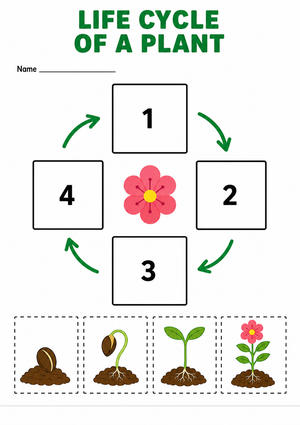
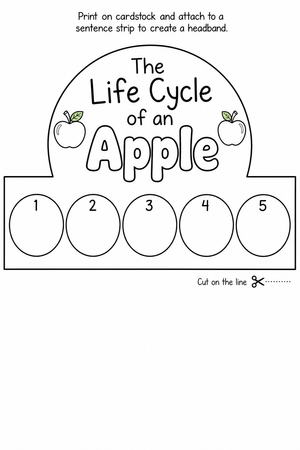
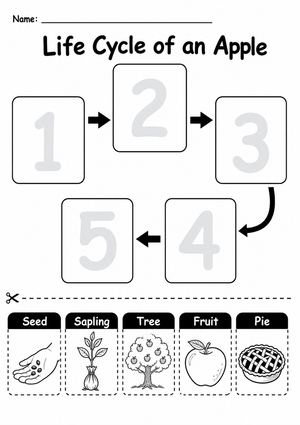
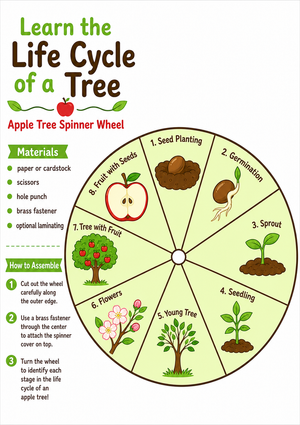
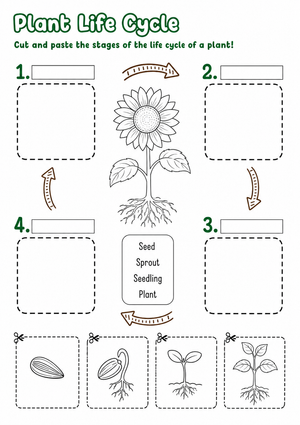
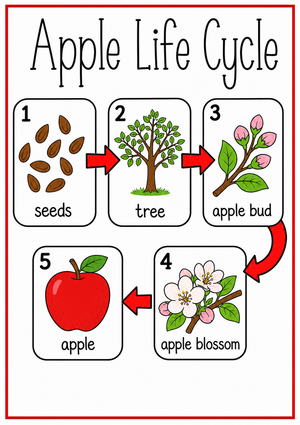
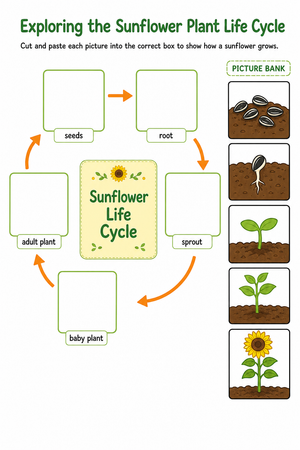
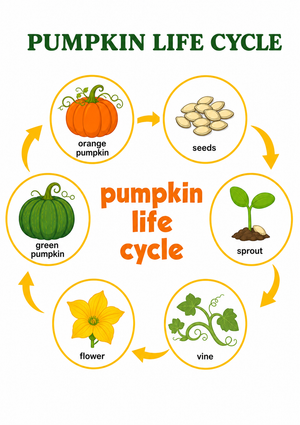
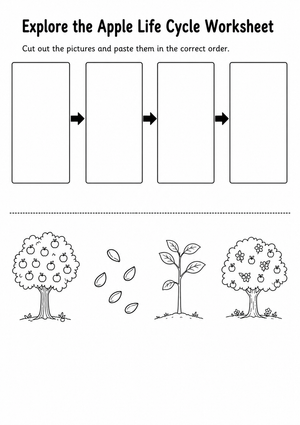
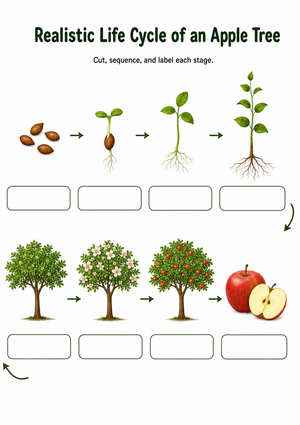
- Life cycle sequencing: seed, sprout, seedling, grown plant placed in boxes or numbered with arrows.
- Observation response: a draw-and-write space with sentence starters like I notice or Today my plant has.
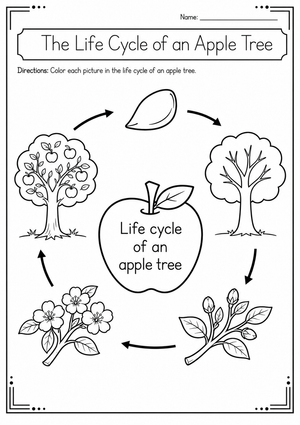
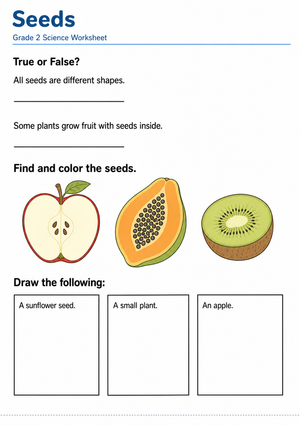
- Coloring and matching: low-writing review that brings vocabulary back without tiring small hands.
Keeping one skill per worksheet matters at this age. A first grader who is decoding directions and identifying flower parts at the same time will stall on both. When the task is narrow, the science stays in front of them.
Fitting the Worksheets Into the School Day
Plant study at this grade rarely gets a full hour. These worksheets are built for the 10 to 15 minute science block that lands after morning meeting or in the slot before specials. Teach one idea, then hand out one short worksheet right away so the practice sits on top of fresh instruction rather than yesterday's memory.
They also drop cleanly into a science center. Set a labeling worksheet beside picture cards, a cup of soil with a sprouting bean, and a few crayons, and students rotate through with almost no adult setup. For substitute days, the matching and coloring resources need nothing more than a read-aloud of the directions. A printable set of 1st grade plant worksheets pages copies the same way every time, which is the whole point when you're running off thirty before the bell.
The strongest results come when the worksheet follows something real. After children watch a bean seed crack open over a week on the windowsill, a sequencing worksheet stops being abstract — they've seen the sprout, so they can put it in order. After a short nonfiction read-aloud about how plants drink water, the needs-sorting worksheet gives you a quick read on who caught the idea and who didn't.
Mistakes First Graders Make With Plant Tasks
The most common slip on labeling worksheets is mixing up stem and roots, especially when the diagram shows the plant in soil and the roots are drawn faintly. Children point to the visible green stalk and call the whole thing the stem. Show the underground portion and name it out loud before they begin.
On life cycle sequencing, students often confuse sprout and seedling because both look like small green shoots. They'll number them backward or treat them as the same stage. A side-by-side comparison — the sprout has just broken the seed, the seedling has its first real leaves — clears most of this up. The other predictable error appears on needs worksheets: children include things they personally like, marking that a plant needs candy or a friend, because they're answering from feeling rather than observation. That's a normal developmental moment, not a reading problem, and it's worth a brief class conversation rather than a red mark.
Adjusting the Set for a Range of Learners
The simplest lever here is the word bank. Students who are still building letter-sound confidence label from a provided list of terms; stronger readers label from memory on the same diagram. You can also change the response mode without changing the science: one child colors the plant parts after pointing to each, another explains what each part does to a partner before writing anything down.
For children who finish quickly, ask them to add an arrow and a label for one part not shown, or to write a sentence about what would happen if the plant lost its roots. For those who need more support, fold the worksheet so only one task shows at a time, which keeps the visual field calm and the working load light.
Standard Alignment
These resources support the first-grade life science strand, including NGSS 1-LS1-1, which asks students to use plant and animal structures to describe how external parts help organisms survive and grow. That's exactly the work happening when a child labels roots and connects them to taking in water. The labeling and needs worksheets give you the structure-and-function evidence the standard expects, and the observation worksheets create the kind of recorded noticing that fits the practice of obtaining information from a firsthand source.
Frequently Asked Questions
What plant ideas should a first grader actually master?
Three things: naming the basic parts (roots, stem, leaves, flower, seed), knowing a plant needs sunlight, water, air, and soil, and putting the life cycle in order. The worksheets cycle through all three so children apply the vocabulary instead of just hearing it.
Do these print well for a whole class?
Yes. The 1st grade plant worksheets format copies the same on any printer or copier, with large visuals that stay clear in black and white. You're not fighting layout shifts or cut-off diagrams when you run a class set.
How do I pair the worksheets with hands-on planting?
Start with the real thing — examine a seed, look at a sprout, measure a windowsill plant — then use a worksheet to record it through drawing, labeling, or sequencing. A single cup of soil and a few bean seeds gives students a reason to care about the words on the worksheet, and the recorded drawing becomes proof of what they observed.
When in the year do these fit best?
Spring is the natural window, when planting projects and nature walks are easy to manage and the 1st grade plant worksheets set lines up with seeds children can actually watch grow. That said, the labeling and life cycle resources work any time you're teaching the structure-and-function strand.