Teaching mitosis is a bit like teaching students to follow a carefully timed dance. Every stage has a role, every chromosome has a place, and one missed step can make the whole process confusing. Mitosis worksheets help students slow down this fast-moving cell division process and study it one stage at a time. With diagrams, labeling tasks, sequencing activities, and short-response questions, learners can see how one parent cell divides into two identical daughter cells.
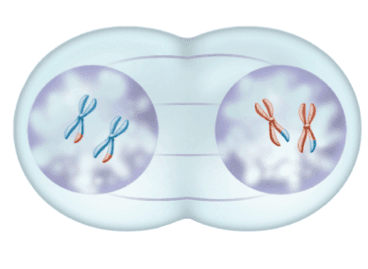
These worksheets usually begin with the basic purpose of mitosis: growth, repair, and cell replacement. Students then move through the main stages, including prophase, metaphase, anaphase, telophase, and cytokinesis. Instead of memorizing the stage names without context, learners can match each phase to what is happening inside the cell. They may identify chromosomes condensing, lining up in the middle, separating to opposite sides, or forming two new nuclei. This visual practice makes the process much easier to understand.
Mitosis worksheets are especially helpful because students often confuse similar-looking cell division terms. Chromosomes, chromatids, spindle fibers, centromeres, and daughter cells can all blur together without repeated practice. A well-designed worksheet gives students space to label structures, explain changes, and organize the sequence correctly. Once students understand mitosis on its own, teachers can extend the lesson with comparative cell division activities to help them see how mitosis differs from meiosis.
Teachers can use these resources in many parts of a biology unit. They work well as guided notes, warm-ups, homework, review pages, science centers, lab follow-ups, or test preparation. A class might begin by watching a short animation, then complete a worksheet to label each stage. Another lesson might ask students to cut and arrange mitosis phases in the correct order. For a lighter classroom break during a vocabulary-heavy topic, teachers can also add light cellular biology humor before returning to review.
Worksheetzone’s mitosis worksheets are designed to make cell division easier to teach and easier to remember. Students can build vocabulary, strengthen diagram-reading skills, and explain why mitosis matters for living organisms. Whether used in middle school life science, high school biology, homeschool lessons, or quick review sessions, these worksheets help learners move from simply naming the stages to understanding how cells grow, divide, and keep organisms functioning.
Frequently Asked Questions
Question 1: What do students learn from mitosis worksheets?
Students learn the purpose and stages of mitosis, including prophase, metaphase, anaphase, telophase, and cytokinesis. They also practice identifying chromosomes, spindle fibers, daughter cells, and other key structures involved in cell division.
Question 2: What grade levels are mitosis worksheets best for?
Mitosis worksheets are most useful for middle school life science and high school biology students. Younger learners can focus on simple stage sequencing and diagrams, while older students can study chromosome behavior, cell cycle regulation, and connections to growth and repair.
Question 3: Why do students often struggle with mitosis?
Students often struggle because the stages happen in a specific order and many vocabulary terms sound similar. Diagrams can also look confusing at first. Repeated worksheet practice helps learners connect each stage name with the correct visual changes inside the cell.
Question 4: How can teachers use mitosis worksheets in class?
Teachers can use them as guided practice, warm-ups, homework, station activities, exit tickets, review pages, or test preparation. They are especially effective when paired with animations, microscope images, models, or cut-and-paste sequencing tasks.