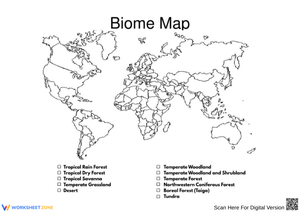
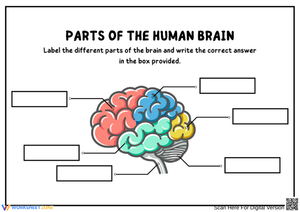
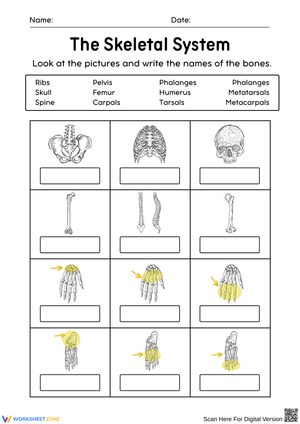
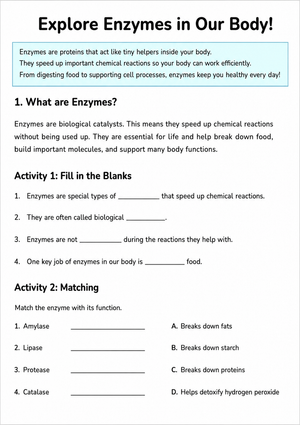
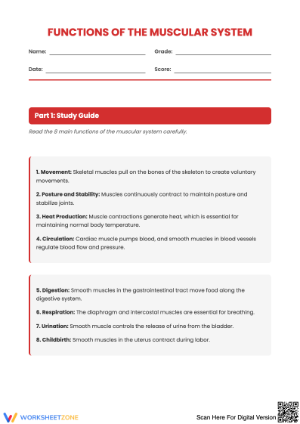
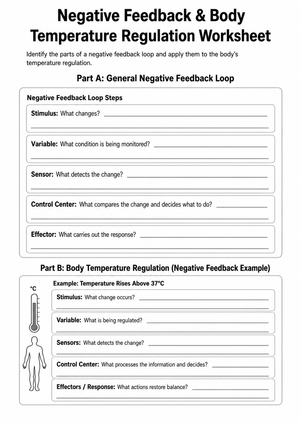
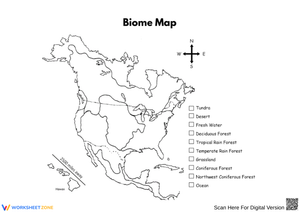
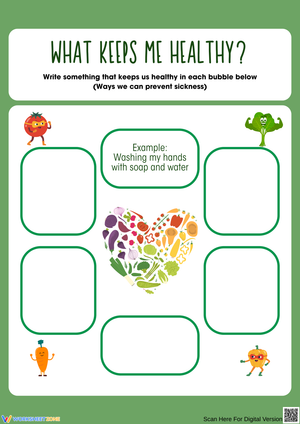
I still remember the afternoon a seventh-grade class shuffled into my room dreading the cell unit. Diagrams on the board were not landing, the textbook felt heavy, and even my best analogies bounced off tired faces. So I traded the lecture for a stack of biology worksheets and asked the students to label, color, and explain each organelle in their own words. Within ten minutes the room shifted. Pencils moved, partners debated mitochondria versus chloroplasts, and curiosity took the wheel.
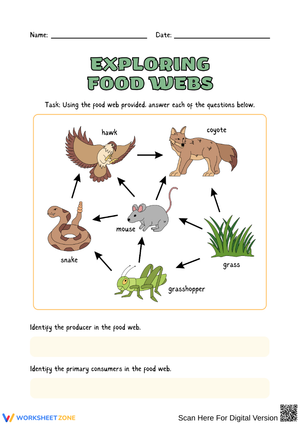
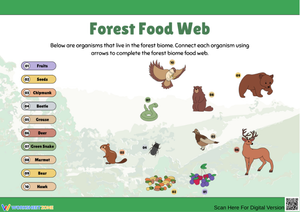
That moment taught me something I keep returning to: students often need a structured page in front of them before abstract science feels real. Pictures of organelles, blank Punnett squares, and food-web diagrams turn invisible processes into something hands can touch. When the worksheet asks a clear question, learners stop waiting to be told and start thinking through the biology themselves. The teacher steps aside, and the page becomes the bridge between concept and confidence.
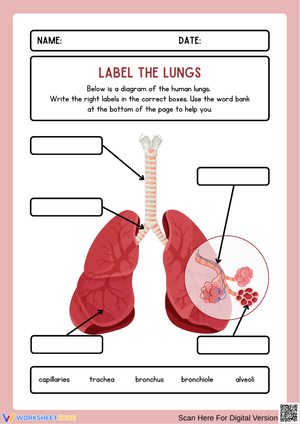
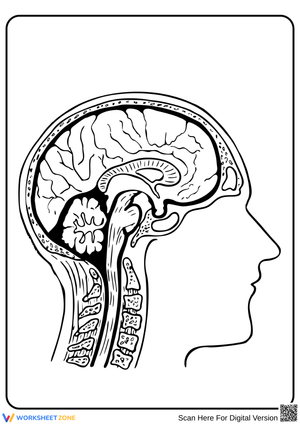
I also try to let curiosity guide the order of practice rather than forcing every student down the same track. One learner might start with a plant cell labeling page, another with a frog dissection diagram, and a third might dive into DNA base pairing. Pairing these printable activities with quick pair-share moments keeps lessons social, while a short reflection at the end helps students name what clicked. If you want richer extension ideas, this collection of hands-on anatomy lesson plans blends beautifully with worksheet-based practice.
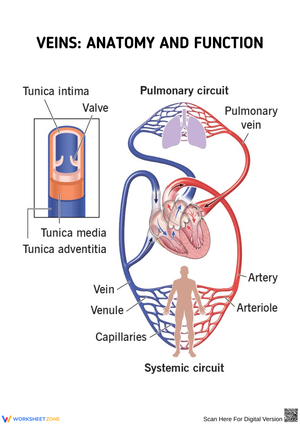
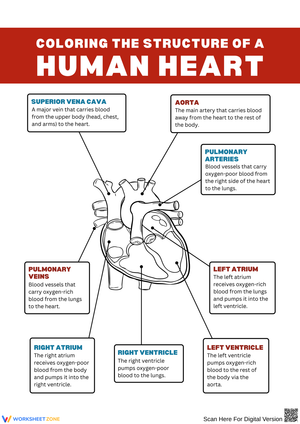
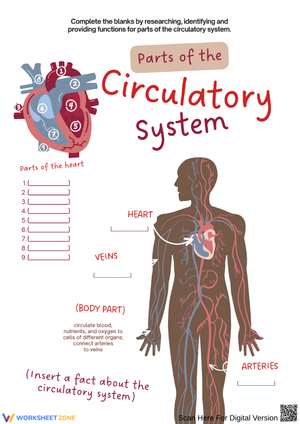
Parents often ask me how to keep science learning alive after dismissal, and my answer is usually simpler than they expect. A worksheet on the kitchen table can spark a fifteen-minute conversation about photosynthesis or the human heart, no lab equipment required. Children love being the expert, so let them teach you the parts of a leaf or quiz you on classification kingdoms. Worksheetzone gathers grade-aligned pages that parents can hand to a curious child without prepping a full lesson plan, which keeps the moment light, focused, and joyful.
That is the spirit I hope teachers and families carry into every science lesson, whether you are reviewing genetics for a test or exploring ecosystems for the first time. Choose a topic, print a page, and let the questions do their work. The right biology worksheets give students a quiet structure, a clear path, and the satisfaction of solving something real. If you are ready to create your own classroom lightbulb moments, browse the full library of composite cell practice pages and start there.
Frequently Asked Questions
Question 1: Which grade levels benefit most from biology worksheets?
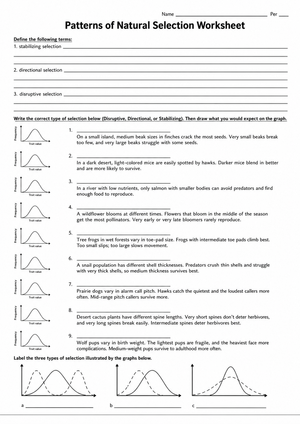
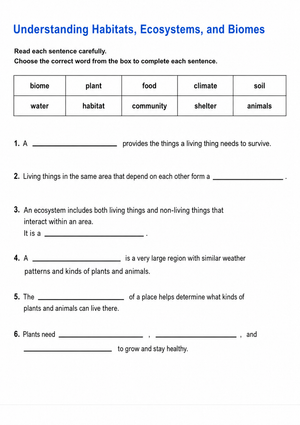
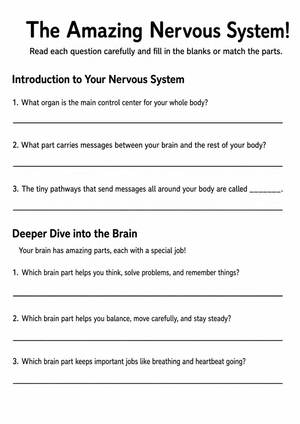
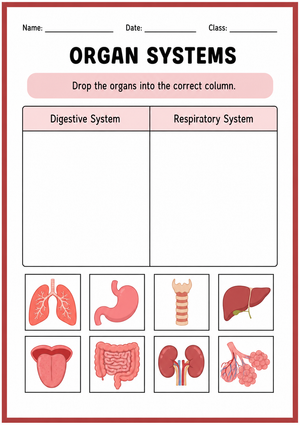
Biology worksheets work well from upper elementary all the way through high school because the format scales with complexity. Younger students enjoy labeling plant parts, basic life cycles, and simple food chains, while middle schoolers tackle cell organelles, ecosystems, and human body systems. High schoolers move into genetics, cellular respiration, and evolutionary biology. The structured layout supports differentiation, so teachers can hand out the same topic at different depths inside one classroom.
Question 2: How do biology worksheets support classroom lesson plans?
Worksheets give teachers a reliable anchor for direct instruction, guided practice, and independent review. A page can introduce vocabulary before a lab, reinforce ideas after a video, or serve as a quick formative check at the start of class. Because each printable focuses on one clear objective, lesson planning becomes faster and more intentional. Students also leave with a tangible record of what they learned, which helps parents follow along at home.
Question 3: Can parents use biology worksheets for homeschool support?
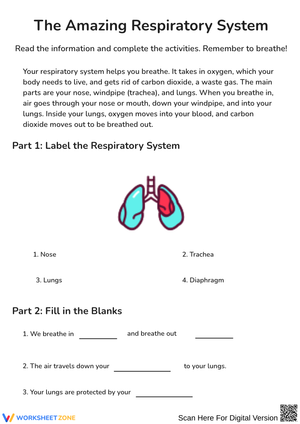
Absolutely. Parents who homeschool or simply want extra reinforcement can use a printable worksheet to structure a focused study session without preparing materials from scratch. Topics like photosynthesis, animal classification, and human anatomy translate well to the kitchen table. Pair the page with a short read-aloud, a backyard observation, or a kitchen experiment, and the learning becomes memorable. The worksheet keeps everyone aligned on a single concept.
Question 4: What topics should a strong biology worksheet collection cover?
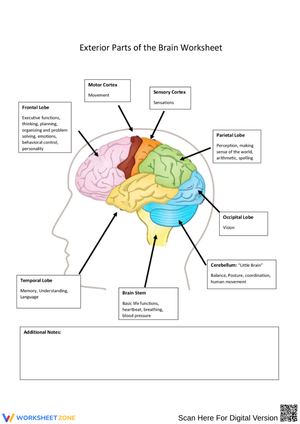
A balanced library should span cells, genetics, ecology, human body systems, and the diversity of life. Look for diagrams that ask students to label, compare, and explain, not just match terms. Pages that build from recognition to application help learners grow across a unit. The strongest biology worksheets also include reflection prompts so students articulate what they understand, which deepens retention and prepares them for assessments.












 Interactive Worksheet Maker
 Quiz Maker
 Word Search Maker
 Crossword Puzzle Maker
 Word Scramble Generator
 Sentence Scramble Generator
 Handwriting Worksheet Generator
 Name Tracing Generator
 Fill In The Blank Generator