


























Views
Downloads
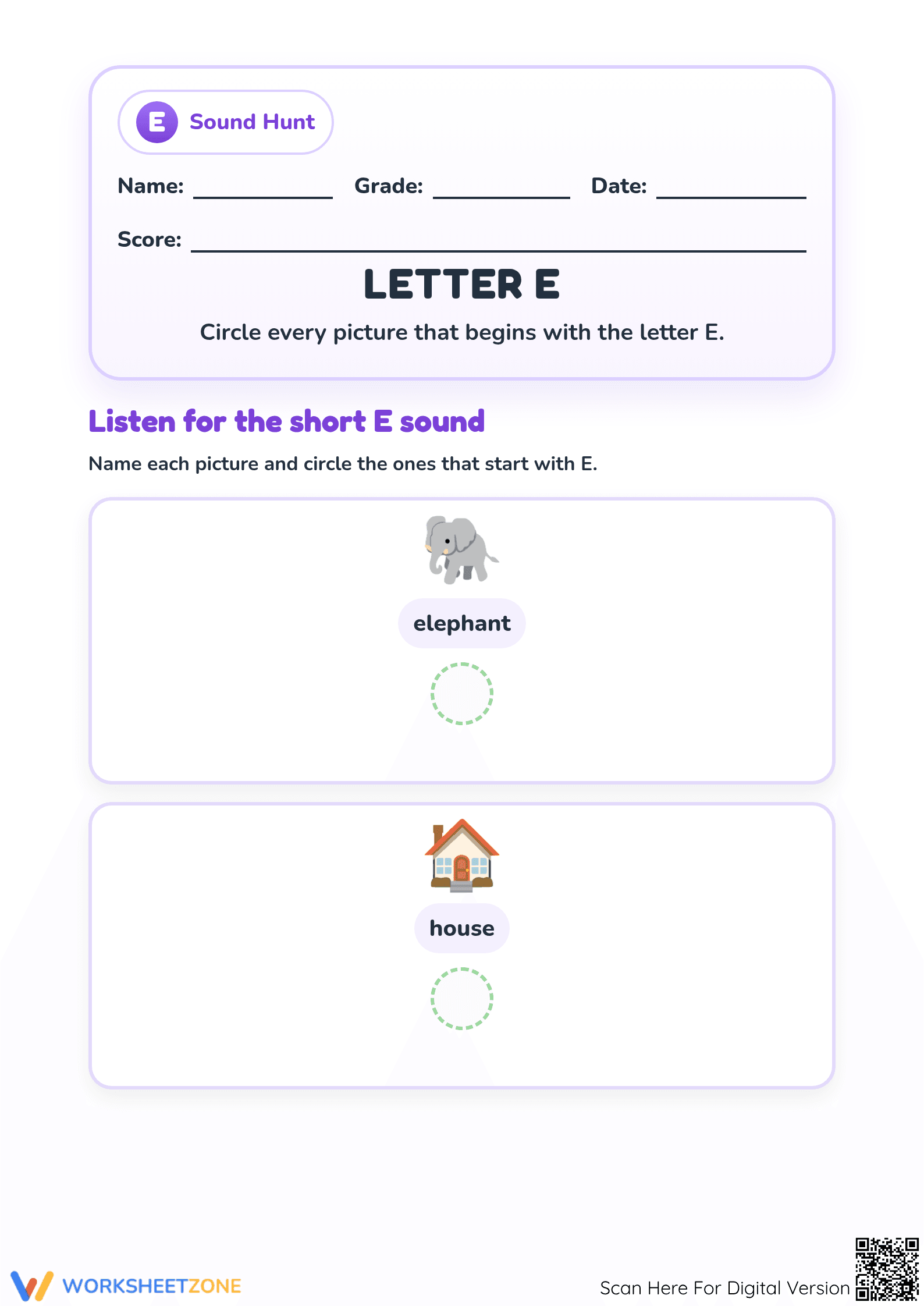

Printable Letter E Beginning Sounds Worksheet for Preschool
Paste this activity's link or code into your existing LMS (Google Classroom, Canvas, Teams, Schoology, Moodle, etc.).
Students can open and work on the activity right away, with no student login required.
You'll still be able to track student progress and results from your teacher account.
Mastering the short E sound is a foundational step in early literacy development. This "Beginning Sounds with Letter E" worksheet provides preschoolers with a structured, visual environment to practice phonemic awareness. By evaluating high-frequency images and identifying those that start with the letter E, students build the critical decoding skills necessary for future reading success.
At a Glance
- Grade: Preschool · Subject: ELA
- Standard:
CCSS.ELA-LITERACY.RF.K.3.A— Demonstrate basic knowledge of one-to-one letter-sound correspondences- Skill Focus: Beginning sounds and phonemic awareness for letter E
- Format: 5 pages · 12 problems · Answer key included · PDF
- Best For: Independent phonics practice and letter recognition
- Time: 15–20 minutes
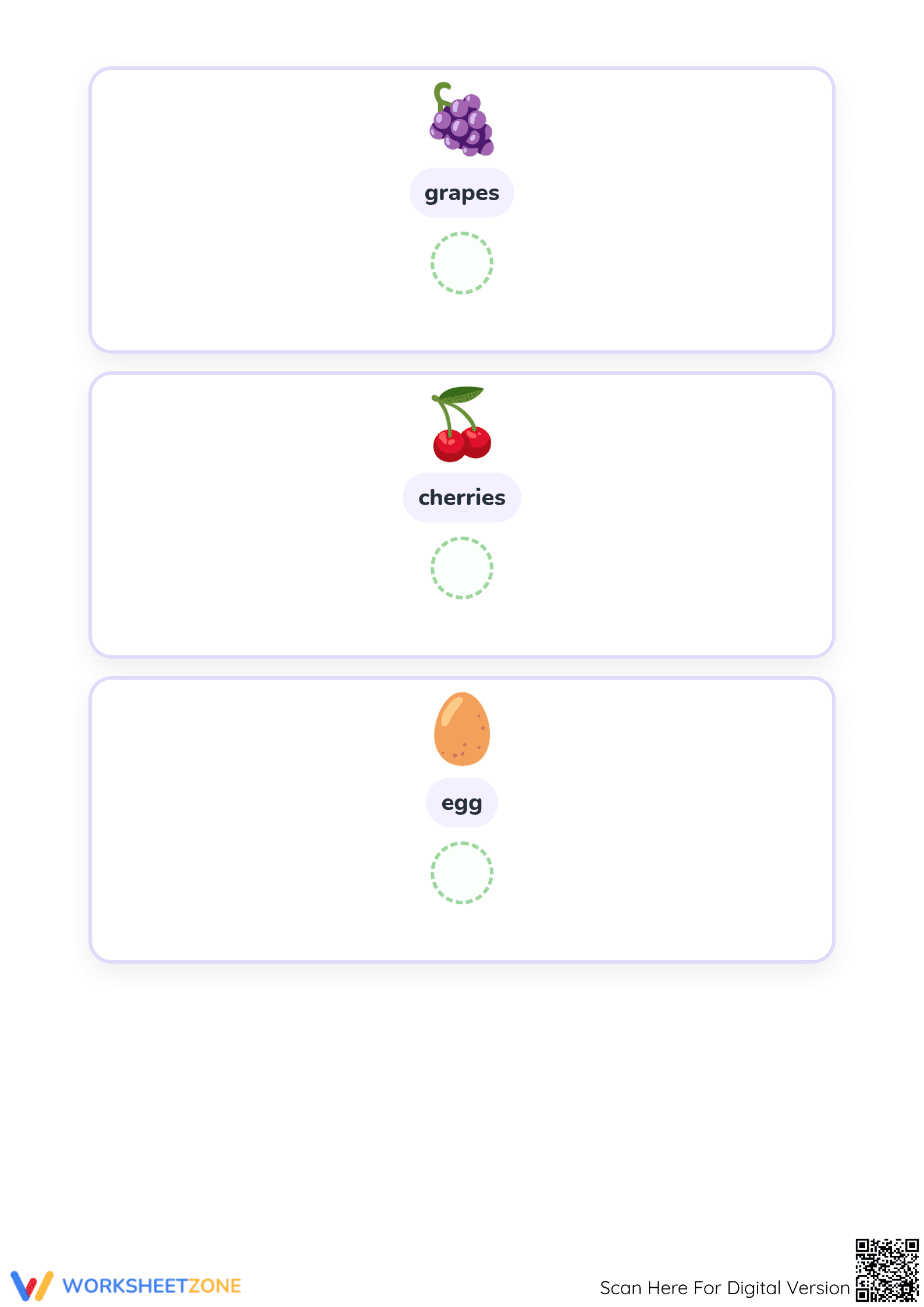
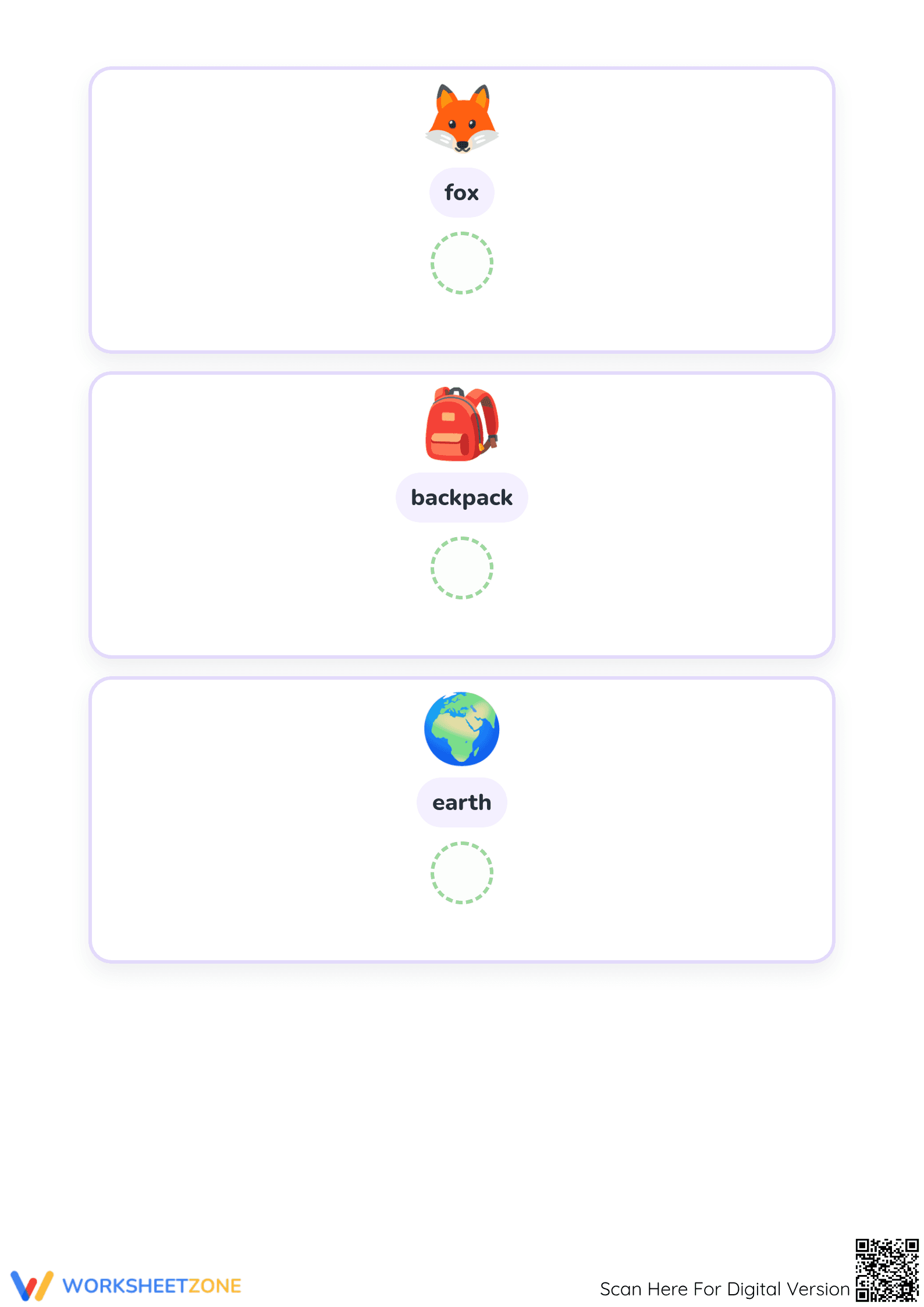
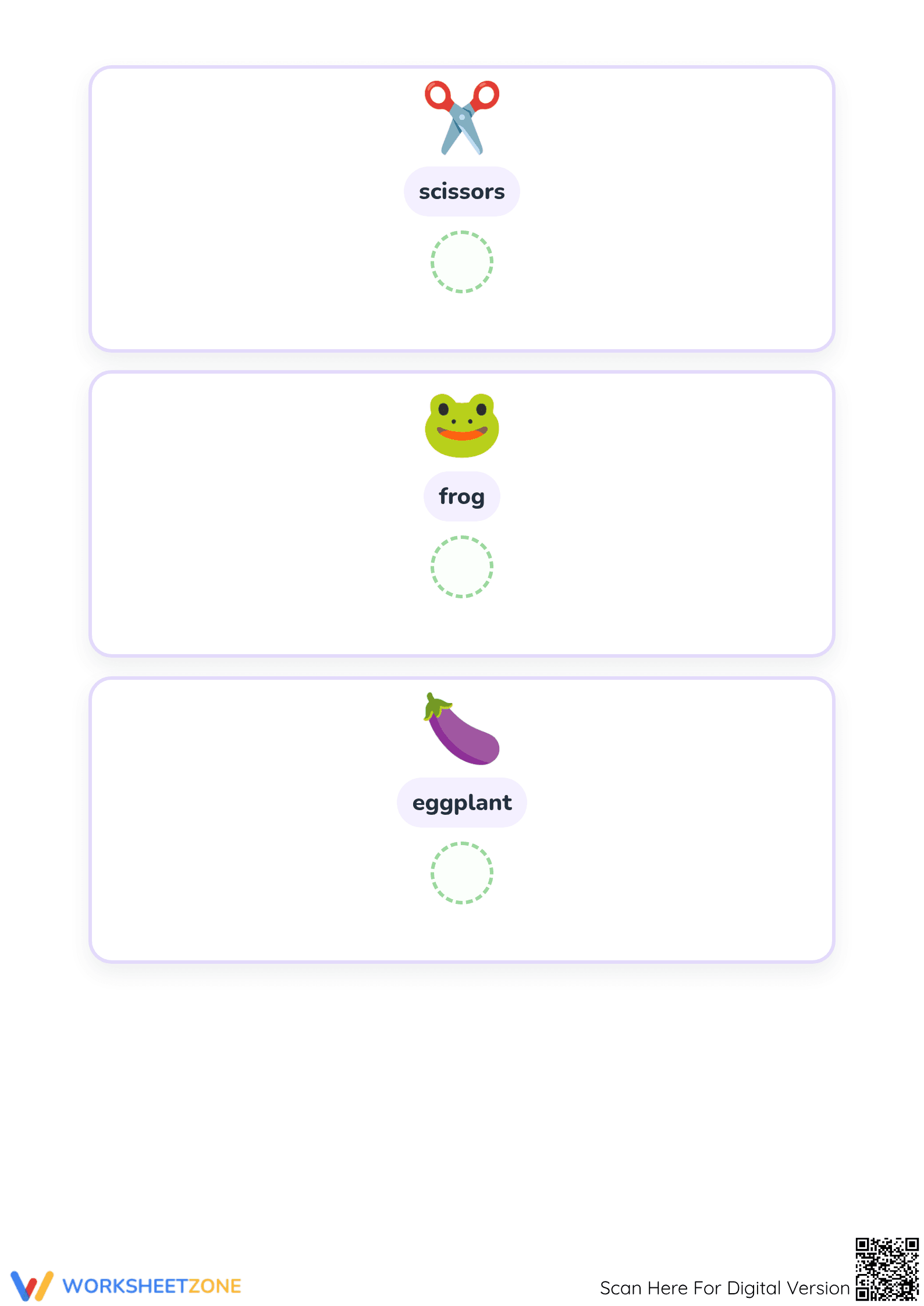
This comprehensive 5-page packet features 12 distinct visual evaluation tasks. Each page presents clear illustrations of common objects like elephants, eggs, and earth, alongside distractors such as houses and frogs. Students are prompted to name each picture and circle only those that begin with the letter E. The clean layout minimizes visual clutter, ensuring young learners stay focused on the specific auditory cues of the letter sound.
Skill Progression
- Guided practice: The first page introduces the "Sound Hunt" concept with an elephant example, allowing teachers to model the specific "Listen for the short E" instruction.
- Supported practice: Pages 2 through 4 offer multiple opportunities for students to name objects and make phonemic connections with familiar vocabulary words.
- Independent practice: The final page provides a concluding check, allowing students to demonstrate their ability to discriminate the E sound from other initial consonants.
This I Do, We Do, You Do approach ensures students feel confident before moving to independent application.
Standards Alignment
This resource is primarily aligned with `CCSS.ELA-LITERACY.RF.K.3.A`, which requires students to demonstrate knowledge of one-to-one letter-sound correspondences. Additionally, it supports `CCSS.ELA-LITERACY.RF.K.1.D` as students must recognize the visual form of the letter E. Both standard codes can be copied directly into lesson plans, IEP goals, or district curriculum mapping tools.
How to Use It
This worksheet is ideal for use during the "You Do" portion of a direct instruction phonics lesson. After introducing the short E sound using an anchor chart, distribute the packet for individual practice. For a formative assessment, circulate while students name the pictures; listen for those who may confuse the short E sound with other vowels.
Who It's For
Designed specifically for preschoolers and Pre-K students, this packet is also an excellent tool for Kindergarteners needing remedial support. The visual-heavy design makes it accessible for English Language Learners (ELLs). It pairs naturally with a "Letter of the Week" curriculum or a physical alphabet object box containing real items.
Research consistently emphasizes that phonemic awareness—the ability to hear and manipulate individual sounds—is the single strongest predictor of later reading achievement. According to the EdReports 2024 analysis of foundational literacy materials, explicit instruction in letter-sound correspondences, such as the phonics-based tasks found in this Letter E packet, is essential for bridging the gap between oral language and written text. By focusing on a single beginning sound across twelve unique visual prompts, this resource minimizes cognitive load, allowing preschoolers to internalize the specific auditory signature of the short E sound. This targeted approach aligns with the findings of Fisher & Frey (2014) regarding the importance of scaffolding phonological tasks for early learners. The inclusion of high-frequency imagery further supports vocabulary acquisition, ensuring that the skill focus remains on pronunciation and phonemic identification. This printable resource provides the essential repetition needed for long-term retention of early phonics concepts.


