Introduction to Miscellaneous Math Resources
In a typical US K-12 classroom, math instruction is often dominated by core topics such as basic arithmetic, fractions, geometry, and algebra. While these foundational areas are vital, they do not represent the entirety of mathematical thinking. Teachers frequently find themselves searching for supplementary materials to cover niche skills, provide enrichment, or offer mixed review. This is where others math printable worksheets become incredibly valuable. These miscellaneous resources fill the gaps left by standard curricula, offering engaging activities that challenge students and reinforce essential concepts in unique ways. Having a reliable collection of these print-ready resources allows educators to meet varied student needs without spending hours designing new materials from scratch.
Why Miscellaneous Math Worksheets Matter
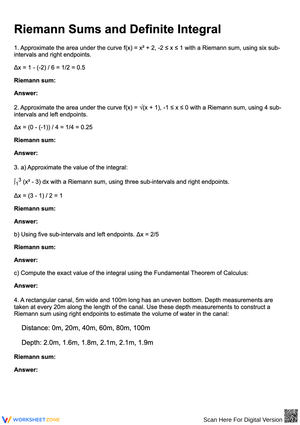
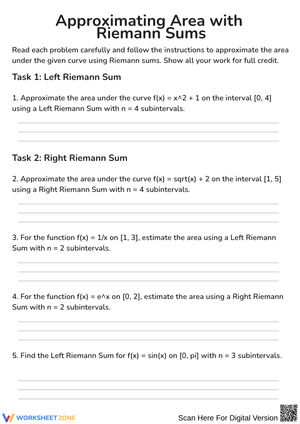
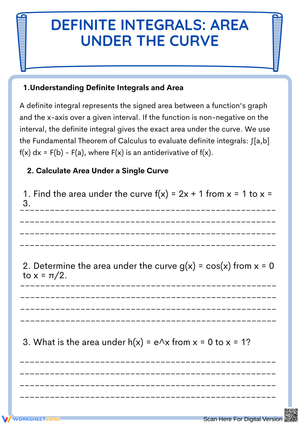
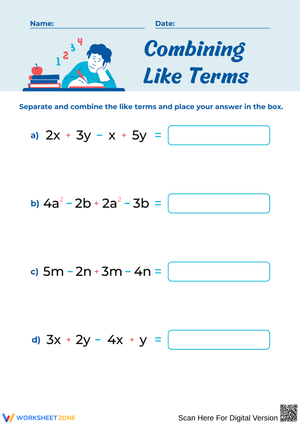
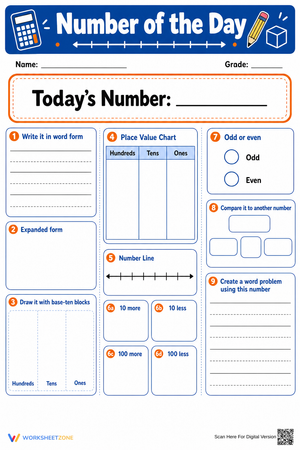
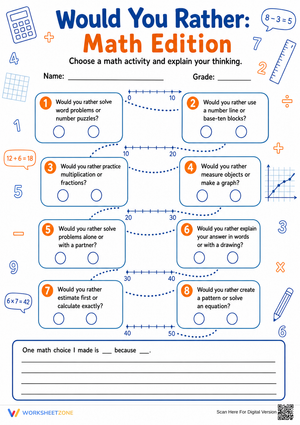
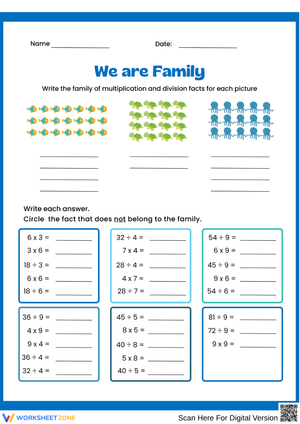
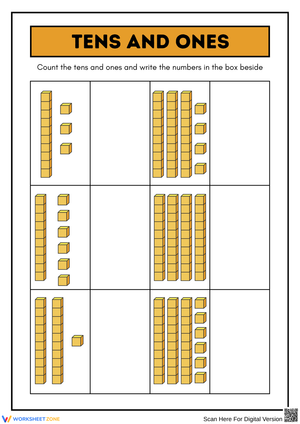
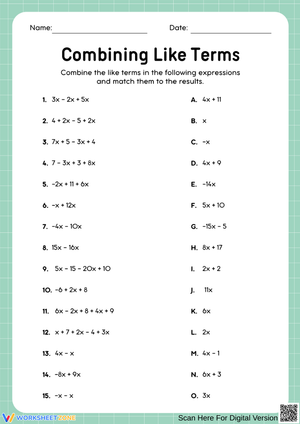
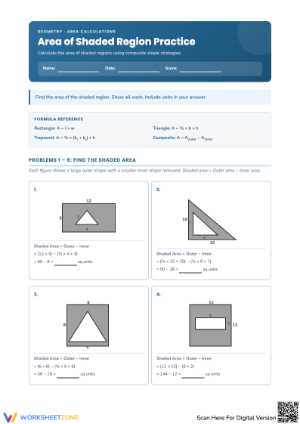
Standard math textbooks often follow a linear progression, focusing on one skill at a time. While this structure is helpful for initial instruction, it can sometimes lead to a lack of retention over time. Miscellaneous math worksheets support spiral review, which research shows improves long-term retention of math concepts. By presenting students with mixed-topic worksheets, you encourage them to retrieve previously learned information, strengthening their neural pathways and building deeper understanding. Furthermore, these worksheets are excellent tools for differentiated instruction. Using others math printable worksheets allows you to tailor your instruction to the individual needs of your students, providing targeted support where it is needed most. Platforms like Math-Drills.com – Other Math Worksheets (https://www.math-drills.com/othertopics.php) and Super Teacher Worksheets – Math (https://www.superteacherworksheets.com/math.html) offer a vast array of these specialized resources, making it easy to find the perfect match for your classroom.
Key Categories of Other Math Worksheets
The term "others math" encompasses a wide variety of topics that do not fit neatly into standard arithmetic or geometry categories. Understanding these different categories can help you select the most appropriate resources for your students.
Logic Puzzles and Brain Teasers
Logic puzzles are outstanding tools for developing critical thinking and deductive reasoning skills. These worksheets require students to analyze clues, identify patterns, and draw logical conclusions to solve a problem. Examples include Sudoku, grid logic puzzles, and math riddles. By engaging with these puzzles, students learn to approach problems systematically and develop perseverance. These activities are perfect for early finishers or as a stimulating warm-up.
Roman Numerals and Historical Number Systems
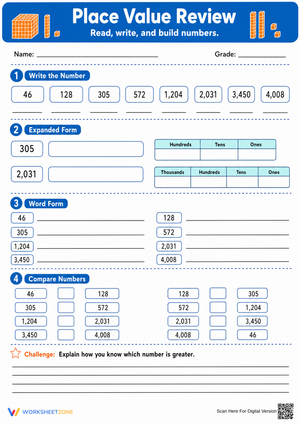
Teaching Roman numerals connects math with history and language arts. Worksheets in this category help students understand the structure of different number systems and appreciate the historical development of mathematics. Learning Roman numerals also reinforces place value concepts and basic addition and subtraction, as students must add or subtract values based on the position of the symbols. This topic serves as an engaging way to challenge students' understanding of our standard base-ten system.
Calendar Math and Time Management
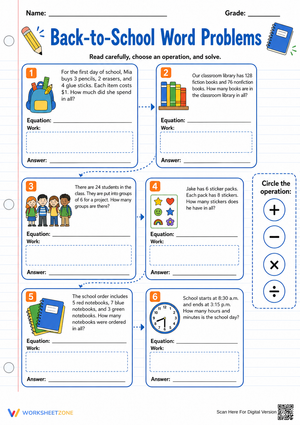
Calendar math and time-telling worksheets focus on practical, real-world skills that students use every day. These resources help students understand the structure of days, weeks, months, and years, as well as how to read analog and digital clocks. Activities may include calculating elapsed time, scheduling events, or solving word problems. Mastering these skills is essential for student independence and time management.
Money and Financial Literacy
Financial literacy is a vital life skill that should be introduced early. Money worksheets help students identify coins and bills, count change, and solve real-world word problems involving purchasing and budgeting. These activities make math concrete and relevant, showing students how the concepts they learn in school apply to their daily lives. From simple coin identification to complex budgeting scenarios, money worksheets are a staple of practical math instruction.
Patterns and Sequence Recognition
Recognizing and extending patterns is a fundamental algebraic skill. Pattern worksheets challenge students to identify the rules governing a sequence of numbers, shapes, or symbols and predict what comes next. This builds a strong foundation for future algebraic thinking, helping students understand relationships between numbers and variables. These worksheets range from simple repeating patterns to complex growing sequences for older learners.
Teacher Tips
Integrating miscellaneous math worksheets into your daily routine does not have to be complicated. With a little planning, you can use these resources to enhance your instruction and keep your students engaged throughout the school year. Here are some practical tips for implementing these worksheets in your classroom.
First, consider creating a dedicated "Math Enrichment Center" in your classroom. Stock this center with a variety of others math printable worksheets, including logic puzzles, brain teasers, and pattern activities. When students complete their core assignments, they can independently visit the center and select a worksheet. This keeps early finishers productive and encourages a culture of self-directed learning.
Second, use mixed-topic worksheets for regular warm-ups or "bell ringers." Starting the math period with a short, five-minute mixed review worksheet helps students transition into a mathematical mindset and reinforces previously learned skills. This consistent practice can significantly improve retention and help students feel prepared for formal assessments.
To maximize the impact of miscellaneous math worksheets, try pairing them with collaborative learning strategies. Instead of having students complete logic puzzles or money worksheets individually, place them in pairs or small groups to solve the problems together. This encourages mathematical discourse, as students must explain their reasoning, justify their answers, and listen to alternative problem-solving strategies. By turning a standard worksheet into a collaborative challenge, you build a supportive classroom community where students learn from one another.
Finally, don't hesitate to use these worksheets as part of your emergency sub plans. Because many miscellaneous math worksheets are self-contained and highly engaging, they are perfect for days when you are out of the classroom. A packet of logic puzzles, calendar math, and mixed review activities will keep your students focused and learning, providing peace of mind for you and a smooth day for your substitute teacher.
Selecting the Right Resources for Your Classroom
With so many resources available online, it can be overwhelming to choose the best ones. When searching for others math printable worksheets, look for high-quality materials that align with your instructional goals. Platforms like K5 Learning – Free Math Worksheets (https://www.k5learning.com/free-math-worksheets) and Education.com – Math Worksheets (https://www.education.com/worksheets/math/) offer well-organized, professionally designed worksheets that are easy to search by grade level and topic. When selecting worksheets, consider the formatting and readability. For younger students, look for worksheets with large fonts and clear illustrations. For older students, ensure the instructions are clear and the problems promote critical thinking without causing frustration. It is also helpful to choose worksheets that include answer keys, which save grading time and allow students to self-correct their work.
Frequently Asked Questions
1. What topics are included in others math printable worksheets?
These worksheets cover a wide range of miscellaneous math topics that do not fit into standard arithmetic or geometry categories. Common topics include logic puzzles, Roman numerals, calendar math, telling time, counting money, financial literacy, pattern recognition, and mixed-topic spiral reviews. These resources are designed to address niche skills and provide enrichment opportunities.
2. What grade levels are these miscellaneous math worksheets suitable for?
Miscellaneous math worksheets are available for all grade levels, from kindergarten through middle school. For younger students, worksheets focus on basic patterns, coin identification, and simple calendar skills. For older students, resources include complex logic puzzles, advanced Roman numeral conversions, and financial literacy scenarios. Teachers can easily find materials tailored to their students' specific developmental levels.
3. How can teachers use miscellaneous math worksheets in the classroom?
Teachers can use these worksheets as early finisher activities, morning warm-ups, homework assignments, or independent study centers. They are also excellent for spiral review to help students retain previously learned concepts. Additionally, because they are self-contained and engaging, these worksheets make perfect emergency sub plans that keep students productive and focused.
4. Are these printable math worksheets free to download and print?
Yes, many reputable educational websites offer free printable math worksheets. Sites like K5 Learning – Free Math Worksheets (https://www.k5learning.com/free-math-worksheets) and Education.com – Math Worksheets (https://www.education.com/worksheets/math/) provide a generous selection of free resources that teachers can easily download and print. While some platforms offer premium memberships, high-quality free options are widely available.
5. How do mixed-topic math worksheets support spiral review and retention?
Mixed-topic worksheets require students to solve different types of math problems in a single session. This approach, known as spiral review, forces students to retrieve information from their long-term memory, which strengthens their understanding and retention over time. Regular exposure to mixed review helps prevent students from forgetting concepts they learned earlier in the school year.