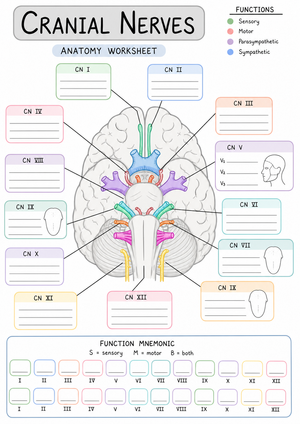
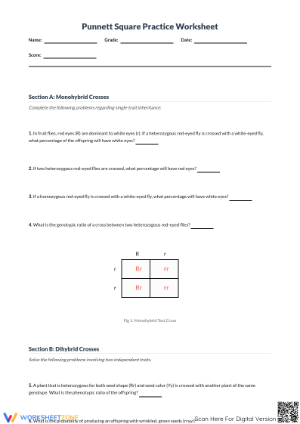
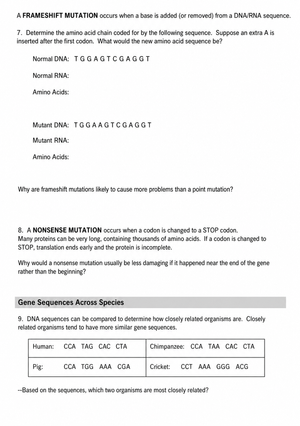
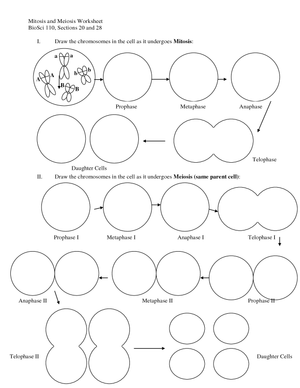
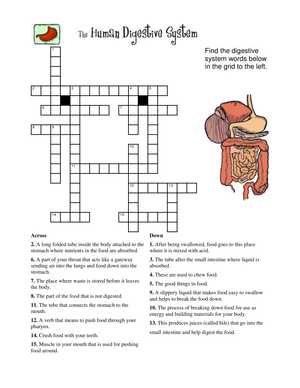
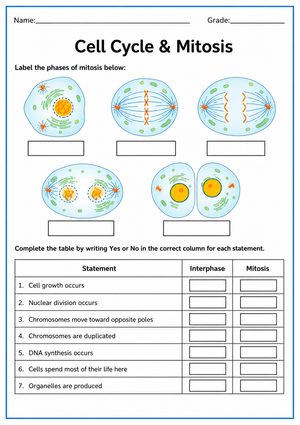
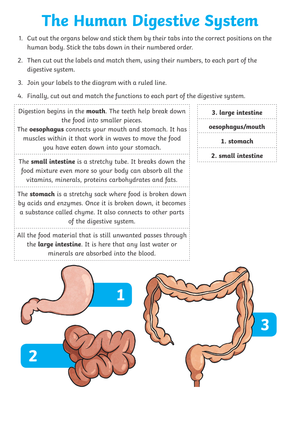
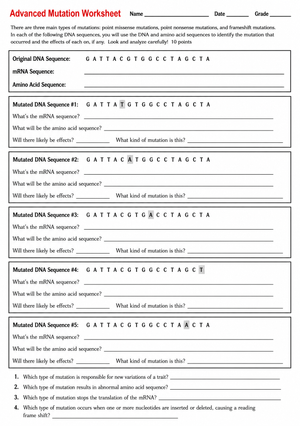
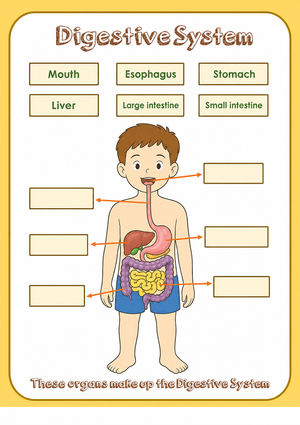
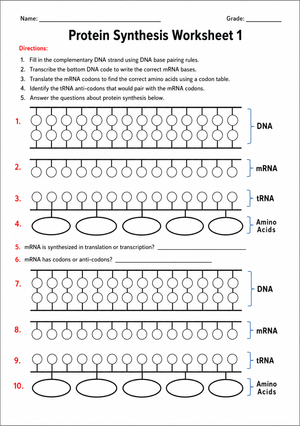
These 10th grade human body systems printable worksheets resources address one of the harder conceptual hurdles in sophomore biology: getting students past organ memorization and into system-level thinking. The set includes anatomy identification activities, system interaction maps, feedback loop flowcharts, and case study exercises built around real physiological scenarios. Each worksheet is ready to print and drop into a unit plan without modification.
The Concepts Each Worksheet Targets
All 11 major organ systems are represented, but the emphasis throughout the set is on function and coordination rather than parts lists. Four content threads run across the worksheets:
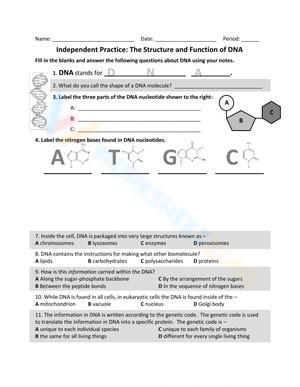
- Hierarchical organization: Students trace the progression from cell type to tissue to organ to organ system. One worksheet asks students to connect cardiac muscle cells to the heart wall to the cardiovascular system and then explain how disruption at the cellular level affects system output — a task that requires genuine understanding, not just recall.
- Homeostasis and feedback mechanisms: Several worksheets focus on negative and positive feedback loops, with graphing exercises that ask students to plot a physiological variable over time and annotate the stimulus, receptor, control center, and effector. The thermoregulation and blood glucose worksheets are the most frequently used for this purpose.
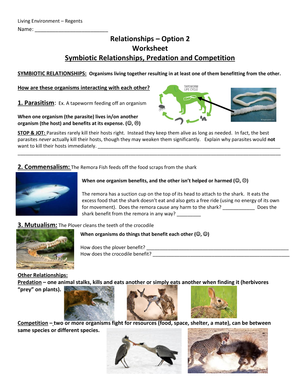
- Cross-system interactions: Activities that map connections between two or more systems — respiratory and circulatory, nervous and endocrine, skeletal and muscular — make up a substantial portion of the set. Students explain what happens downstream in one system when another is compromised.
- Clinical application: Case study worksheets present a patient scenario with specific symptoms and ask students to identify the malfunctioning system, explain the physiological mechanism behind each symptom, and predict secondary effects on connected systems.
Patterns in Student Work Worth Addressing Before the Unit Exam
The most persistent error in this unit isn't mislabeling a diagram — it's functional conflation. Students routinely describe the nervous and endocrine systems as doing the same job because both regulate other systems. What they miss is the timescale: nerve signals fire in milliseconds, while hormonal responses unfold over minutes to hours. A student who writes "the nervous system releases insulin" has the right category (control system) but the wrong mechanism entirely. The worksheets make the distinction explicit by running both systems through the same homeostasis scenario and asking students to annotate which pathway handles the rapid response and which handles the sustained one.
A second consistent problem is treating homeostasis as a vague concept rather than a traceable process. Students who have heard "the body maintains balance" can restate that phrase without being able to identify a specific receptor or effector. Worksheets that require students to complete a feedback loop diagram using actual structures — the hypothalamus, pancreatic beta cells, sweat glands — force that level of specificity before it becomes a problem on exams.
Standard Alignment
The set aligns with HS-LS1-2 (Next Generation Science Standards), which asks students to develop and use a model illustrating the hierarchical organization of interacting systems within multicellular organisms. In classroom terms, that standard pushes instruction past diagram labeling and toward explaining system-level function and cross-system dependency. The system interaction maps and case study worksheets sit squarely in that territory. The feedback loop activities also support HS-LS1-3, which addresses the regulatory mechanisms organisms use to maintain stable internal environments — making these two standards natural instructional partners within the same unit.
Fitting These Worksheets Into Your Anatomy Unit
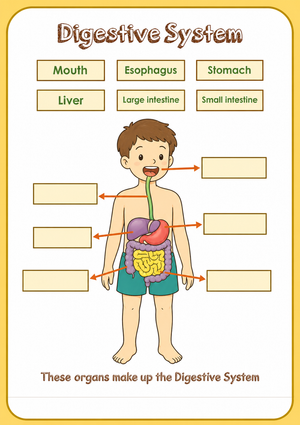
Identification worksheets work well as entry tasks at the start of a lesson block — they take about eight minutes and surface vocabulary gaps before direct instruction. The system interaction maps fit naturally into lab stations or structured group work, where students can talk through the connections before committing them to the worksheet. Save the case studies for after students have covered at least two or three related systems; students who attempt a respiratory case study before covering the circulatory system run into walls they can't get past independently.
One sequence that works well: introduce a body system with direct instruction, assign the identification and function worksheet as individual practice that night, then open the next class with the feedback loop worksheet as a paired activity. By the time students reach the case study, they've already applied the same vocabulary twice in different formats. The 10th grade human body systems printable worksheets set is built to support that kind of spaced, layered practice rather than a single-session review sprint.
A specific technique worth trying with the feedback loop worksheets: give students the endpoint response — shivering, increased heart rate, elevated blood sugar — and ask them to reconstruct the causal chain backward to the initiating stimulus. Students who can work in both directions on a feedback diagram understand the mechanism; students who can only trace it forward have usually memorized the example rather than internalized the logic.
Adjusting the Set for Students at Different Entry Points
For students who struggle with the vocabulary load, the identification worksheets can be assigned with a word bank and a reference diagram. That approach reduces the retrieval demand without changing the conceptual task — students still match structure to function rather than just copying labels. For students ready for more, the case study worksheets extend naturally: ask them to propose a treatment intervention for the patient scenario, explain which other systems the treatment would affect, or find a real clinical parallel and annotate the worksheet with their findings.
The 10th grade human body systems printable worksheets resources also hold up in AP Biology and Honors Biology sections, particularly the system interaction maps and the more demanding case studies. The cross-system analysis questions require genuine synthesis, so strong students aren't simply completing an easy task — the content ceiling is high enough to challenge them without requiring supplemental material.
Frequently Asked Questions
What body systems are covered in the set?
All 11 major systems are represented: integumentary, skeletal, muscular, nervous, endocrine, cardiovascular, lymphatic, respiratory, digestive, urinary, and reproductive. Coverage isn't equal across all 11 — the nervous, endocrine, cardiovascular, and respiratory systems receive more attention because they drive the feedback and interaction concepts that sit at the center of the HS-LS1 standards cluster.
How do I help students who confuse negative and positive feedback loops?
The most effective framing is purpose rather than direction. Negative feedback loops exist to cancel out a change and return the body to a set point — the thermostat analogy is accurate and worth using. Positive feedback loops exist to push a process to completion, not to maintain stability, which is why they're less common and always short-lived in healthy physiology. Blood clotting and uterine contractions during labor are the clearest examples. The graphing worksheets in the set let students plot both loop types on the same axis, which makes the visual difference between returning to baseline and amplifying toward an endpoint obvious rather than abstract.
Can these worksheets support test preparation?
The 10th grade human body systems printable worksheets resources align with the question formats that appear on state biology assessments and AP Biology exams. Case study questions — where students read a patient scenario and explain the underlying physiology — appear with increasing frequency on both. Regular use of the case study worksheets builds the analytical reading and constructed-response skills those questions demand, not just the content knowledge.
How do these worksheets work alongside hands-on lab activities?
They work best as pre-lab preparation and post-lab analysis tools. Before a heart rate lab, an identification and function worksheet on the cardiovascular system ensures students know the structures they'll be observing. After the lab, a graphing worksheet lets students analyze their collected heart rate data and annotate it with the specific physiological mechanisms — increased stroke volume, vasodilation, elevated oxygen demand — they observed during the activity.