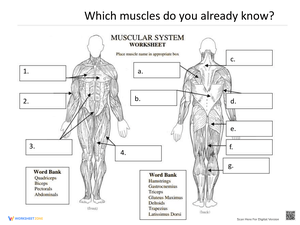
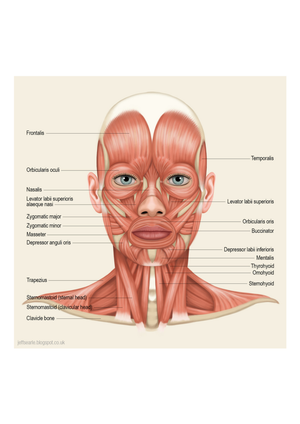
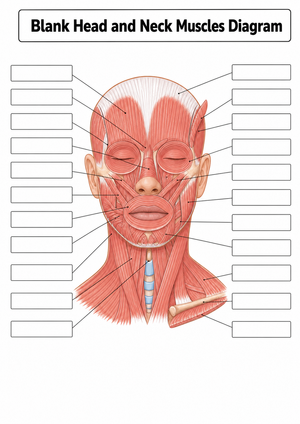
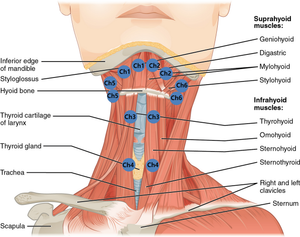
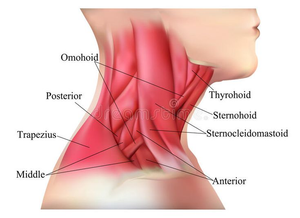
These muscular system worksheets for 10th grade address the part of Life Science where student notebooks get cluttered and confusion compounds: the moment after skeletal, smooth, and cardiac muscle have been introduced but students still can't reliably distinguish them under pressure. The set includes diagram labeling, muscle-type sorting tasks, short reading passages with text-dependent questions, and written explanations that ask students to connect structure to function. Each worksheet stands alone, so teachers can slot one into a warm-up, assign another for independent practice, or pull a third for a post-quiz review session.
The Specific Skills Each Worksheet Targets
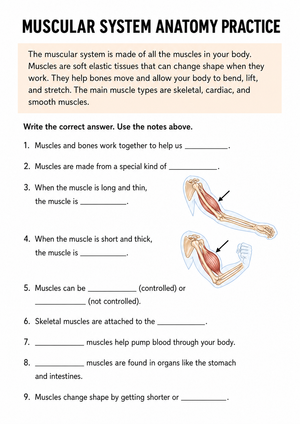
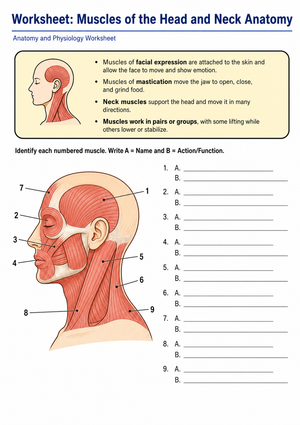
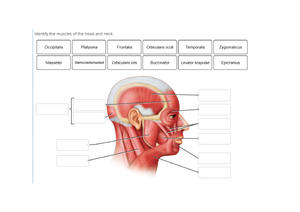
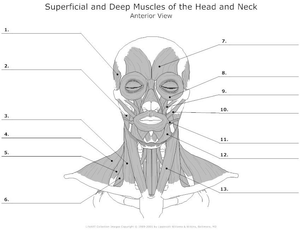
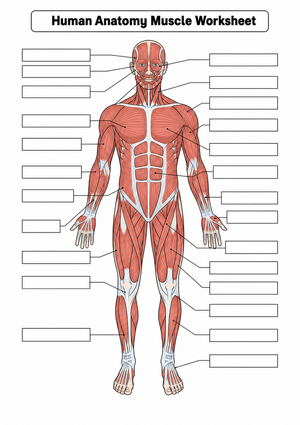
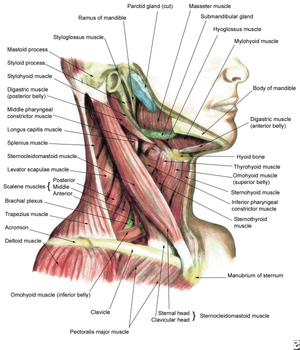
The three muscle types — skeletal, smooth, and cardiac — form the organizing core of this set. Students label anatomical diagrams of major surface muscles and identify tissue-level structures, match muscle types to their locations in the body, and sort movement examples by voluntary or involuntary control. Several worksheets push beyond identification into function: students explain why smooth muscle in blood vessels responds to signals without conscious input, or describe how opposing skeletal muscles coordinate to flex and then extend a joint.
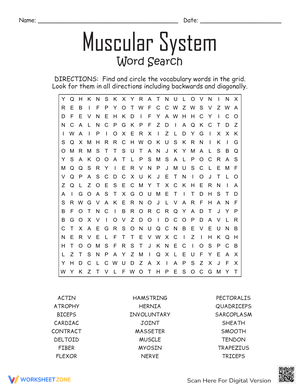
Vocabulary work runs through the set without dominating it. Rather than asking students to define a term once and move on, each worksheet returns to words like striated, peristalsis, antagonistic pairs, and myofibril in different task formats — first in a matching item, then in a sentence-completion prompt, then as the answer to an application question. That layered repetition builds the flexible recall students need when the same term reappears in a lab report or on a standardized assessment.
Student Errors Worth Anticipating Before You Hand These Out
The most reliable confusion point is cardiac versus skeletal muscle. Both are striated — visible in any textbook histology image — so students who absorb "striated means skeletal" will confidently mislabel a cardiac muscle micrograph. These worksheets include a direct comparison task that forces students to hold both types side by side and identify what actually distinguishes them: location, conscious control, and the branched structure of cardiomyocytes rather than the parallel bundling of skeletal fibers.
A second consistent error involves the mechanics of movement. Students regularly write that muscles "push" bones or that a muscle "contracts and then pushes back." Muscles only pull — extension at a joint happens because an opposing muscle contracts on the other side. At least one worksheet targets this directly, asking students to trace the action of the biceps and triceps through a full flex-and-extend cycle and explain which muscle does the work at each step. This single task catches more conceptual drift than a full worksheet of multiple-choice items covering the same material.
Building These Worksheets Into Your Biology Unit Plan
These resources fit most naturally in the second half of a muscular system unit — after initial instruction has introduced the three muscle types but before the summative assessment. That is precisely when students have heard the content but haven't yet been asked to retrieve and apply it independently, which is where structured practice does the most work. A labeling worksheet makes a strong opener for a review day; a short reading passage with application questions handles the main task when a substitute is covering the class.
For the day before a unit test, consider sequencing three worksheets back to back in a stations format:
- Diagram identification — surface muscles or tissue types under a microscope
- Muscle-type comparison — skeletal, smooth, and cardiac sorted by location, control, and structure
- Written function explanations using key vocabulary in complete sentences
Fifteen minutes per station gives students enough time to work through each task without the pace feeling rushed, and the rotation breaks up what can otherwise become a flat review block. Muscular system worksheets for 10th grade also work well in the Monday warm-up slot at the start of the week following a break — the familiar task format lowers reentry friction and resurfaces vocabulary before new content begins.
Standard Alignment
These muscular system worksheets for 10th grade map cleanly onto NGSS HS-LS1-2, which asks students to develop and use models illustrating how the hierarchical organization of cells, tissues, organs, and organ systems supports body function. Comparing skeletal, smooth, and cardiac muscle at the tissue level addresses that hierarchy directly — students have to understand that cell type determines what a tissue can do, and that function determines where in the body that tissue appears. The function-based short-answer items also connect to HS-LS1-3, which addresses feedback mechanisms that regulate body systems, since both smooth muscle and cardiac muscle operate under involuntary regulatory control. In NGSS-aligned states, these connections are worth noting when lesson plans go up for review.
Adjusting Each Worksheet for a Mixed-Ability Class
Muscular system worksheets for 10th grade span a fairly wide cognitive range — from basic recall of muscle locations to analysis of how tissue structure determines function — which makes adjusting individual worksheets more practical than writing entirely separate versions. For students who need more support, adding a word bank to vocabulary questions and providing a partially labeled diagram removes the retrieval barrier without changing the learning target. Chunking written prompts into two smaller sub-questions ("Name the muscle type" followed by "Explain why it works without conscious control") also helps students who stall when facing an open-ended response.
For students working above grade level, the most productive adjustment is removing the built-in support cues and asking for comparison or explanation in their own words. A prompt like "Compare the structural features of skeletal and cardiac muscle and explain how each feature connects to the muscle's function" — with no word bank, no diagram, and no sentence frame — asks students to organize thinking from scratch. These students also benefit from extension questions that tie the muscular system to other body systems studied earlier in the year, such as the nervous or circulatory system, since those connections surface regularly in AP-level assessments and upper-level lab discussions.
Frequently Asked Questions
Do these worksheets include both diagram labeling and written questions?
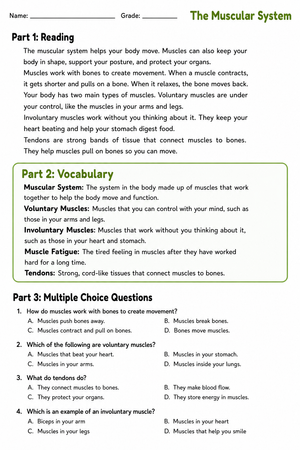
Yes. The set includes surface muscle labeling diagrams, muscle tissue identification tasks, short written explanations, and reading-based questions. Each worksheet uses at least two task types so teachers can assess both recognition and understanding within a single assignment.
How long does each worksheet take to complete?
Most worksheets take students 15 to 25 minutes working independently, though that range shifts depending on class pacing and how much vocabulary has been explicitly taught before the worksheet is assigned. A worksheet used as a bell ringer will go faster than the same worksheet used as the main independent practice task for the period.
Are these worksheets better suited for review or for first-time instruction?
They work for both. The labeling and identification tasks suit initial instruction well, while the compare-and-contrast and function-explanation items are most effective as review once students have covered core content. Several teachers also use individual worksheets as informal assessments — a 10-minute task near the end of a lesson quickly reveals who still confuses smooth and cardiac muscle before the unit test arrives.












 Interactive Worksheet Maker
 Quiz Maker
 Word Search Maker
 Crossword Puzzle Maker
 Word Scramble Generator
 Sentence Scramble Generator
 Handwriting Worksheet Generator
 Name Tracing Generator
 Fill In The Blank Generator