Why Letter L Is a Smart Place to Begin Handwriting
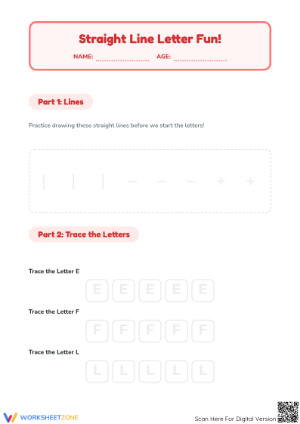
If you teach an alphabet-of-the-week rotation, letter L is one of the easiest wins in the whole sequence. Uppercase L is built from one long vertical line and one short horizontal line at the base, and lowercase l is a single straight vertical stroke. There are no curves, no reversals to untangle, and no confusing loops. That simple geometry is exactly why many pre-K and kindergarten teachers introduce straight-line letters like L, I, and T before tackling curved shapes such as C, S, or G.
Straight lines give young writers a controllable starting point. A child who is still building hand strength can produce a recognizable L without the fine-motor precision that a lowercase a or e demands. That early success matters for motivation, and it gives you clean, low-stress data on whether a student understands directionality and top-to-bottom stroke order.
What Effective Letter L Worksheets Actually Include
Not every printable is built for instruction. The strongest letter L worksheets move students through a clear progression rather than dropping them straight into blank lines. Look for pages that layer support and then gradually remove it.
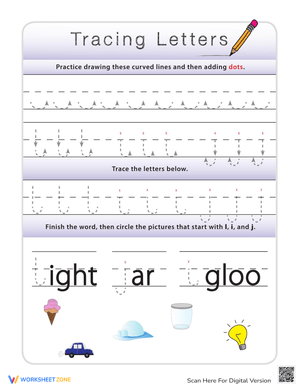
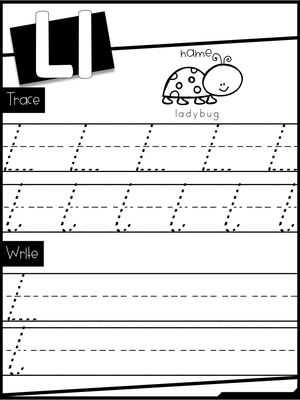
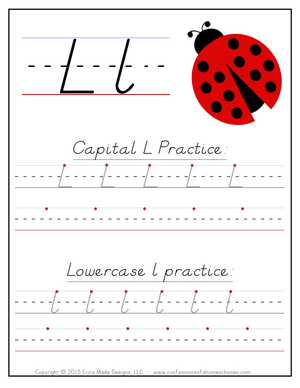
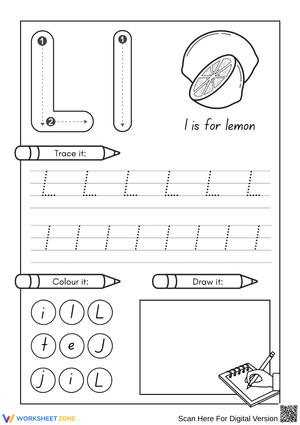
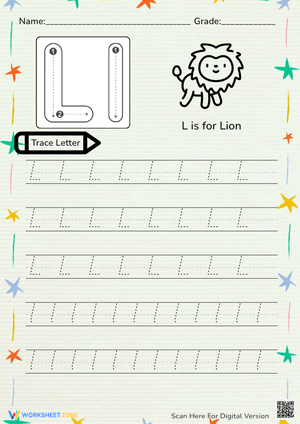
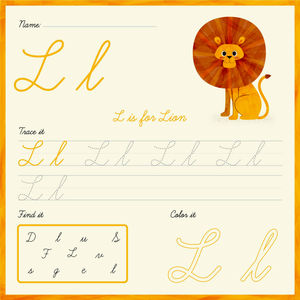
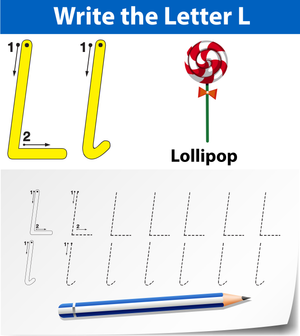
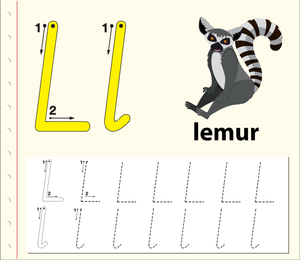
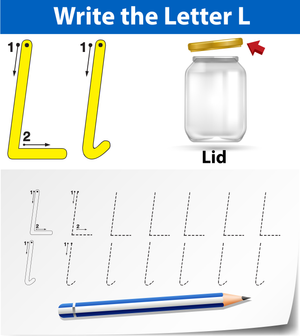
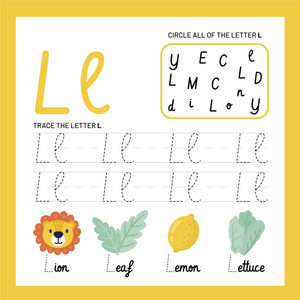
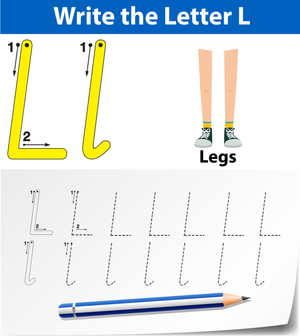
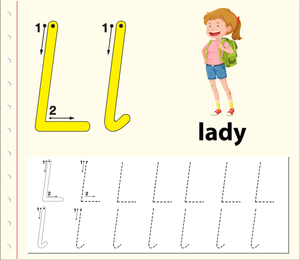
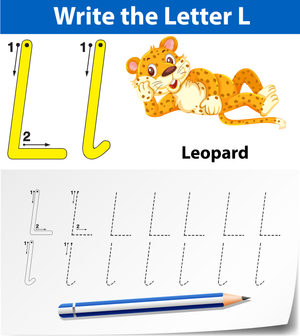
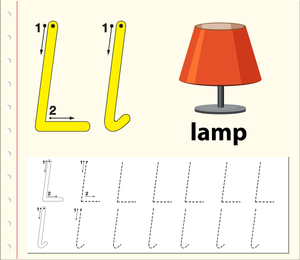
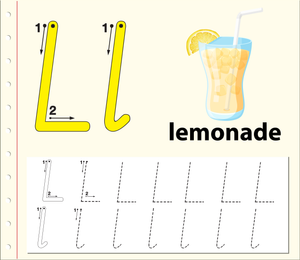
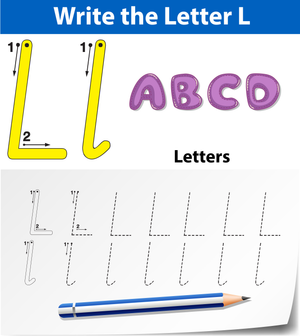
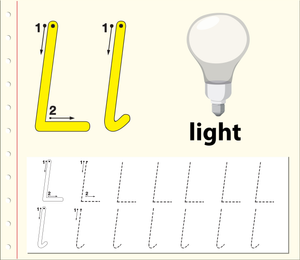
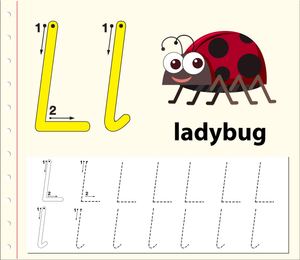
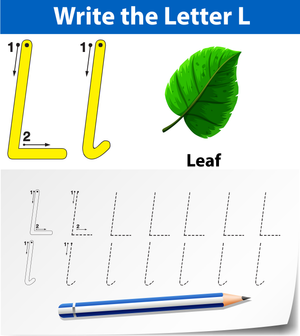
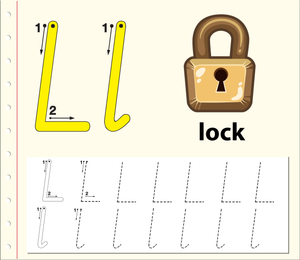
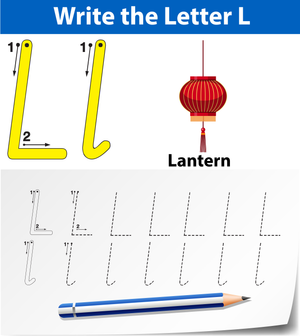
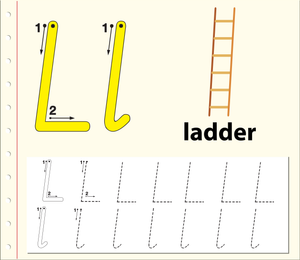
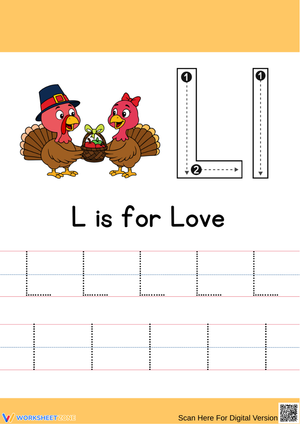
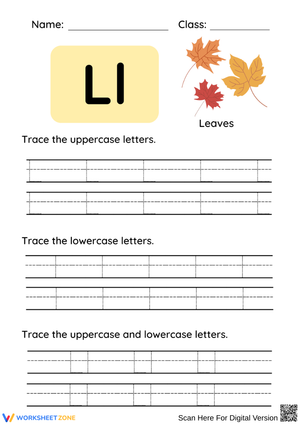
- Stroke-order tracing rows with numbered arrows and fading dotted guides, so students copy correct formation before writing independently.
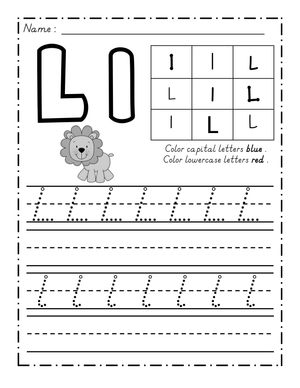
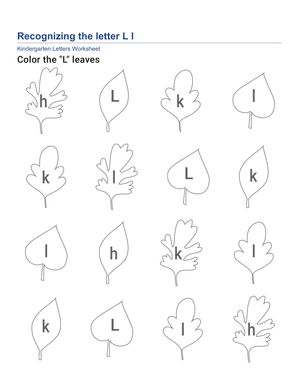
- Uppercase and lowercase matching that pushes recognition, not just tracing, and helps students see L and l as the same letter.
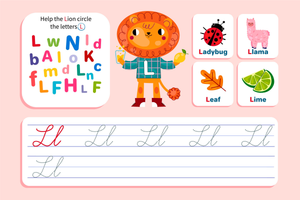
- Letter L picture searches featuring lion, ladybug, leaf, and lemon to connect the shape to its sound.
- Multi-sensory mats for playdough rolling, sand tracing, or wet-sponge writing that reinforce the motor pattern.
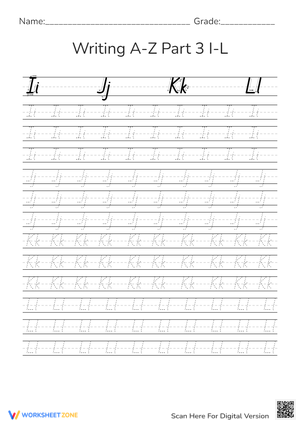
Resource collections such as Superstar Worksheets show how these formats stack together, from heavily guided dotted lines to fully independent practice on a single page. The goal is a gentle fade: dotted L, gray L, then a blank line the student fills on their own.
Sequencing Letter L Into Your Alphabet Week
A worksheet works best inside a plan, not as a standalone sheet. A reliable five-day rhythm pairs formation with recognition and sound. Day one introduces the name and sound with a picture search. Day two and three focus on tracing and stroke order. Day four adds uppercase and lowercase sorting, and day five uses a blank-line page as a quick check.
Alphabet knowledge is worth this level of intention because it carries real predictive weight for reading. Weaving letter L practice into a structured routine keeps a single letter from becoming isolated busywork.
According to Reading Rockets, alphabet knowledge at school entry is one of the strongest predictors of later reading and spelling success, and research syntheses estimate that letter recognition and letter-sound knowledge together account for roughly 25% of the variance in children's later reading achievement.
Here is the piece teachers often miss: tracing accuracy and letter-sound knowledge develop on separate tracks, and a child can trace a flawless L while still not knowing it says /l/. A meta-analysis of alphabet learning and instruction found that the most effective programs teach letter names, sounds, and formation together rather than in isolation. So a letter L page that only asks for tracing leaves out the highest-leverage part. Add a two-second sound cue to every tracing row, and you convert a fine-motor task into phonics practice.
Supporting Students Who Struggle With Fine Motor Control
Letter L is forgiving, which makes it a good place to intervene early. If a student cannot yet hold a pencil with control, start bigger and go multi-sensory before you go to paper. Have them form the L with their whole arm in the air, trace a large L in a sand tray, or build it with two pieces of playdough, one long and one short.
When you return to the worksheet, choose pages with the heaviest guides, wider lines, and fewer repetitions per row so the task does not overwhelm. Highlighting the starting dot in green and the stopping point in red gives a clear visual for the top-to-bottom, left-to-right path. Short, frequent practice beats one long session, so two guided rows a day will usually outperform a full page once a week.
Frequently Asked Questions
1. What is the correct stroke order for writing uppercase and lowercase letter L?
For uppercase L, start at the top and pull one straight line down, then add a short horizontal line along the base moving left to right. Lowercase l is even simpler: start at the top and draw one straight vertical line down. Teaching a consistent top-to-bottom start now builds the habit students need for taller, more complex letters.
2. At what age or grade level should children practice letter L worksheets?
Most children work on letter L in preschool and kindergarten, roughly ages four to six, though timing depends on fine-motor readiness rather than a fixed birthday. Straight-line letters like L often appear early in a handwriting sequence, and the same pages work well for first-grade review or early-intervention support.
3. How can teachers use letter L worksheets for students who struggle with fine motor control?
Start with large, multi-sensory formation such as air writing, sand trays, or playdough before moving to paper. Then choose worksheets with heavy dotted guides, wider lines, and fewer repetitions. Mark the start point in green and keep practice short and frequent instead of assigning a full page at once.
4. How do letter L worksheets fit into a broader alphabet or handwriting curriculum?
Treat each letter page as one part of a weekly routine that also covers the letter name, its sound, and recognition in uppercase and lowercase form. Pairing formation with sound matters because alphabet and letter-sound knowledge are among the strongest early predictors of reading success.
5. What activities pair well with letter L tracing worksheets for classroom centers?
Strong pairings include playdough letter mats, sand or salt tray writing, letter L picture sorts with lion and leaf cards, and uppercase-to-lowercase matching games. Rotating students between a paper tracing page and a hands-on station keeps practice engaging and reinforces the same stroke pattern through more than one channel.